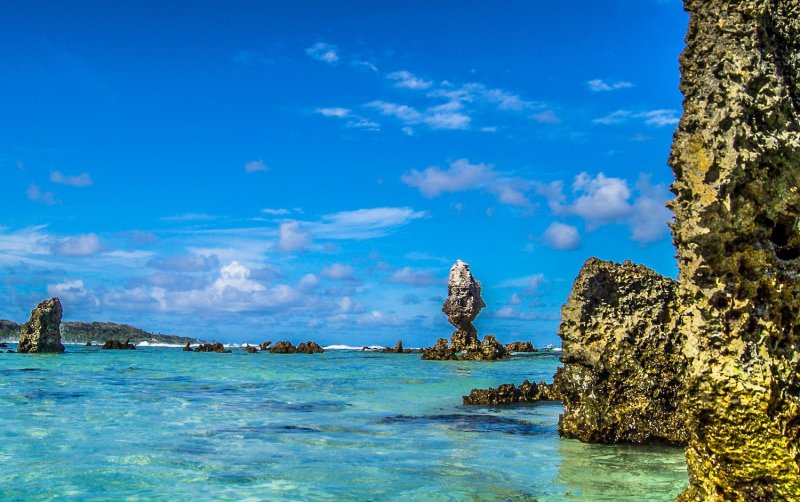
SYDNEY - The Pacific island nation of Nauru has officially changed its name to the Republic of Naoero, reverting to its traditional designation in a move it said was aimed at strengthening national identity and cultural heritage.
Nauru’s parliament passed a constitutional amendment in May to rename the country, initially planning a national referendum. However, President David Adeang said in a social media post last week that the referendum plans have been dropped.
“The decision not to pursue a referendum was reached after thoughtful deliberation that Naoero is not a new name seeking acceptance by the people,” he said.
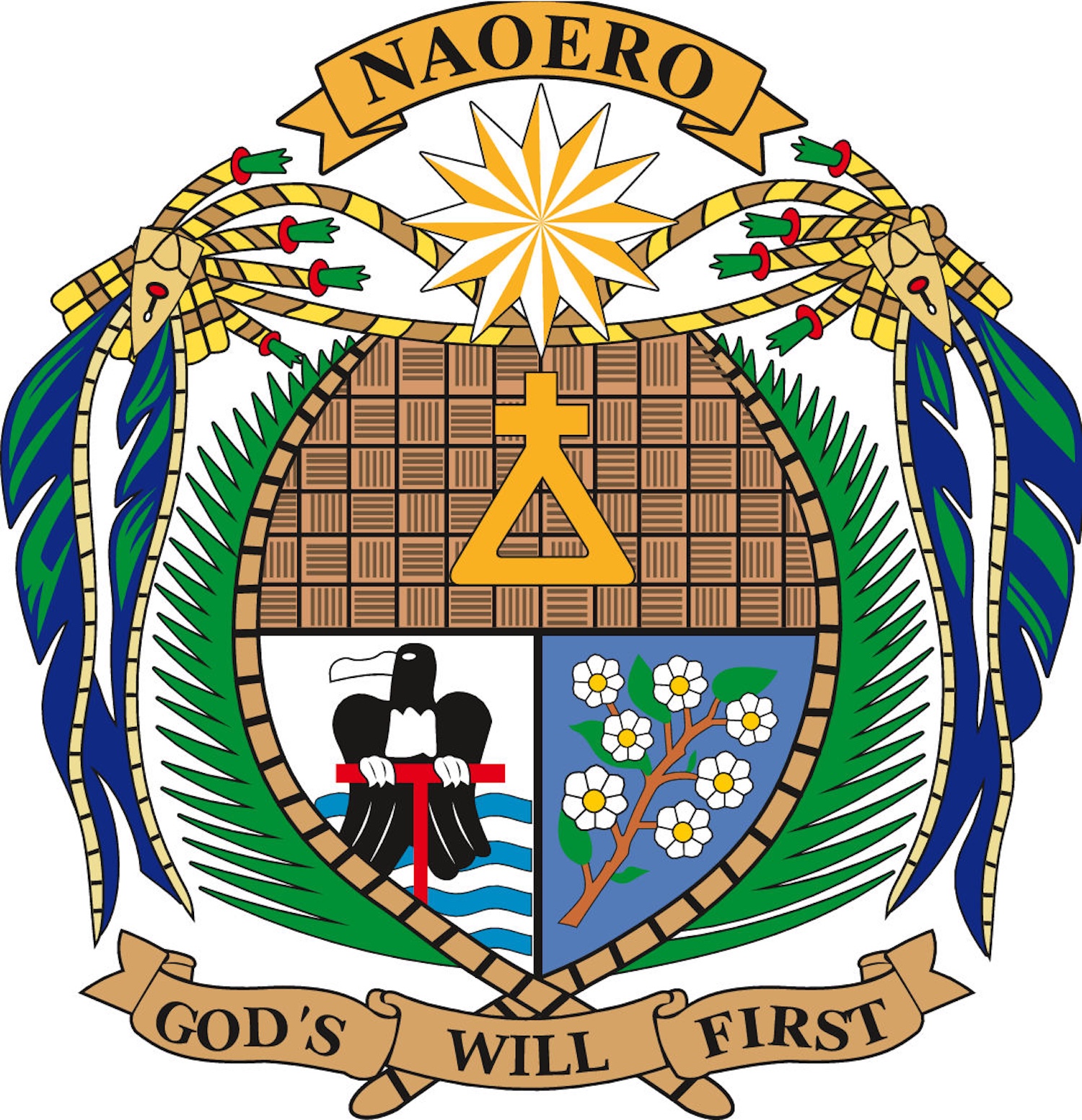
“It is already the identity of the people, is on the national coat of arms, and spoken in the community; and importantly is allowed by the constitution.”
The abbreviated name will be “Naoero”, while citizens will be referred to as “dei-Naoero”.
European colonisers changed the country’s name to Nauru after finding it difficult to pronounce the island’s native name Naoero.
With an area of 21 square kilometres, Naoero is the world’s third-smallest nation after Vatican City and Monaco, and has a population of about 12,000.
Adeang said the decision was not about politics but about identity, heritage, and “preserving the legacy of our ancestors and strengthening the future of our children”.
The government has formally notified international organisations and countries of the change, with the transition process already under way. (Story continues below)
Inhabited for 3,000 years
People have lived on Naoero for 3,000 years. The West began to intrude in the 1700s, and the island was controlled by a succession of countries, including Germany, Australia, Japan and finally a protectorate of Australia, New Zealand and the United Kingdom. It became independent as Nauru in 1968.
Its economy was once largely based on phosphate mining. But depleted supplies have led it in other directions, including processing Australian asylum seekers.
How the new name is pronounced depends in part on one’s accent. British, Australian and American English speakers variously pronounce it nah-OO-roo, now-AIR-o or nah-oh-EH-roh.
Other notable recent name changes include Eswatini (formerly Swaziland) in 2018. Turkey has pushed to change to Türkiye, reflecting more closely the spelling in its language, though the name has not been adopted in many English-language publications so far.