
If you’ve been to the cinema recently and watched Timothée Chalamet expertly firing a ping-pong ball across the screen in his Oscar-worthy performance as table-tennis hustler Marty Mauser in Marty Supreme, you might feel inspired to grab a bat and try the sport for yourself.
As anticipation builds over whether Chalamet will finally take home an Oscar, attention is also turning to the wider appeal of table tennis and the benefits it can offer.
“With the release of Marty Supreme and the World Championships coming to London in April, it’s a huge year for table tennis and is a great chance to shine a light on the sport,” says Chris Brown, director of development at Table Tennis England.

“We really do sell ourselves as a sport for everyone, from four-year-olds right through to people over 100 years of age. We regularly have players in our local leagues and clubs who are well into their 90s because it’s something they can continue to do throughout their lives.”
Here are eight different ways playing table tennis can benefit your mind, body and mood…
1. It’s kind on your joints
“Although at an elite level table tennis is an extremely fast, energetic, high-intensity sport, for those that are just starting out it can be a great option for low-impact exercise,” says Brown. “It’s ideal for people who may have joint issues or are older and are looking to get into some indoor exercise that helps improve their balance and coordination, but also has a low impact on the joints.”
2. Improves balance and coordination
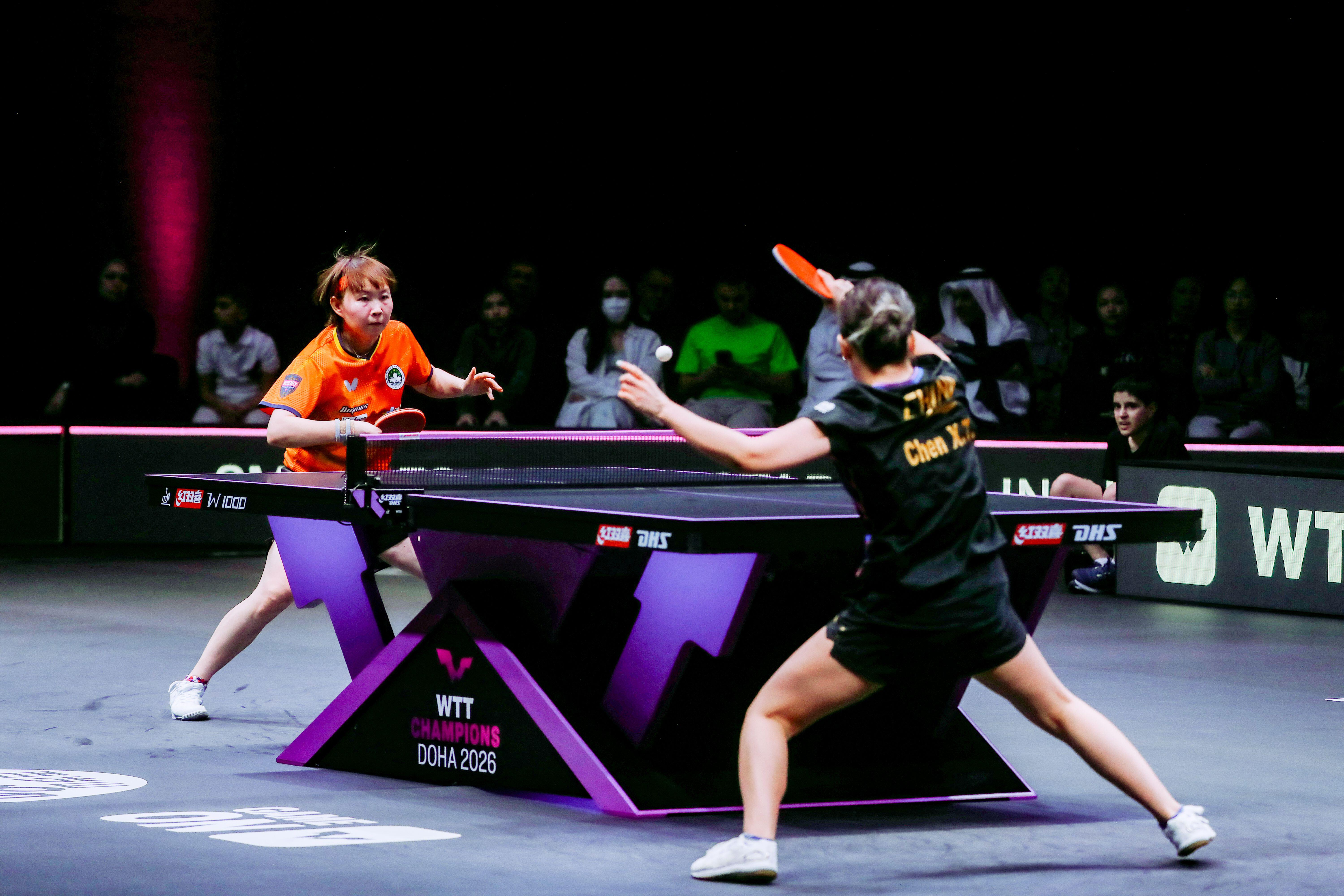
“In table tennis you’re constantly moving your body to meet the demands of the ball,” explains Brown. “You have to move both feet, rotate your trunk, move your arms, move your legs and engage your core.
“All of that requires an element of balance and coordination which is relevant and transferable to everyday life, like just being able to get in and out of the car or walk upstairs and can help prevent falls.”
3. Offers a place to connect
“At a lot of our recreation sessions, you’ll find people playing doubles matches and it’s a sport that you can quite easily talk through during rallies or between rallies,” says Brown. “Within a relatively small venue, you might have six or eight tables and have 20-30 people there playing that session which creates a social environment and sense of community.”
4. Requires focus
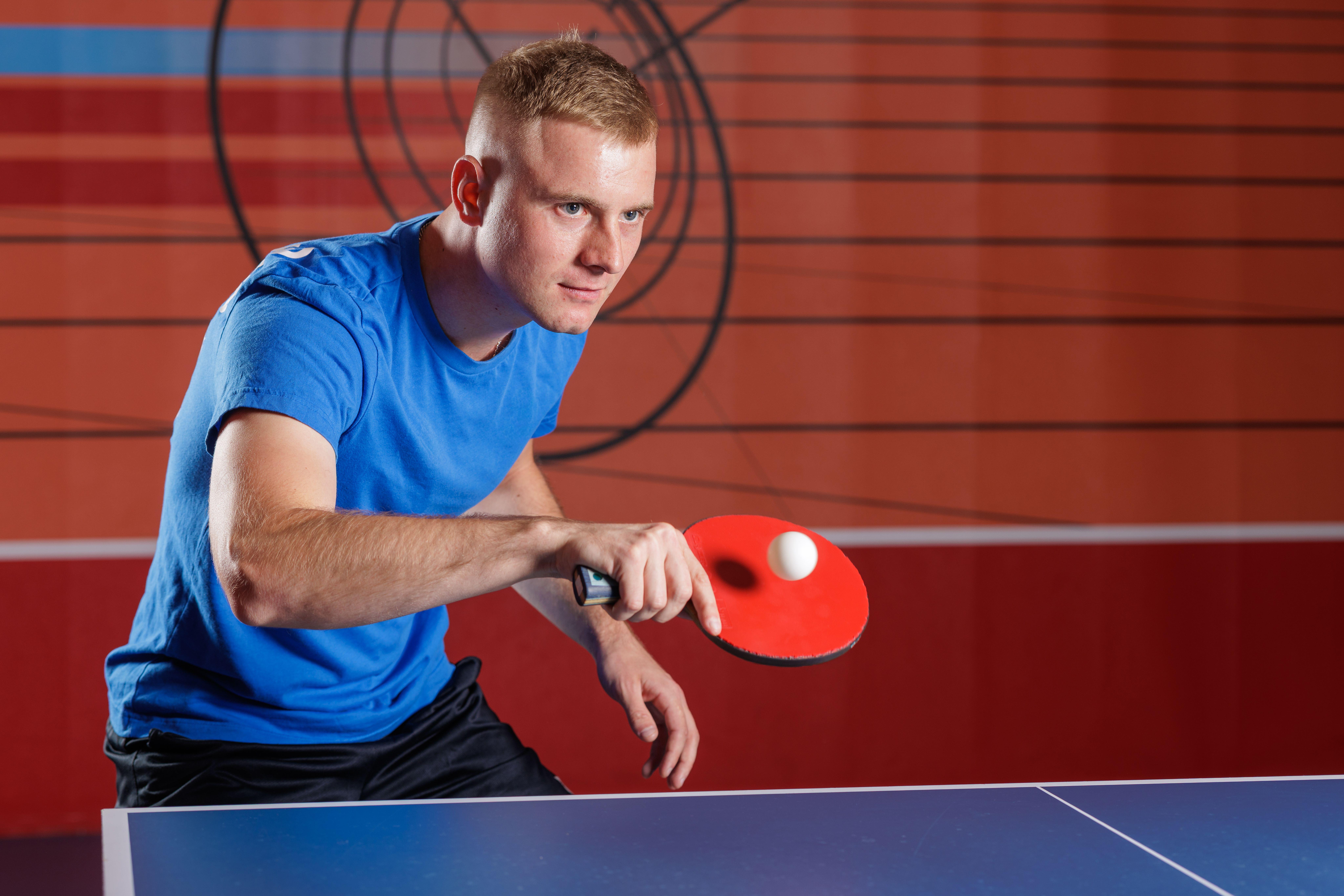
“At an elite match, the game moves so quickly that any loss in focus essentially means that you will miss the ball and will lose the point,” says Brown. “So, you have to use multiple parts of the brain to track the ball, and to develop that quick hand-eye coordination.”
Table tennis requires focus on multiple different stimuli at once.
“You have to think about where you are in relation to the table, where your opponent is, what their arm is doing and how fast the ball is moving over the net,” says Brown.
Some research suggests that this could help people with Parkinson’s disease.
“Research around Parkinson’s has found that table tennis can help reduce freezing and stop tremors,” says Brown. “We think that having something like a table tennis ball to focus on alongside that rhythmic movement can really help these people.”
5. Offers an opportunity to mix with other generations
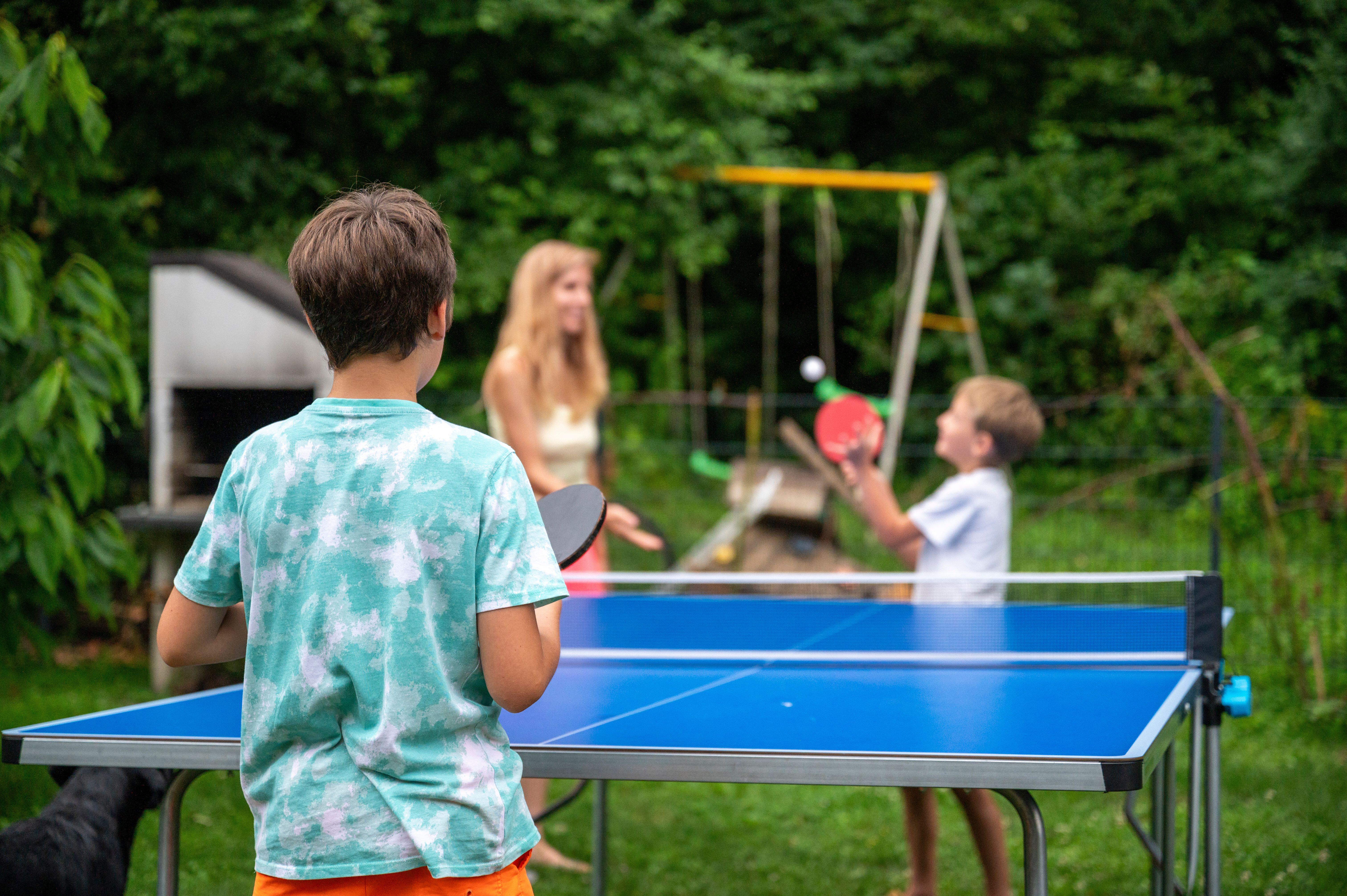
“Table tennis at a recreational levels is very intergenerational,” says Brown. “You will find a lot of older adults playing table tennis with children, grandchildren and younger relatives.”
6. Reduces stress and boosts mood
“Certain neurotransmitters like endorphins get released when you’re doing something you enjoy and sometimes you can also experience that adrenaline rush during a really competitive match,” reflects Brown.
“Also, because the game moves so quickly and requires your full attention, it can help divert your attention away from worry and anxiety. Focusing on the game can be all-consuming which means that nothing else crosses your mind while playing.”
7. Boosts confidence
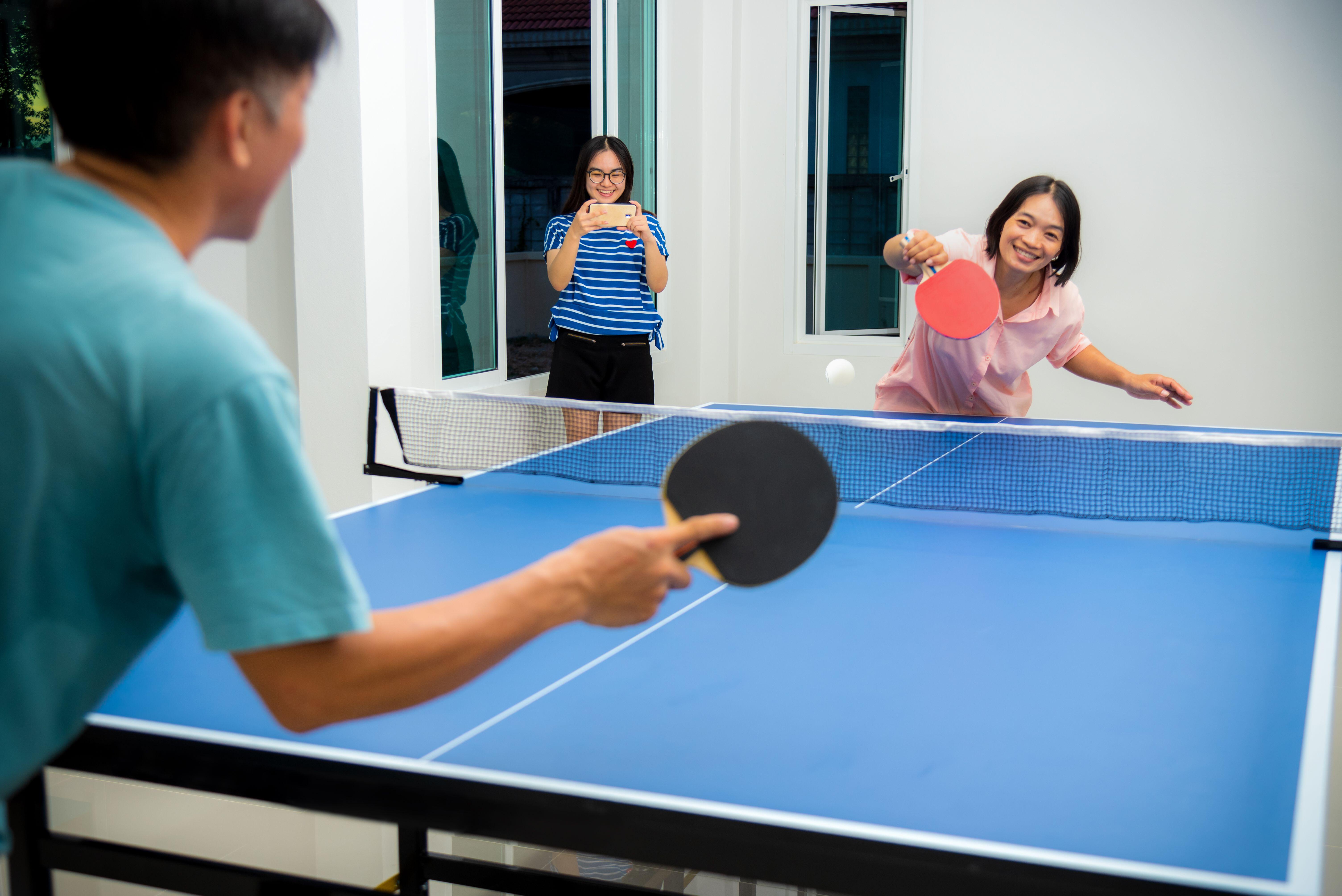
“Learning a new skill, whether that’s learning an instrument or how to serve, can have a massive impact on someone’s confidence when they see over time that they are improving and are capable,” says Brown. “Also, being part of a table tennis community can help give someone a sense of worth and sense of value.”
8. Sharpens your listening skills
“Hearing when the ball contacts the bat is really important, particularly as you progress up into the higher levels of the sport,” says Brown. “There’s a big element of disguise as to what sort of spin the opponent’s putting on the ball, or how much spin, and a lot of that is around sound.
“You have to think about when the contact point happens on the bat and how it sounds when it hits the table. All of those sorts of inputs start to build up as the game becomes quicker.”
Visit London-2026.com for more information on the World Championships, and to find a place to play table tennis in your local area visit tabletennisengland.co.uk/table-finder/