Another day, another child murdered. Will it never end? Like many, I watch the horrible news, feeling helpless. In a world where, every week, approximately two children are killed by their carers, it is especially frustrating to watch the inevitable interviews with friends and neighbours, where they sadly admit: "Yes, we thought something was wrong." Inside I'm screaming: why didn't you tell somebody?
Of course, it's easy to criticise. There are many reasons why strangers or even family might feel reluctant to become involved. British society still exhibits some strange views about chastisement and the nature of a parent's ownership of children, which blinds us to abuse.
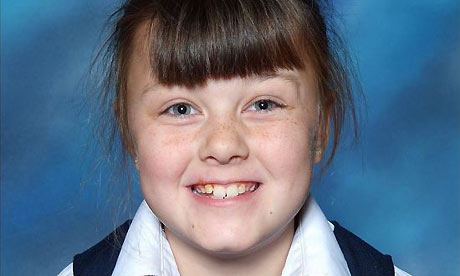
Maybe this was true for people who didn't report a malnourished Baby P eating dirt in the garden, or the case of Sanam Navsarka, where neighbours noticed she was limping. In what must have been a difficult situation, they courageously tackled her carers, suggesting they take her to the doctor. Even her own close relatives had observed that life for poor Sanam was grim but nobody contacted official agencies: not the police or even social services. Intriguingly, Shannon Matthews' neighbour had reported her mother to social services, understanding this was the right thing to do. Kirklees council clearly did something right.
People are wary. They don't understand procedures or, because of negative reports in certain sections of the media, now view social workers as municipal child-snatchers, or worse, that they will ignore reports. It's always hard to know what to do. I once verbally tackled a woman who was viciously slapping a child in the street. She turned to shout abuse at me but at least she stopped hitting the child. Perhaps I should have called the police. But then we have a media firestorm about heavy-handed do-gooders, which makes matters worse.
Parents know that children frequently acquire unusual marks and striking bruises, which makes them reticent to tackle any problems. I also wonder if people are thinking: there, but for fate, go I. After assisting in a child abuse case, the advice centre where I once worked was silent, before one by one, several mothers present admitted having hurt their own children. One woman confessed she had thrown her infant onto the sofa. Another shamefacedly owned up to shaking her baby in a moment of frustration, narrowly avoiding a lifetime of regret for one possibly fatal outburst.
All this must change. The government has organised many a public awareness campaign, most recently to promote checking smoke alarms. There used to be TV and poster ads all the time advising what to do if confronted by a blazing chip pan: "Get out, stay out, call the fire brigade out!"
Child safety needs some hard-hitting, effective public service ads conveying the message: if you see a child in trouble, don't leave it to someone else, don't assume the family can help or that it's none of your business. We need clarity: just who we should call. We need a slogan and a clear, central helpline number. I'm not an advertising copywriter but will this do? "Child Murder – Don't Take Chances – Pick Up The Phone!"
We need to publicise the appropriate number to call if you witness, or suspect, a child is in danger or suffering, be it 999, the NSPCC or your friendly local social services. We must abandon our national mantra of look away, don't make a fuss, it's not my business. Better to make a false accusation than learn a child was murdered while you were next door with the television on full blast to drown out the screams.