When the 25th World Water Week in Stockholm kicks off next week, I hope the hundreds of politicians, philanthropists and charities attending will finally put the global sanitation crisis at the top of their agendas.
Over a decade ago, every single country signed up to the goal of halving the number of people without access to sanitation (toilets and tampons) by 2015. But for all the billions of dollars that have been poured into reaching this goal since, we are nowhere close to achieving it.
One third of the world’s population – 2.4 billion people – still go without sanitation. Incredibly, a further one billion people defecate in the open on a daily basis. These aren’t abstract figures; they represent real people, especially women and girls who suffer most from a lack of access to sanitation – something I’ve witnessed first hand during my travels with the Global Poverty Project.
Last year while in Delhi I met with a group of adolescent girls who advocated for sanitation rights on behalf of their community. The only usable toilets for these young women in Delhi were near an old factory site, which was often unsafe to use and barely met basic requirements for privacy and dignity. Occasionally they could pay to use one of their neighbour’s latrines. This trip was an eye-opener to the importance of having access to proper sanitation, as well as to how the safety of women is put at risk when they don’t have adequate access to proper facilities. I also learned of how young girls have to miss school if they can’t properly manage their menstruation because of inadequate water and sanitation.
It’s so easy to take basic things, such as a toilet, for granted; however lots of people aren’t as lucky.
That’s why I’m hoping that those attending World Water Week will look at what they can do to enable sanitation, and then challenge governments, companies, NGOs, foundations and others to make sanitation and hygiene a key global priority.
The solution actually does not require more funding to construct more toilets. Rather it requires taking a smarter, more sophisticated approach by addressing the fact that in many communities there is simply little to no demand for sanitation. Without supporting efforts focused on altering these attitudes and behaviours, no amount of new toilets will ever reduce open defecation. As well as improving the use of toilets, we also need to focus on improving the quality of sanitation facilities so that faecal waste is properly disposed of, and doesn’t seep back into the water systems people drink from.
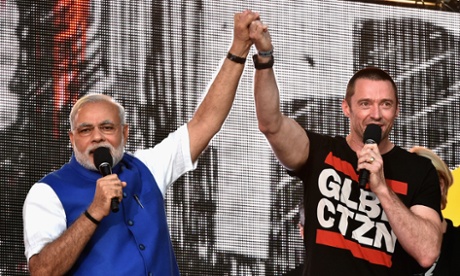
Some leaders have already started stepping up. One of Global Citizen’s ambassadors, Coldplay lead singer Chris Martin, recently met with India’s prime minister, Narendra Modi, and was impressed to hear him speaking so openly and frankly about this issue, and was inspired by his commitment to provide universal sanitation for his people by 2019. But other leaders need to step up and people need to be more vocal in demanding much needed action from them. We need to gather our resources to work as one collective movement and commit to these goals.
While we do not have the resourcesof governments and billionaires, we’ll certainly be playing our part – however minor that may be – to bring attention and awareness to this crisis. Just next month, Coldplay, Beyoncé, Pearl Jam and Ed Sheeran will be joining us for our annual Global Citizen Festival in New York. Taking place the same weekend that world leaders – including Sweden’s prime minister, Stefan Löfven – will also be in New York for the UN General Assembly, we’re inviting governments and businesses to join us on-stage to commit to enabling universal sanitation and ending open defecation.
Sweden in particular has the potential to be a global leader on this critical issue. To date, Sweden’s support of the UN Global Sanitation Fund has enabled eight million people to gain this basic human right in the last five years. And who better to champion action on sanitation than Löfven – the man who declared that “women and men will be given equal power to shape our society and their own lives”. In announcing strong support for action on sanitation, he would not only be acting in line with his feminist approach to foreign policy, but would also be setting a strong example for the rest of the world to follow, breaking the silence around this issue.
The global sanitation crisis has gone on for far too long. Enough is enough. It is time to reverse this trend. Delegates meeting in Stockholm for World Water Week can make an important start in ensuring the world doesn’t go another ten years in making next to no progress around this basic human right.
Michael Sheldrick is the head of global policy and advocacy with the Global Poverty Project based in New York. Follow @micksheldrick on Twitter.
Content on this page is paid for and provided by WSSCC, a sponsor of the Guardian Global Development Professionals Network.