We know people are not the same, and their challenges are not the same, so why do we expect them to learn new things the same way?
When an organisation or individual chooses to invest in skills development, they invest valuable time and resources that should return results. So, why do providers and organisations choose proscriptive, legacy learning approaches when more affordable and effective options are available?
The Covid pandemic drove a switch to online learning because people had no choice. There was some innovation, but it used technology to do essentially the same old thing. Blended learning and models like 70-20-10 — with 70% of knowledge coming on the job, 20% from interactions with others and 10% from formal education — have been around forever, but most providers and buyers are conducting innovation theatre rather than getting creative to meet learners’ real needs. The result is a lot of wasted money because learners find the process onerous and inconvenient.
Spending development money on unengaged and unempowered learners is simply a waste because adults cannot effectively learn as they did in school (neither can children). Giving your people choices concerning the material they study, the assignments they complete, and whom they work with is the fastest, easiest and most cost-effective way to increase engagement and motivation. By letting them learn the way they learn best, you maximise the possibility of creating better outcomes in their work and life.
Another truth that learning professionals accept but too often fail to address is that learning does not happen in the classroom/ online course. Knowledge is transferred but mastery and expertise are developed with application, exploration, and increasing wisdom with a new skill, tool or way of seeing the world.
Developing expertise requires working, trying and exploring (often) with other people in real-life situations. One can learn the techniques of tennis or football from private lessons, coaches or videos. But you cannot put it all together until you play a match with someone else. Until then, it remains theoretical, not practical. I believe most, if not all skill building is the same.
To begin with, we need to consider what learners are often thinking when instructed to attend a course: I cannot see the point/value, purpose of this course, or even where or how I might use it. I cannot see how this course connects to my job/life/bigger picture. I’m too busy and don’t see the need for this now. The thought of spending one or two days in a classroom does not sound very stimulating, either.
Careful learning experience design and weaving different learning formats becomes essential to helping prospective learners see the applications, become excited about learning, and eager to go out and apply what they learn in their current situation. Learners need to benefit from experiences that integrate content, technology and design to serve them throughout their lives and produce life-changing outcomes.
How could it work?
Substitute turning up for a class at the very start for pre-session online learning. I don’t mean a long, boring e-learning class that people will play in the background. There are many ways to deliver essential information via the internet or digitally. Consider curating podcasts, e-learning, articles or even micro-learning to meet the different needs and preferences of people and help them fit them into their busy lives.
Content should be only a small component of the overall learning experience, available on demand, and accessible as many times as needed by each individual. Do not pay for a once-and-done workshop.
Swap lectures for learner-centric exploratory experiences. Traditional learning is overwhelmingly one-way and pushes content only in the time are learners together. It does not allow people, who all think differently and at different speeds, to internalise this mountain of knowledge.
Instead, insist on more interactive live and two-way experiences that facilitate real sense-making, links to their context, and crucial unpacking of the skills required. This moves the content into their world and is especially powerful when backed up with identified opportunities to practise and use in real situations that matter to them. Learners’ time together is too valuable to waste on being passive and bored.
Trade materials that get forgotten for aids that really help. Provide learners with support materials that will help them do things, rather than folders that get put in the back of a drawer somewhere. This can be anything that helps improve performance in the front of life or work including application podcasts, guides, job aids or templates.
Switch from sole responsibility to community-based growth. Focus your learners on sharing, learning and growing through experiences with others. Consider one-on-one, triads, teams or community sharing. Have them engage in reflection, coaching and communities of practice. However, remember that social learning works differently for different groups of people and contexts. It doesn’t work the same for everyone. Success is measured by participation.
Learners’ agency in choosing the way they want to learn and providing multiple formats leads to increased engagement and empowerment. It inspires people to learn new things. It does not need to be expensive or complicated. It transforms what your people think learning can look like, which is truly transformative.
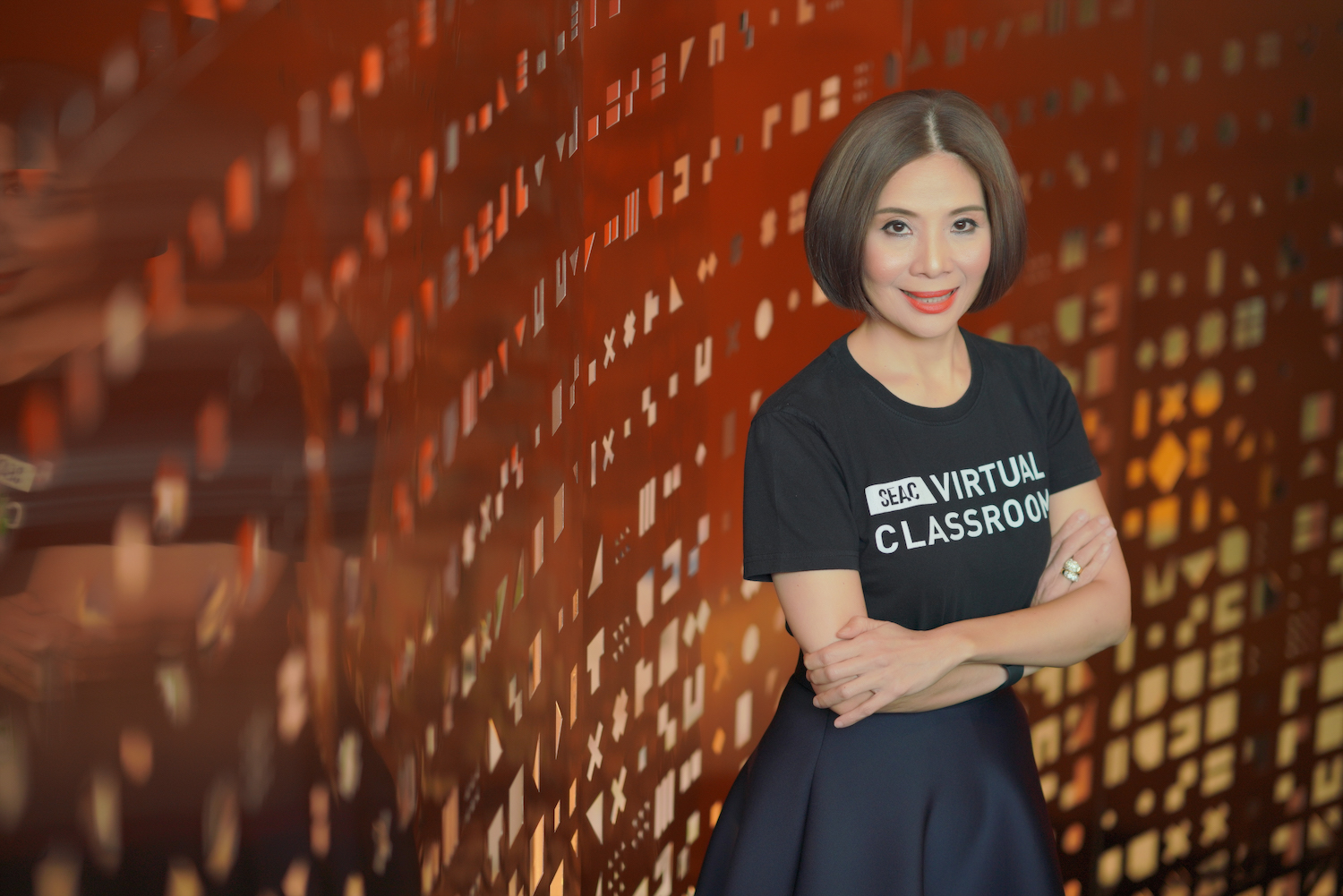
Arinya Talerngsri is Chief Capability Officer, Managing Director and Founder at SEAC — Southeast Asia’s Lifelong Learning Centre. She is fascinated by the challenge of transforming education for all to create better prospects for Thais and people everywhere. Reach her email at arinya_t@seasiacenter.com or https://www.linkedin.com/in/arinya-talerngsri-53b81aa