Outdoor lifestyle company Timberland has a history of doing business on the island of Hispaniola, which Haiti shares with the Dominican Republic: it’s been making shoes there for over 30 years.
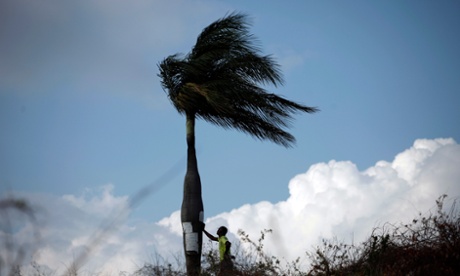
The Haitian earthquake devastated the island in 2010 but also amplified an issue that had long been ignored – the degradation of the country’s natural environment. Farming occupies 60% of the Haitian workforce and produces 25% of its GDP.
Timberland went into collaboration with the Clinton Global Initiative and the Haiti-based Smallholder Farmers Alliance (SFA) – co-founded by Hugh Locke and Timote Georges. Together they established a business model that provides education, seed and tools for farmers and helped restore essential tree-cover while increasing the island’s food production. Within five years, an innovative agro-forestry model has emerged that is completely self-financed and managed by small-scale farmers.
The SFA has had a major impact beyond the initial tree-planting, including helping 3,200 small-scale farmers increase their productivity by up to 50% and creating healthier soils, land and water resources. It has also transformed farmers into agricultural entrepreneurs, enabling many of their families to gain access to education and literacy classes, healthcare and business tuition.
It has also established a micro-credit programme to help women start wholesale food businesses and is developing an export strategy for the “superfood” moringa, and limes.
Timberland and the SFA – with the help of many Clinton Global Initiative partner members – created a collaborative, self-sustaining and replicable agro-forestry business model, which the company is considering applying to its supply chain for rubber and cotton. Central to this collaboration was Timberland’s idea that the SFA should use an exit-based aid strategy, rather than annual funding, in order to create a thriving social business.