Tigers stalk as storms, poverty force Indians deep into mangrove forests
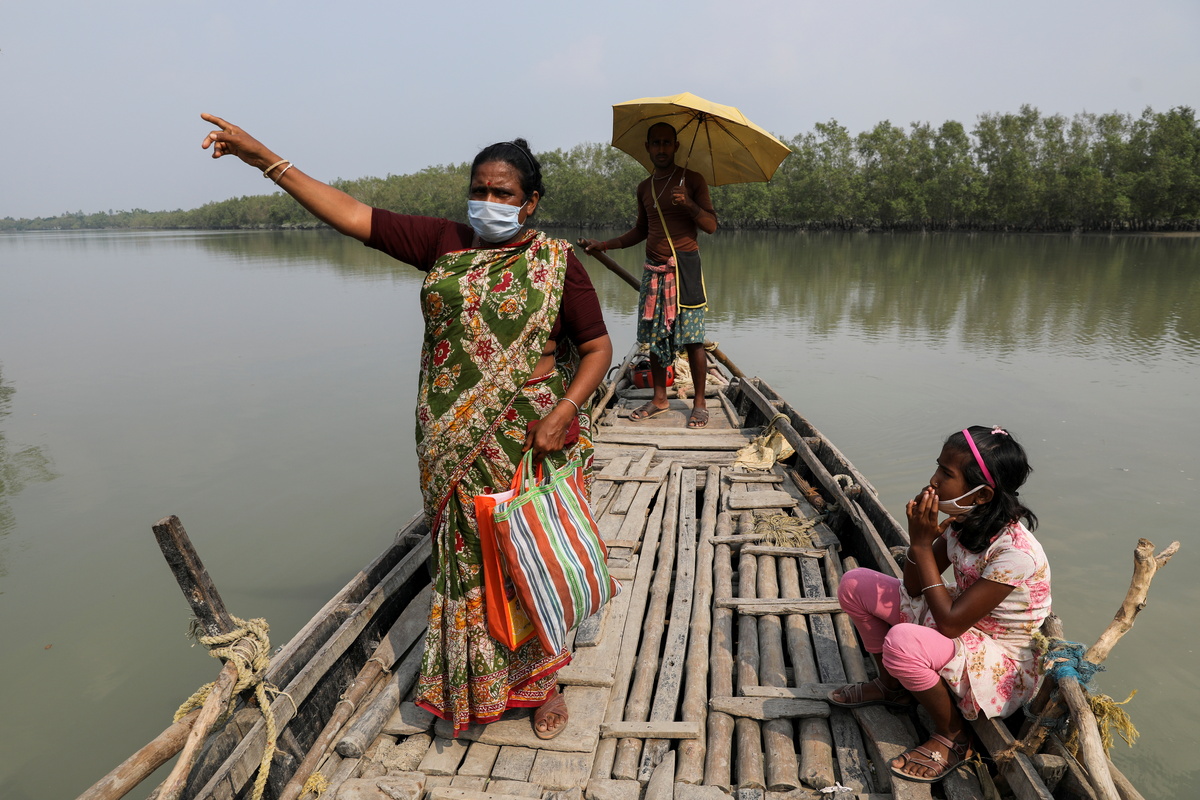
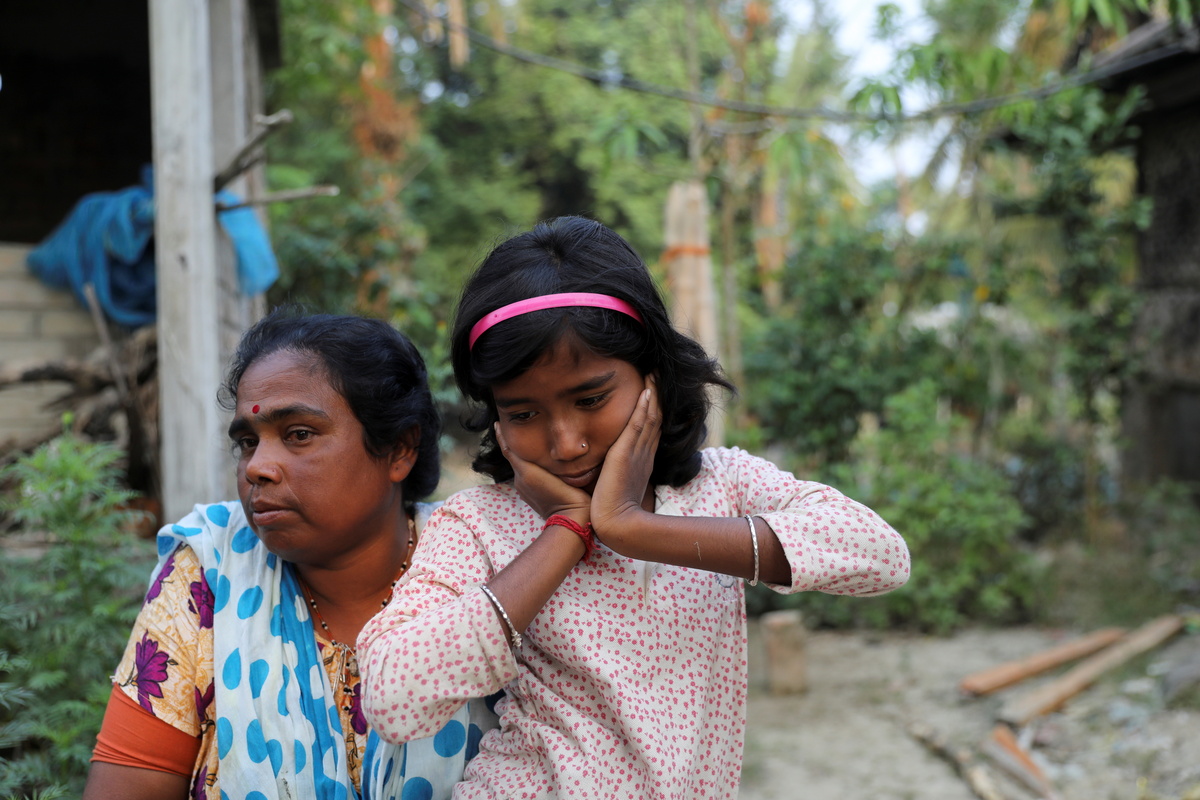
Parul Haldar, 39, whose husband died in a tiger attack during a fishing trip deep inside the forest, and her daughter Papri Haldar, 11, travel across Satjelia island on a boat in the Sundarbans, India, November 20, 2020. Almost all of the 2,000 rupees ($27) Haldar makes each month to run her household and send Papri to school comes from fishing and crabbing. "No matter how hard it is, I want to educate her," said Haldar. REUTERS/Anushree Fadnavis SEARCH "FADNAVIS SUNDARBANS" FOR THIS STORY. SEARCH "WIDER IMAGE" FOR ALL STORIES. TPX IMAGES OF THE DAY.
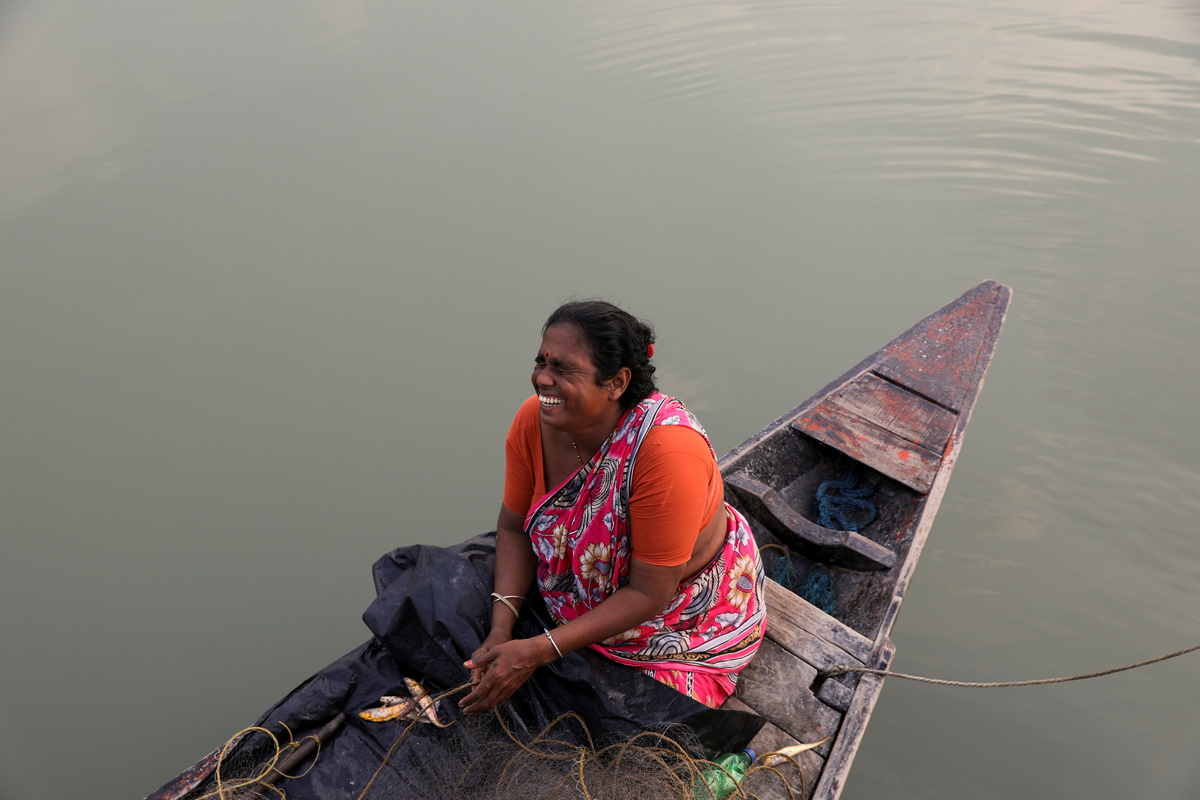
On a warm November afternoon, Parul Haldar balanced precariously on the bow of a small wooden dinghy, pulling in a long net flecked with fish from the swirling brown river.
Just behind her loomed the dense forest of the Sundarbans, where some 10,000 square km of tidal mangroves straddle India's northeastern coastline and western Bangladesh and open into the Bay of Bengal.
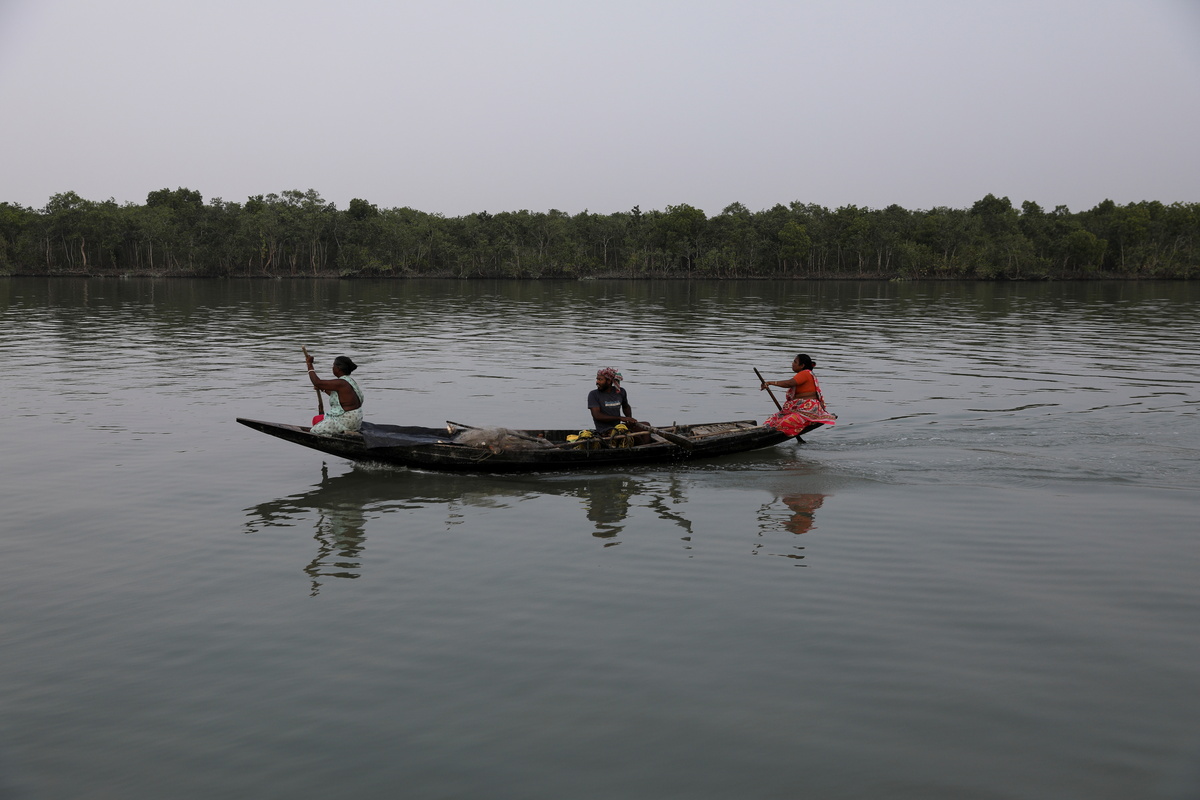
Parul Haldar (R), 39, whose husband died in a tiger attack during a fishing trip, her brother Nitai Mandal, 32, and her mother Lakshmi Mandal, 65, row a boat close to the Sundarban Tiger Reserve (STR) forest near the Satjelia island in the Sundarbans, India, November 20, 2020. According to the Sundarban Tiger Reserve's director, Tapas Das, five people have been killed by tigers in India's Sundarbans since April. REUTERS/Anushree Fadnavis SEARCH "FADNAVIS SUNDARBANS" FOR THIS STORY. SEARCH "WIDER IMAGE" FOR ALL STORIES.
Four years ago, her husband disappeared on a fishing trip deep inside the forest. Two fishermen with him saw his body being dragged into the undergrowth - one of a rising number of humans killed by tigers as they venture into the wild.
That Haldar, a single mother of four, is taking such risks is testament to growing economic and ecological pressures on more than 14 million people living on the Indian and Bangladeshi sides of the low-lying Sundarbans.
They have led to a reduced dependence on agriculture, a rising number of migrant workers and, for those like Haldar who can't leave the delta to work elsewhere, a reliance on the forests and rivers to survive.
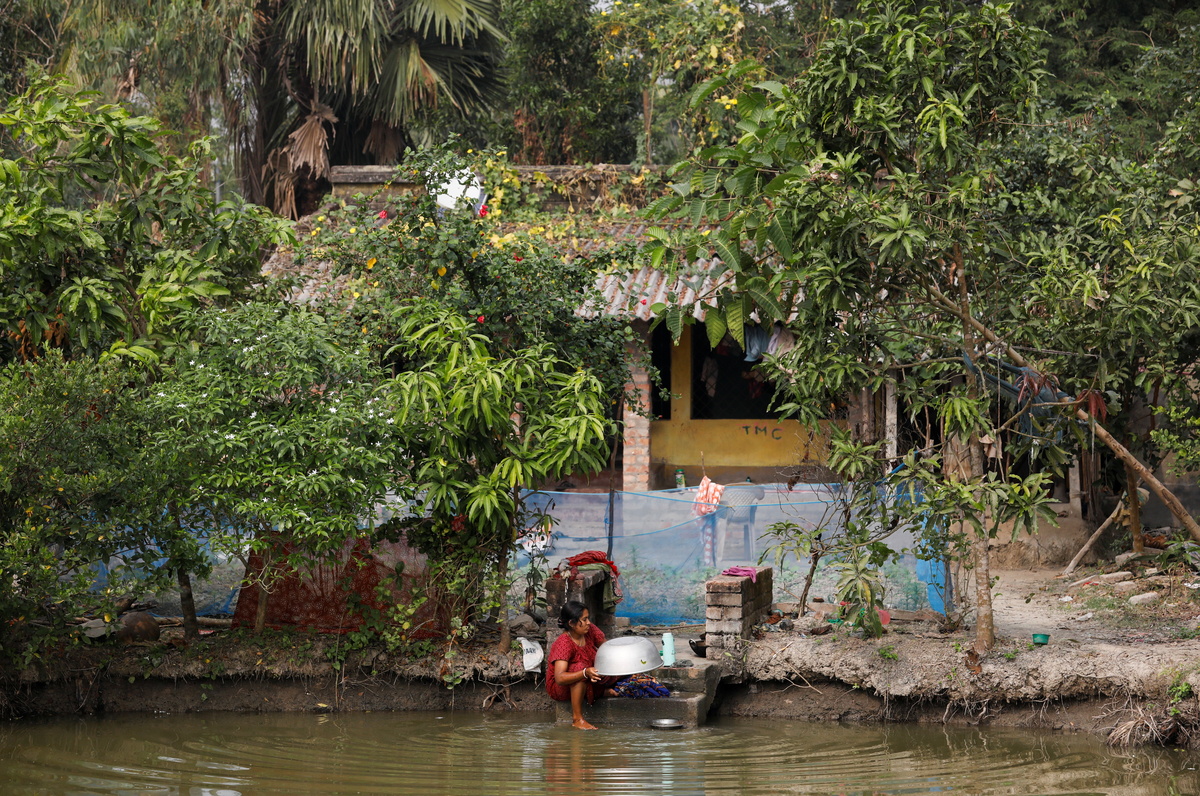
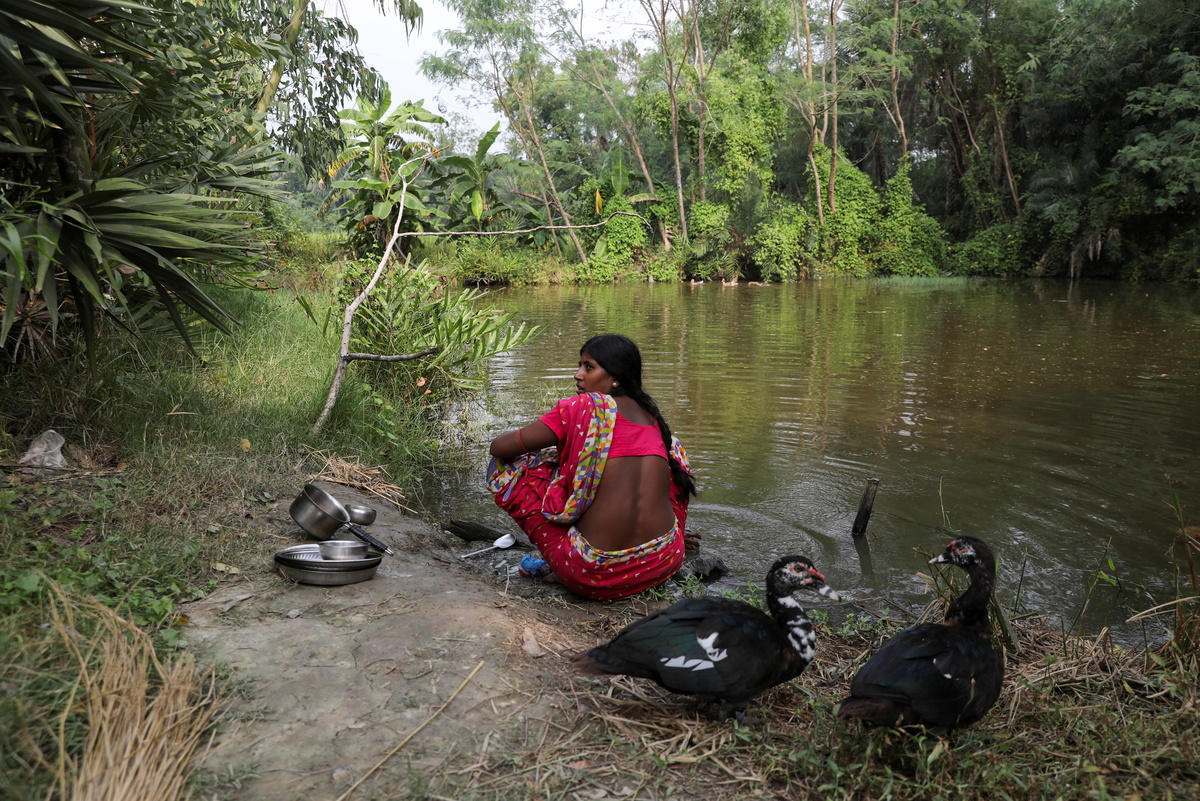
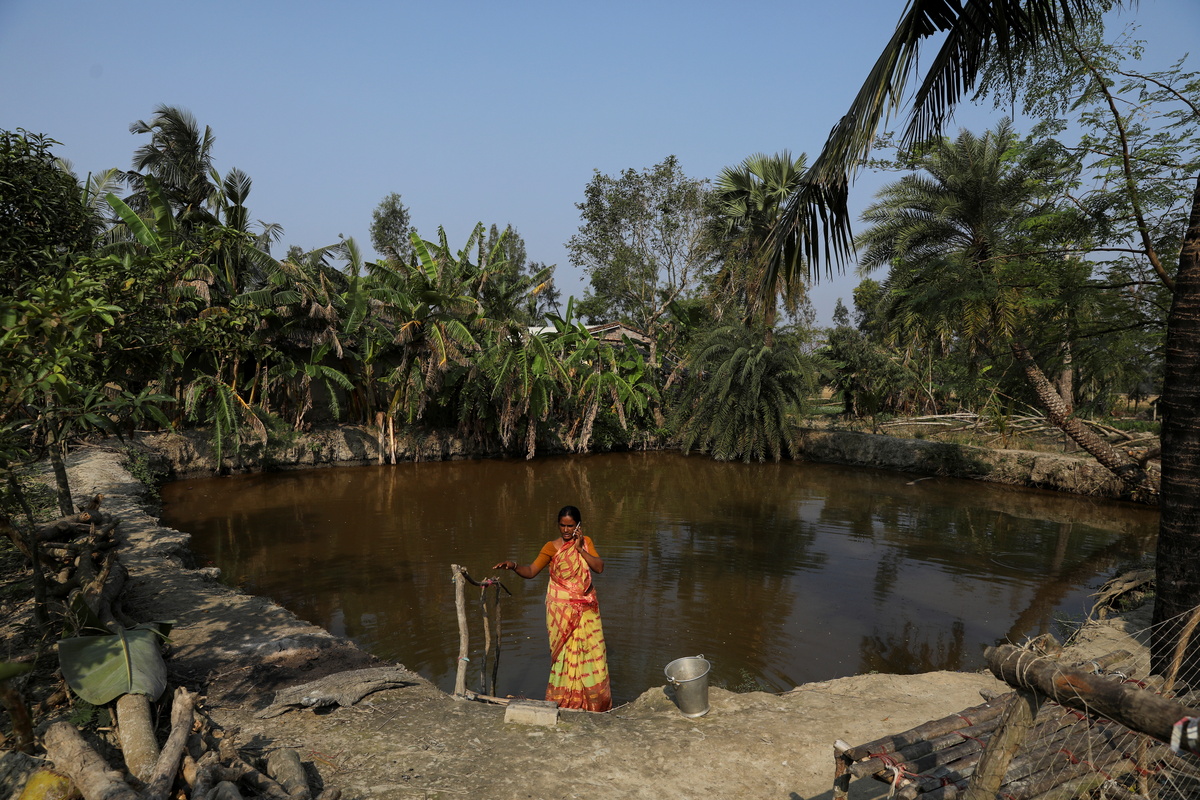
A woman washes utensils in a pond outside her home on the island of Satjelia in the Sundarbans, India, December 15, 2019. REUTERS/Anushree Fadnavis SEARCH "FADNAVIS SUNDARBANS" FOR THIS STORY. SEARCH "WIDER IMAGE" FOR ALL STORIES. TPX IMAGES OF THE DAY.
"When I enter a dense forest, I feel like I'm holding my life in my hands," said the 39-year-old, sitting outside her ramshackle three-room home on the Indian island of Satjelia after returning from a fishing expedition.
In the small yard, her father and some friends smoked wood to use it for building a new boat.
Haldar fishes in the river most days. Twice a month, she travels deeper into the forests to catch crabs, rowing six hours on a rickety boat along with her mother and staying in the undergrowth for several days.
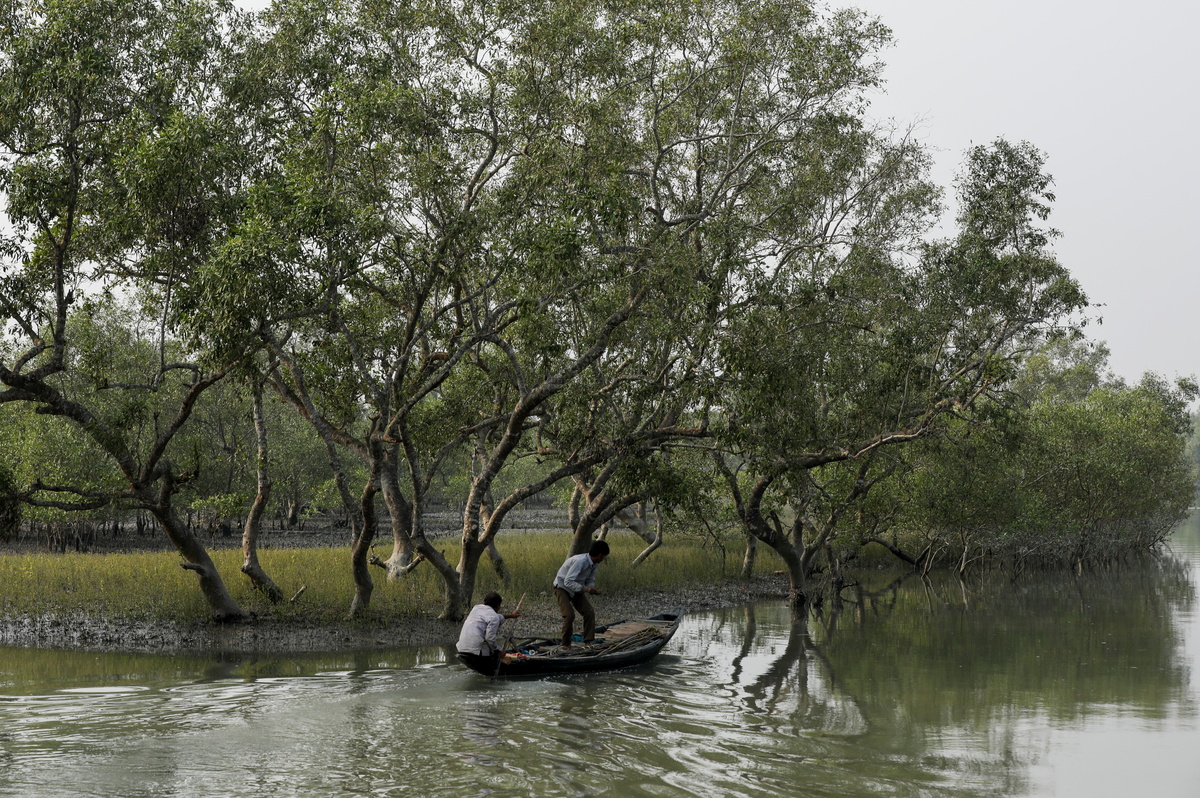
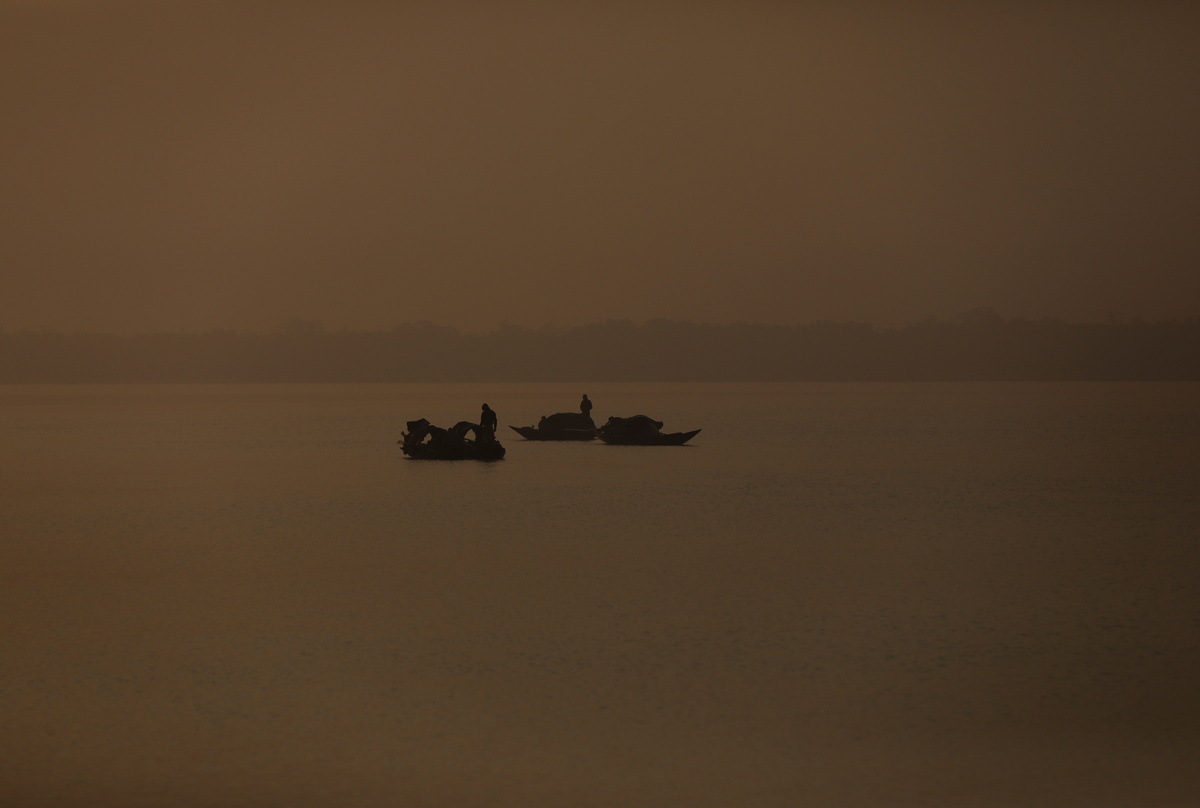
Men on a boat row past mangrove trees encircling the island of Satjelia in the Sundarbans, India, December 15, 2019. REUTERS/Anushree Fadnavis SEARCH "FADNAVIS SUNDARBANS" FOR THIS STORY. SEARCH "WIDER IMAGE" FOR ALL STORIES.
Almost all of the 2,000 rupees ($27) she makes each month to run her household and send her youngest daughter, Papri, to school comes from fishing and crabbing. Her elderly father and other relatives look after the girl while she is gone.
"If I don't go to the jungle, I won't have enough food to eat," Haldar told Reuters.
It is 11-year-old Papri who keeps Haldar on the Sundarbans rather than seeking work elsewhere. If she goes, there's no one to take care of the child, she said.
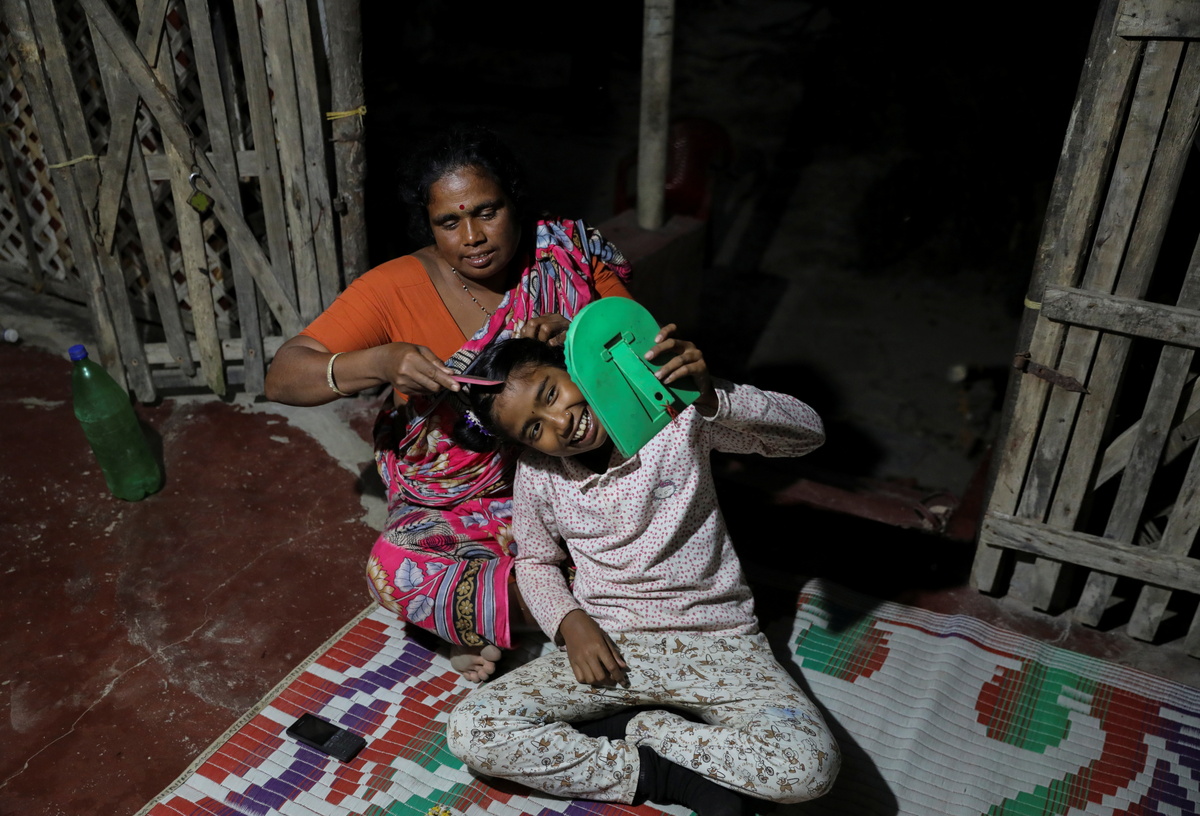
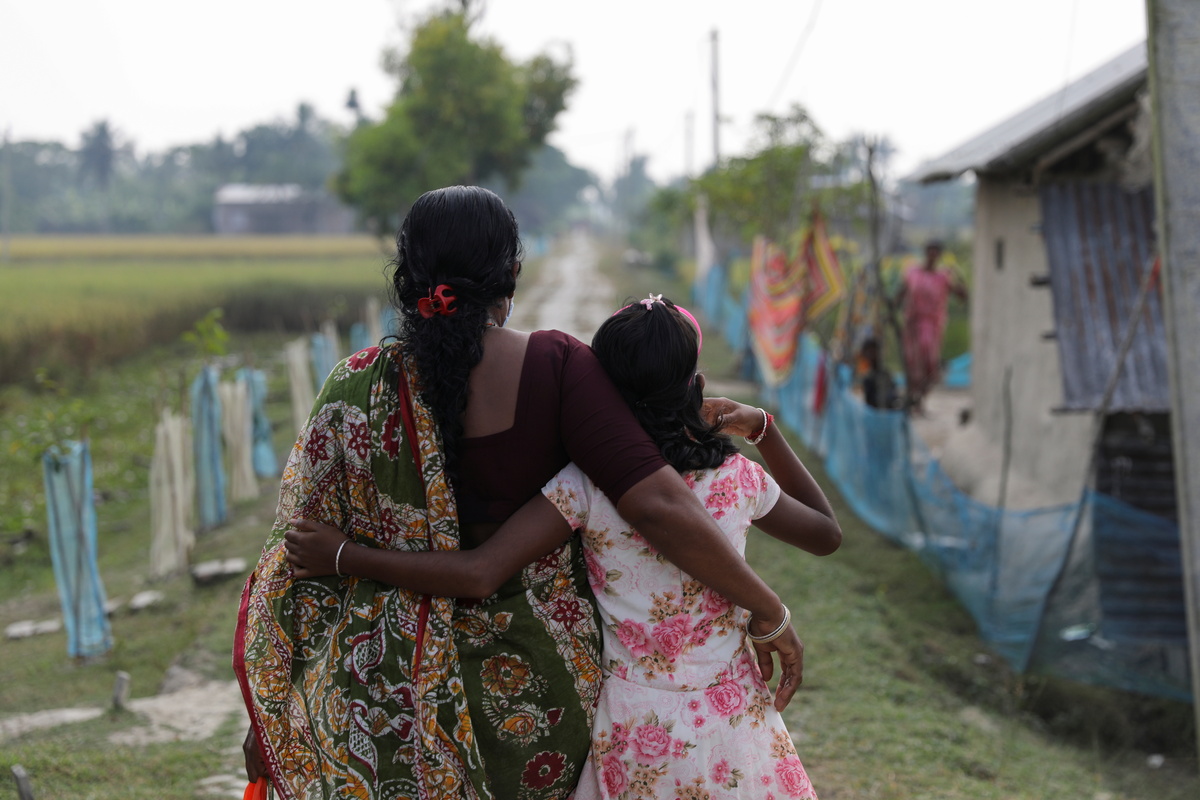
Parul Haldar, 39, whose husband died in a tiger attack during a fishing trip deep inside the forest, combs her 11-year-old daughter Papri Haldar's hair at their home on the island of Satjelia in the Sundarbans, India, November 20, 2020. Almost all of the 2,000 rupees ($27) Haldar makes each month to run her household and send Papri to school comes from fishing and crabbing. "No matter how hard it is, I want to educate her," said Haldar. REUTERS/Anushree Fadnavis SEARCH "FADNAVIS SUNDARBANS" FOR THIS STORY. SEARCH "WIDER IMAGE" FOR ALL STORIES.
"No matter how hard it is, I want to educate her."
STORMS RAGE
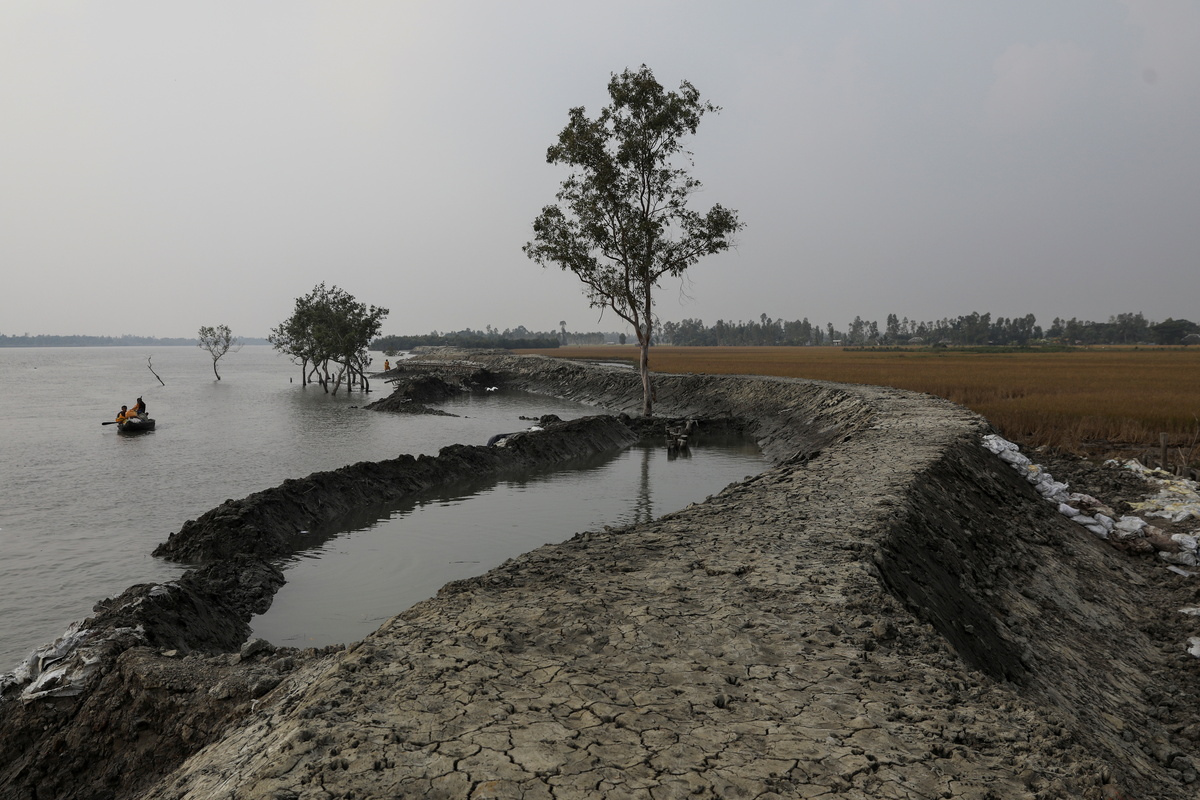
Life has been getting harder in the Sundarbans. Many of the islands lie below the high-tide water level, meaning homes and farms are often protected by earthen embankments that are frequently breached.
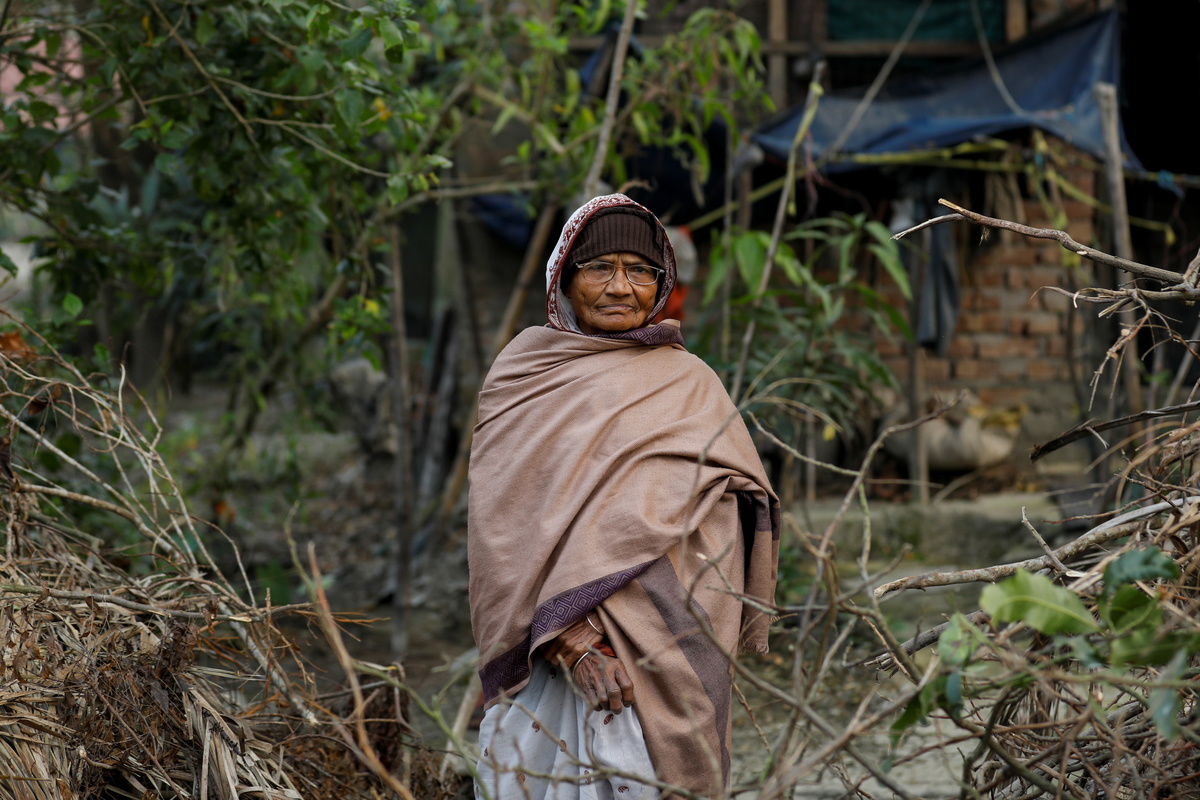
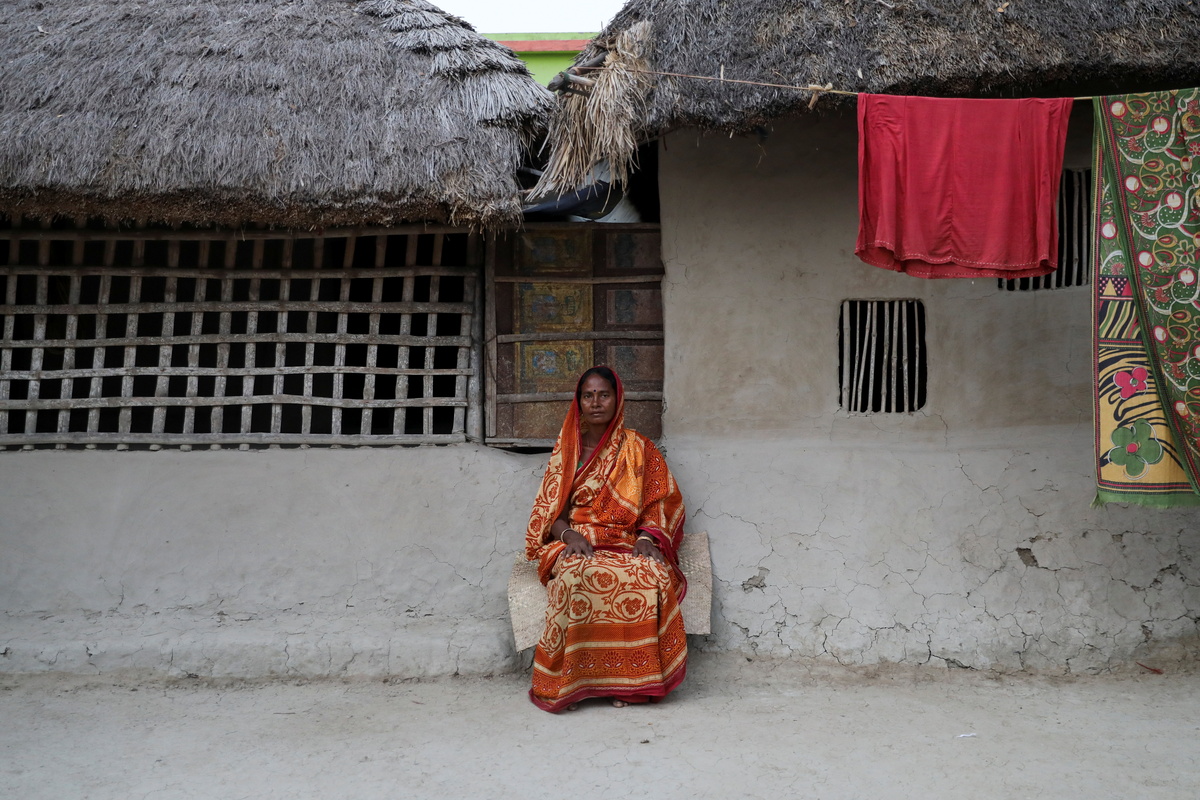
Subhadra haldar, 78, whose husband died due to a tiger attack, poses for a picture outside her home on the island of Gosaba in the Sundarbans, India, December 17, 2019. REUTERS/Anushree Fadnavis
With every rupture, rivers swallow up more land and inundate fields with saline water, wilting crops and rendering plots infertile for months.
And as climate change pushes up sea surface temperatures, the cyclonic storms that barrel in from the Bay of Bengal have become fiercer and more frequent, particularly in the last decade, researchers said.
An analysis of 1891-2010 data showed the Indian Sundarbans saw a 26% rise in tropical storms, with the frequency spiking in the last decade, according to a 2020 paper in the Environment, Development and Sustainability journal by researchers from the Jamia Millia Islamia university in New Delhi.
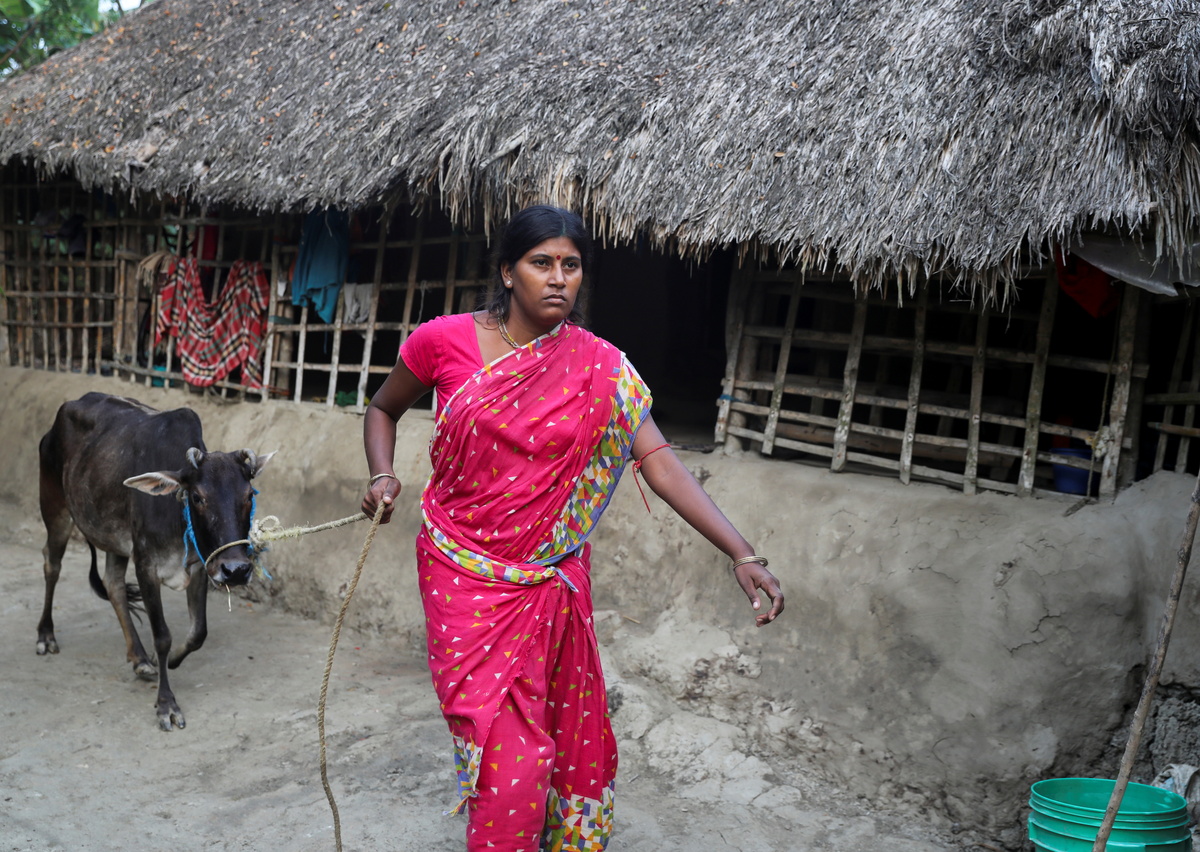
Ashtami Mondal, 30, whose 31-year-old husband Haripada, died in a tiger attack when he went fishing on the rivers encircling Kumirmari during a nationwide lockdown to prevent the spread of the coronavirus disease (COVID-19), wipes her nine-year-old son Himalesh Mondol's face at their home on the island of Kumirmari in the Sundarbans, India, November 19, 2020. Haripada, the sole breadwinner, returned home from a construction job in mid-March, his family said, days before India's government announced the nationwide lockdown. "He said he would go nearby to fish and make 50-100 rupees to help with household expenses," Ashtami said. He left home before dawn, rowed into the forests and was killed. "If there was no lockdown or no coronavirus, he would have left here to work." REUTERS/Anushree Fadnavis
These more powerful cyclones bring bigger storm surges which can smash through, or rise over embankments, causing widespread damage, a phenomenon not limited to the Sundarbans.
"I think the diverse environmental assaults we're seeing in the Sundarbans are also occurring in many coastal wetlands globally," said William Laurance, a Distinguished Research Professor at Australia's James Cook University.
"These ecosystems appear to be caught in a vicious vice - between rising sea levels and intensifying storms on the one side and rapid land-use change and intensifying human uses on the other."
Ashtami Mondal, 30, whose 31-year-old husband Haripada, died in a tiger attack when he went fishing on the rivers encircling Kumirmari during a nationwide lockdown to prevent the spread of the coronavirus disease (COVID-19), cleans utensils in a pond next to her home on the island of Kumirmari in the Sundarbans, India, November 19, 2020. Haripada, the sole breadwinner, returned home from a construction job in mid-March, his family said, days before India's government announced the nationwide lockdown. "He said he would go nearby to fish and make 50-100 rupees to help with household expenses," Ashtami said. He left home before dawn, rowed into the forests and was killed. "If there was no lockdown or no coronavirus, he would have left here to work." REUTERS/Anushree Fadnavis
In May, Cyclone Amphan crashed into the Sundarbans, bringing winds of 133 km (83 miles) per hour, killing dozens of people, flattening thousands of homes and destroying embankments. More damaging weather followed.
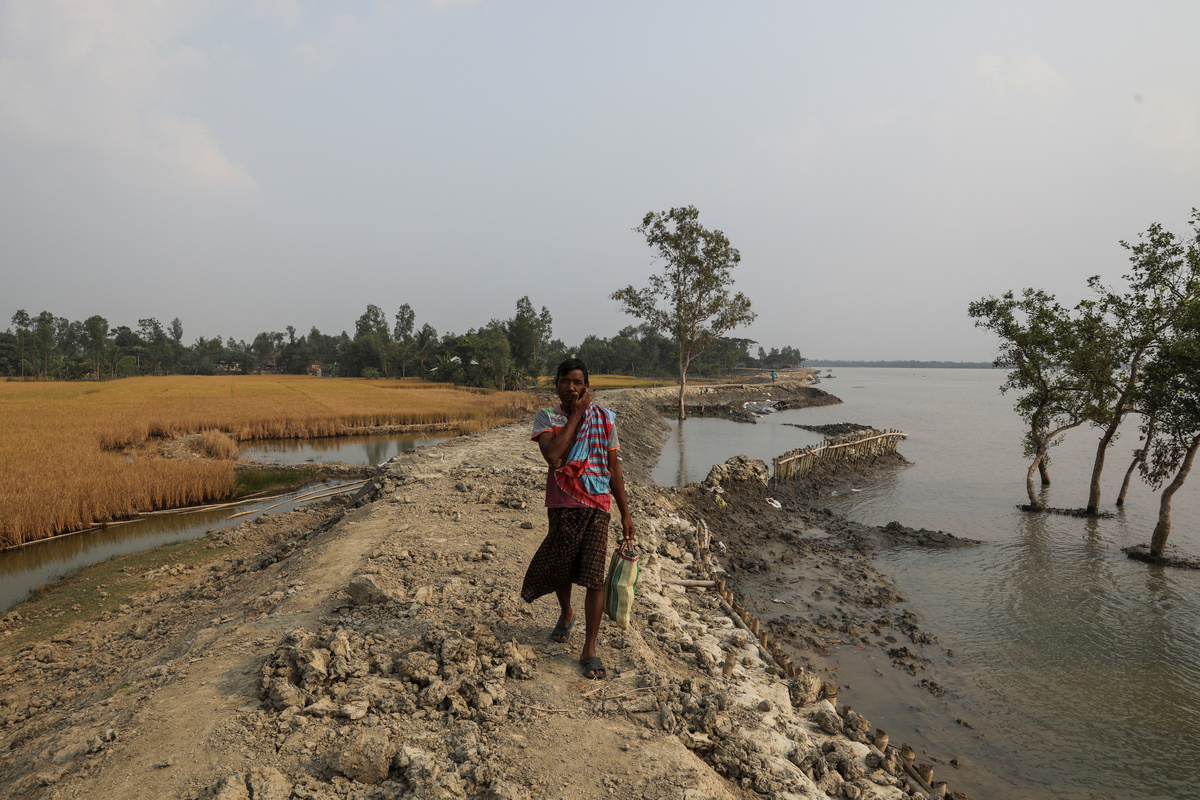
Walking over broken embankments on a southern corner of Kumirmari island, Nagin Munda stared down at his half-acre paddy field that had been flooded by saline water in October.
"I have no fish left in my pond, no vegetables in my garden, and half my paddy crop is gone," said the 50-year-old farmer.
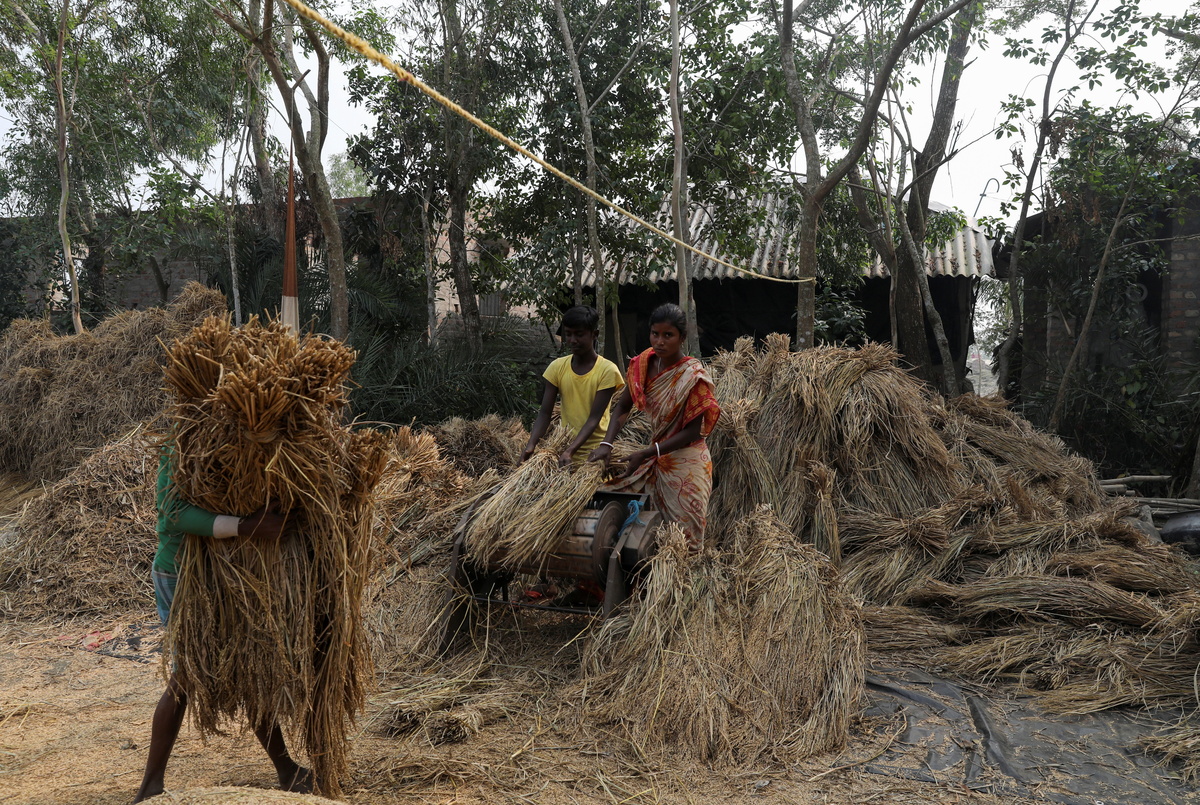
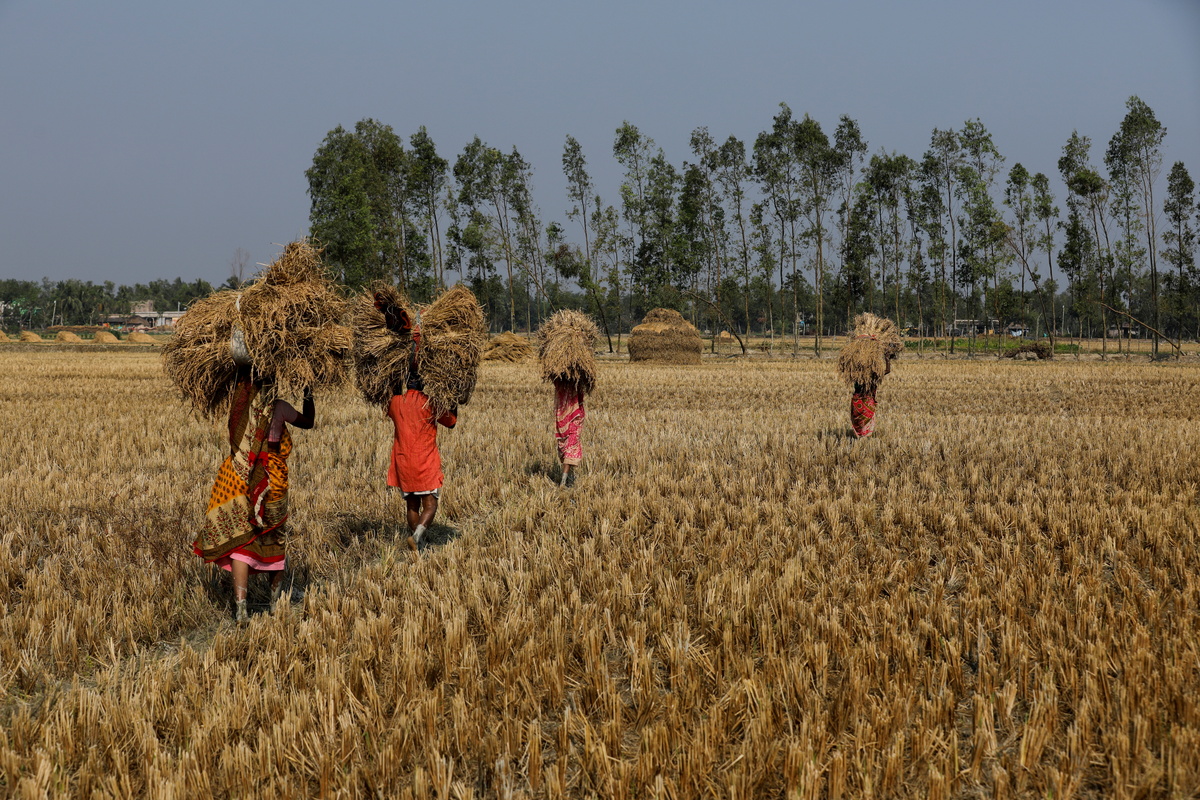
A woman and a boy harvest rice using a thresher machine on the island of Satjelia in the Sundarbans, India, December 15, 2019. REUTERS/Anushree Fadnavis
Across Kumirmari, some 250 acres of farmland were flooded last year, affecting more than 1,500 families, local government official Debashis Mandal said.
In recent decades, an estimated 1,000 acres - more than 15% of Kumirmari's total area - has been eroded away, Mandal said, making farm land even scarcer.
"We are not able to stop it," he said, "The river is eating away our land."
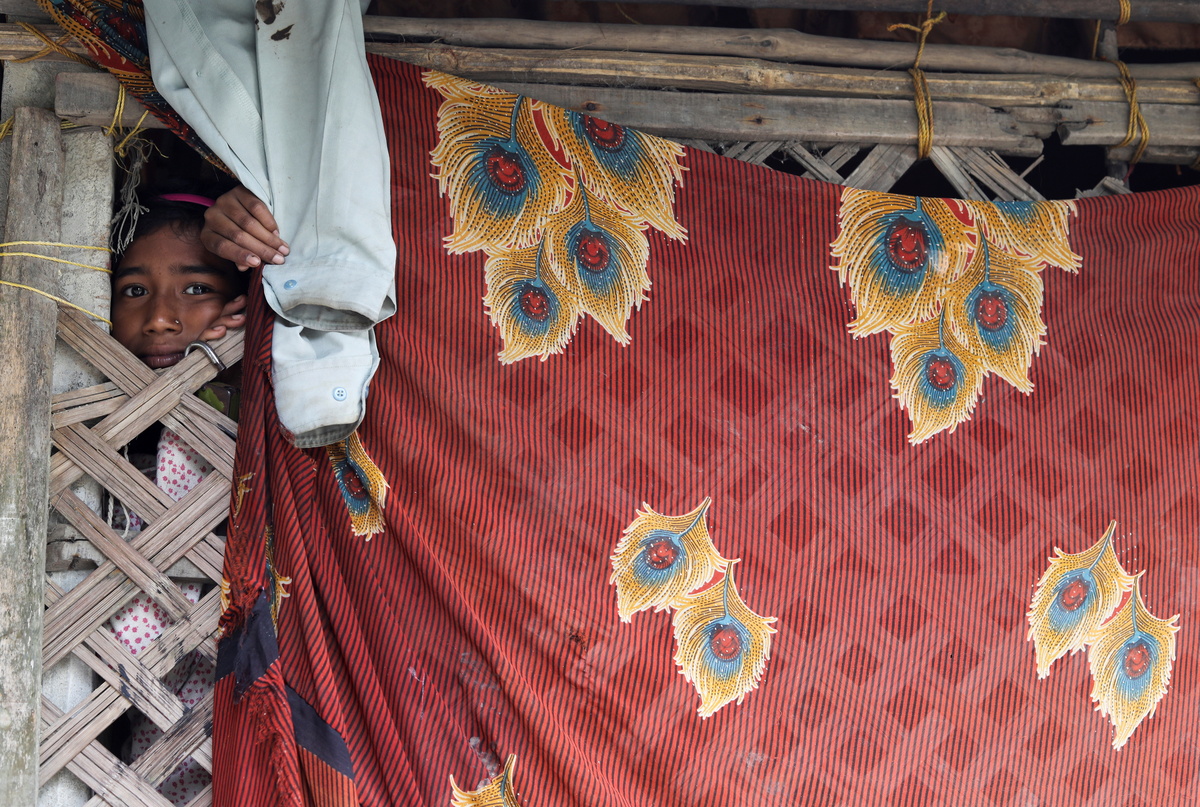
Papri Haldar, 11, whose father died in a tiger attack during a fishing trip deep inside the forest, peeps out of her home on the island of Satjelia in the Sundarbans, India, November 20, 2020. Almost all of the 2,000 rupees that Papri's mother Parul makes each month to run her household and send Papri to school comes from fishing and crabbing. REUTERS/Anushree Fadnavis REUTERS/Anushree Fadnavis
DEATH AT DAWN
According to the Sundarban Tiger Reserve's director, Tapas Das, five people have been killed by tigers in India's Sundarbans since April.
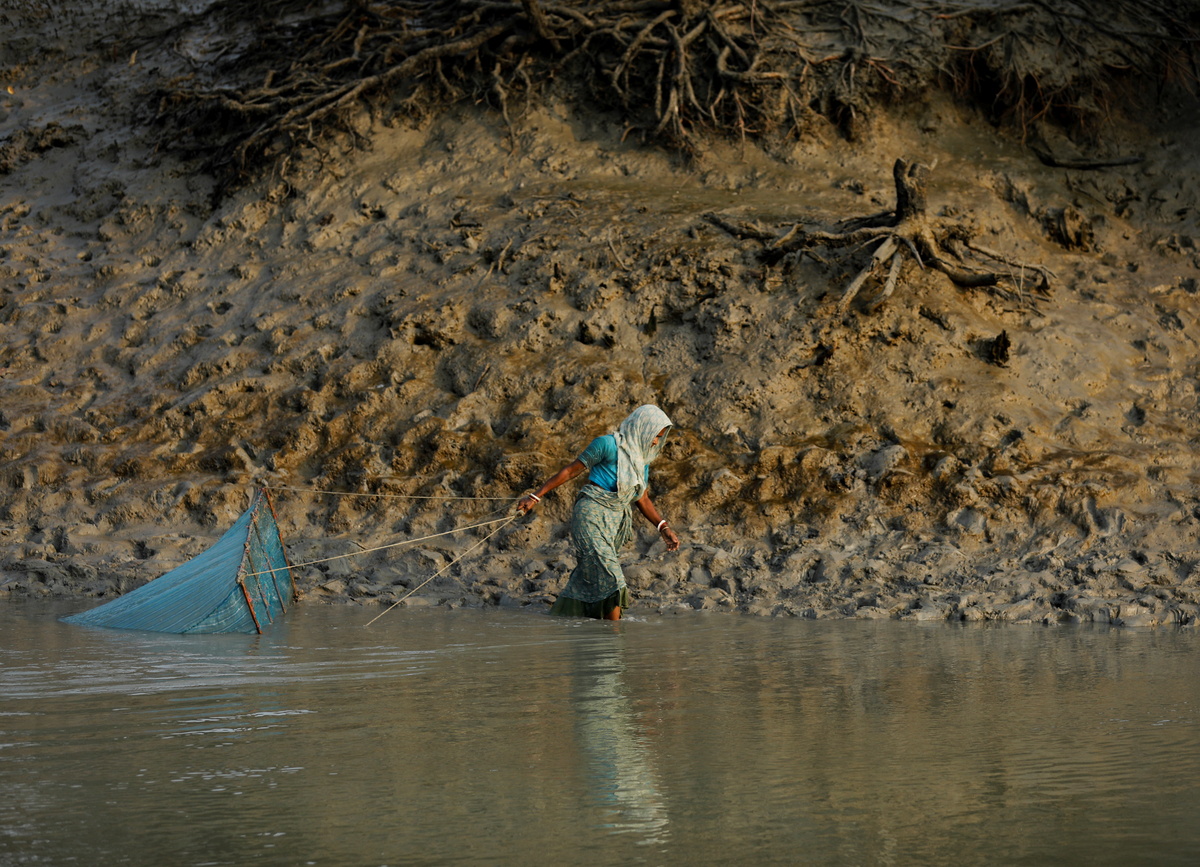
A woman fishes along the banks of a river near the island of Satjelia in the Sundarbans, India, December 16, 2019. REUTERS/Anushree Fadnavis
Local media, which closely follow such attacks, have reported up to 21 deaths last year, from 13 both in 2018 and 2019. Many attacks are not recorded, as families are reluctant to report them since it is illegal to go far into the forests.
"The number of reported cases of human wildlife conflict and fatalities are certainly alarming," said Anamitra Anurag Danda, a Senior Visiting Fellow with the Observer Research Foundation think-tank.
A new factor behind the increase has been the coronavirus pandemic, which trapped tens of thousands of people like the Mondal family on the Sundarbans when they would normally be earning money as labourers elsewhere in India.
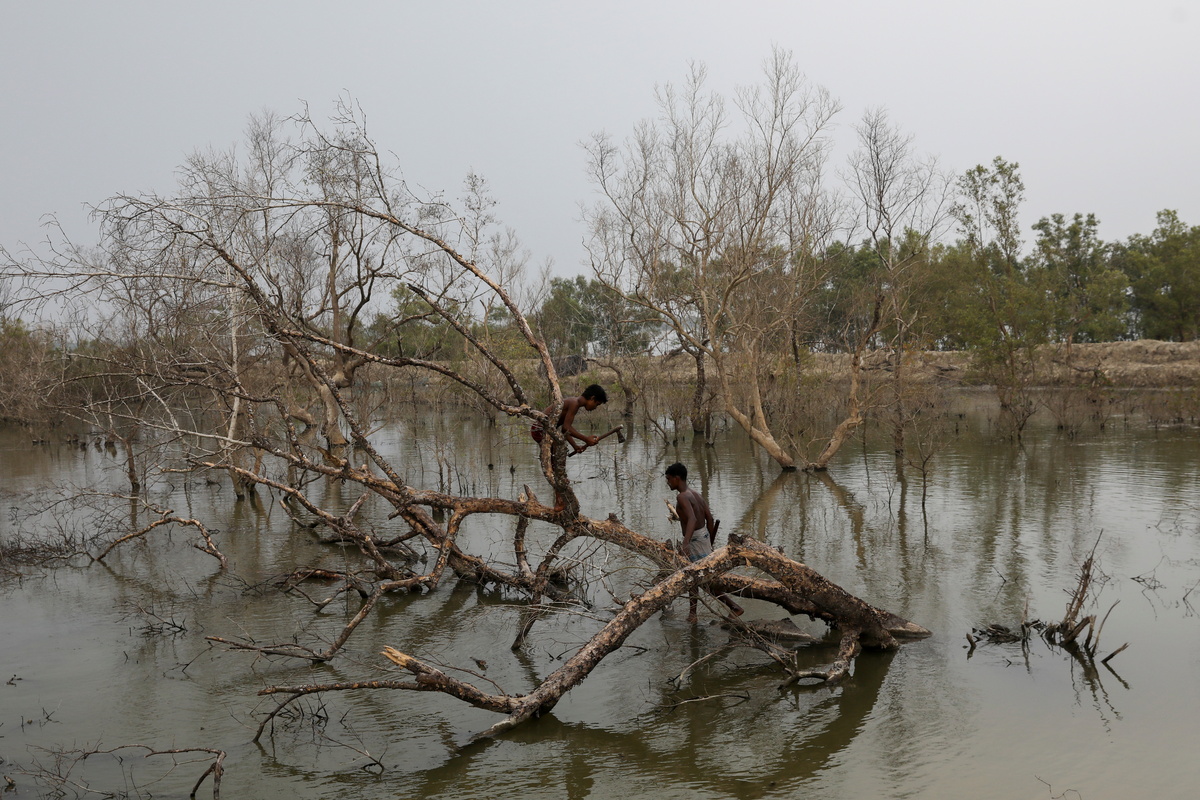
People cut branches off a dried mangrove tree encircling the island of Satjelia in the Sundarbans, India, November 20, 2020. REUTERS/Anushree Fadnavis
In late September, a group of more than 30 men left Kumirmari late in the morning and headed into the forest. Their mission was to collect the body of Haripada Mondal, 31, who had been attacked by a tiger during a fishing expedition.
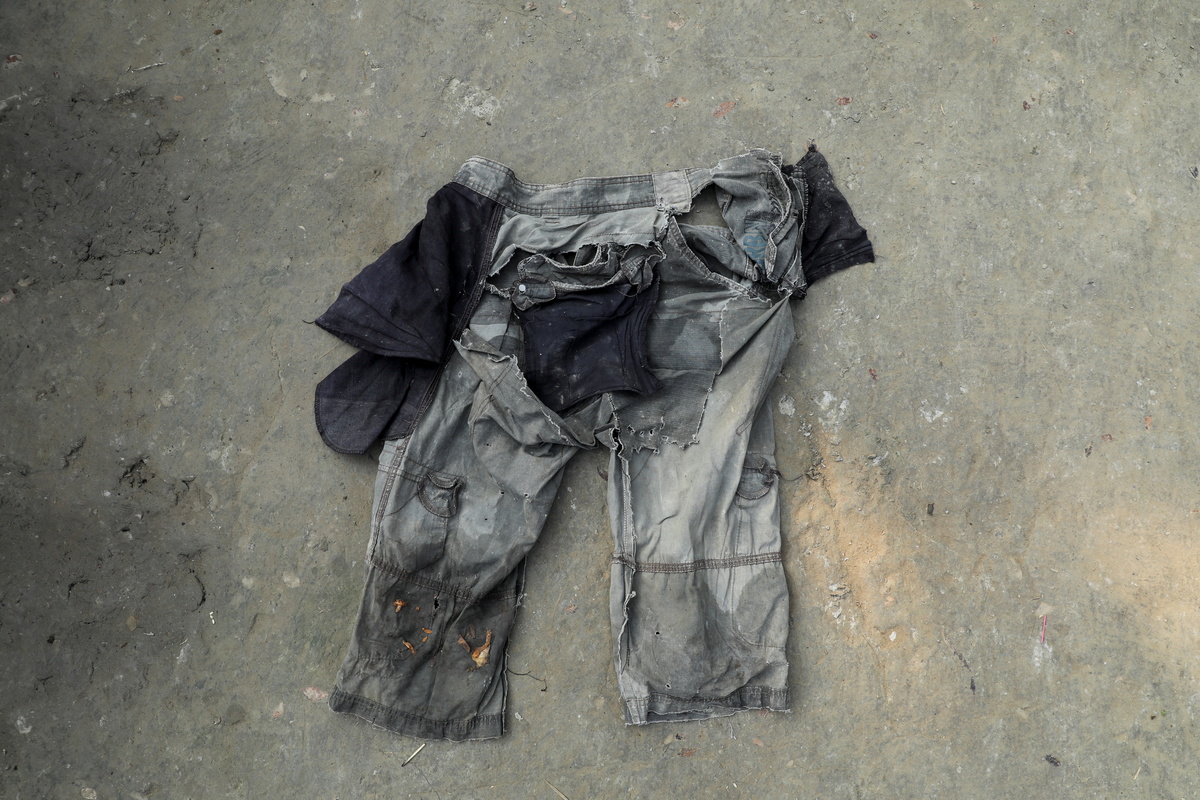
Guided by the fishermen who had accompanied Mondal on his fateful trip, the men first spotted a pair of red shorts caught in the mangrove trees, two members of the party said.
Following drag marks in the soft mud, the group went deeper into the woods, wielding sticks and bursting firecrackers to scare away any tigers, they added.
Ashtami Mondal, 30, whose 31-year-old husband Haripada, died in a tiger attack when he went fishing on the rivers encircling Kumirmari during a nationwide lockdown to prevent the spread of the coronavirus disease (COVID-19), takes her cow to graze, by her home on the island of Kumirmari in the Sundarbans, India, November 19, 2020. Haripada, the sole breadwinner, returned home from a construction job in mid-March, his family said, days before India's government announced the nationwide lockdown. "He said he would go nearby to fish and make 50-100 rupees to help with household expenses," Ashtami said. He left home before dawn, rowed into the forests and was killed. "If there was no lockdown or no coronavirus, he would have left here to work." REUTERS/Anushree Fadnavis
"I found his head first," said Mondal's eldest brother, Sunil. The rest of the body lay a few feet away.
The youngest of three brothers, Haripada Mondal, like others in his area, dropped out of school early to find work.
Most years he would leave the Sundarbans to work as an agricultural labourer in southern India and on construction sites near the eastern city of Kolkata, his brother-in-law Kamalesh Mondal said.
Parul Haldar, 39, whose husband died in a tiger attack during a fishing trip, and her daughter Papri Haldar, 11, walk on the island of Satjelia in the Sundarbans, India, November 20, 2020. Almost all of the 2,000 rupees ($27) Haldar makes each month to run her household and send Papri to school comes from fishing and crabbing. "No matter how hard it is, I want to educate her," said Haldar. REUTERS/Anushree Fadnavis
He grew a crop of paddy on a leased plot behind his small mud house, where he lived with wife Ashtami and a 9-year-old son.
"Life was okay," said Ashtami, 29. "We made ends meet."
Mondal, the sole breadwinner, returned home from a construction job in mid-March, his family said, days before India's government announced a nationwide lockdown to slow the spread of the coronavirus.
Nagin Munda, 50, a farmer, walks past an embankment on the island of Kumirmari in the Sundarbans, India, November 19, 2020. "I have no fish left in my pond, no vegetables in my garden, and half my paddy crop is gone," said Munda. REUTERS/Anushree Fadnavis
The lockdown halted much of the country's economy, stalling the informal sector that supports most migrant workers and sending millions back home, including to the Sundarbans.
For months, Mondal sat at home without work as savings dwindled until, desperate for money, he decided to go fishing on the rivers encircling Kumirmari, Ashtami said.
"He said he would go nearby to fish and make 50-100 rupees to help with household expenses," she said. He left home before dawn, rowed into the forests and was killed.
A boat rows past a broken embankment on the island of Kumirmari in the Sundarbans, India, November 19, 2020. REUTERS/Anushree Fadnavis
"If there was no lockdown or no coronavirus, he would have left here to work."
(Additional reporting by Ruma Paul in Dhaka; Editing by Mike Collett-White)
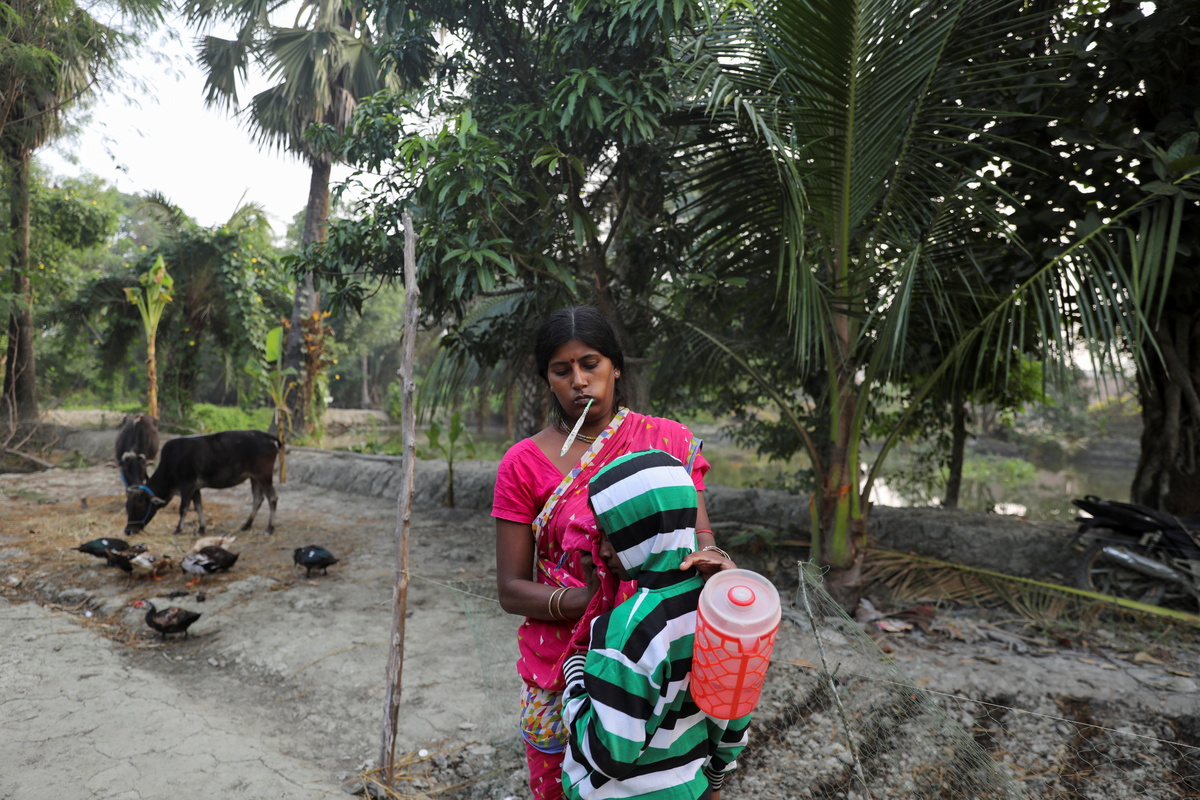
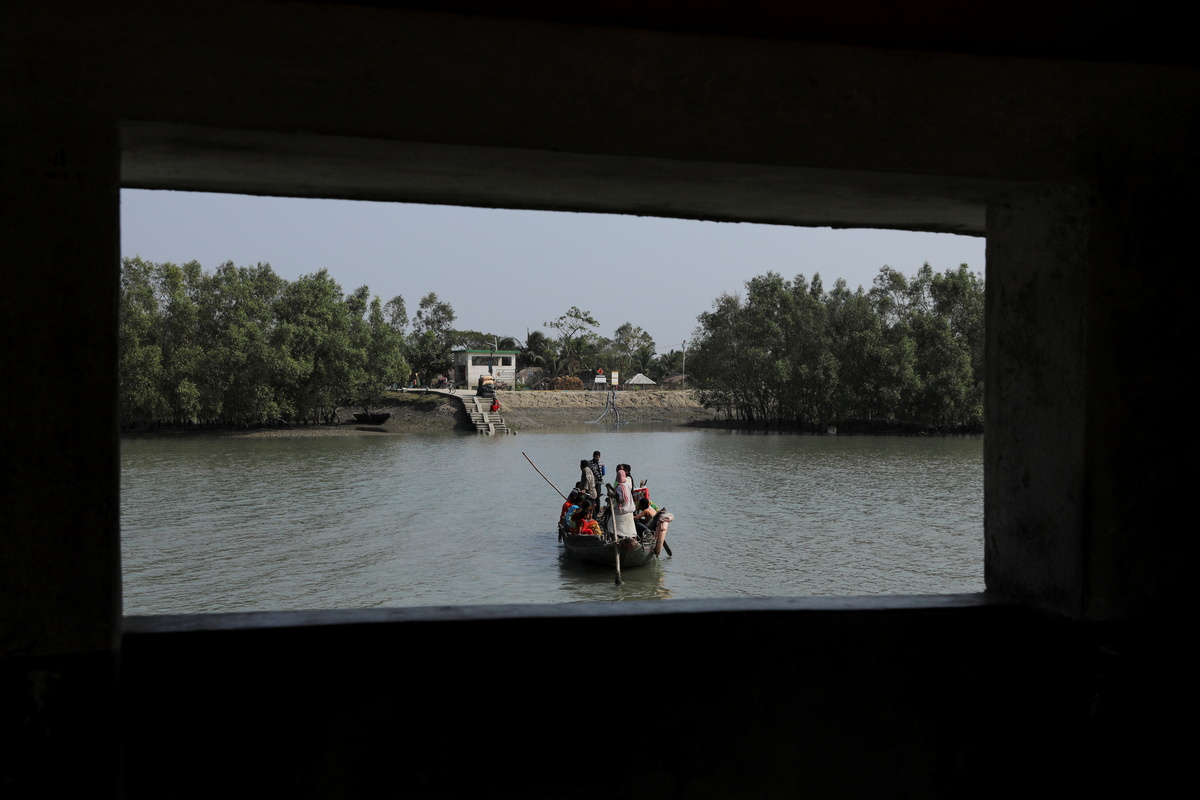
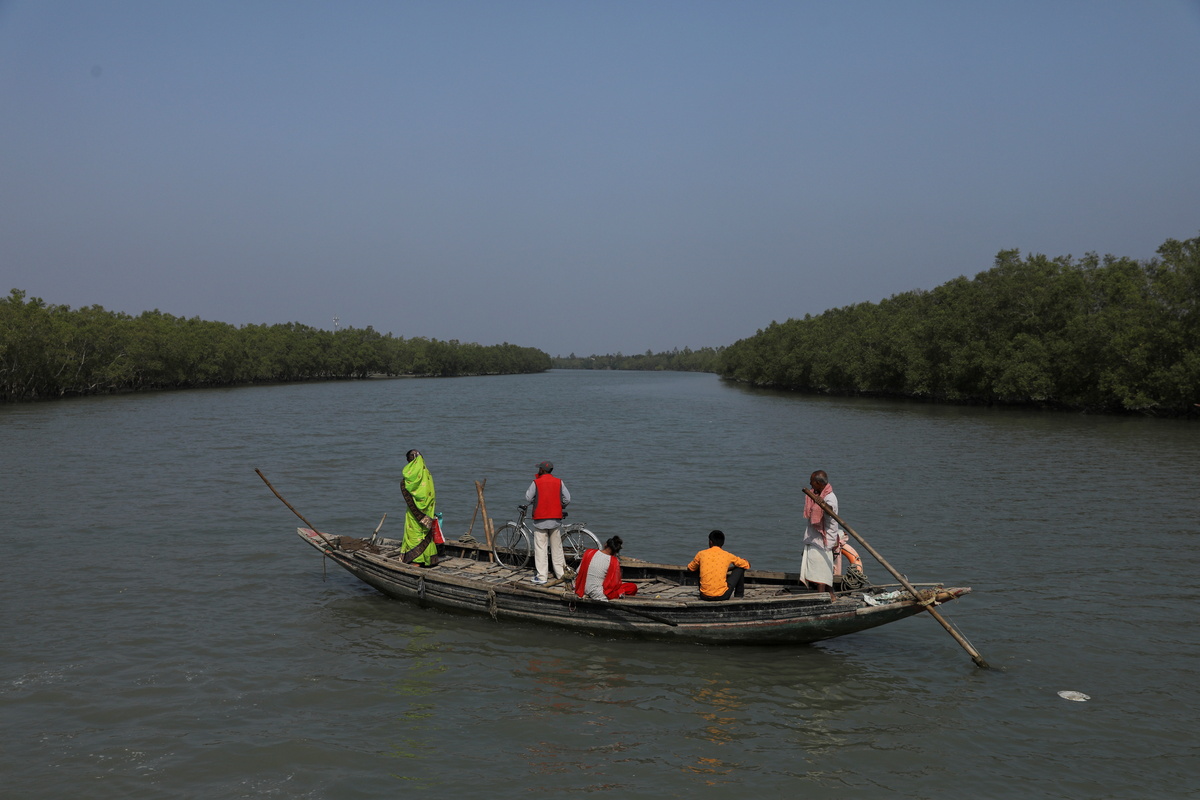
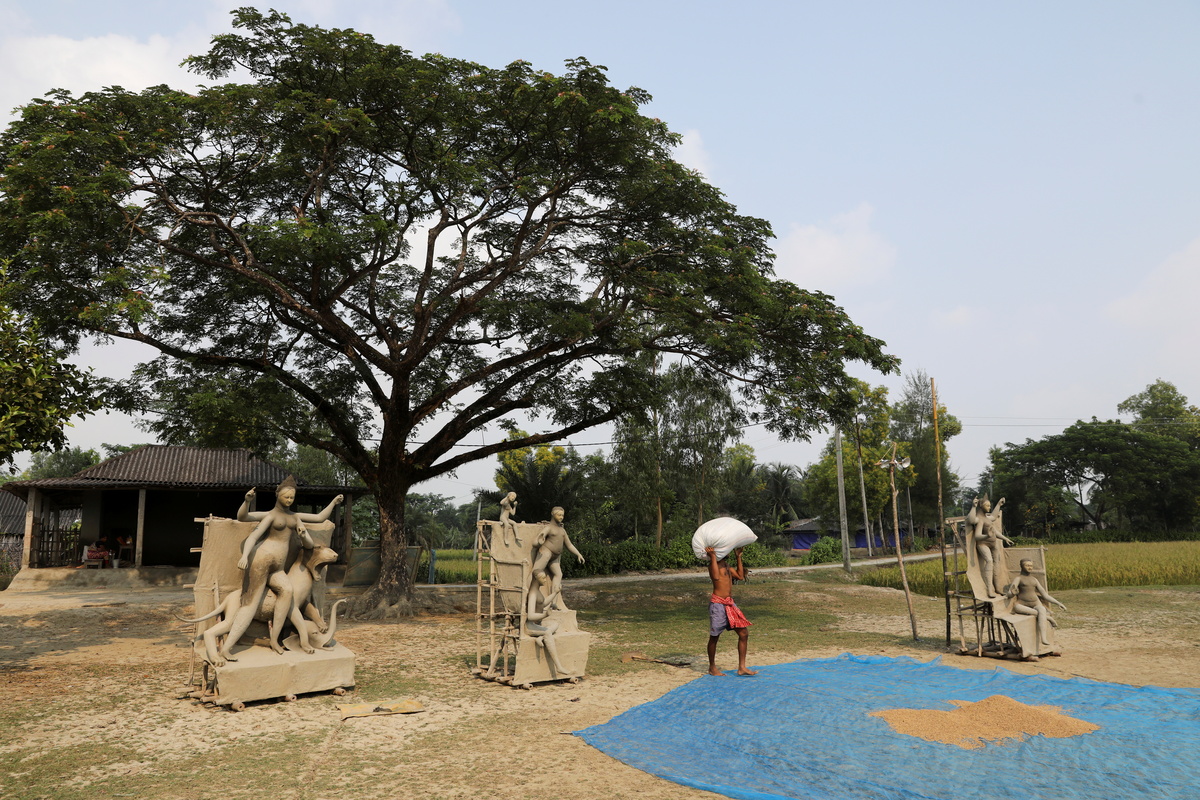
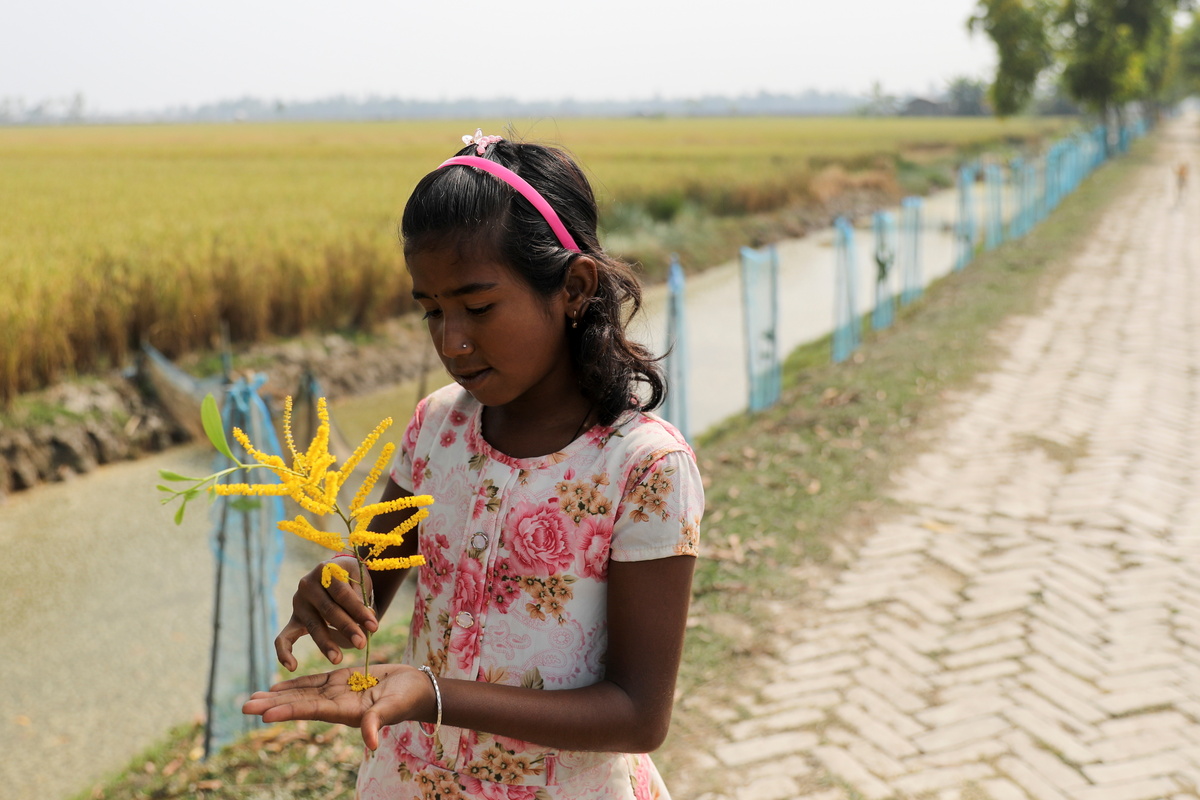
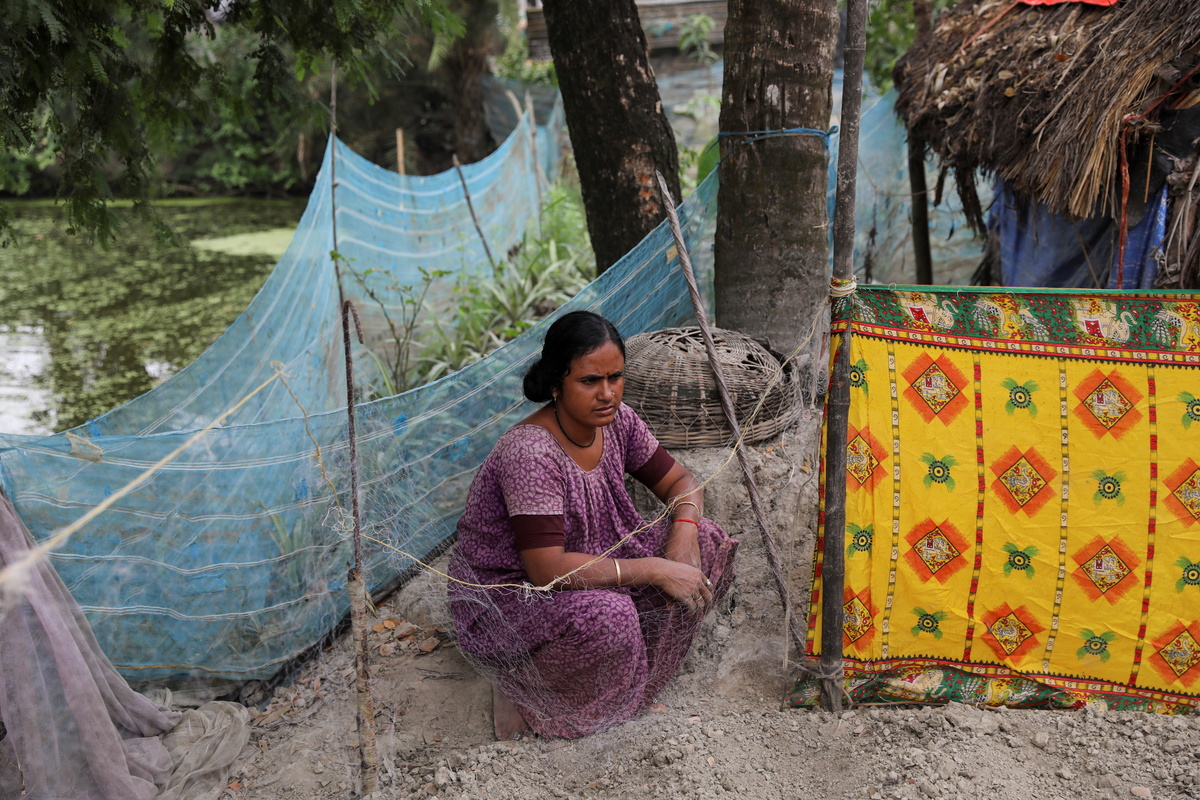
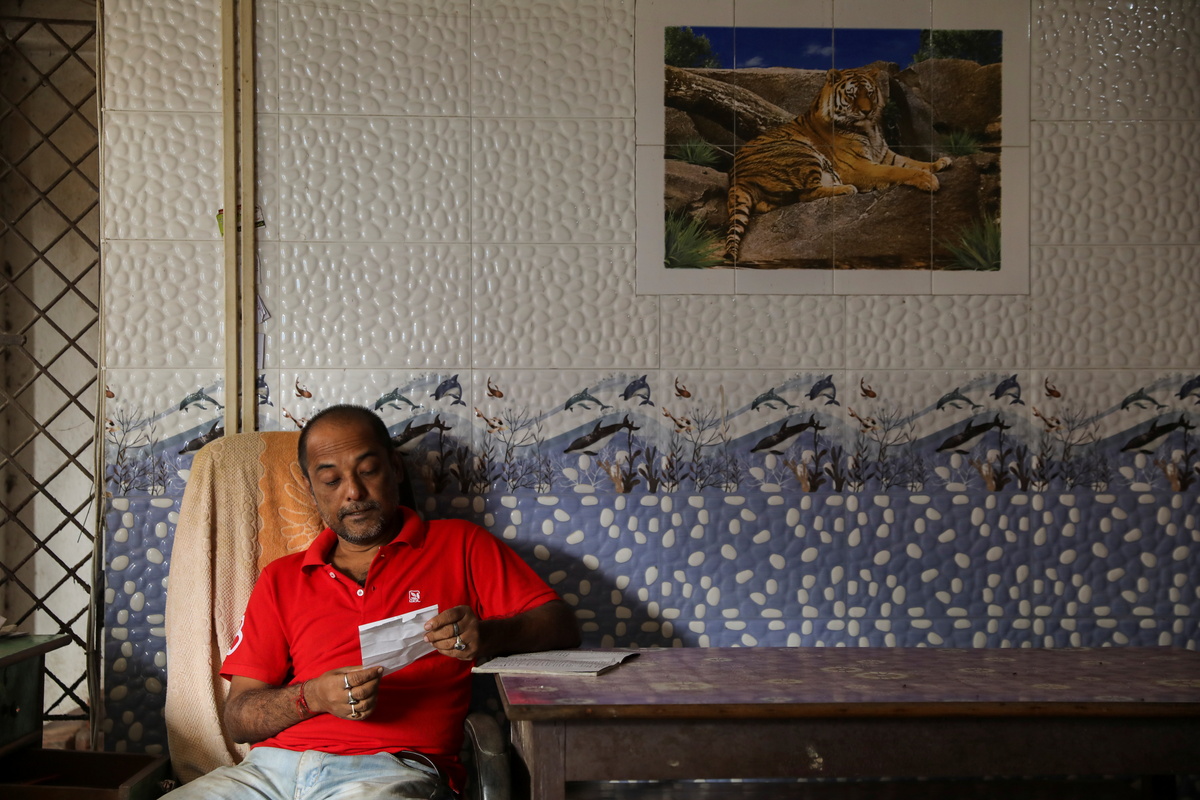
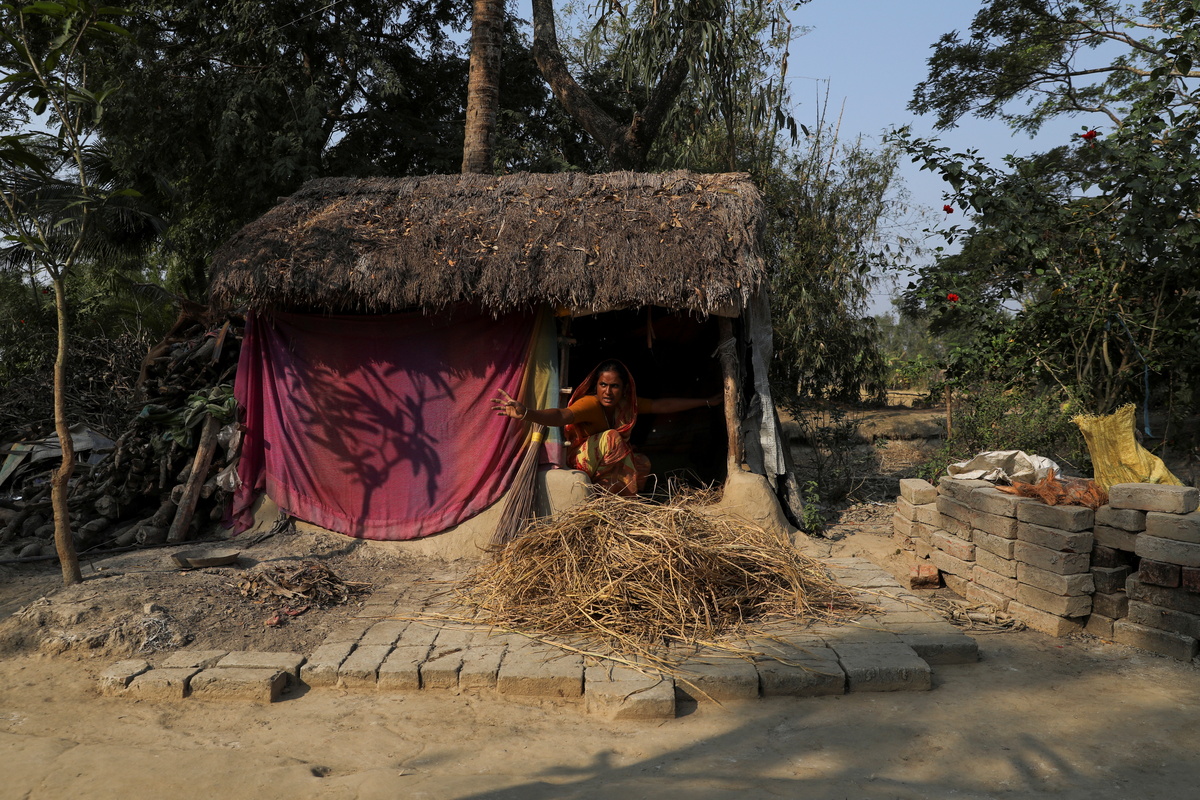
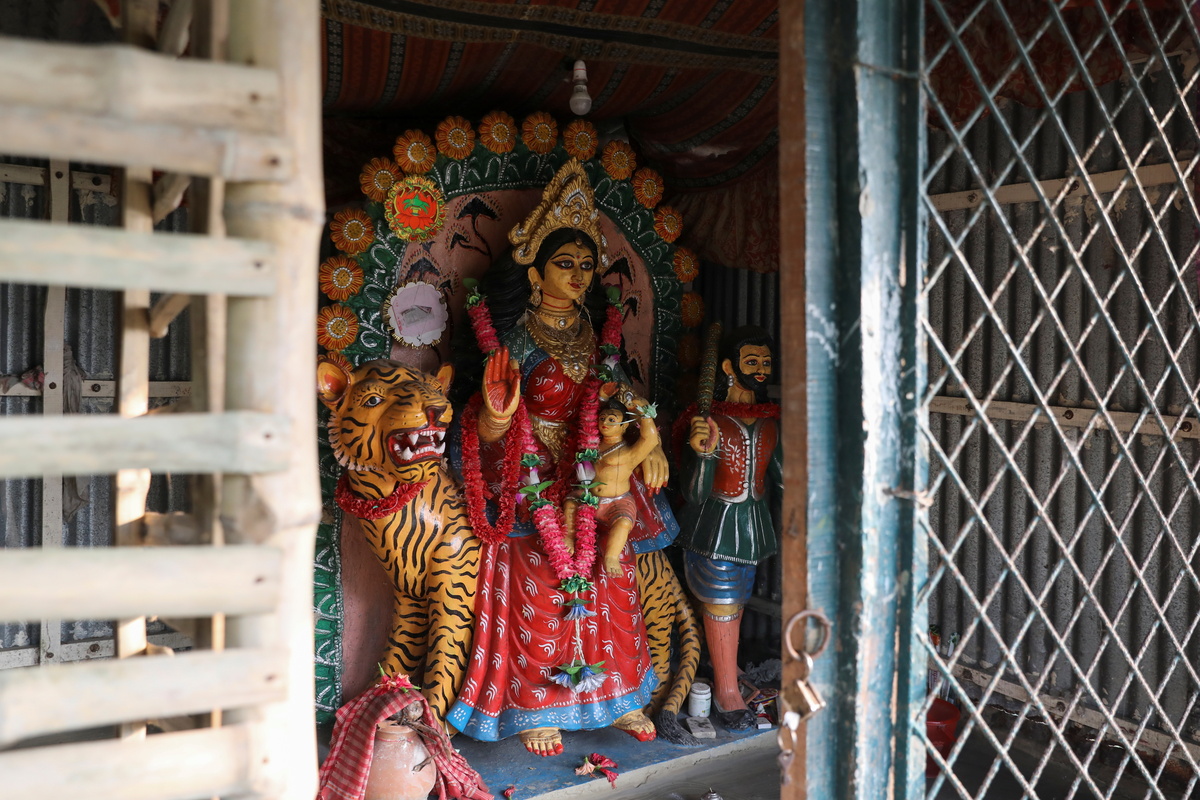
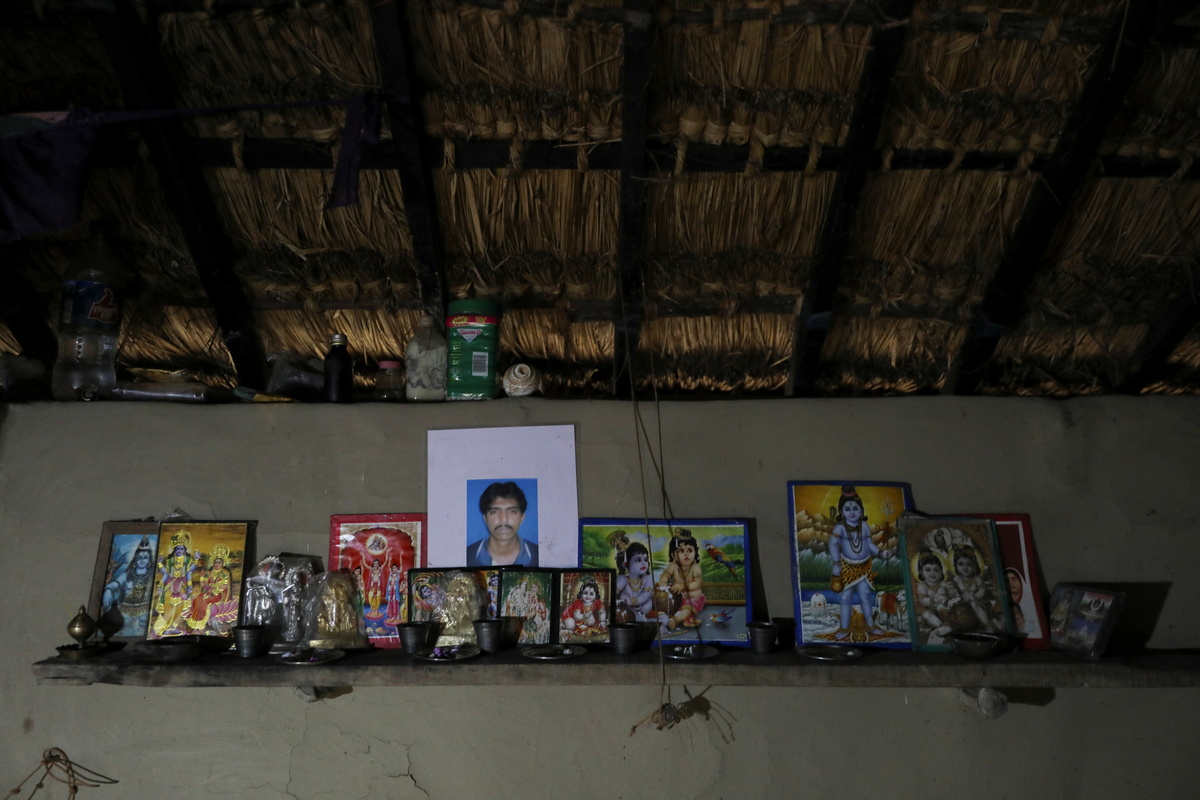
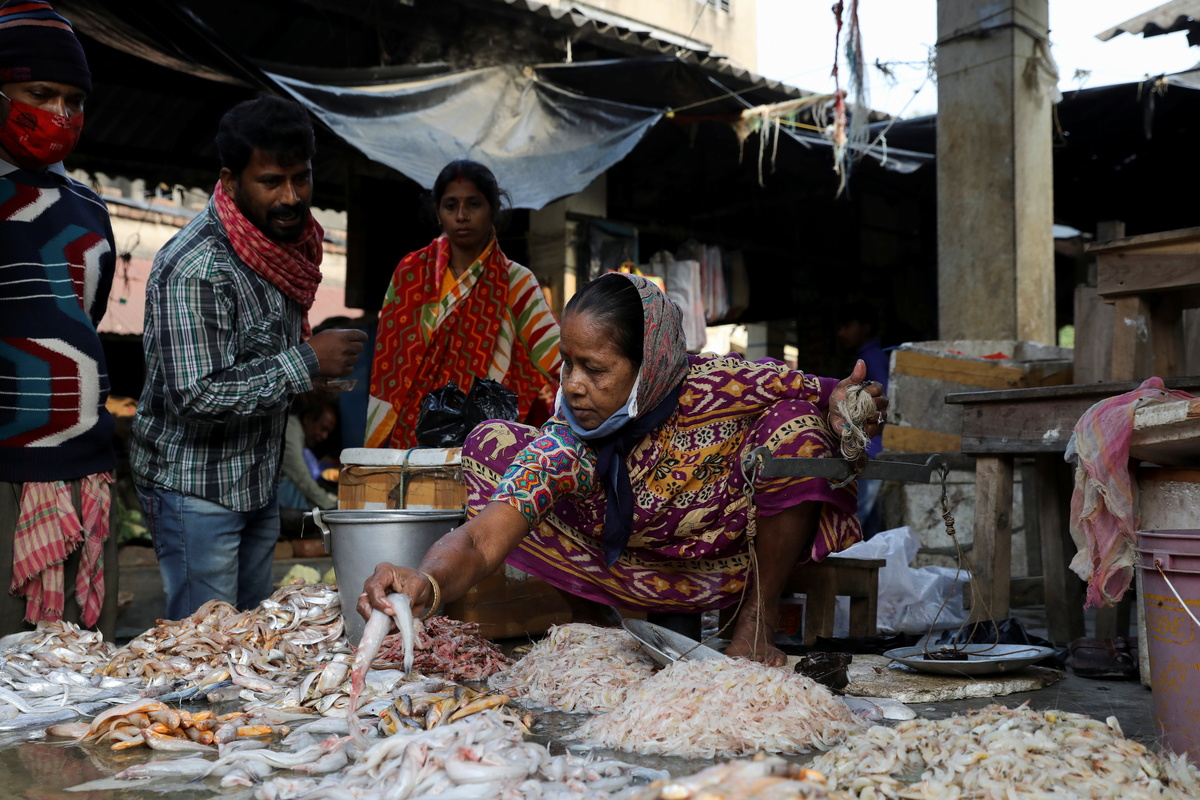
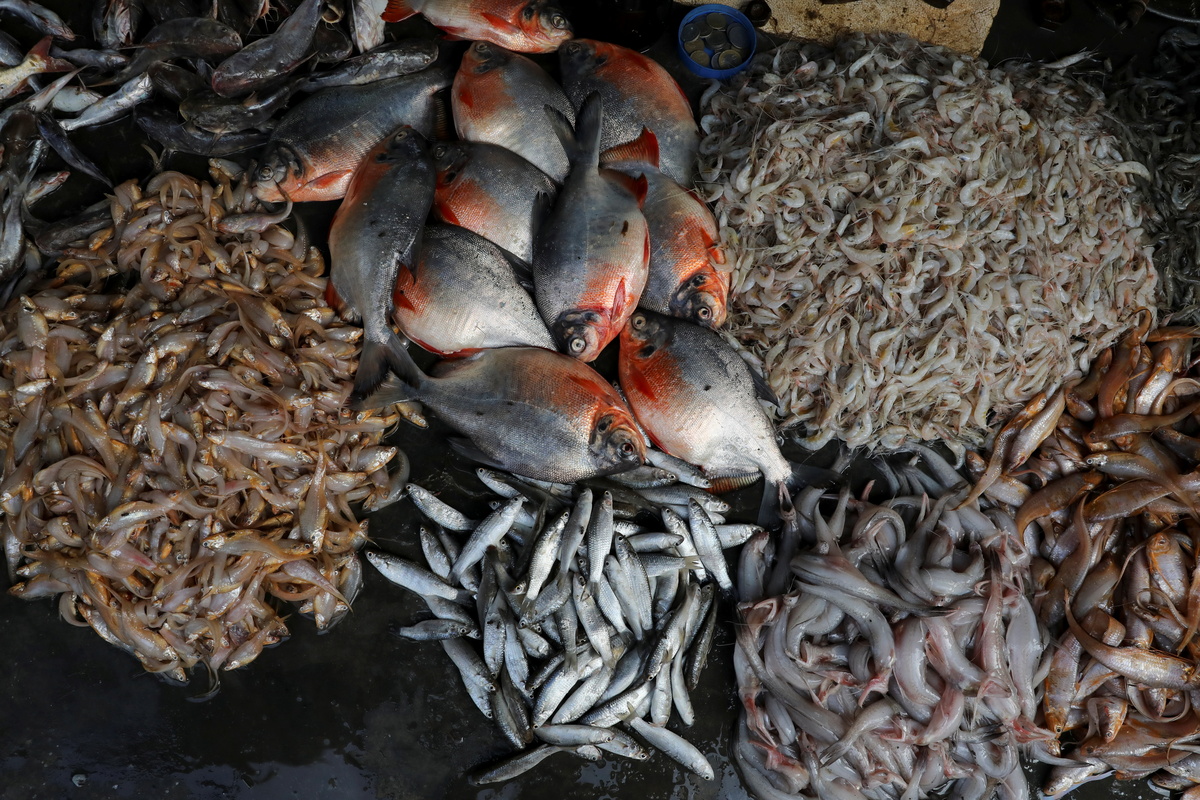
A boat ferrying people across the islands passes a window near the island of Satjelia in the Sundarbans, India, December 16, 2019. REUTERS/Anushree Fadnavis People travel on a boat near the island of Satjelia in the Sundarbans, India, December 16, 2019. REUTERS/Anushree Fadnavis Parul Haldar, 39, whose husband died in a tiger attack during a fishing trip deep inside the forest, reacts while sorting out fish that was laid out in a net by her family, on the island of Satjelia in the Sundarbans, India, November 20, 2020. "If I don't go to the jungle, I won't have enough food to eat," said Haldar who travels deeper into the forests twice a month to catch crabs, rowing six hours on a rickety boat along with her mother and staying in the undergrowth for several days. REUTERS/Anushree Fadnavis Parul Haldar, 39, whose husband died in a tiger attack during a fishing trip deep inside the forest, and her daughter Papri Haldar, 11, sit together outside their home on the island of Satjelia in the Sundarbans, India, November 20, 2020. Almost all of the 2,000 rupees ($27) Haldar makes each month to run her household and send Papri to school comes from fishing and crabbing. "No matter how hard it is, I want to educate her," said Haldar. REUTERS/Anushree Fadnavis A man carries a sack of harvested rice on the island of Satjelia in the Sundarbans, India, November 20, 2020. REUTERS/Anushree Fadnavis Papri Haldar, 11, whose father died in a tiger attack during a fishing trip deep inside the forest, holds flowers in her hands on the island of Satjelia in the Sundarbans, India, November 20, 2020. Almost all of the 2,000 rupees that Papri's mother Parul makes each month to run her household and send Papri to school comes from fishing and crabbing. REUTERS/Anushree Fadnavis REUTERS/Anushree Fadnavis Namita Mondal, 32, whose husband died due to a tiger attack, sits by her home on the island of Satjelia in the Sundarbans, India, November 21, 2020. REUTERS/Anushree Fadnavis A man reads a piece of paper at a restaurant on the island of Gosaba in the Sundarbans, India, November 22, 2020. REUTERS/Anushree Fadnavis Namita Mondal, 32, whose husband died due to a tiger attack, gestures as she calls out to a family member from her home on the island of Satjelia in the Sundarbans, India, December 16, 2019. REUTERS/Anushree Fadnavis A Bonobibi shrine, a goddess who is worshipped by the local people and fisher folks before entering the forest, stands on the island of Gosaba in the Sundarbans, India, November 22, 2020. REUTERS/Anushree Fadnavis A photograph of Manoj Mondol, Namita Mondal's husband who died due to a tiger attack, sits on a shelf in Mondol's home on the island of Satjelia in the Sundarbans, India, November 21, 2020. REUTERS/Anushree Fadnavis Namita Mondal, 32, whose husband died due to a tiger attack, talks on her mobile phone near her home on the island of Satjelia in the Sundarbans, India, December 16, 2019. REUTERS/Anushree Fadnavis Arti Mondal, 70, whose husband died due to a tiger attack around 20 years ago, carries a stack of harvested paddy on her head as she works on a field on the island of Satjelia in the Sundarbans, India, December 16, 2019. REUTERS/Anushree Fadnavis People go fishing on a river near the island of Satjelia in the Sundarbans, India, December 16, 2019. REUTERS/Anushree Fadnavis Trousers belonging to Manoj Mondal, that were recovered after Mondal was attacked by a tiger, lie on the floor of his home on the island of Satjelia in the Sundarbans, India, December 16, 2019. REUTERS/Anushree Fadnavis Sarodini Mondal, 52, whose husband died due to a tiger attack, poses for a photograph outside her home on the island of Satjelia in the Sundarbans, India, December 15, 2019. REUTERS/Anushree Fadnavis A woman sells fish at a market on the island of Gosaba in the Sundarbans, India, November 22, 2020. REUTERS/Anushree Fadnavis Fish are displayed at a market on the island of Gosaba in the Sundarbans, India, November 22, 2020. REUTERS/Anushree Fadnavis
Sign up to read this article
Read news from 100’s of titles, curated specifically for you.