Get all your news in one place.
100’s of premium titles.
One app.
Start reading
Reuters
Reuters
Environment
Sybille de La Hamaide

Three years too short to replace glyphosate, French farmers say

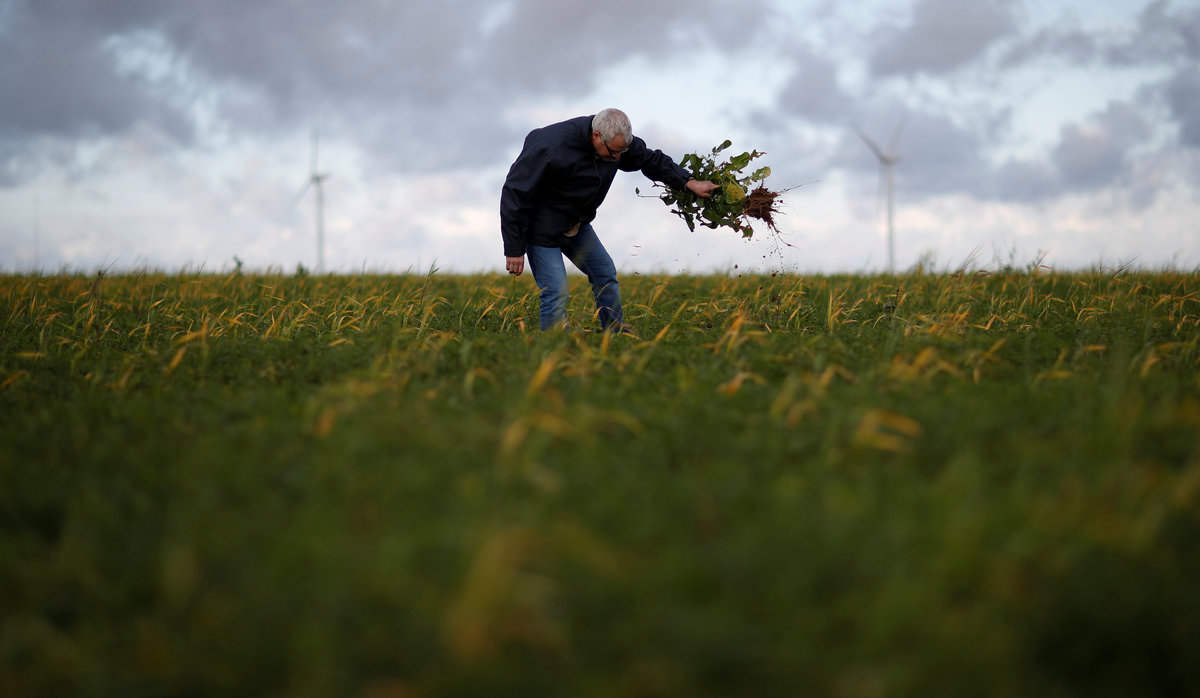
French farmer Marc Leprince pulls up a dead weed in an alfalfa field non-treated with weedkillers during an interview with Reuters in Greneville-en-Beauce, France, November 30, 2017. Picture taken November 30, 2017. REUTERS/Christian Hartmann

NIOVILLE, France (Reuters) - President Emmanuel Macron's promise to rid France of controversial weedkiller glyphosate within three years has left some farmers in the European Union's largest grain producing country on edge.

After intense debate, the EU this week cleared U.S.-developed glyphosate for another five years despite concerns that the most widely used pesticide in the world can cause cancer.
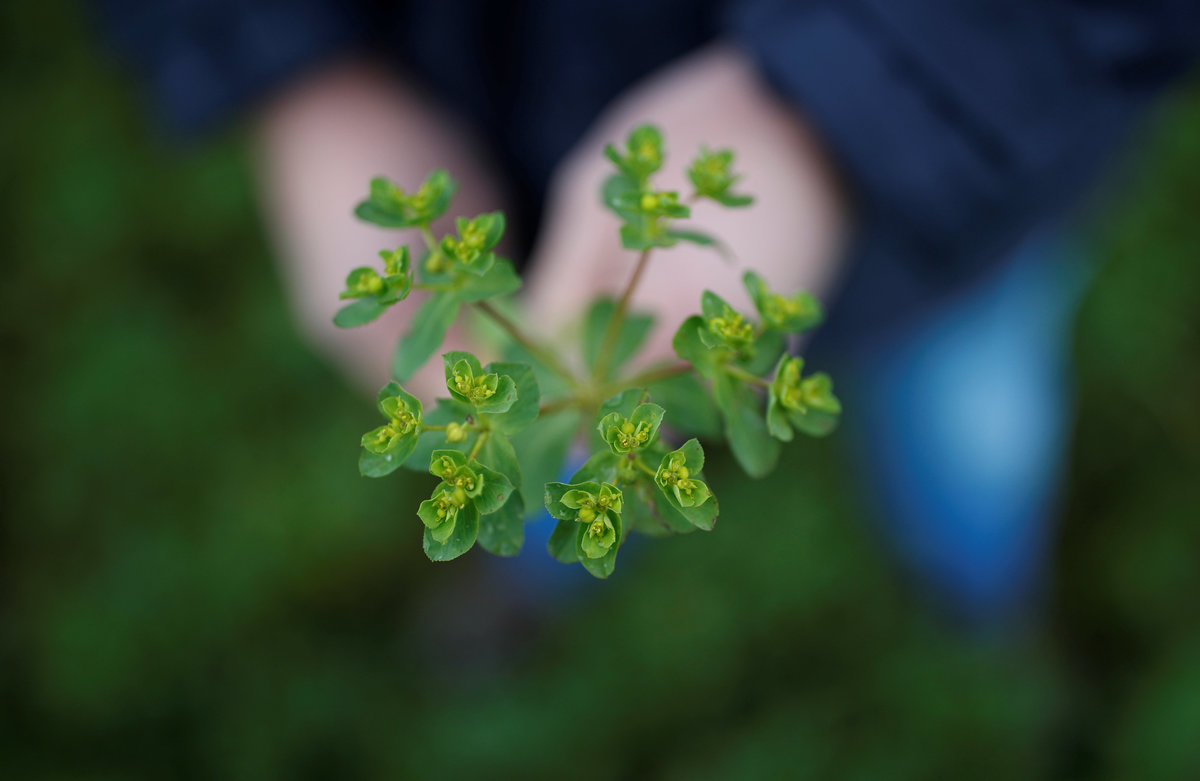
French farmer Marc Leprince shows a dead weed in an alfalfa field non-treated with weedkillers during an interview with Reuters in Greneville-en-Beauce, France, November 30, 2017. Picture taken November 30, 2017. REUTERS/Christian Hartmann

EU rules allow France to unilaterally ban the substance, however, an approach Macron has decided to take. He has given farmers and researchers three years to come up with an alternative.

"Three years is too short," said Herve Fouassier, 45, who runs a 200-hectare farm in Loiret, south of Paris.

Like French farm unions, Fouassier does not believe a solution can be found in time.
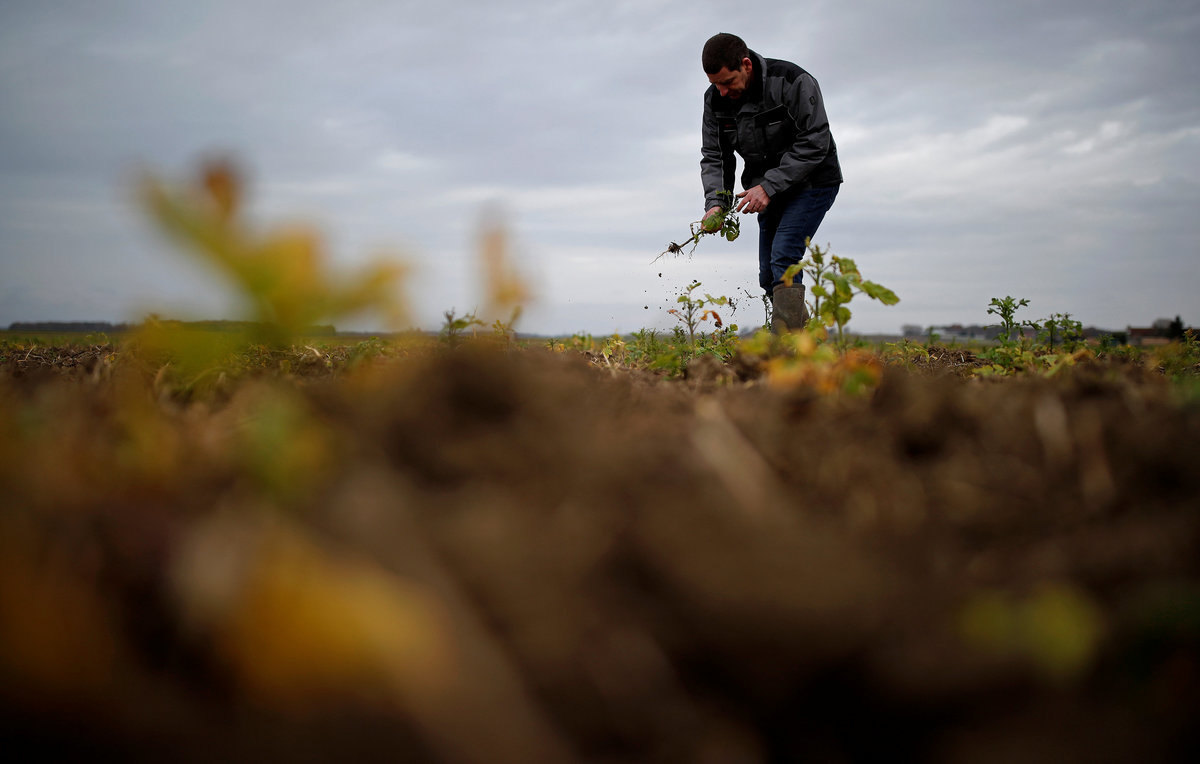
French farmer Herve Fouassier pulls up a dead weed as he demonstrates the impact of using the weedkiller glyphosate in a mustard field during an interview with Reuters in Ouzouer-sous-Bellegarde, France, November 30, 2017. Picture taken November 30, 2017. REUTERS/Christian Hartmann

"We are ready to hear the wishes of society which wants less use of crop protection products, but give us a little time to adapt," he said, standing in a mustard field treated with glyphosate.

French crop growers said this week even five years is insufficient time because there is currently no alternative economically and environmentally viable alternative to the weedkiller.

Glyphosate was developed by U.S. chemical maker Monsanto under the brand Roundup. It is now off-patent and marketed worldwide by dozens of other chemical groups including Syngenta and Dow Agrosciences.
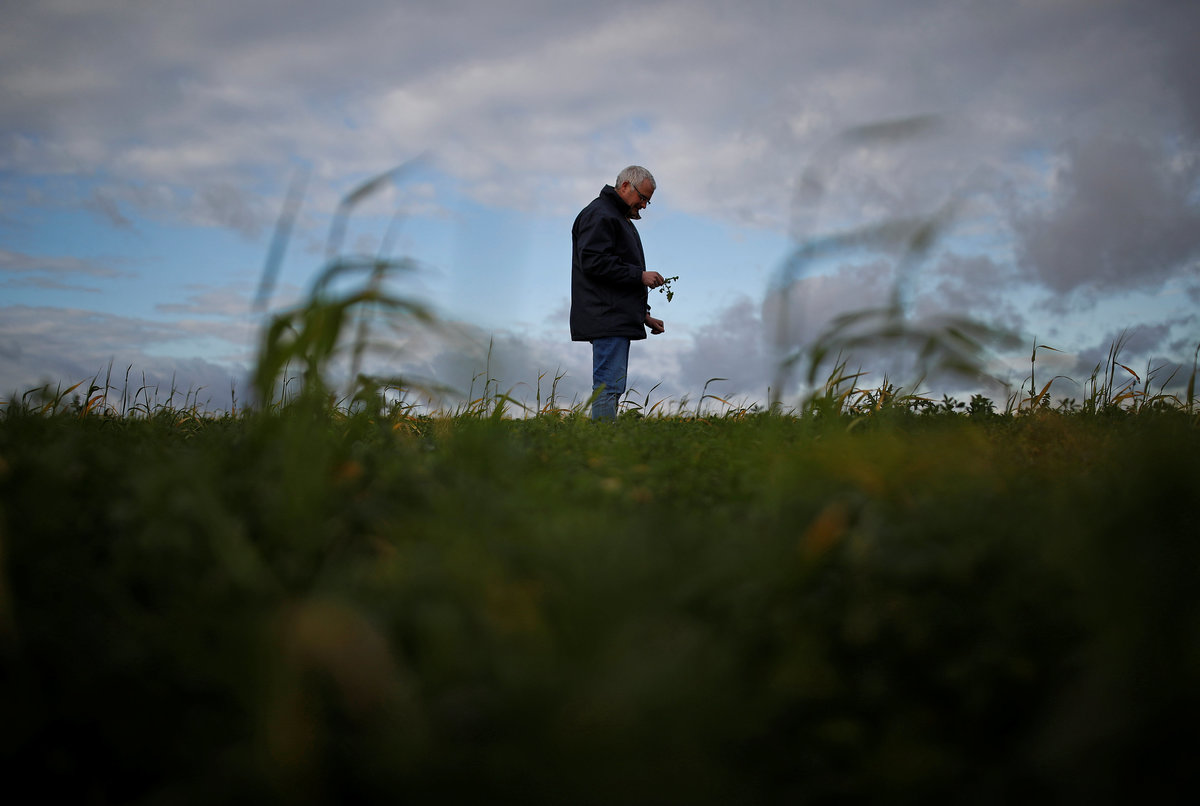
French farmer Marc Leprince pulls up a dead weed in an alfalfa field non-treated with weedkillers during an interview with Reuters in Greneville-en-Beauce, France, November 30, 2017. Picture taken November 30, 2017. REUTERS/Christian Hartmann

Glyphosate's worldwide success is linked to its low cost; farmers can kill weeds by spraying the chemical on their fields instead of plowing the soil several times to remove weeds.

It has also attracted gardeners, public park managers and railway operators, intent on getting rid of unwanted grasses. It is so widely used that manufacturers say glyphosate covers a third of French farmland.

Concerns about its safety emerged when a World Health Organization agency concluded in 2015 that it probably causes cancer.
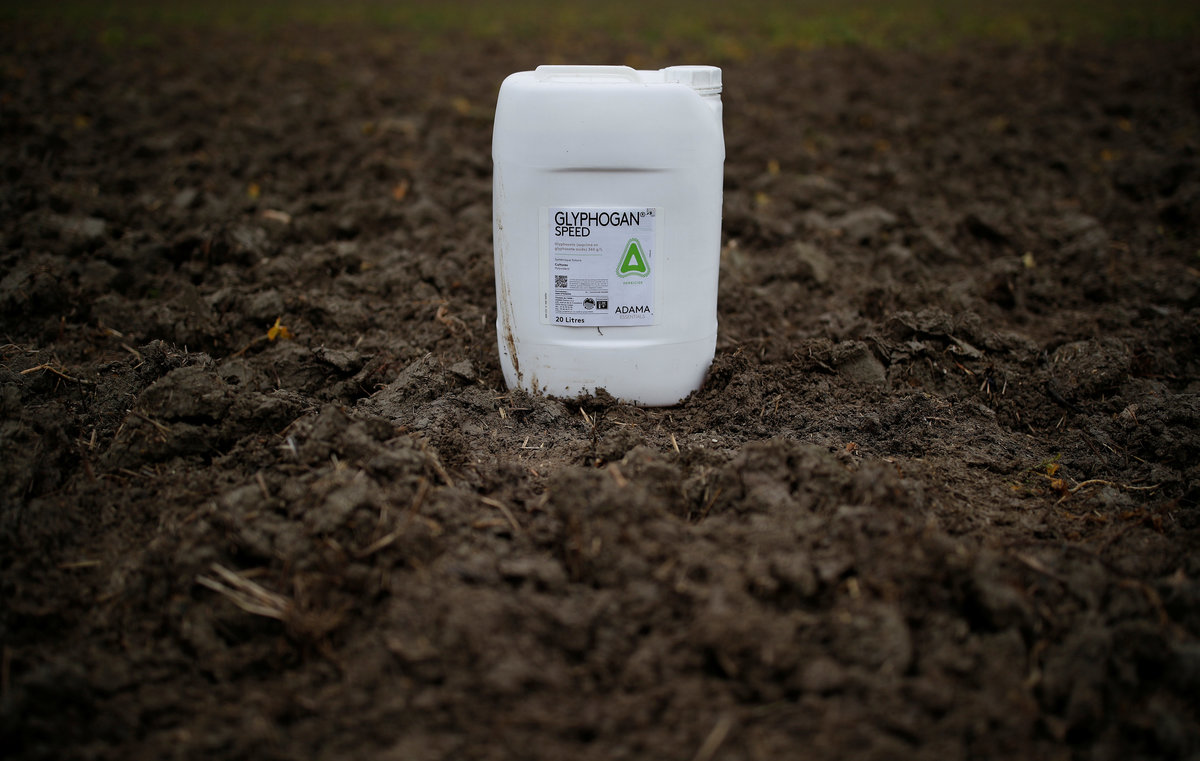
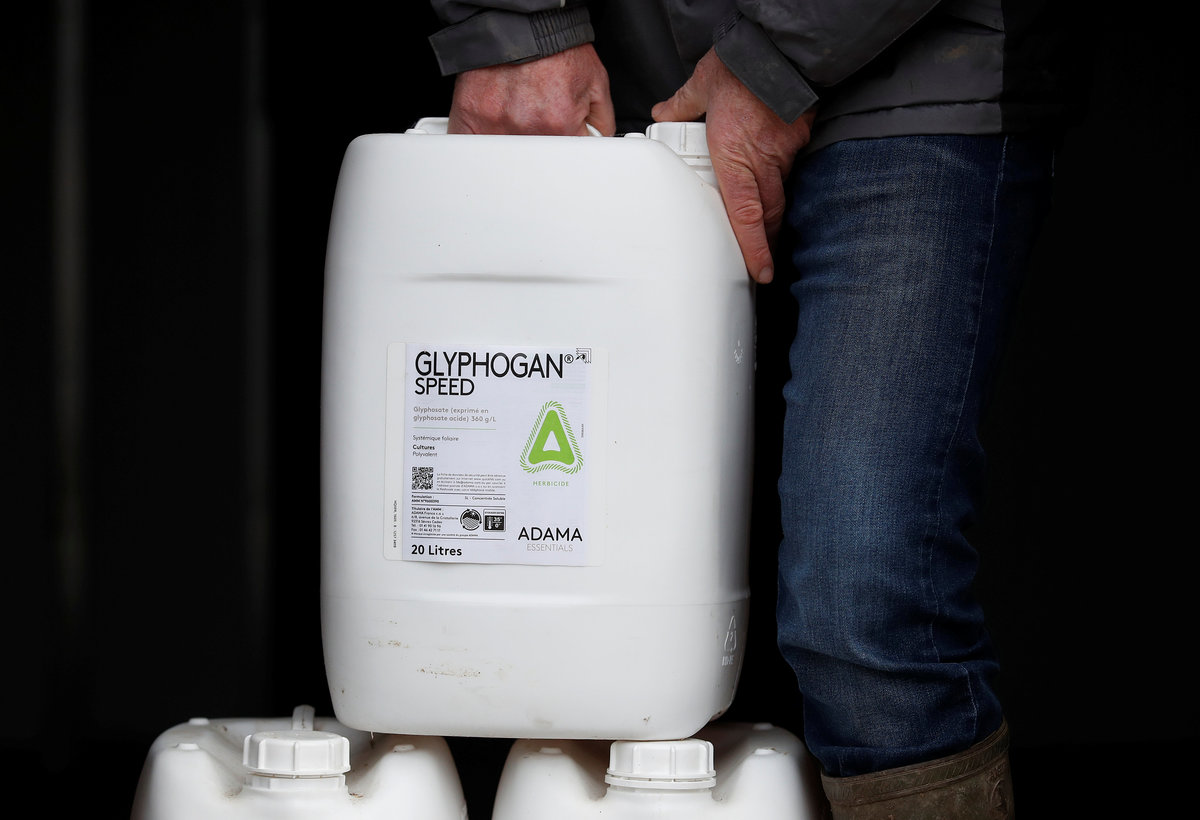
A can of glyphosate weedkiller is seen in a treated mustard field as French farmer Herve Fouassier attends an interview with Reuters in Ouzouer-sous-Bellegarde, France, November 30, 2017. Picture taken November 30, 2017. REUTERS/Christian Hartmann

Other groups, such as the European Chemicals Agency, have since disputed those findings, saying there is no evidence linking glyphosate to cancer in humans. But worries persist.

ISOLATED
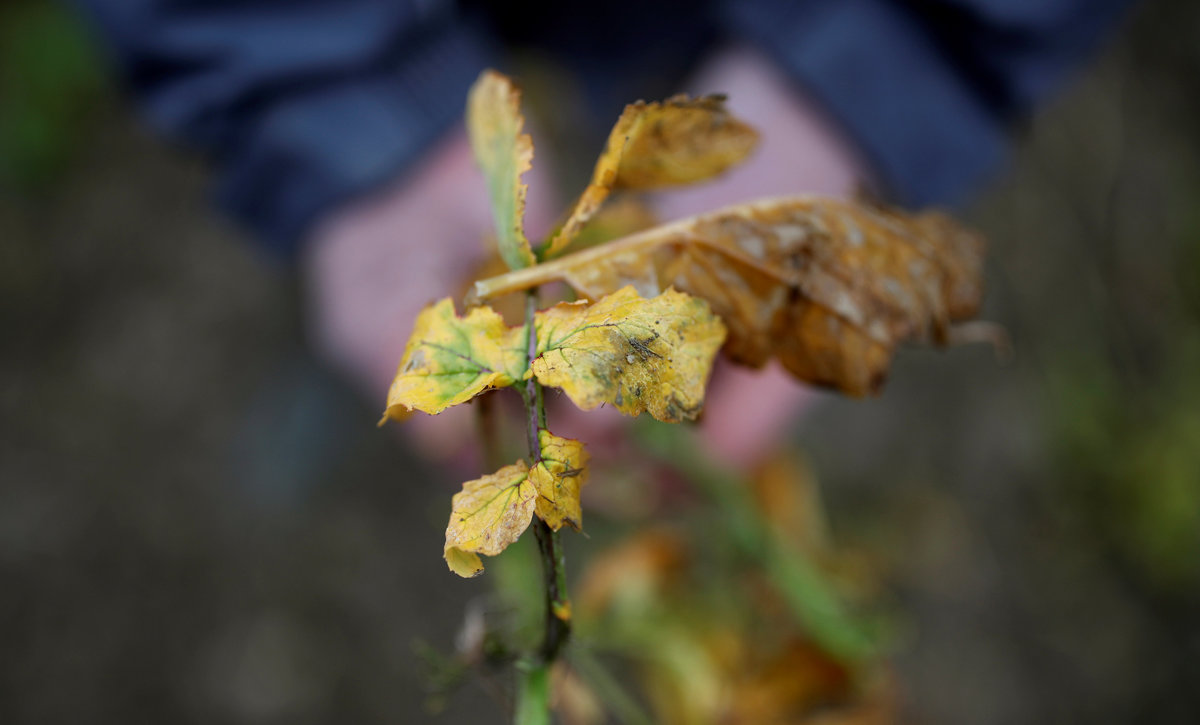
French farmer Herve Fouassier demonstrates the impact of using the weedkiller glyphosate in a mustard field during an interview with Reuters in Ouzouer-sous-Bellegarde, France, November 30, 2017. Picture taken November 30, 2017. REUTERS/Christian Hartmann

In rocky soils or where weeds are deeply rooted, farmers say it would be too hard to do without it and that fields would have to be left fallow. Farmers must wear a protective mask, apron and gloves when spraying the chemical.

They also fear that if a cheap alternative is not found before the deadline, France will be isolated in the EU, where competitors will be allowed to use glyphosate for another two years, and against larger producers such as the United States or those in Latin America, where it is widely used.

The ban could cost the French grains sector 1.1 billion euros ($1.3 billion) and 900 million euros for wine makers because of lower yields and exports, polling firm Ipsos found in a study commissioned by glyphosate makers.
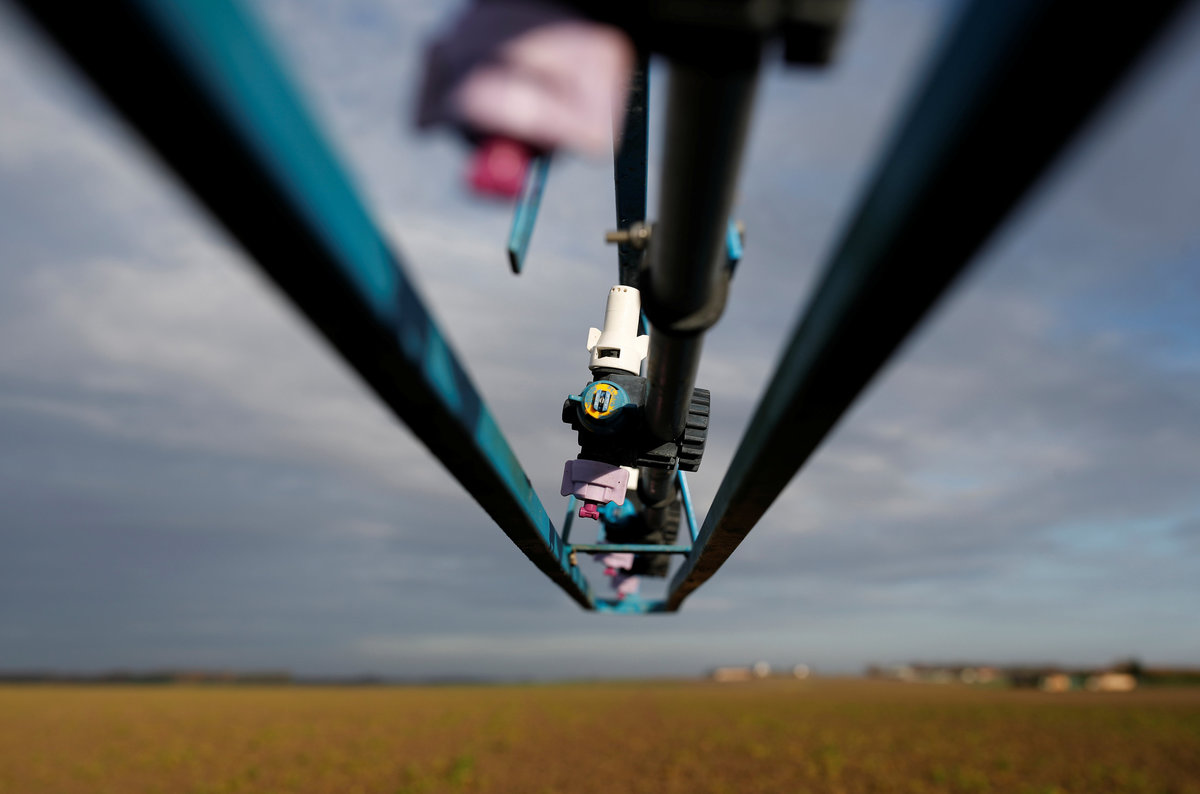
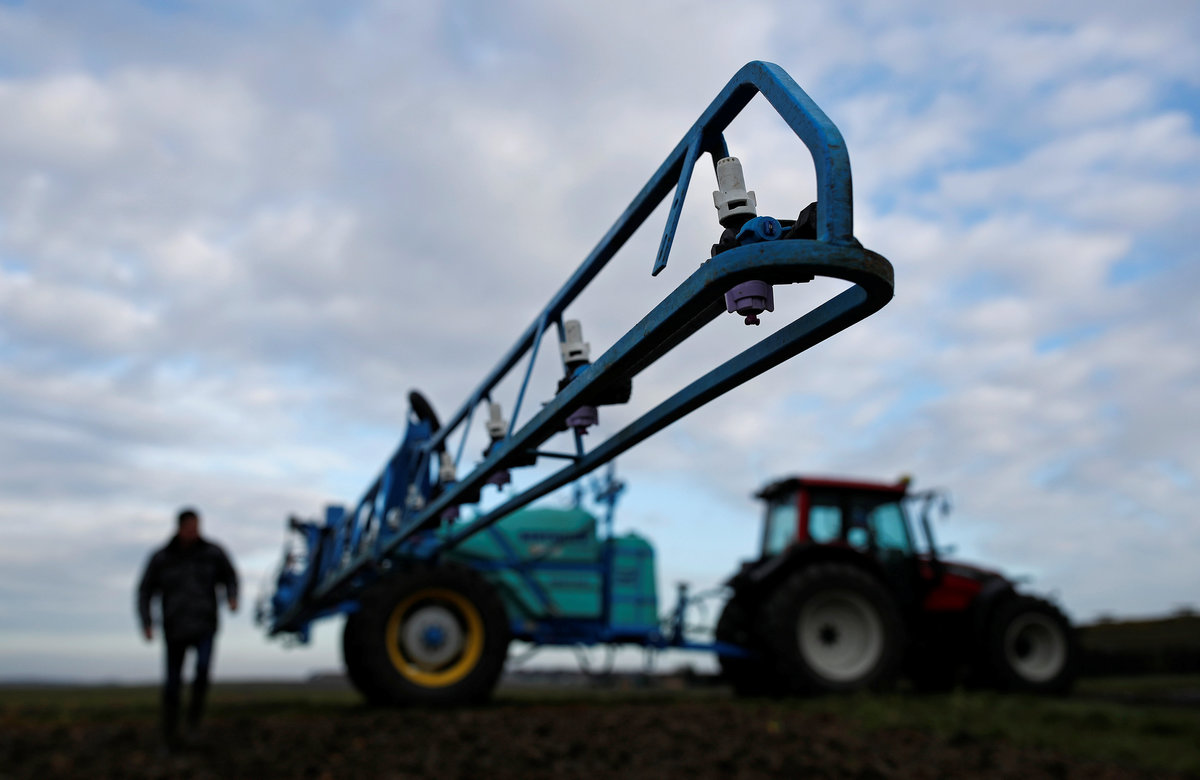
A tractor with a pulveriser system is seen in a mustard field treated with the weedkiller glyphosate as French farmer Herve Fouassier attends an interview with Reuters in Ouzouer-sous-Bellegarde, France, November 30, 2017. Picture taken November 30, 2017. REUTERS/Christian Hartmann

Marc Leprince, 34, who manages a 210-hectare farm in the Beauce grain region, is less concerned.

He grows half of his output following organic rules and the rest in conventional farming, all without using glyphosate.

Leprince uses long crop rotations, increased varieties and weeds mechanically and manually, techniques which increase costs. But he believes it's worth it for his own health and that of consumers.
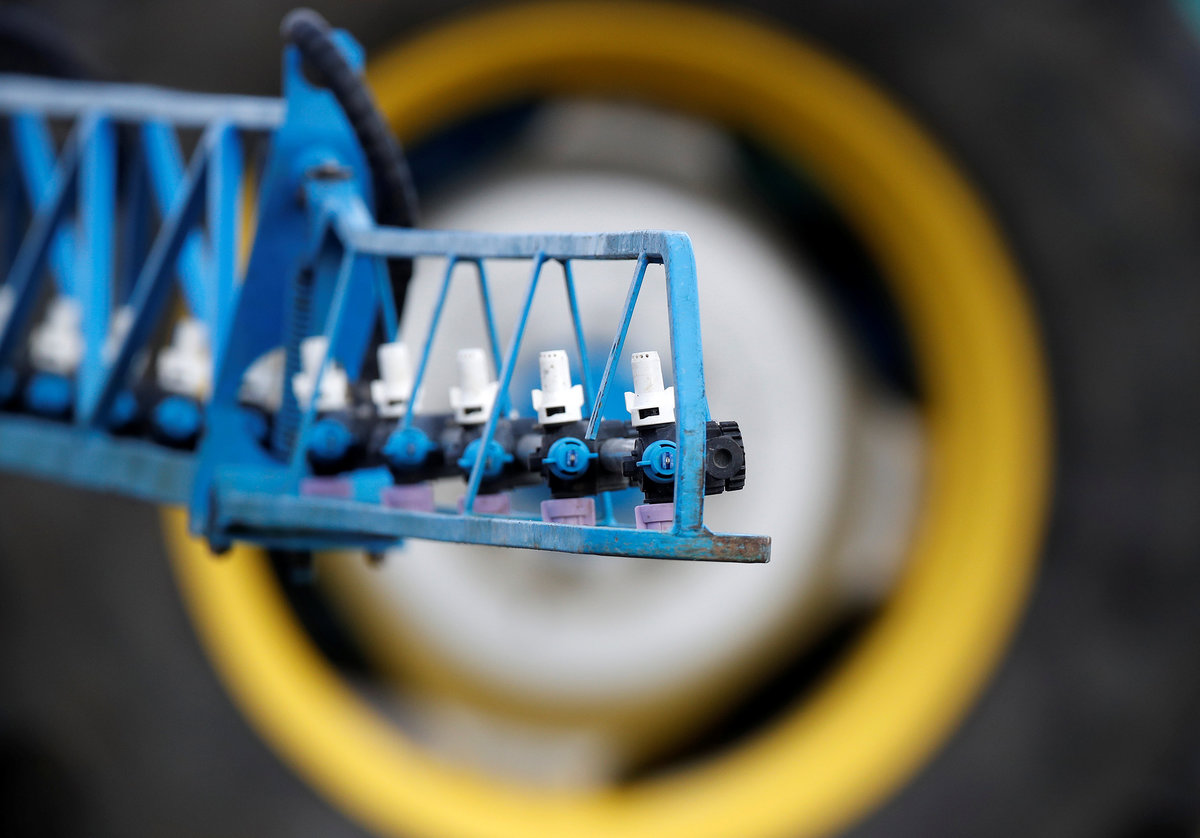
A tractor with a pulveriser system is seen in a mustard field treated with the weedkiller glyphosate as French farmer Herve Fouassier attends an interview with Reuters in Ouzouer-sous-Bellegarde, France, November 30, 2017. Picture taken November 30, 2017. REUTERS/Christian Hartmann

"What consumers must realize is that food will be more expensive because costs linked to these techniques will need to be reflected in the price of the end products," he said, referring to the likely impact of the glyphosate ban.

(Reporting by Sybille de La Hamaide; editing by Luke Baker and Jason Neely)
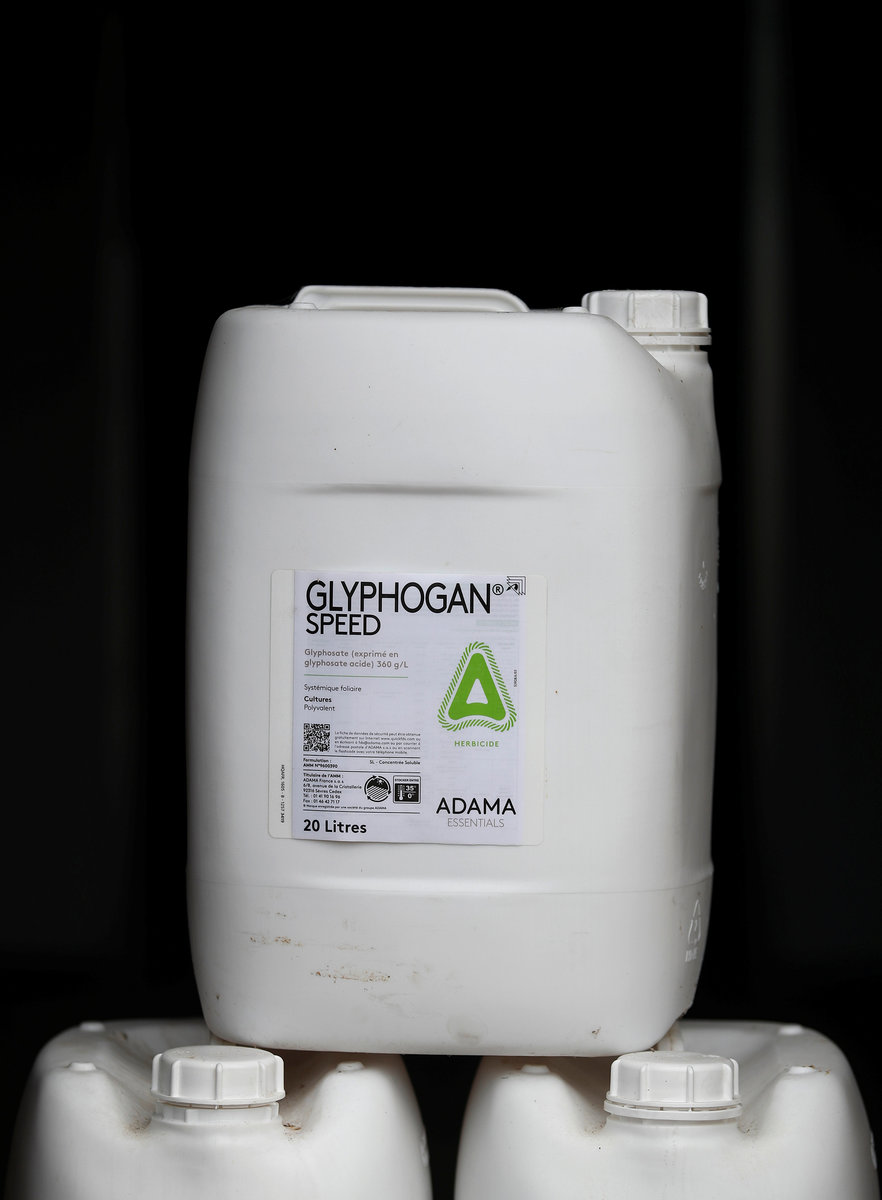
A can of glyphosate weedkiller is seen as French farmer Herve Fouassier attends an interview with Reuters in Ouzouer-sous-Bellegarde, France, November 30, 2017. Picture taken November 30, 2017. REUTERS/Christian Hartmann
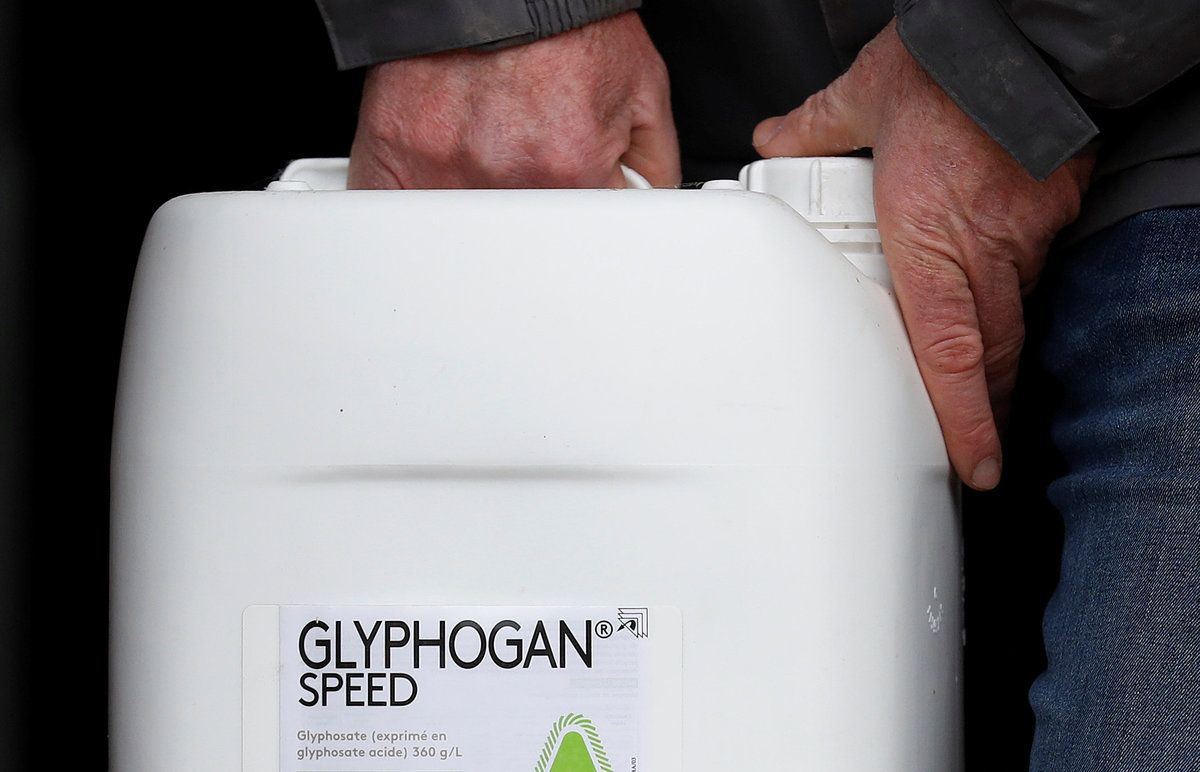
French farmer Herve Fouassier handles a can of glyphosate weedkiller during an interview with Reuters in Ouzouer-sous-Bellegarde, France, November 30, 2017. Picture taken November 30, 2017. REUTERS/Christian Hartmann
French farmer Herve Fouassier inspects his tractor with a pulveriser system in a mustard field treated with the weedkiller glyphosate during an interview with Reuters in Ouzouer-sous-Bellegarde, France, November 30, 2017. REUTERS/Christian Hartmann
French farmer Herve Fouassier handles a can of glyphosate weedkiller during an interview with Reuters in Ouzouer-sous-Bellegarde, France, November 30, 2017. REUTERS/Christian Hartmann
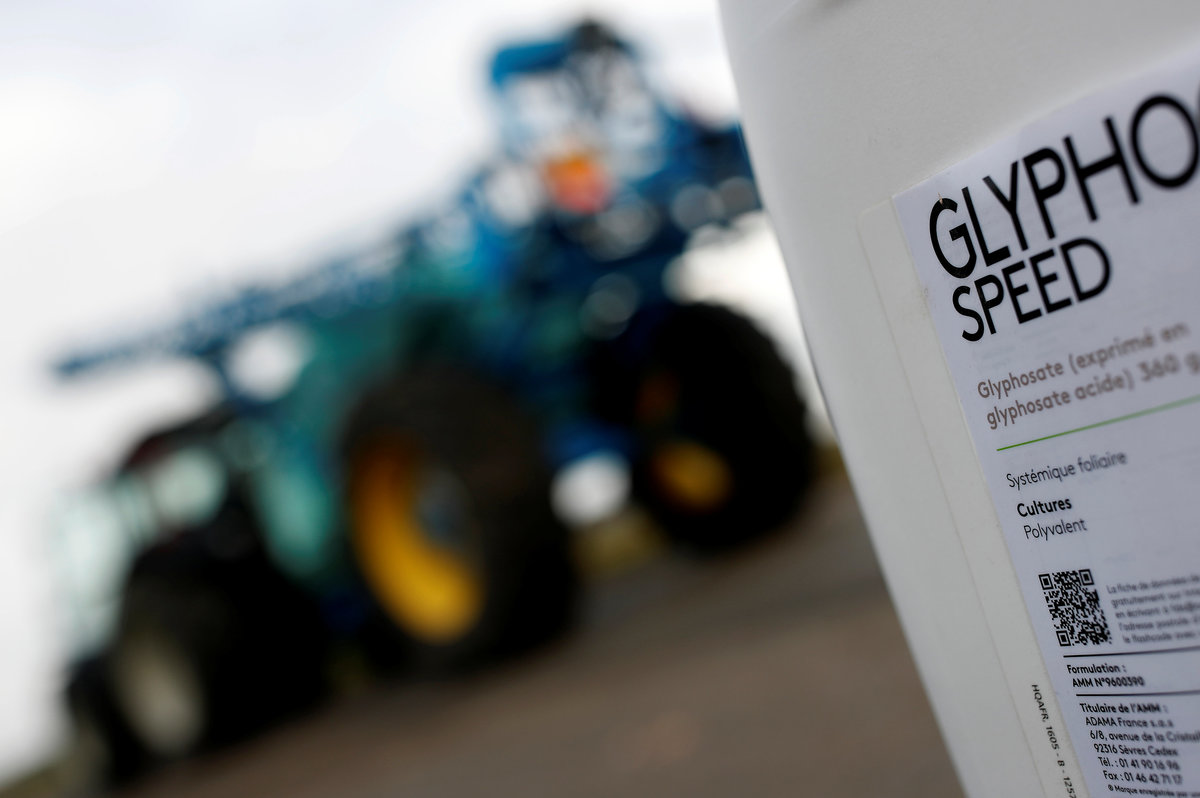
A can of glyphosate weedkiller is seen in front of a tractor with a pulveriser system as French farmer Herve Fouassier attends an interview with Reuters in Ouzouer-sous-Bellegarde, France, November 30, 2017. Picture taken November 30, 2017. REUTERS/Christian Hartmann
Sign up to read this article
Read news from 100’s of titles, curated specifically for you.
Already a member? Sign in here
Related Stories
Top stories on inkl right now
One subscription that gives you access to news from hundreds of sites
Already a member? Sign in here
Our Picks
Fourteen days free
Download the app
One app. One membership.
100+ trusted global sources.