Three-man crew reaches space station as U.S. boosts research
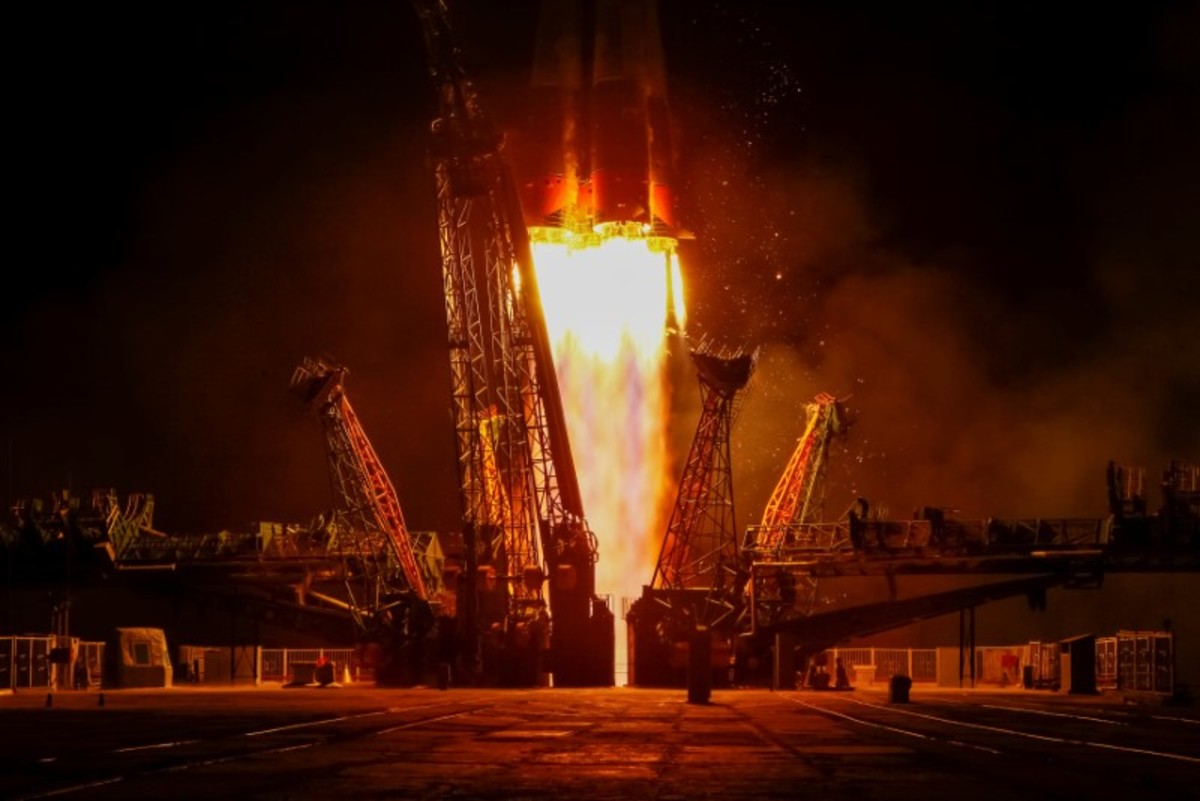
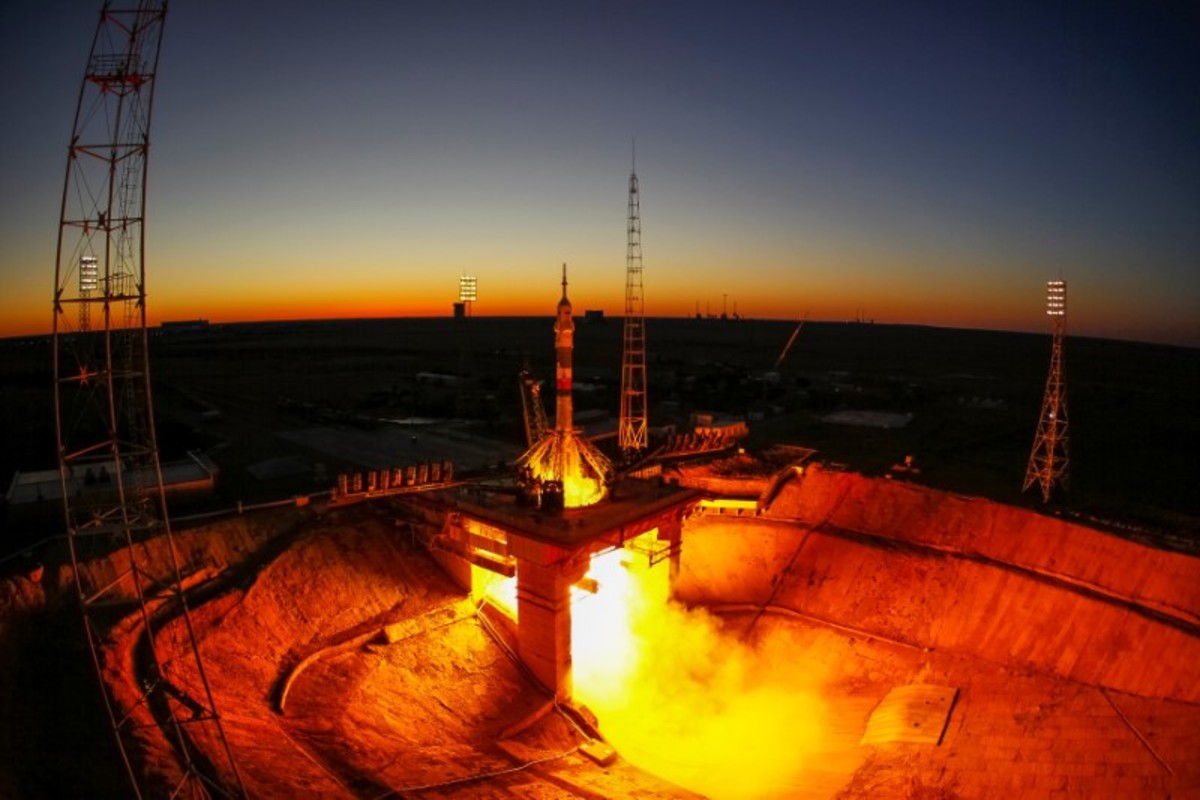
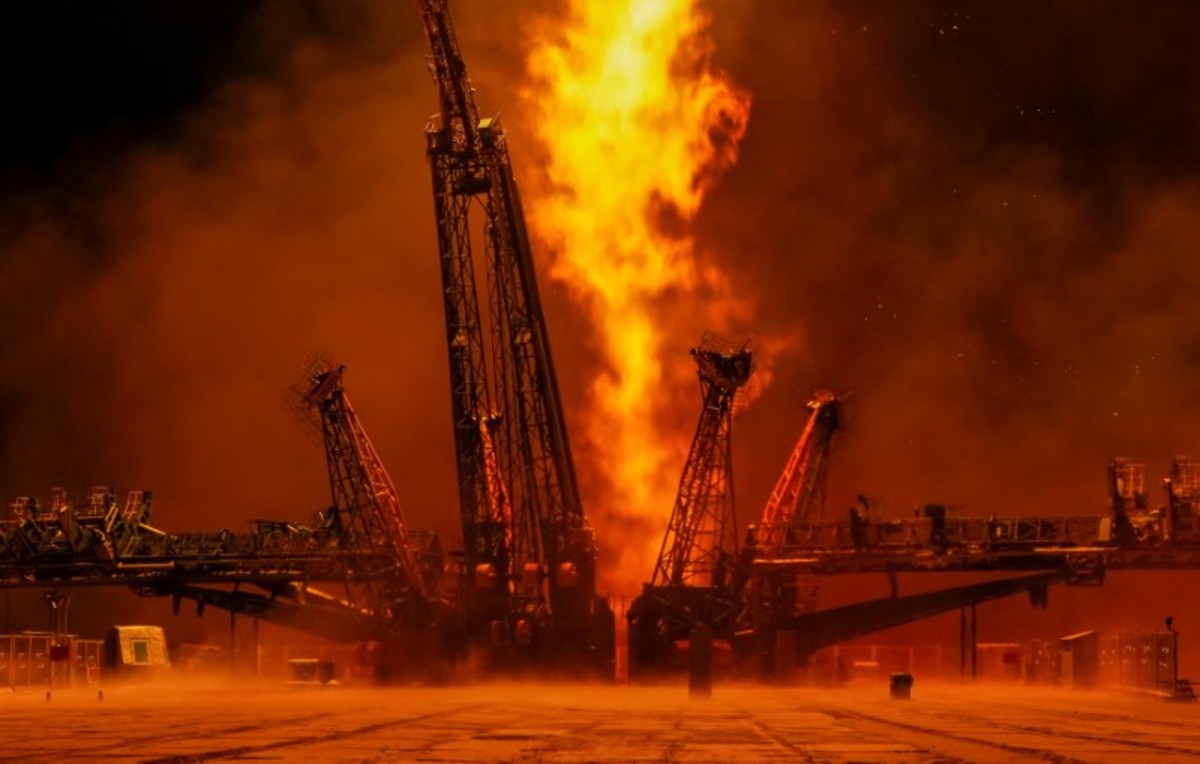
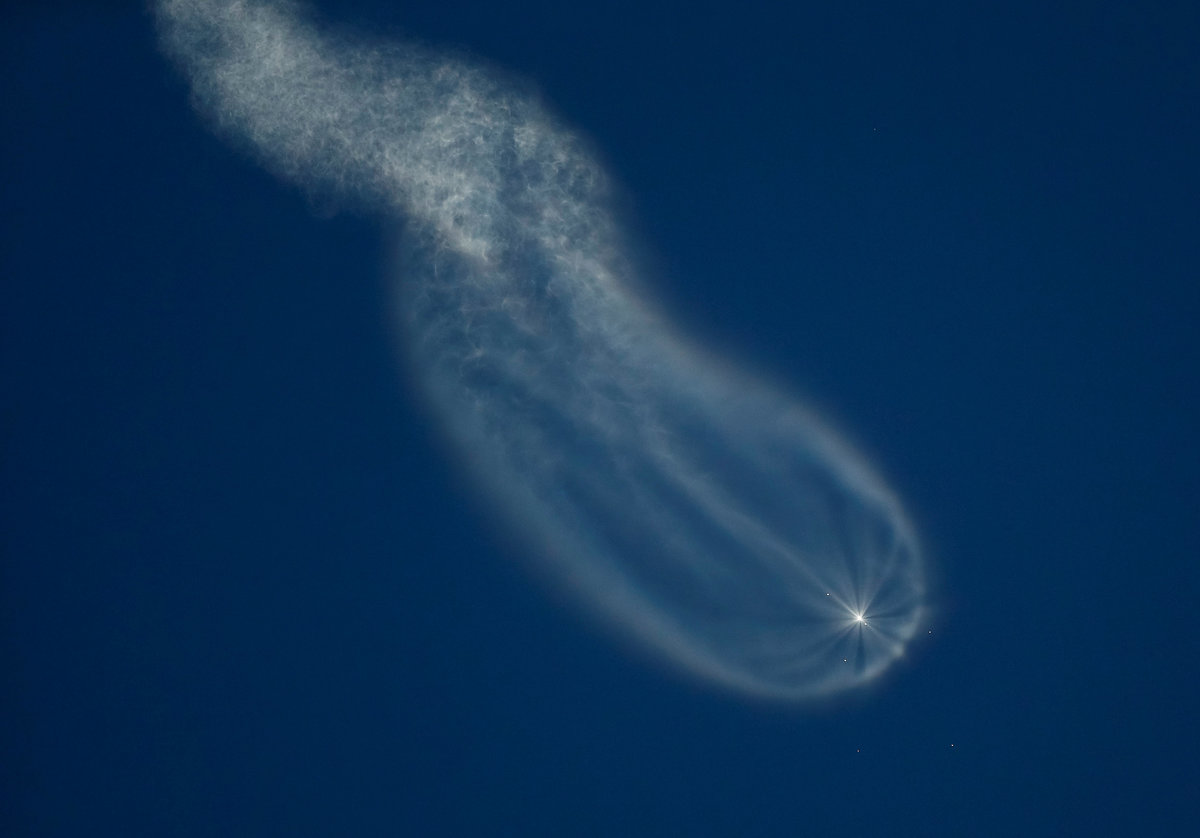
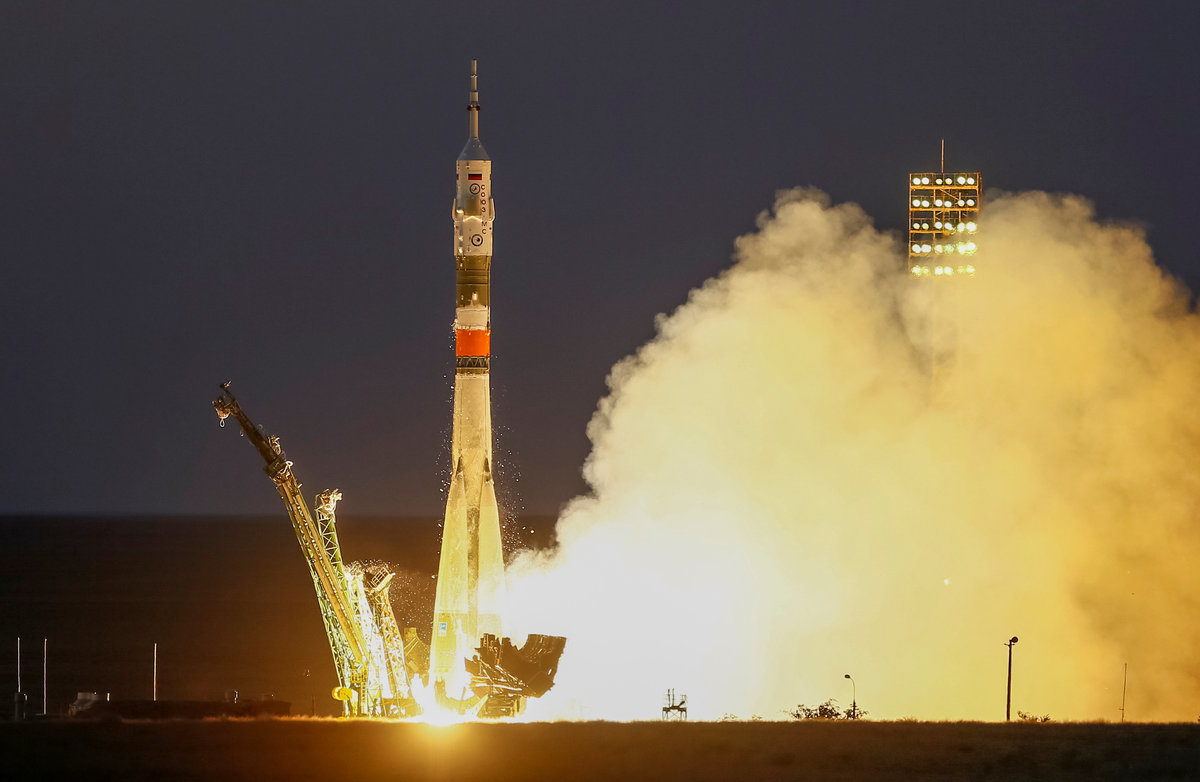
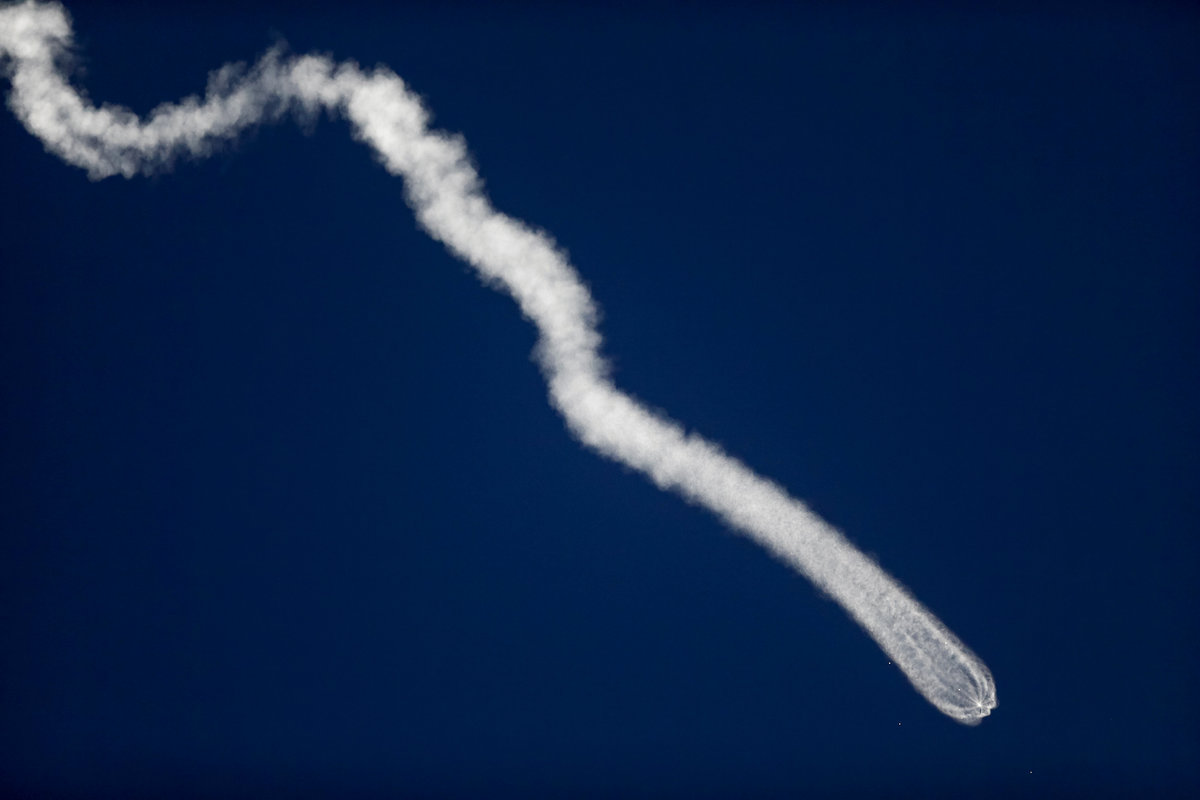
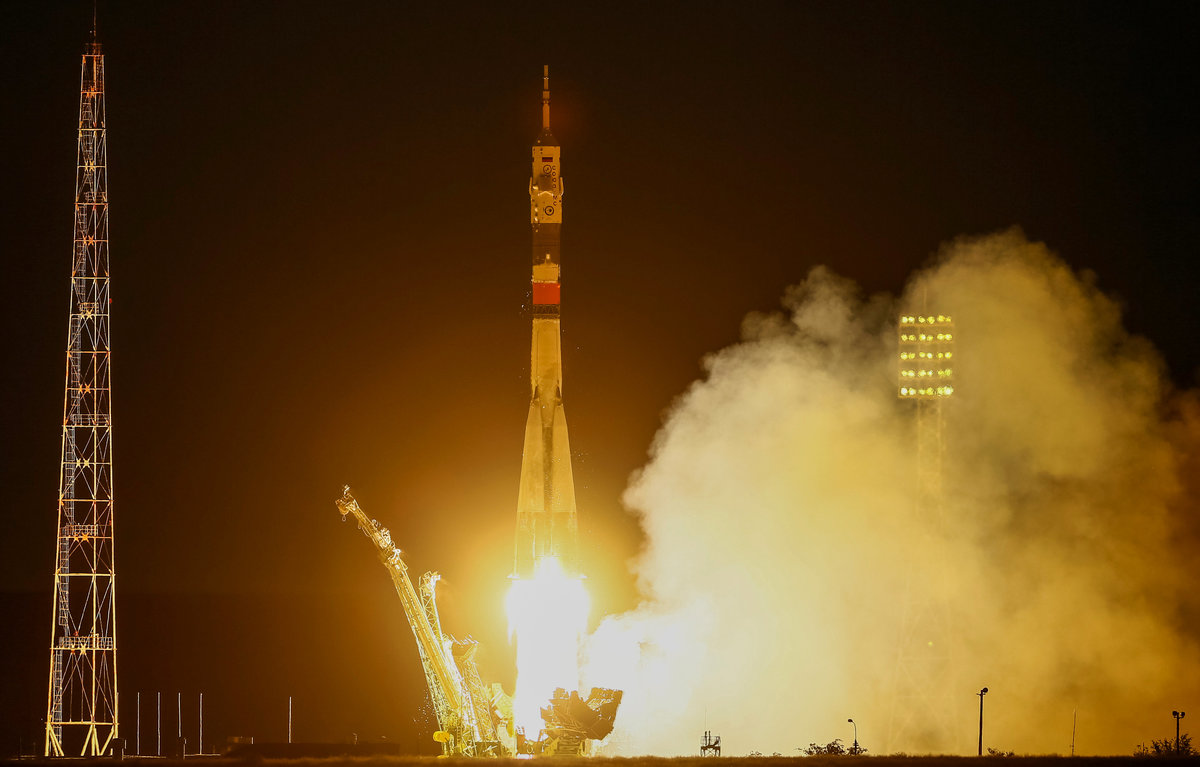
The Soyuz MS-05 spacecraft carrying the crew of Paolo Nespoli of Italy, Sergey Ryazanskiy of Russia and Randy Bresnik of the U.S. blasts off to the International Space Station (ISS) from the launchpad at the Baikonur Cosmodrome, Kazakhstan July 28, 2017. REUTERS/Shamil Zhumatov
CAPE CANAVERAL, Fla. (Reuters) - A new crew arrived at the International Space Station on Friday, giving NASA for the first time four astronauts to boost U.S. research projects aboard the orbiting laboratory.
A Russian Soyuz capsule carrying three spaceflight veterans slipped into a docking port aboard the station at 5:54 p.m. EDT (2154 GMT) as the $100 billion research outpost sailed about 250 miles (400 km) over Germany, a NASA TV broadcast showed.
The Soyuz MS-05 spacecraft carrying the crew of Paolo Nespoli of Italy, Sergey Ryazanskiy of Russia and Randy Bresnik of the U.S. blasts off to the International Space Station (ISS) from the launchpad at the Baikonur Cosmodrome, Kazakhstan July 28, 2017. REUTERS/Shamil Zhumatov
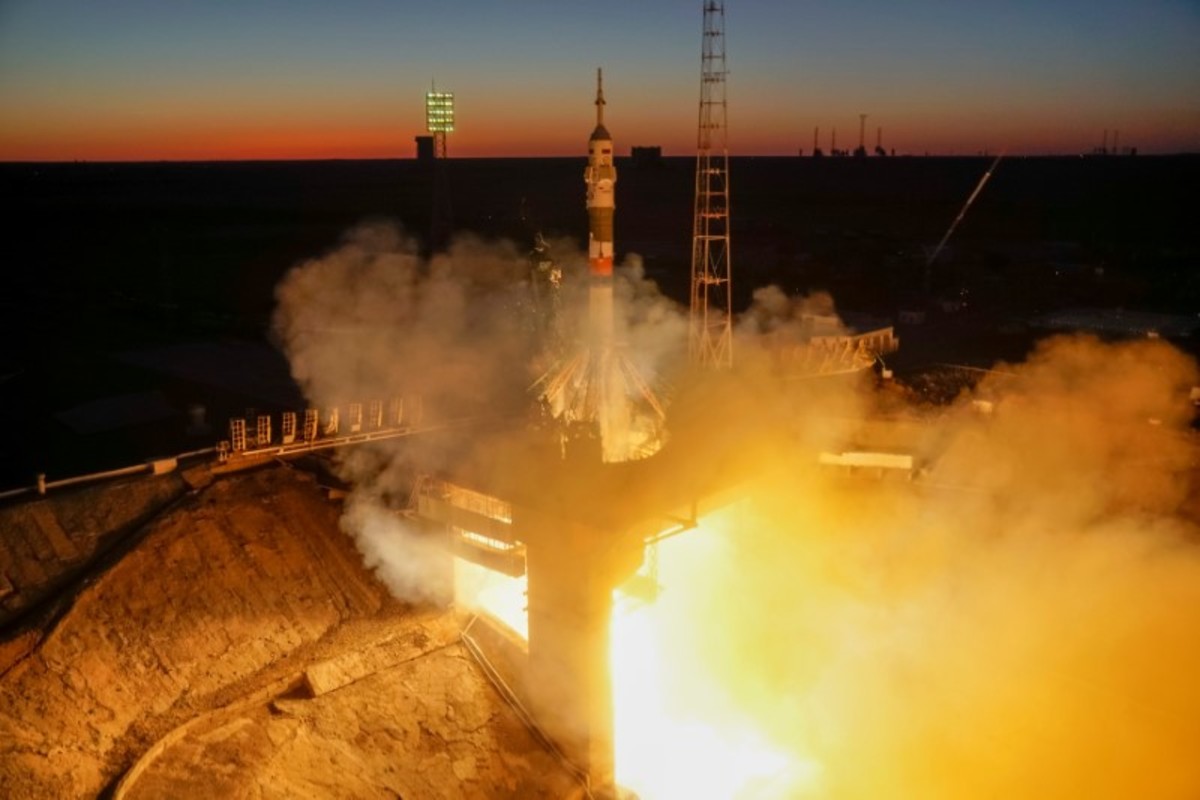
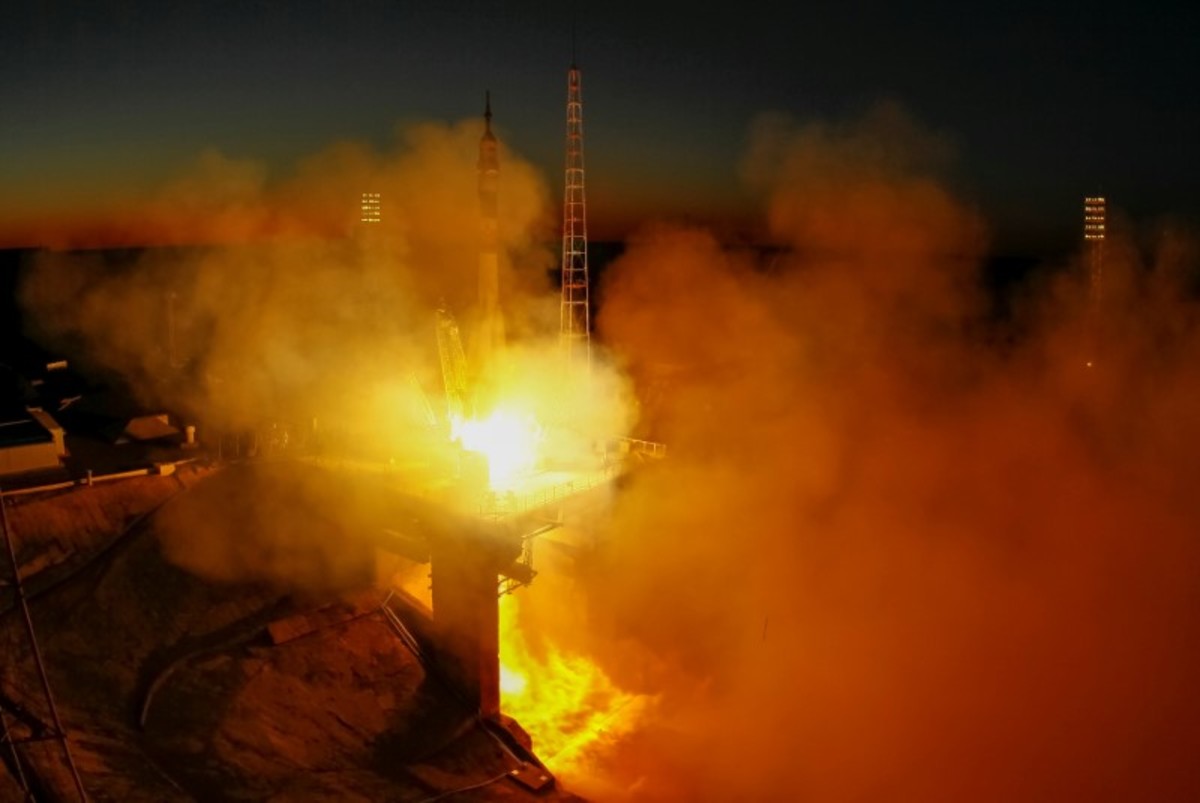
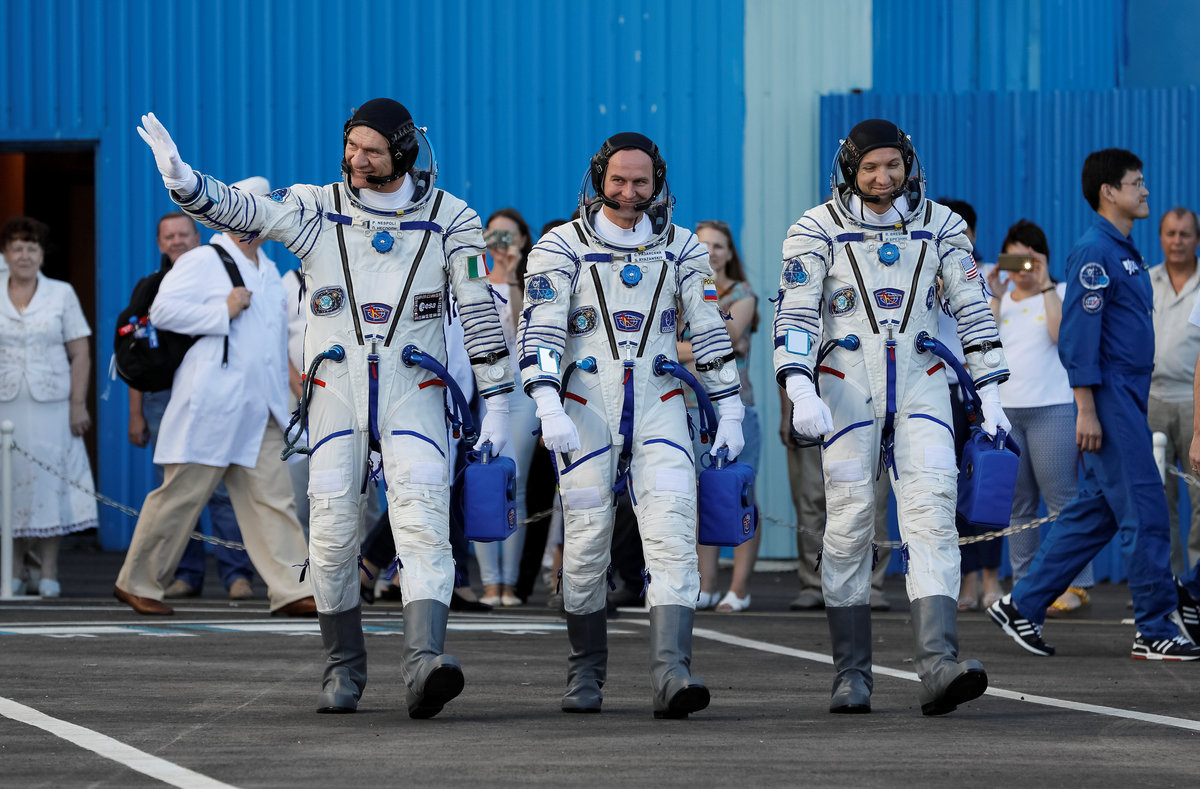
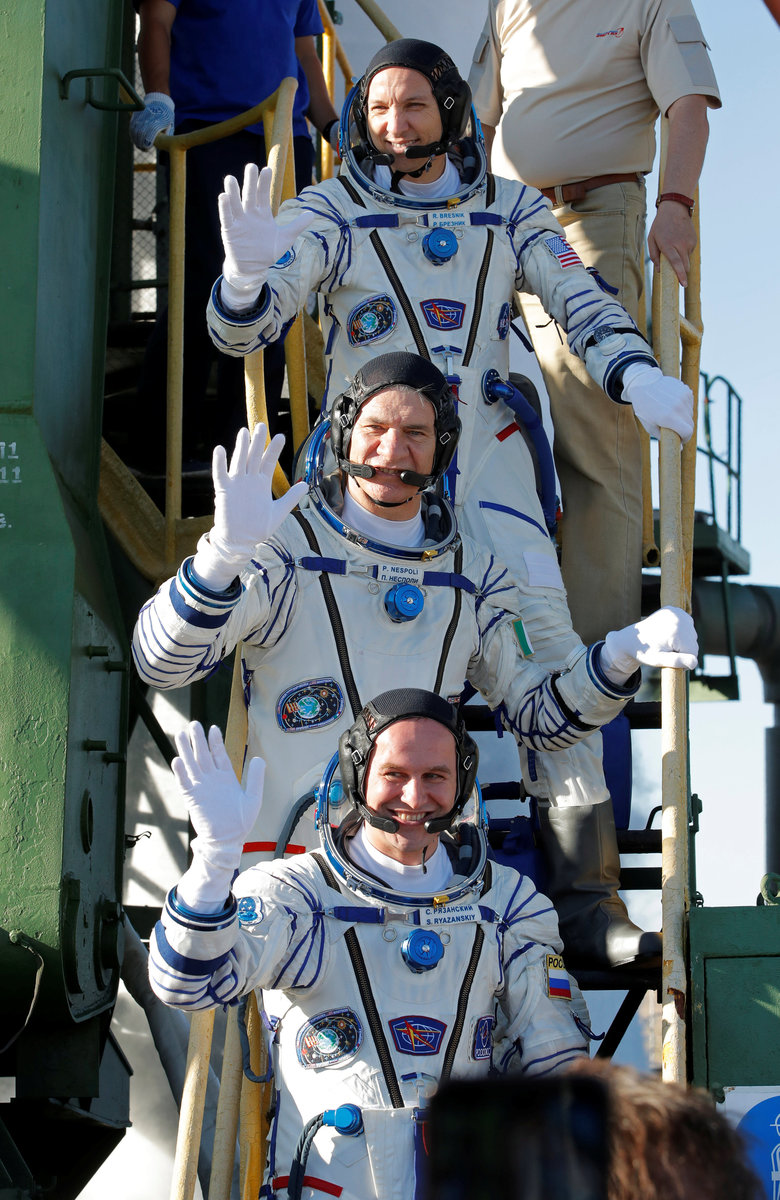
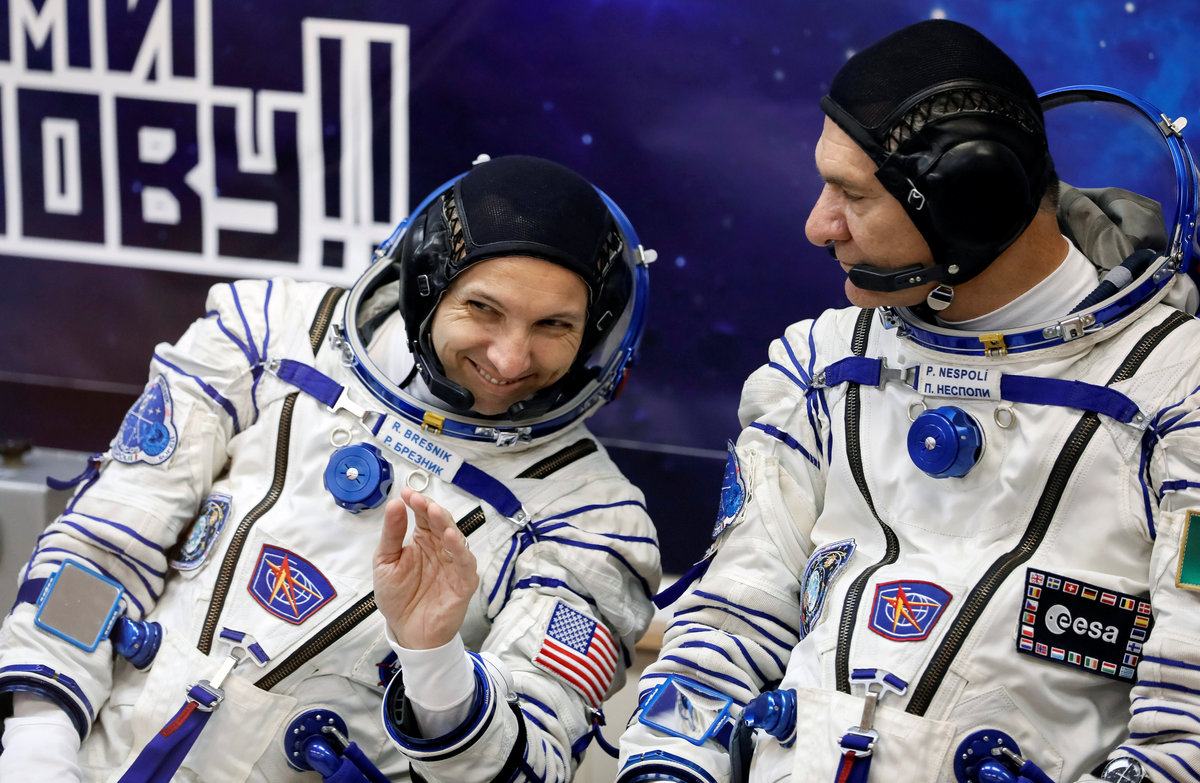
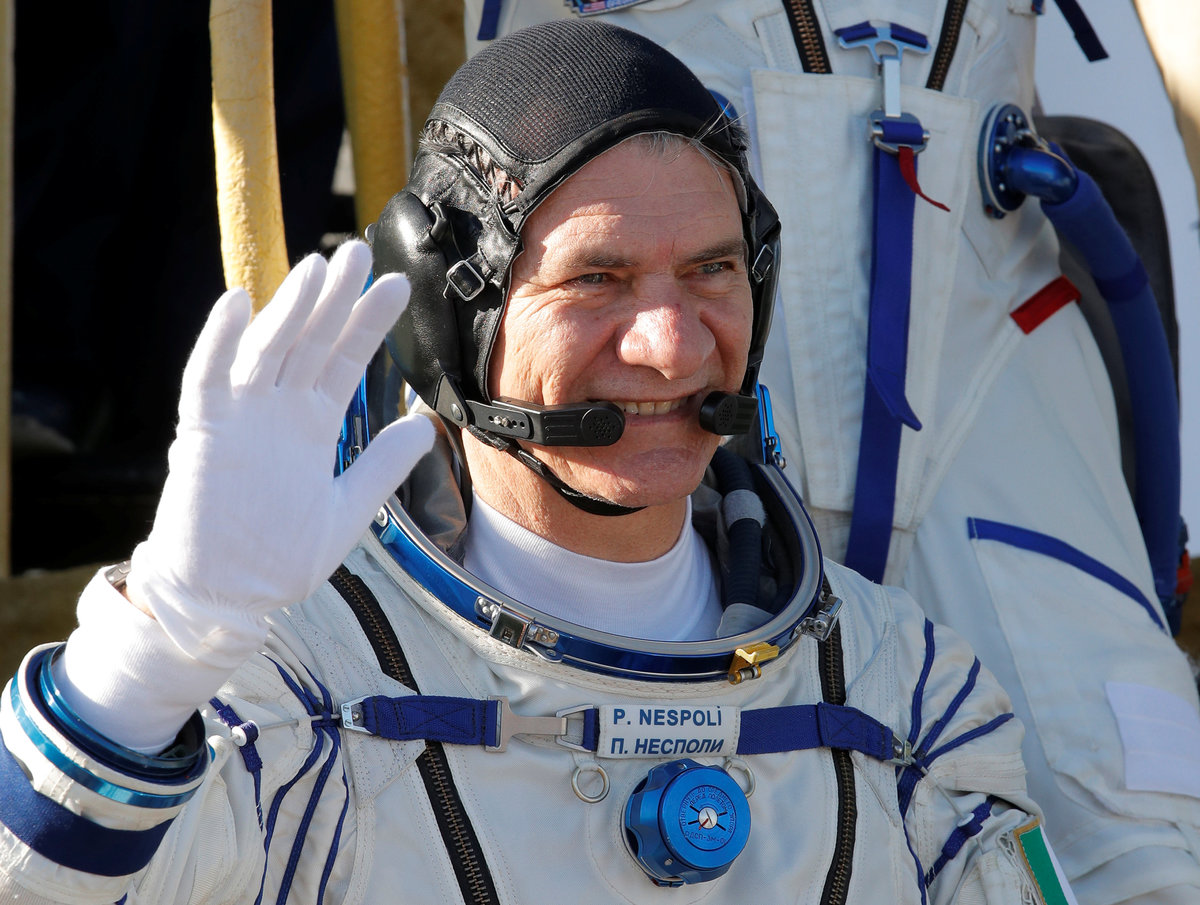
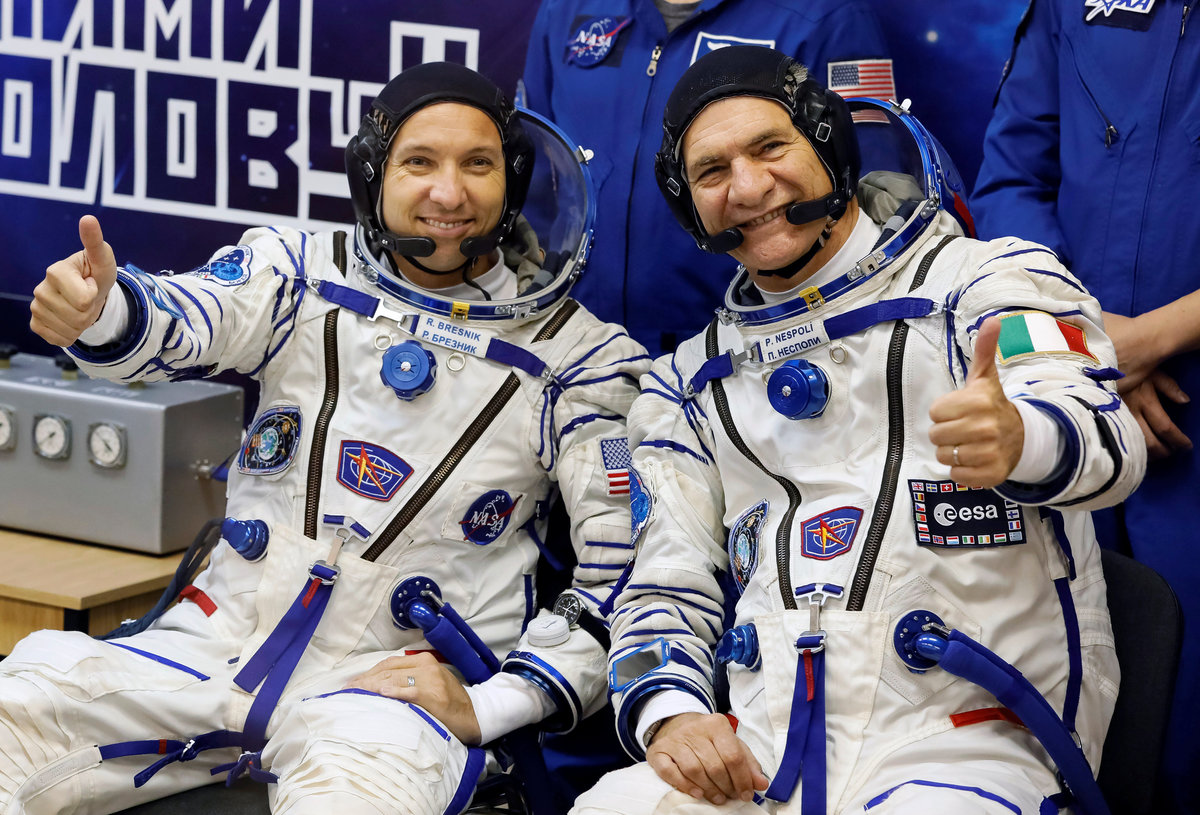
Strapped inside the capsule, which blasted off aboard a Soyuz rocket from Kazakhstan six hours earlier, were Randy Bresnik, with the U.S. National Aeronautics and Space Administration; Sergey Ryazanskiy, with the Russian space agency Roscosmos; and Italy's Paolo Nespoli, with the European Space Agency.
The men will join two NASA astronauts and a Russian cosmonaut already aboard the station, a project of 15 nations.
Their arrival means the U.S. space agency now has four crew members instead of three available for medical experiments, technology demonstrations and other research aboard the station, the U.S. space agency said.
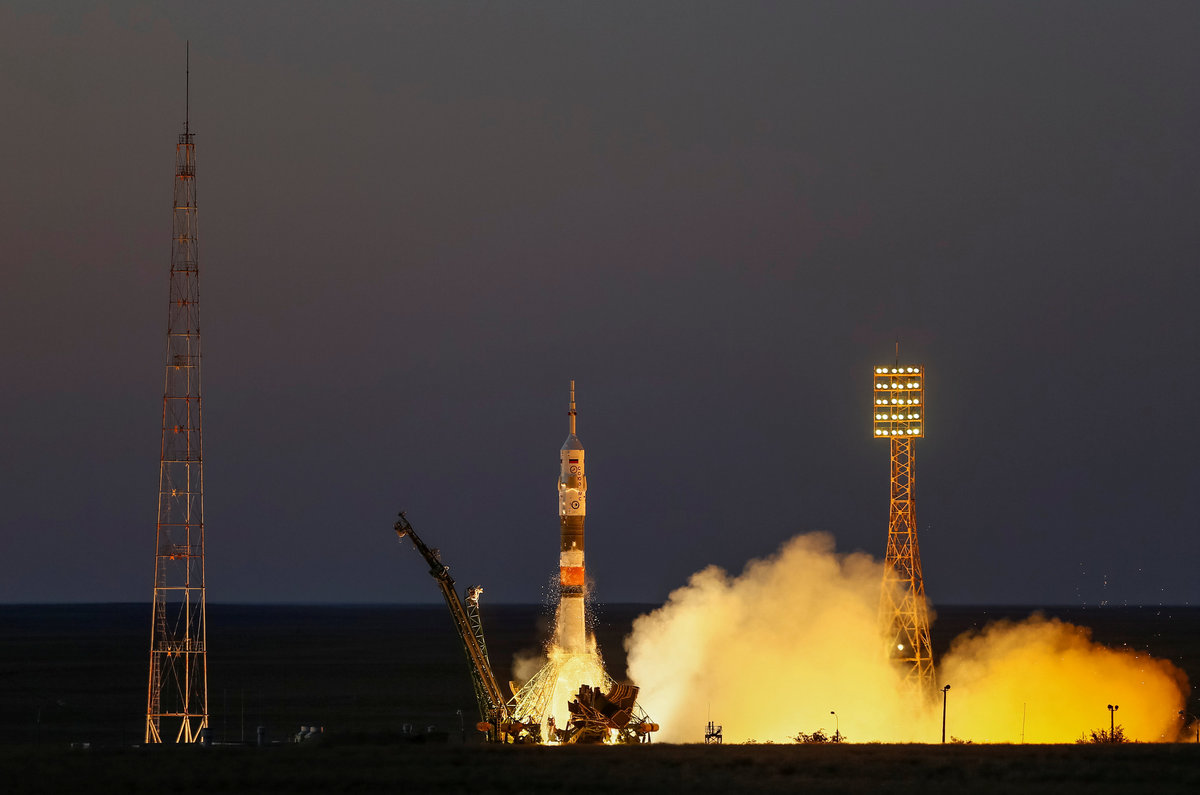
The Soyuz MS-05 spacecraft carrying the crew of Paolo Nespoli of Italy, Sergey Ryazanskiy of Russia and Randy Bresnik of the U.S. blasts off to the International Space Station (ISS) from the launchpad at the Baikonur Cosmodrome, Kazakhstan July 28, 2017. REUTERS/Shamil Zhumatov
The extra astronaut will effectively double the amount of time for research, program manager Kirk Shireman said at a station conference last week.
NASA does not oversee the Russian staff, which was reduced to two in April until a long-delayed research module joins the station next year.
Previously, Russia flew three cosmonauts, with the remaining three positions filled by a combination of European, Japanese, Canadian and U.S. astronauts, who are trained and overseen by NASA.
The Soyuz MS-05 spacecraft carrying the crew of Paolo Nespoli of Italy, Sergey Ryazanskiy of Russia and Randy Bresnik of the U.S. blasts off to the International Space Station (ISS) from the launchpad at the Baikonur Cosmodrome, Kazakhstan July 28, 2017. REUTERS/Shamil Zhumatov
By the end of next year, NASA intends to begin flying astronauts aboard space taxis under development by SpaceX and Boeing. Both spaceships have room for a fourth seat, bumping the station’s overall crew size to seven once Russia returns to full staffing.
NASA is using the station to prepare for human missions to the moon and Mars and to stimulate commercial space transportation, pharmaceutical research, manufacturing and other businesses.
The agency also conducts physics, astronomy and Earth science investigations aboard the outpost, which has been staffed by rotating crews of astronauts and cosmonauts since 2000.
The Soyuz MS-05 spacecraft carrying the crew of Paolo Nespoli of Italy, Sergey Ryazanskiy of Russia and Randy Bresnik of the U.S. blasts off to the International Space Station (ISS) from the launchpad at the Baikonur Cosmodrome, Kazakhstan July 28, 2017. REUTERS/Shamil Zhumatov
Bresnik, 49, last flew on the space shuttle in 2009 during a space station assembly mission. Ryazanskiy, 42, spent five-and-a-half months aboard the station in 2013-2014. Nespoli, 60, is making his third space flight, having previously served on both space shuttle and space station crews.
The men are slated to return to Earth in December.
The Soyuz MS-05 spacecraft carrying the crew of Paolo Nespoli of Italy, Sergey Ryazanskiy of Russia and Randy Bresnik of the U.S. blasts off to the International Space Station (ISS) from the launchpad at the Baikonur Cosmodrome, Kazakhstan July 28, 2017. REUTERS/Shamil Zhumatov
(Reporting by Irene Klotz; Editing by Colleen Jenkins and Tom Brown)
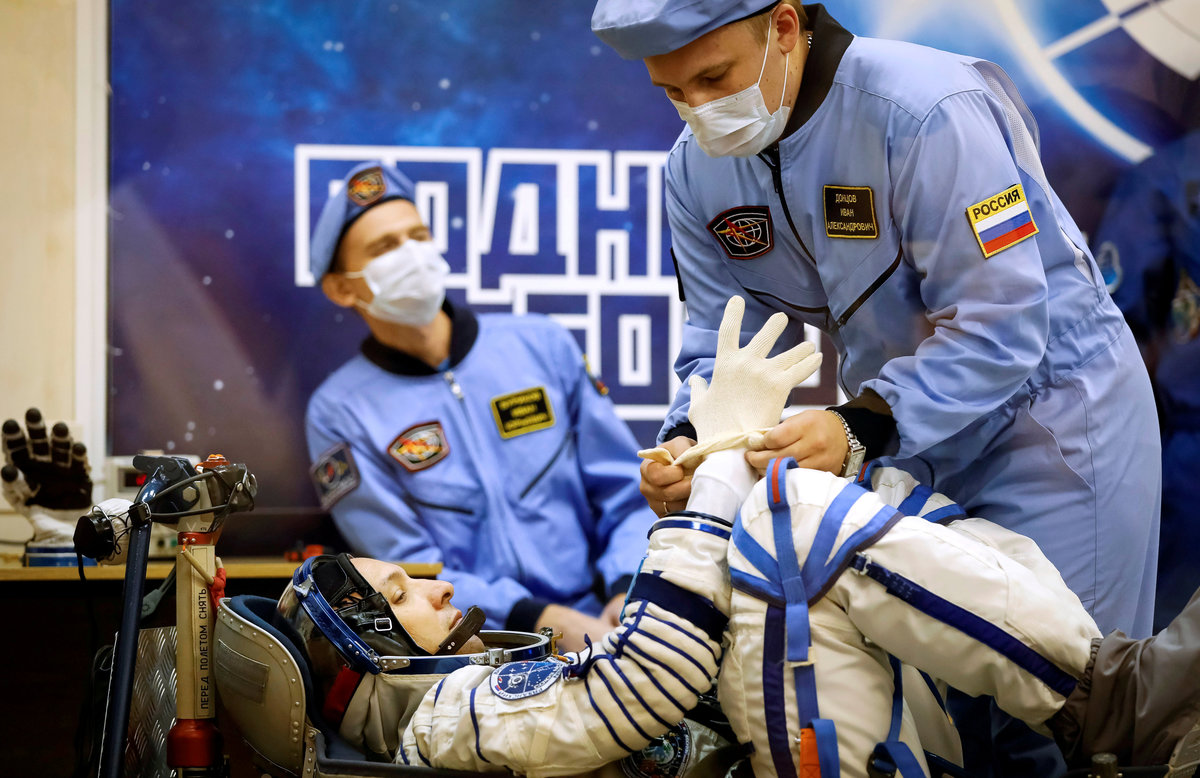
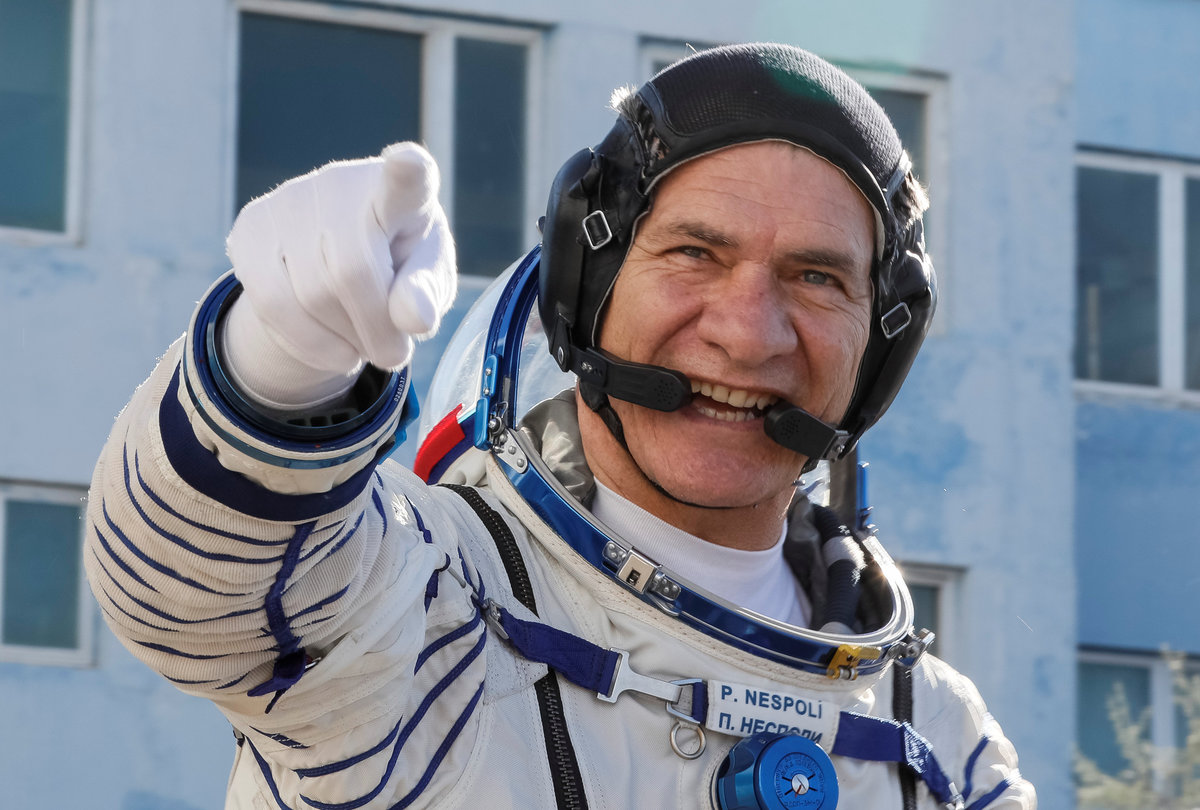
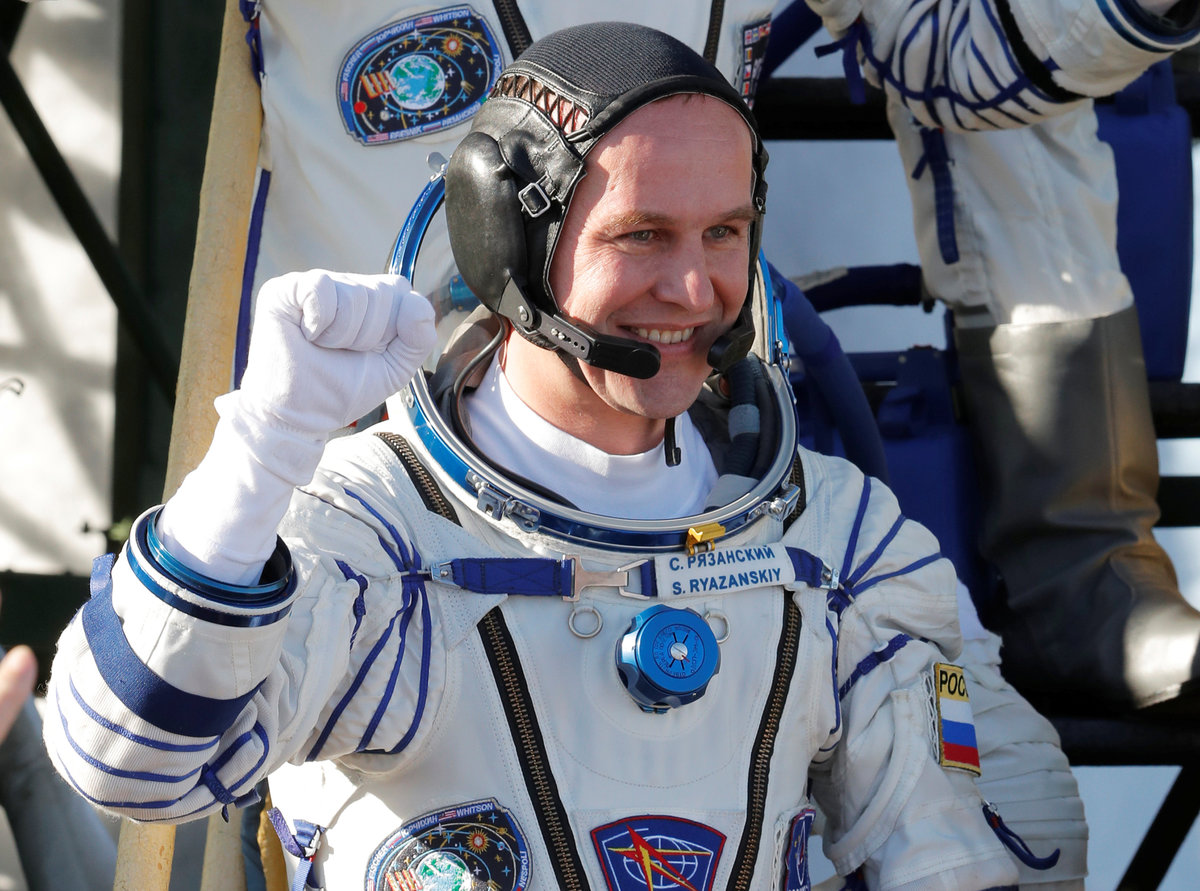
The International Space Station (ISS) crew members (L to R) Paolo Nespoli of Italy, Sergey Ryazanskiy of Russia and Randy Bresnik of the U.S. walk after donning space suits, shortly before their launch at the Baikonur Cosmodrome, Kazakhstan July 28, 2017. REUTERS/Shamil ZhumatovU.S. astronaut Randy Bresnik, Italian astronaut Paolo Nespoli and Russian cosmonaut Sergey Ryazanskiy, crew members of the mission to the International Space Station, ISS, wave near the rocket prior the launch of Soyuz-FG rocket at the Baikonur cosmodrome, Kazakhstan, Friday, July 28, 2017. REUTERS/Dmitri Lovetsky/PoolThe International Space Station (ISS) crew member Randy Bresnik of the U.S. is assisted during his space suit check at the Baikonur Cosmodrome, Kazakhstan July 28, 2017. REUTERS/Shamil Zhumatov TPX IMAGES OF THE DAYThe International Space Station (ISS) crew member Paolo Nespoli of Italy waves after donning his space suit, shortly before their launch at the Baikonur Cosmodrome, Kazakhstan July 28, 2017. REUTERS/Shamil ZhumatovRussian cosmonaut Sergey Ryazanskiy, crew member of the mission to the International Space Station, ISS, waves near the rocket prior to the launch of Soyuz-FG rocket at the Baikonur cosmodrome, Kazakhstan, Friday, July 28, 2017. REUTERS/Dmitri Lovetsky/PoolThe International Space Station (ISS) crew member Randy Bresnik of the U.S. waves next to Paolo Nespoli of Italy after donning their space suits, shortly before their launch at the Baikonur Cosmodrome, Kazakhstan July 28, 2017. REUTERS/Shamil ZhumatovItalian astronaut Paolo Nespoli, crew member of the mission to the International Space Station, ISS, waves near the rocket prior to the launch of Soyuz-FG rocket at the Baikonur cosmodrome, Kazakhstan, Friday, July 28, 2017. REUTERS/Dmitri Lovetsky/PoolThe Soyuz MS-05 spacecraft carrying the crew of Paolo Nespoli of Italy, Sergey Ryazanskiy of Russia and Randy Bresnik of the U.S. blasts off to the International Space Station (ISS) from the launchpad at the Baikonur Cosmodrome, Kazakhstan July 28, 2017. REUTERS/Shamil ZhumatovThe International Space Station (ISS) crew members Randy Bresnik of the U.S. and Paolo Nespoli of Italy gesture after donning their space suits, shortly before their launch at the Baikonur Cosmodrome, Kazakhstan July 28, 2017. REUTERS/Shamil ZhumatovThe Soyuz MS-05 spacecraft carrying the crew of Paolo Nespoli of Italy, Sergey Ryazanskiy of Russia and Randy Bresnik of the U.S. blasts off to the International Space Station (ISS) from the launchpad at the Baikonur Cosmodrome, Kazakhstan July 28, 2017. REUTERS/Shamil ZhumatovThe Soyuz MS-05 spacecraft carrying the crew of Paolo Nespoli of Italy, Sergey Ryazanskiy of Russia and Randy Bresnik of the U.S. blasts off to the International Space Station (ISS) from the launchpad at the Baikonur Cosmodrome, Kazakhstan July 28, 2017. REUTERS/Shamil ZhumatovThe Soyuz MS-05 spacecraft carrying the crew of Paolo Nespoli of Italy, Sergey Ryazanskiy of Russia and Randy Bresnik of the U.S. blasts off to the International Space Station (ISS) from the launchpad at the Baikonur Cosmodrome, Kazakhstan July 28, 2017. REUTERS/Shamil Zhumatov
Sign up to read this article
Read news from 100’s of titles, curated specifically for you.






.png?w=600)