More retirees than ever are entering their golden years with mortgage debt.
Some 41 percent of those aged 65 to 79 have a mortgage, according to the most recent data from the Joint Center for Housing Studies at Harvard University. With so many retirees carrying a home loan, refinance and reverse mortgage offers will likely be numerous.
Additionally, as retirees struggle with affordability – more than a third are spending more than 30 percent of their income on housing, Harvard’s housing studies team found – poor financial decisions about their mortgage can have a significant impact on their month-to-month finances.
With so much on the line, making the right mortgage decisions has as much to do with the help you have by your side as the financial move you’re considering.
“Team up with advisers who encourage independent review of the loan documents and explain how the mortgage fits into the borrower’s overall financial and estate planning strategy,” Bailey Law Firm Founder Jenna Bailey said in an email to The Independent. “Transparency, written explanations, and the ability to review terms are usually some of the best signs that the advice you’re getting is both responsible and credible.”
High-pressure offers
Living on a fixed income can be difficult for retirees if unexpected expenses arise, which can push their budget to the limit and, in some cases, drive people into debt.
Lenders know that, and those that act ethically will walk you through options you have for pulling equity (the difference between what you owe and what your home is worth) out of your home to cover surprise costs.
But retirees should be vigilant about tactics used by unethical lenders, especially those that use urgency and high-pressure tactics, said Rose Krieger, a senior home loan specialist at Churchill Mortgage.
“A major red flag is pressure to act quickly without reviewing loan estimates and disclosures,” she told The Independent by email. “Your loan officer should be willing to explain everything, including disclosures, in as much detail as necessary.”
A loan officer who doesn’t seem interested in offering details and is focused on getting you to sign for the mortgage may not be telling you everything you need to know, Krieger said.
“Pressure to act quickly could mean that the lender is attempting to hide something,” she said.
Pushing payments over details
With more than 40 percent of retirement-aged homeowners carrying a mortgage, refinancing may emerge as a way for that 40 percent to lower their monthly home loan costs.
Though a lower monthly bottom line might be the goal of a “refi,” be wary of a lender that focuses only on your monthly payments and is hesitant to explain the wider terms of the loan, which typically include interest rate, repayment length and closing costs.
“Another red flag is a lender promising a lower monthly payment without disclosing the cost or rate,” Krieger said.
While it makes sense that retirees are “payment-conscious while adjusting to life with a fixed income,” the overall cost of a home loan should be among the borrower’s top priorities, she said.
Refinancing a mortgage has closing costs, and there are times when the great rate a lender offers you is great because you’re paying extra money for it.
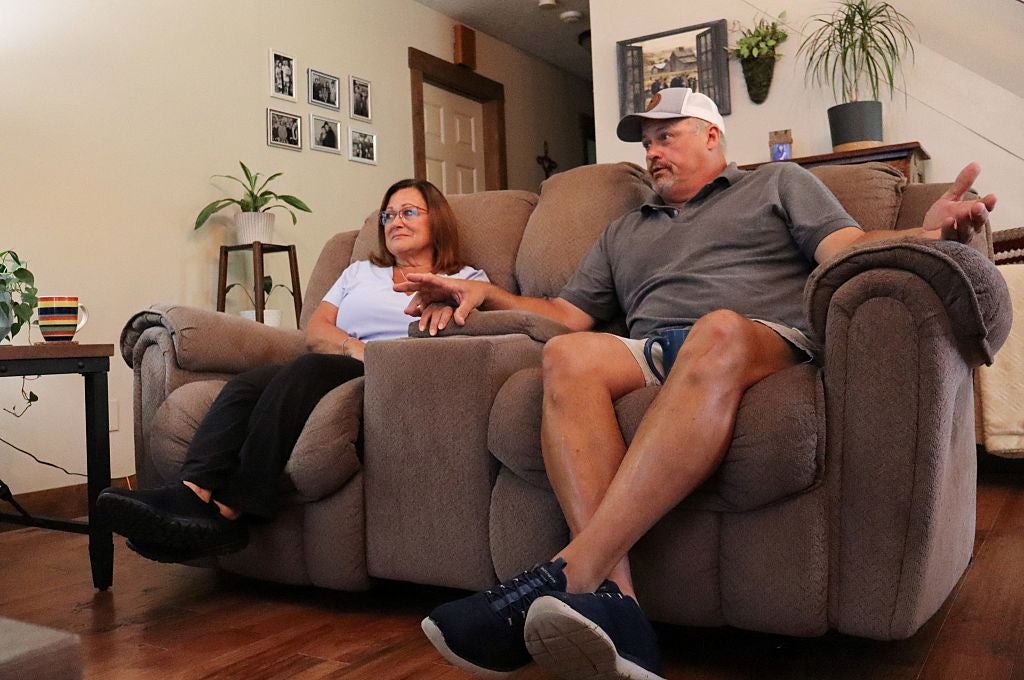
“Usually, the cost to refinance and rate points can be financed into the new loan,” Krieger said. “Your loan officer should be upfront about these costs so you can make an informed decision that best fits your needs.
Rushing into a reverse mortgage
Reverse mortgages are a unique mortgage product that caters to retirees, generally speaking. The borrower has to be at least 62 years old and meet several other criteria.
If you qualify, the loan is based on the equity built up in your home. Instead of sending you your cash and requiring you to make monthly payments to pay back what you owe, the lender sends you the approved loan amount through a lump sum, monthly payments or a combination of both, according to the Federal Trade Commission.
The borrower typically pays back the loan when they pass or move out of the home. Though repayment isn’t required when the borrower is alive, they’re still responsible for paying property taxes, home insurance, any community fees and home maintenance.
Reverse mortgages, also known as home equity conversion mortgages, are somewhat complex and can be easily misunderstood and, in some cases, can cause a home to go into foreclosure if the homeowner or their estate representative(s) don’t repay the loan when they move out or pass.
Because these products are a little more complex than other home loan types, it’s important that retirees don’t rush into a reverse mortgage, Bailey said.
“Reverse mortgages can … get tricky when borrowers don’t have a full understanding of the continuing responsibilities like keeping up with property taxes, insurance and maintenance,” Bailey said.
If you’re considering a reverse mortgage, take your time, read through the terms of the loan, and be sure you know exactly how the product works.
In most cases, you’ll be required to attend a counseling session with a reverse mortgage expert who will walk you through what having one is like and answer questions you may have, according to the Federal Trade Commission. This counseling session is critical to making a smart and unhurried decision.
“The counselor must explain the [reverse mortgage’s] costs, financial implications, and possible alternatives to a reverse mortgage,” the FTC explains. “Ask them to help you compare the costs of different types of reverse mortgages and tell you how different payment options, fees, and other costs affect the total cost of the loan over time.”
This article is sponsored by Credit Karma. We may earn a commission if you engage with their services using links in this article.
How retirees can wine and dine on a budget
How to retire well – 401(k) strategies for your 20s to your 60s
Hit with a ‘zombie mortgage’? Here’s how to fight back
Soaring gas prices threaten to wipe out Trump’s tax refund gains
McDonald’s burger prices vary 74% by state. Here is the cheapest
World’s largest furniture manufacturer is cutting hundreds of jobs at its Texas plant