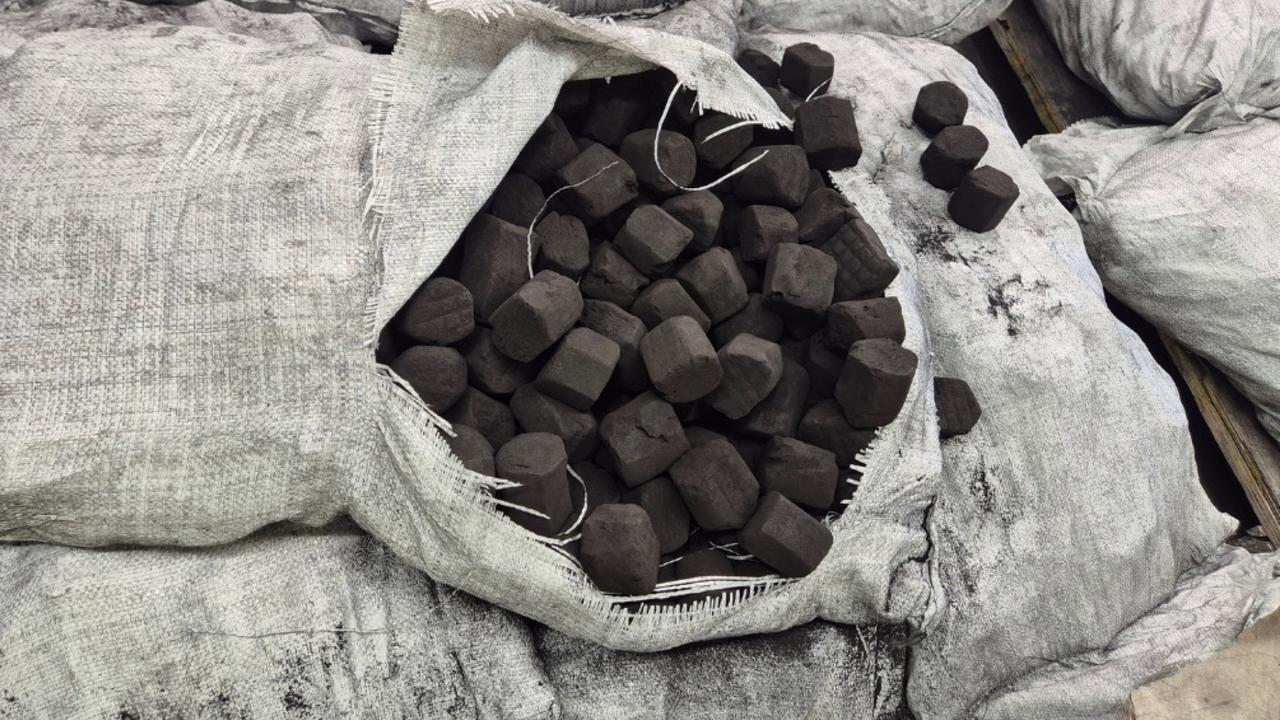
A 320kg shipment of crystal meth has been imported into Australia hidden in bags of charcoal that police uncovered using an X-ray machine.
Two shipping containers that arrived in Port Botany in Sydney from Ghana raised alarms for Australian Border Force officers.
Scans of the dozens of bags of charcoal revealed a white crystallised substance, with testing confirming it was methamphetamine.
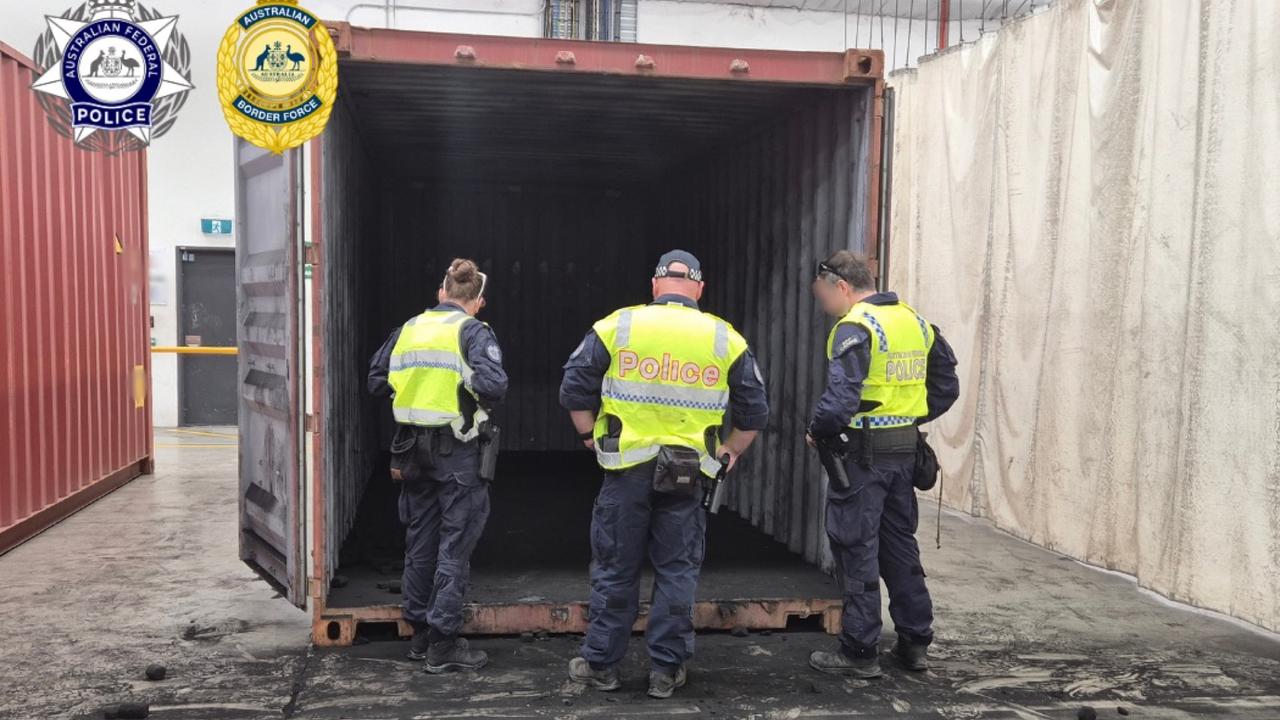
The drugs were removed and the charcoal was then delivered to a storage facility in Girraween in western Sydney on 20 April, where a British woman allegedly supervised a number of men as they unpacked the container.
Some of the bags were then loaded into a vehicle and driven to a house in Blacktown.
A short time later, Australian Federal Police investigators raided the woman's home and arrested her.
The British national was charged with attempting to possess a commercial quantity of border-controlled drugs.
She is due to face court in Sydney later on Thursday for her alleged role in the failed importation of the drugs worth an estimated street value of $296 million.
A 32-year-old man and 30-year-old woman were also charged in April 2026 over their alleged involvement by using fake identities to rent storage facilities for the drugs.
AFP Detective Acting Superintendent Trevor Robinson said authorities were continuing to investigate the suppliers and key facilitators of the drug importation.
"The seizure of these drugs - with an estimated street value of $296 million - has prevented a potential 3.2 million deals from reaching Australian streets," he said.
Electronic devices and a notebook were also seized and will be subject to further forensic examination.
The couple were charged with one count of dealing in identification information and failing to comply with an order to provide passwords to unlock digital devices.
They appeared in an Adelaide court on May 1 and are likely to remain in custody until they reappear in court in August.
ABF Superintendent Jared Leighton said criminal syndicates are going to great lengths to disguise illicit drugs by hiding them in everyday goods like charcoal.
"Our highly skilled officers are trained to see beyond these attempts," Supt Leighton said.