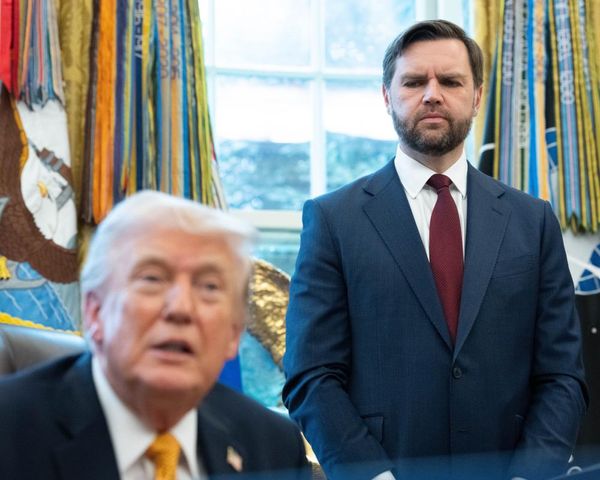
"There isn't going to be a currency union. Do finance ministers go around bluffing? It is essential to the national interest that you don't bluff."
So says Danny Alexander, the Liberal Democrat chief secretary to the Treasury, giving a foretaste of the bitterness of the divorce negotiations that will follow if Scotland votes yes to independence on 18 September.
The Treasury position, and that of all three main Westminster parties, may indeed turn out to be as unequivocal as Alexander suggests: no formal currency union at all, on any terms.
In practice, one suspects, Westminster may propose terms that would be viewed as outrageously harsh north of the border, such as control over Scottish banking regulation plus limits on an independent Scotland's borrowings.
Westminster would justify such demands by pointing to the dysfunctional eurozone, still struggling to cope with monetary union minus political union, and to the "technocratic assessment" of the governor of the Bank of England in January: "A durable, successful currency union requires some ceding of national sovereignty."
Whether a newly independent Scotland could accept such a ceding of sovereignty is obviously open to question. What would be the point of voting for independence if Holyrood's first action is to dance to Westminster's fiscal tune?
The alternative for Scotland is "sterlingisation" – or using sterling informally – but it is hard to imagine financial markets smiling on such an arrangement. As BNP Paribas's analysts argue: "A lack of formal commitment to a [currency] union could lead to capital flight from Scotland, tightening financial and monetary conditions there and making UK monetary policy less appropriate for Scotland."
BNP's theory is that the yes camp may be relying on the threat to adopt sterlingisation, which would have knock-on effects for the rest of the UK, to force Westminster to give ground. "The hope would be that by choosing sterlingisation, the Scottish government could force some degree of cooperation from the UK government, resulting in something that looked more akin to a currency union," the bank argues.
It's a theory, but an awful lot of political capital would have to be swallowed by both sides for such an agreement to come to pass. The process would also be messy – indeed it relies on the existence of a currency crisis to force a resolution – and there would be political after-shocks. In the circumstances, the 4% fall in the value of the pound over the past week looks a wholly appropriate reflection of the currency risks.
How long would it take to agree a workable divorce? The suggested 18 months seems far too short a period for practical political purposes, but also far too long for the financial markets' liking.