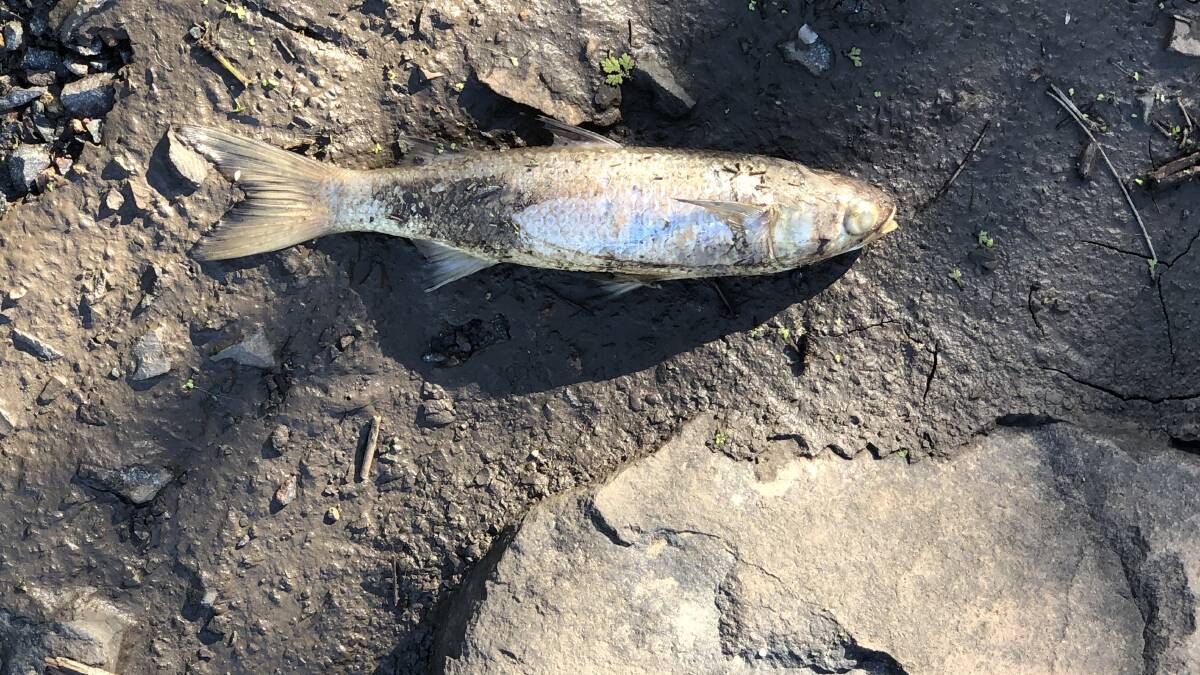
Masses of oxygen-starved fish are expected to float down the Hunter River in coming days as an infamous 'blackwater event' takes hold in the estuary.
A recent influx of freshwater and pollution combined with mild temperatures has produced a deadly cocktail for marine life.
A foul stench hung over parts of the river around Hexham on Friday afternoon as dozens of small mullet floated near the banks.
Larger more resilient species are also likely to die as oxygen levels plummet to near zero.
The incident, that saw tens of thousands of fish and marine life die in the Hunter, Paterson and Williams rivers, was the largest recorded fish kill in the Hunter.
The estuary took the best part of a year to recover.
The NSW Environment Protection Authority said on Friday that sampling conducted on Tuesday had recorded low oxygen levels from Raymond Terrace to Sandgate.
Blackwater is also expected to impact estuaries across the state that have been inundated with heavy rain in recent weeks.
EPA Director of regulatory operations Adam Gilligan said as the floodwaters moved over low-lying areas surrounding the rivers, they picked up large quantities of organic matter, including decaying vegetation and leaves, as well as dirt, sand and other debris.
"Although an important process for healthy river function, the decomposition of organic matter depletes oxygen levels in the water and releases tannins which give the water a distinctive black colour," Mr Gilligan said.
"This natural process is commonly known as 'blackwater' and is likely to cause fish deaths in rivers. The stagnant water also contributes to the odours which can smell like rotten egg gas.
"Blackwater after flooding is a natural feature of Australian river systems and the capacity to prevent and manage the impacts of blackwater is limited."
Mr Gilligan said the EPA was supporting local councils and other government agencies by sampling flood waters and providing advice.
"The EPA will continue taking samples and testing water sites where required," he said.
"We encourage the community to be patient and to make contact with the EPA if they have concerns about polluted waterways in their area,"
River water may contain infectious organisms and chemicals, particularly after heavy rain periods. Entering river water after heavy rain increases the risk of injury and infection.
People choosing to swim in rivers at any time should avoid swallowing water. If you have swallowed river water and become ill, seek medical advice.
If you are concerned about polluted floodwaters please contact Environment Line on 131 555 or by email at info@epa.nsw.gov.au.