What is it?
The towering, monolithic Black Sabbath – there are few bands that compare, in terms of sheer cultural significance.
In particular, if you are a metalhead, there’s absolutely no two ways about it – you owe your music’s existence to them. Even if they aren’t a direct influence on your chosen bands, dig deep enough and Black Sabbath is at the root of all heavy metal.
In 2025, the buzz around Sabbath’s triumphant final show caused many to revisit the distinguished works of Birmingham’s four shaggy-haired horsemen of the Apocalypse and, almost six decades on, Sabbath were as popular and widely adored as they’d ever been.
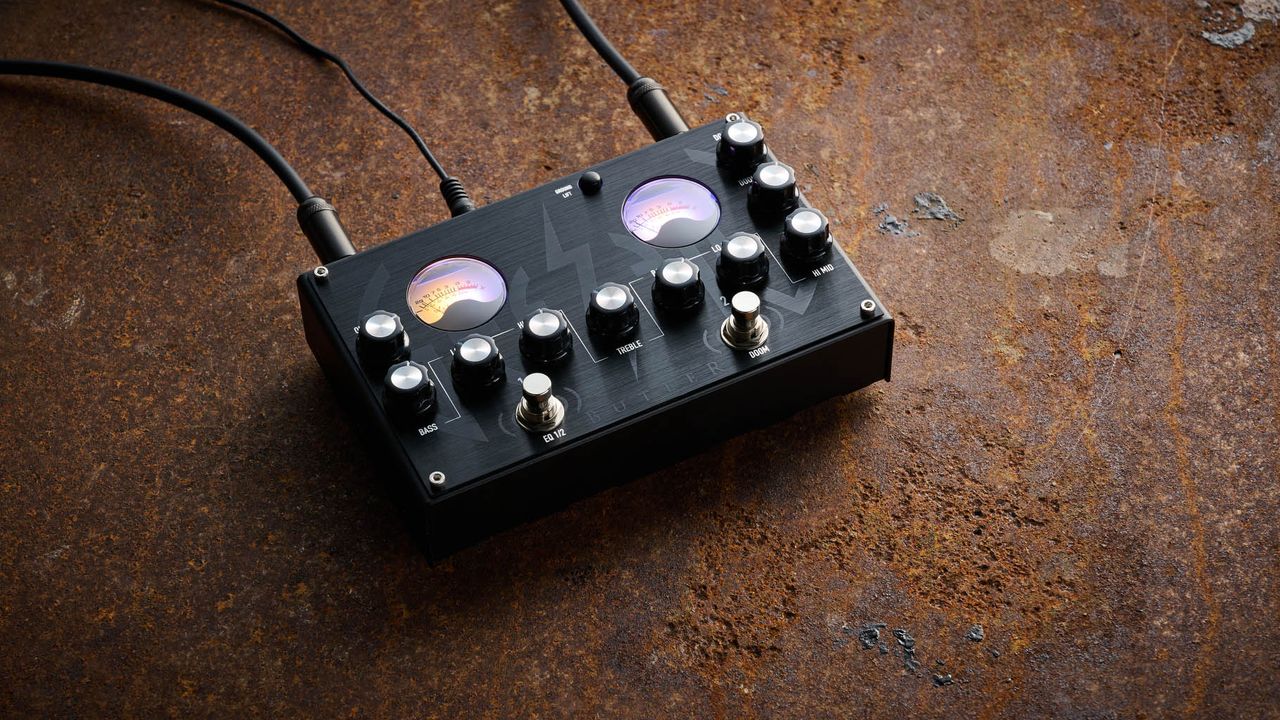
Terence ‘Geezer’ Butler is a perennial hero of bass guitar, inspiring generations of musicians with his distinctive, powerful playing. In recent years, Butler has favoured Ashdown amplifiers, co-creating a flagship signature head and, here with me today, a dual-EQ overdrive pedal with a DI output.
The names state intent – the amp is called the Head of Doom, and this black box is the Pedal of Doom.
Specs
- Price: $299 | £249 | €349
- Type: Bass preamp/overdrive/DI
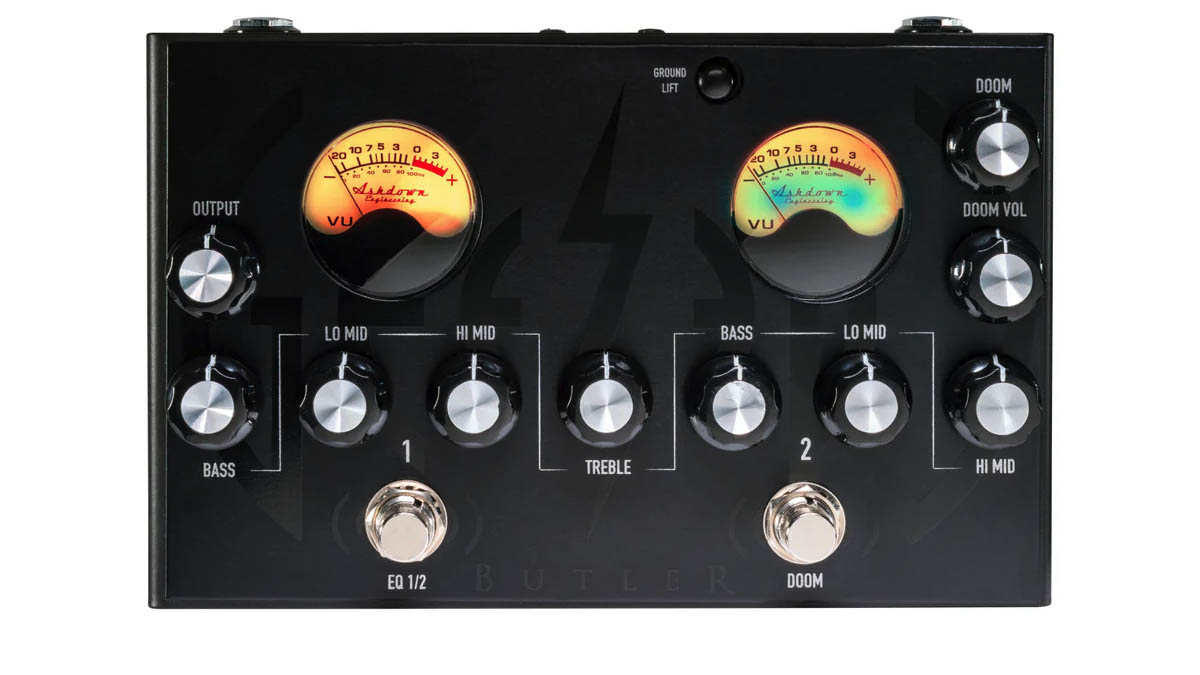
- Controls: Output, Bass 1, Lo Mid 1, Hi Mid 1, Treble, Bass 2, Lo Mid 2, Hi Mid 2, Doom Vol, Doom, Ground/Lift button
- Features: Switchable Doom overdrive/fuzz, selectable dual EQs, dual VU meters
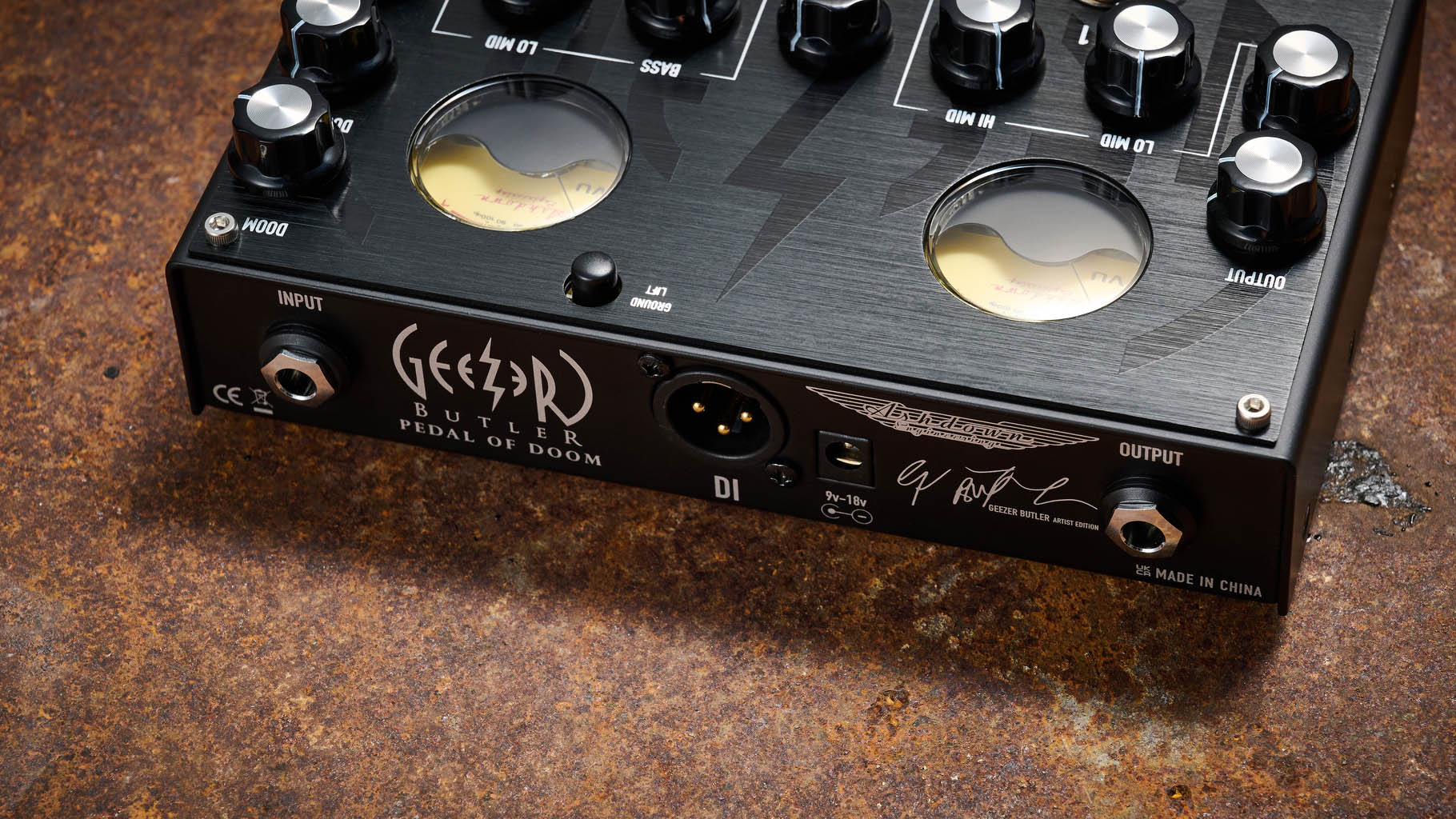
- Connectivity: 1/4" instrument input, XLR output, DC input, 1/4" amplifier output
- Power: 9v/18v, 100mA
- Dimensions: 183 x 120 x 65 mm
- Weight: 1.28kg
- Contact: Ashdown Engineering
Build quality
Build quality rating: ★★★★½
We were talking about heavy metal; appropriately, the theme continues with the Pedal of Doom.
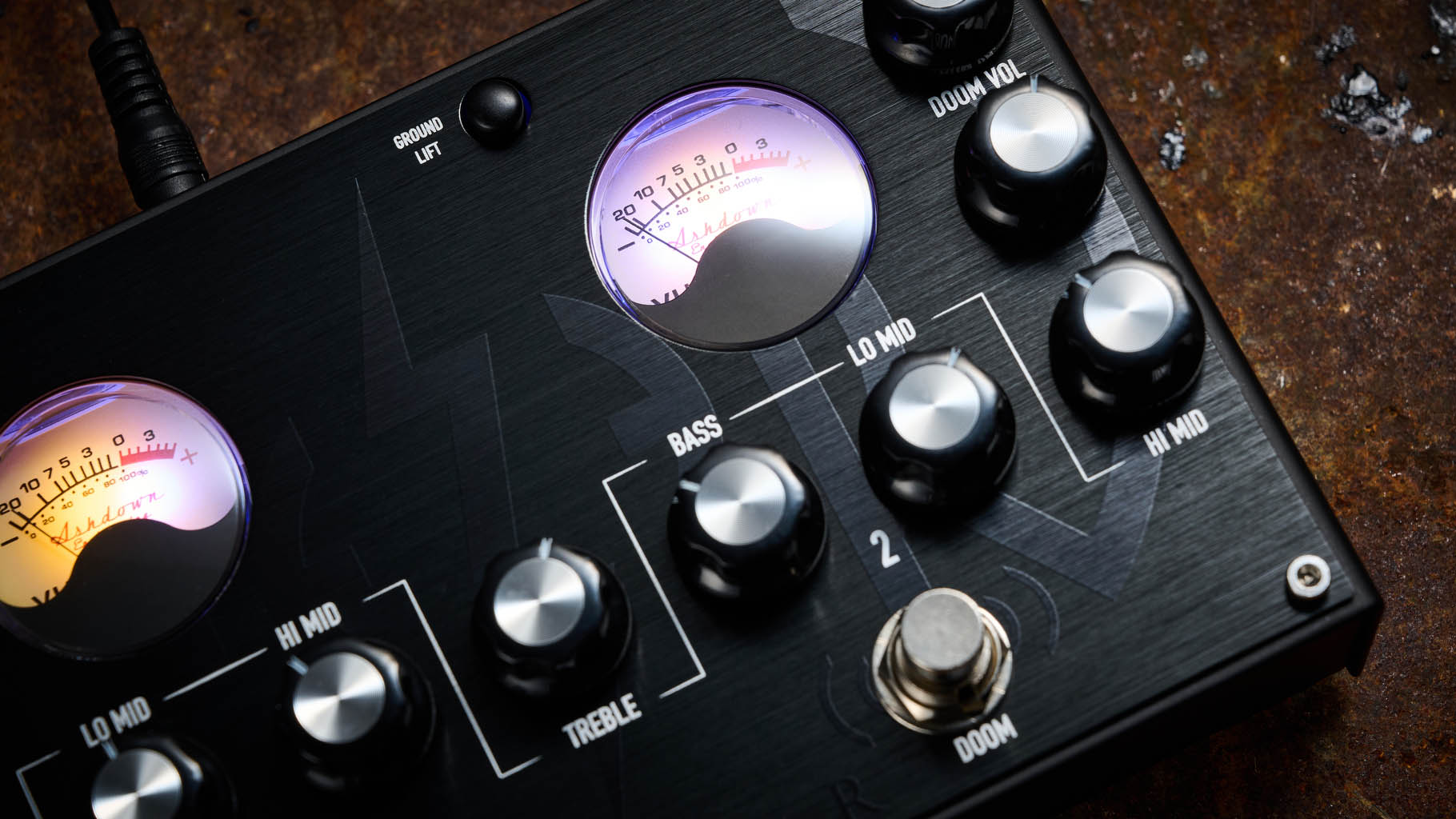
The enclosure is solid steel, 1.6mm thick – plus another aluminium faceplate mounted on top, just to hammer the point home. It weighs a hefty 1.28kg, and is built like the proverbial brick outhouse; it certainly doesn’t feel like it would crack under the pressure of live use.
Quite the opposite – it feels like you could drop it and damage the floor more than the pedal.
Usability
Usability rating: ★★★☆☆
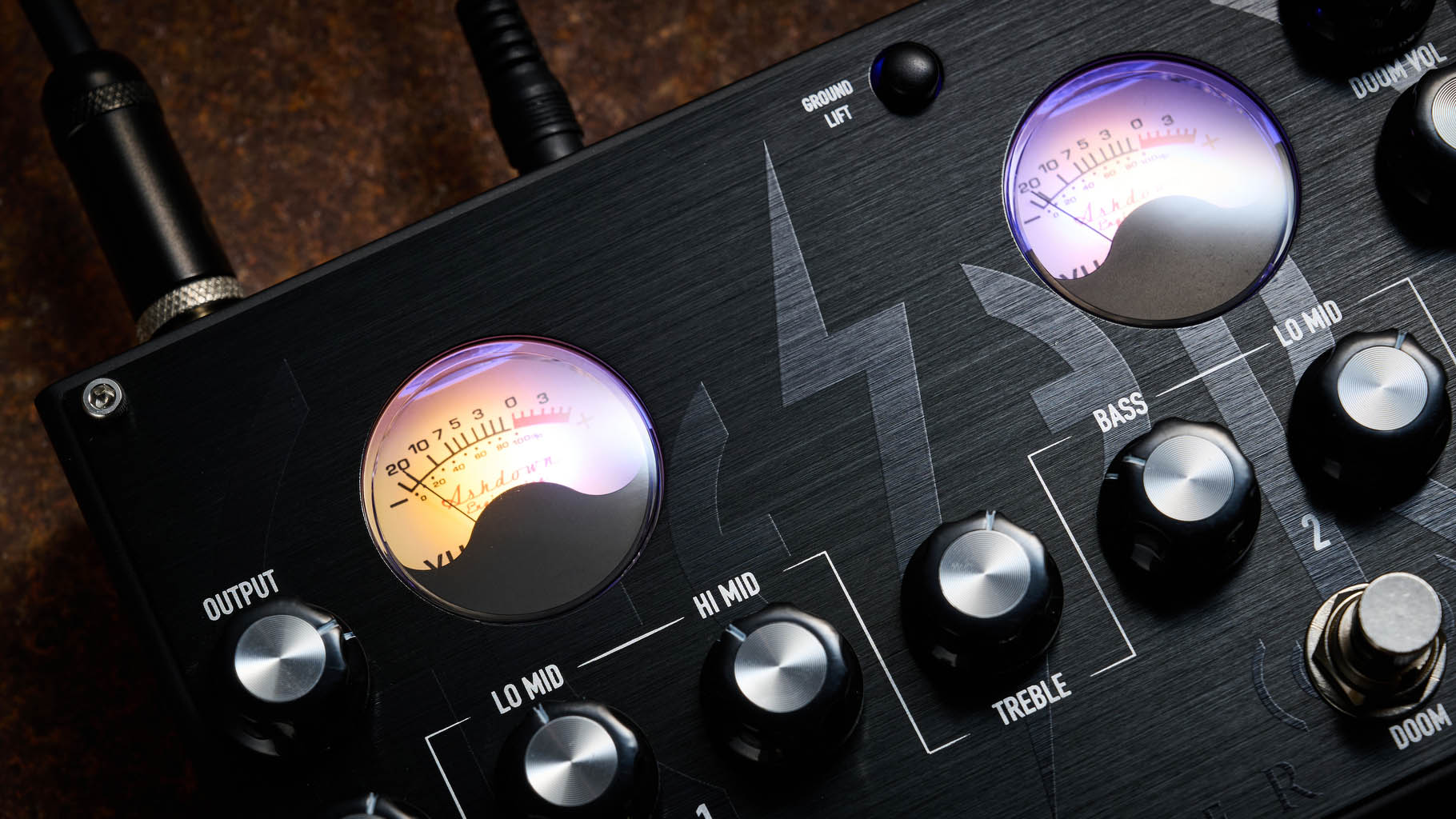
The Doom circuit that gives the pedal its name
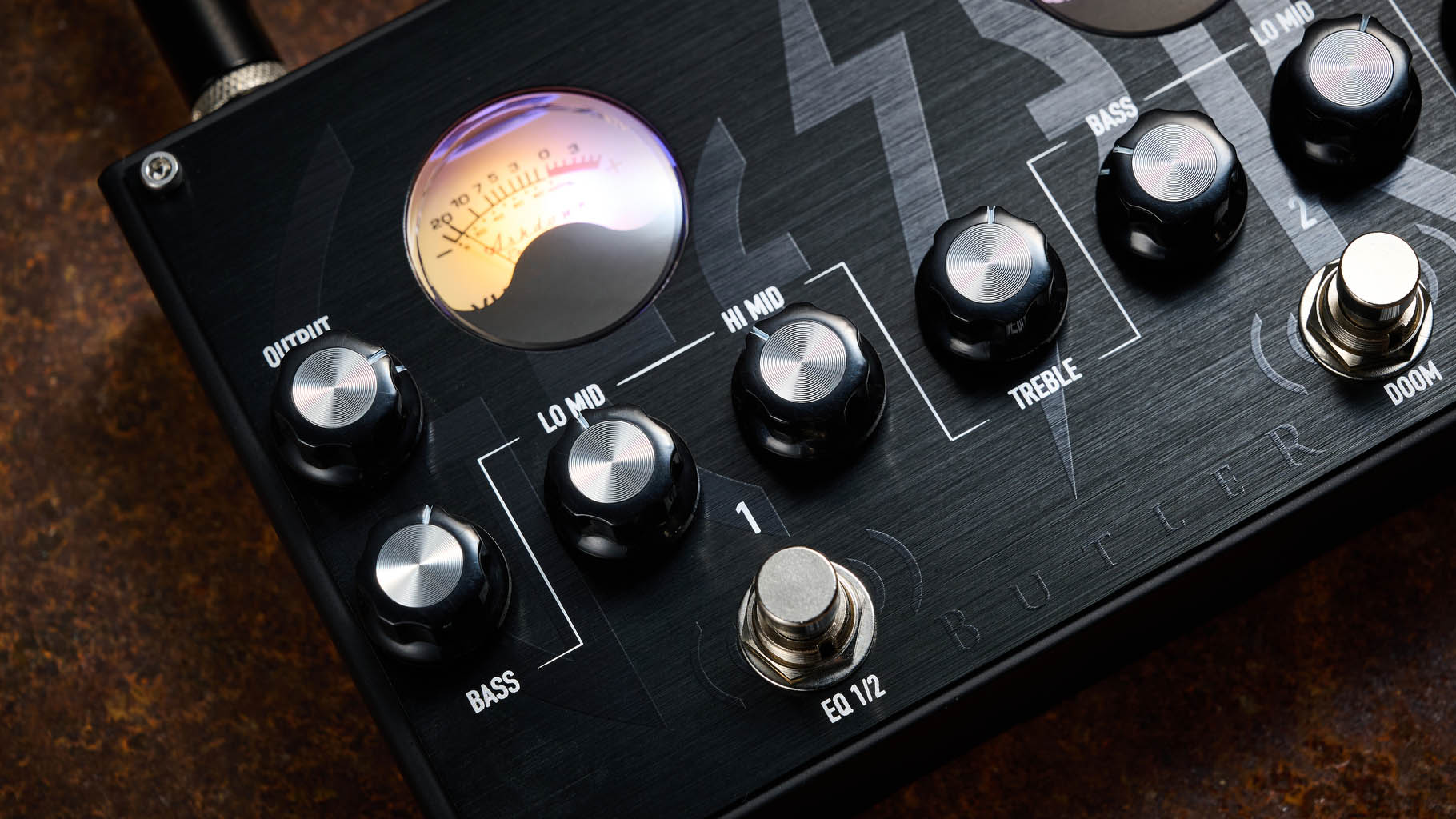
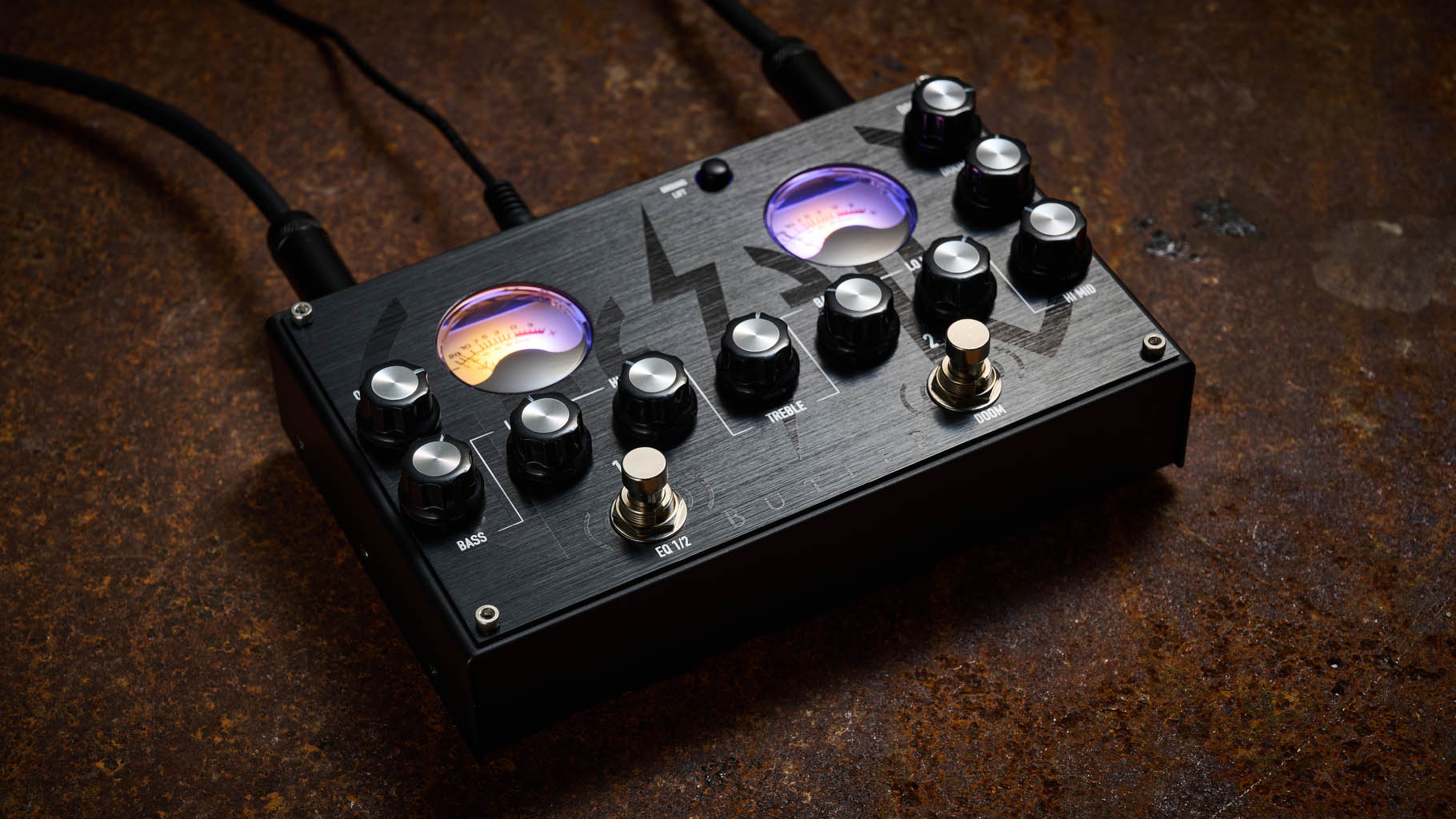
The Ashdown is flush with seven EQ controls in total, having two separate channels with independent Bass, Lo Mid and Hi Mid, plus a shared Treble control between both.
Then, the Doom circuit that gives the pedal its name – this is a built-in drive stage with gain and volume controls, which can be balanced against the overall master volume of the pedal. The Pedal of Doom can be run at 9V, or 18V for more headroom.
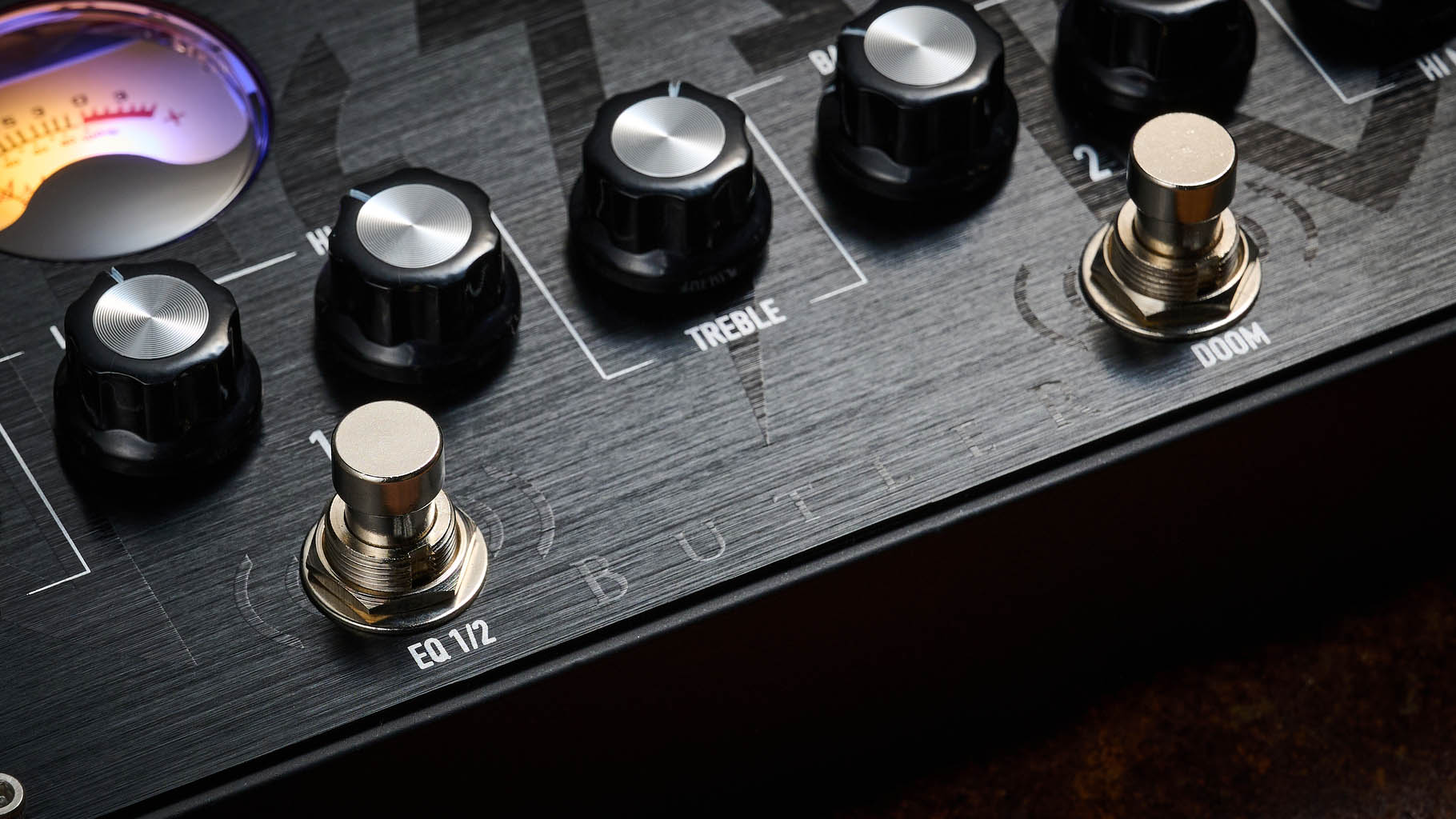
There are two footswitches; the left switches between EQs 1 and 2, and the right engages Doom. The mode of operation is signalled by lights mounted within a pair of Ashdown's trademark VU meters. All straightforward and intuitive enough.
The problem is that, to make room for those meters, the row of knobs is mounted very close to the two footswitches, making it easy to knock your settings by accident; rather an unusual design oversight, on what is a relatively large pedal.
Sounds
Sounds rating: ★★★★☆
Turn up more, and you’re in full-blown fuzz territory
Butler’s sound is a P-Bass, played fingerstyle relatively near the neck, and hard; you can often hear the metallic clank of string hitting fret on those old Sabbath bass tracks. He isn’t big on overdrive either; a little bit of organic-sounding grit, sure, and his aggressive style drives the signal hard but, broadly speaking, not a high-gain sound.
As such, it’s surprising to kick in the Doom circuit, gain only half-way up, and be met with a heavily distorted signal. Turn up more, and you’re in full-blown fuzz territory. An angry, wildly saturated roar; entertaining for gain-hounds but, dare I say it… not very ‘Sabbath’ at all.
In the lower reaches of the Doom control, though, there are some far more tasteful and usable sounds to be had. With gain below 9 o’clock and volume higher to compensate, you can achieve a lovely, thick tone not dissimilar to those Butler is known for, with just a little retro-sounding fur around the edges.
Nudge it up to 9 or 10 o’clock and you can even approximate the sound of a cooking Ampeg B-15
Nudge it up to 9 or 10 o’clock and you can even approximate the sound of a cooking Ampeg B-15. These sounds are where the real utility of the Pedal of Doom lies.
Once you’ve dialled in the two EQs, it’s possible to have two quite distinct tones to switch between. The EQs affect the signal when the Doom circuit is off, too, so there’s no reason it couldn’t be combined with other effects to shape your clean signal, as well as providing an extra gain stage.
It’s a curious decision to link a shared Treble control to the two EQs; it limits adjustability. It might have been more useful to have a shared Bass control, to ensure an even spread of low-end frequencies between the two settings, to allow the rest of the frequencies to be sculpted to taste.
Verdict
It’s a sturdy, useful box in its own right though – with warm vintage tones, devastating fuzz and plenty of EQ shaping
Replicating Geezer Butler’s sound arguably doesn’t call for much in the way of pedals, and the Pedal of Doom is easily at its best (and closest to that tone) in the very low reaches of the gain control.
Seems a waste perhaps, for a pedal with so much distortion on tap – but those cleaner tones are very characterful and usable, evoking classic tube-driven bass amps. Its feeling of utter solidity suggests it’ll be just as long-lived too.
Guitar World verdict: The Pedal of Doom is a strange fish; while it can undoubtedly summon the sonic Armageddon its name suggests, it isn’t necessarily a ticket to Geezer Butler’s classic sound. It’s a sturdy, useful box in its own right though – with warm vintage tones, devastating fuzz and plenty of EQ shaping.
Test |
Results |
Score |
|---|---|---|
Build quality |
That enclosure is fortress-like, but let's hope those awkwardly-placed controls can take a bit of a kicking... |
★★★★½ |
Usability |
The footswitches and EQ knobs are fighting for the same space, and it can take some dialling to find the useful tones. |
★★★☆☆ |
Sounds |
Plenty of EQ shaping and characterful vintage amp-like grit low down, but a much more niche prospect with the gain past about 10 o'clock. |
★★★★☆ |
Overall |
Heavy metal in concept, and heavy metal in execution. It's got a lot going for it but, despite the name, don't expect instant Geezer Butler. |
★★★★☆ |