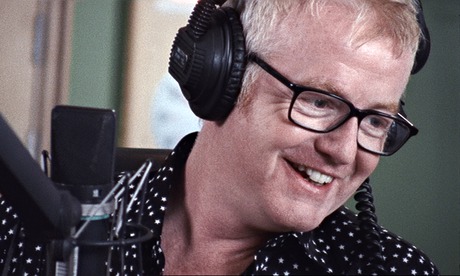
That combination of lightness and energy that a breakfast show DJ is supposed to provide seems such a simple ability that it’s amazing that more radio presenters don’t have it. Chris Evans (Weekdays, 6.30am, Radio 2) does. His trick is never to stay on one topic too long because it’s amazing how quickly cheekiness curdles into sarcasm once you do that. As I was reminded the other week, Evans knows how to keep things moving, from Olivia Newton-John doing Xanadu (just how Radio 2 is that?) through Anthony Newley’s Pop Goes The Weasel to the latest by One Direction, via some light banter with newsreader Moira Stuart about what happened to London fog and a well-drilled nine-year-old who’d just been to see The Railway Children. A master at work.
Elvis Costello’s father was a dance band singer and so, for Elvis, becoming a professional musician was not an impossible dream so much as the family business. Among the themes of his mammoth memoir Unfaithful Music & Disappearing Ink, which he reads this week (Weekdays, 9.45am, Radio 4) are the illusions that other people have about the things that go with that trade. In only his second interview as a somewhat reluctant pop star in the late 70s, a man from the Mirror in a reassuringly dirty mac nudgingly begs: “Tell us about the girls.” Elvis is forced to confess that until you reach a certain eminence there really aren’t any, which is still one of the best-kept secrets of the music business.
Writer, presenter and musician David Bramwell has made some intriguing radio programmes over the last few years on subjects such as Ivor Cutler, time travel and murmurations of starlings, some of which you can find on his excellent website (drbramwell.com). His new one Between The Ears: White Rabbits In Sussex (Saturday, 9.30pm, Radio 3) tells the curious story of how an amateur sound recording of a production of Alice Through The Looking Glass made in Ditchling Village Hall in Sussex in 1969 has become a much sought-after example of the genre known to later generations as “psych folk”. In the course of his investigation travelling the Sussex Downs, he brushes up against Arthur Brown, he of the burning headgear, doyen of English folk singers Shirley Collins and BBC presenter Martha Kearney, who was Alice in the original production at the age of eight.
“I look on BuzzFeed, I read the Guardian site, I read the Daily Mail online but I’m trying to do that slightly less.” That’s a bored librarian in Lucy Kellaway’s The Joy Of 9 To 5 (Wednesday, 11.02am, Radio 4) describing what is known in the office as “cyber-skiving”. In academic circles it’s called “empty labour”. Kellaway observes that we don’t work anything like as hard as we like to think we do and that we’ve extended the hours of labour because we like it and feel it increases our prestige within society. Our librarian is rare because she confesses that she has less work than she needs to fill the hours. Most of us plead the opposite, pretending we’ve got more work than we have time to do it in. It’s a pretence we keep up in front of colleagues as well as our nearest and dearest. An experienced observer of the way that people deal with the end of the day notes that very few have the nerve to leave work when their hours are up. However, as soon as the first person makes a move then 25% of their colleagues follow immediately. An anthropologist would have a field day.