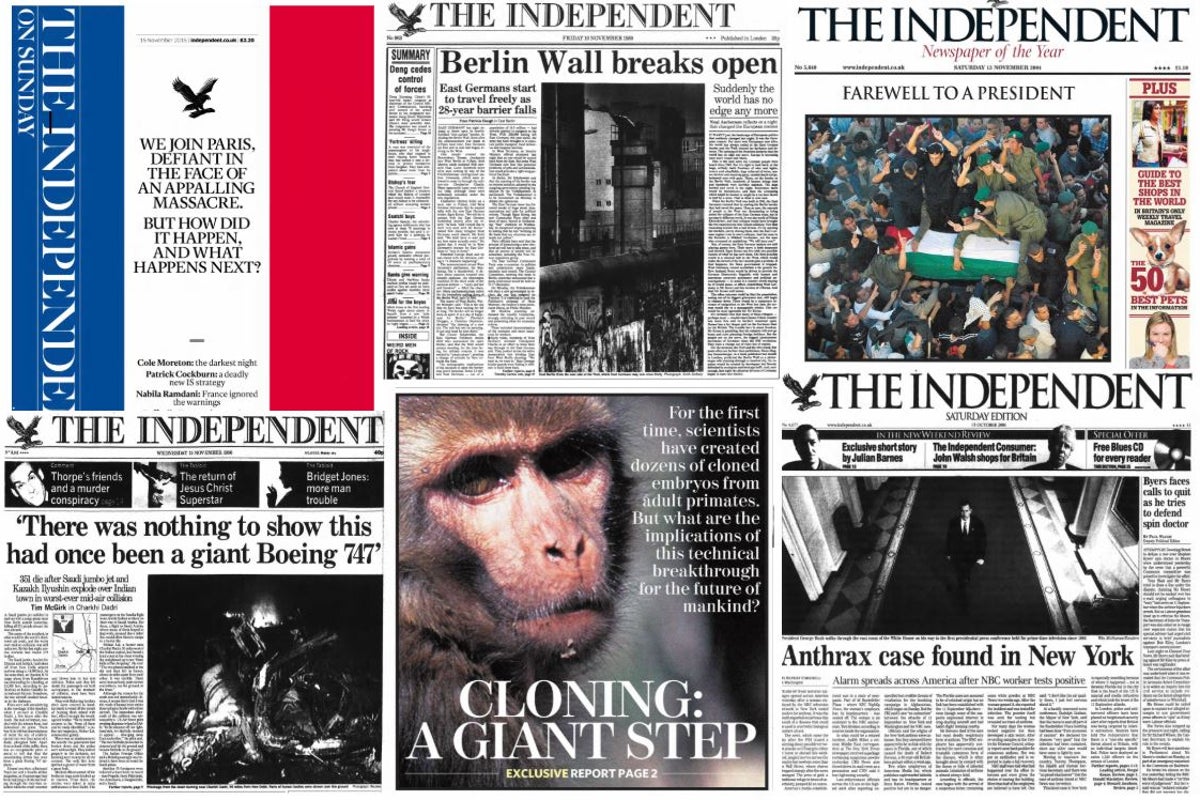
Since it was founded in 1986, The Independent has charted turning points in modern history that took place between 10 and 16 November – the fall of the Berlin Wall, the challenge that ended Margaret Thatcher’s premiership, conflict in the Middle East, and scientific breakthroughs that unsettled old certainties. This week in history traces decades of change, as reported in real time.
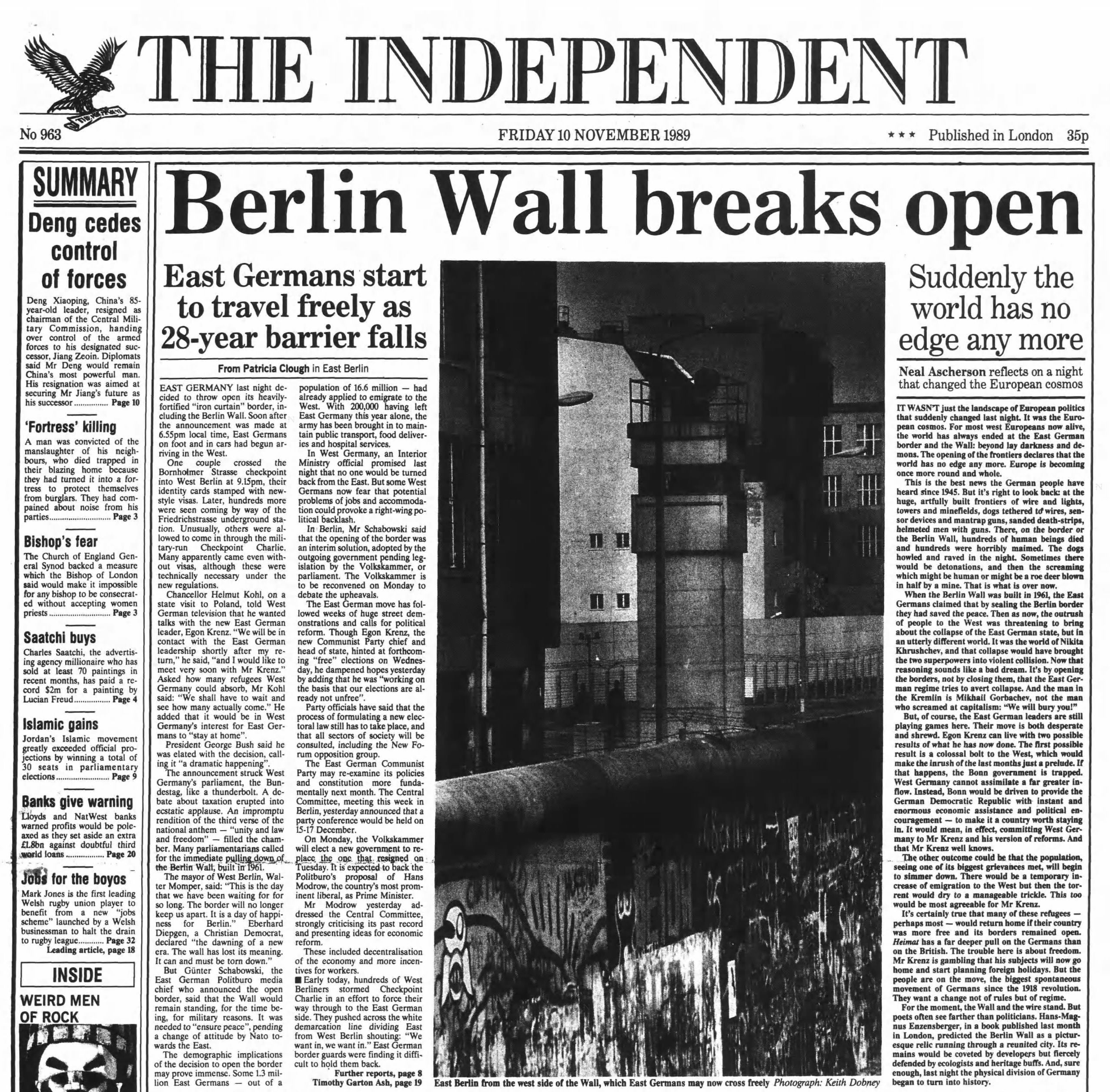
10 November 1989 – The Berlin Wall breaks open
Crowds surge through newly opened checkpoints, as The Independent observes “the physical division of Germany beginning to turn into history”. The fall of the wall ends 28 years of separation, after a confused announcement allows citizens of East Berlin to cross freely. It signals the end of the iron curtain and the beginning of the path to German reunification.
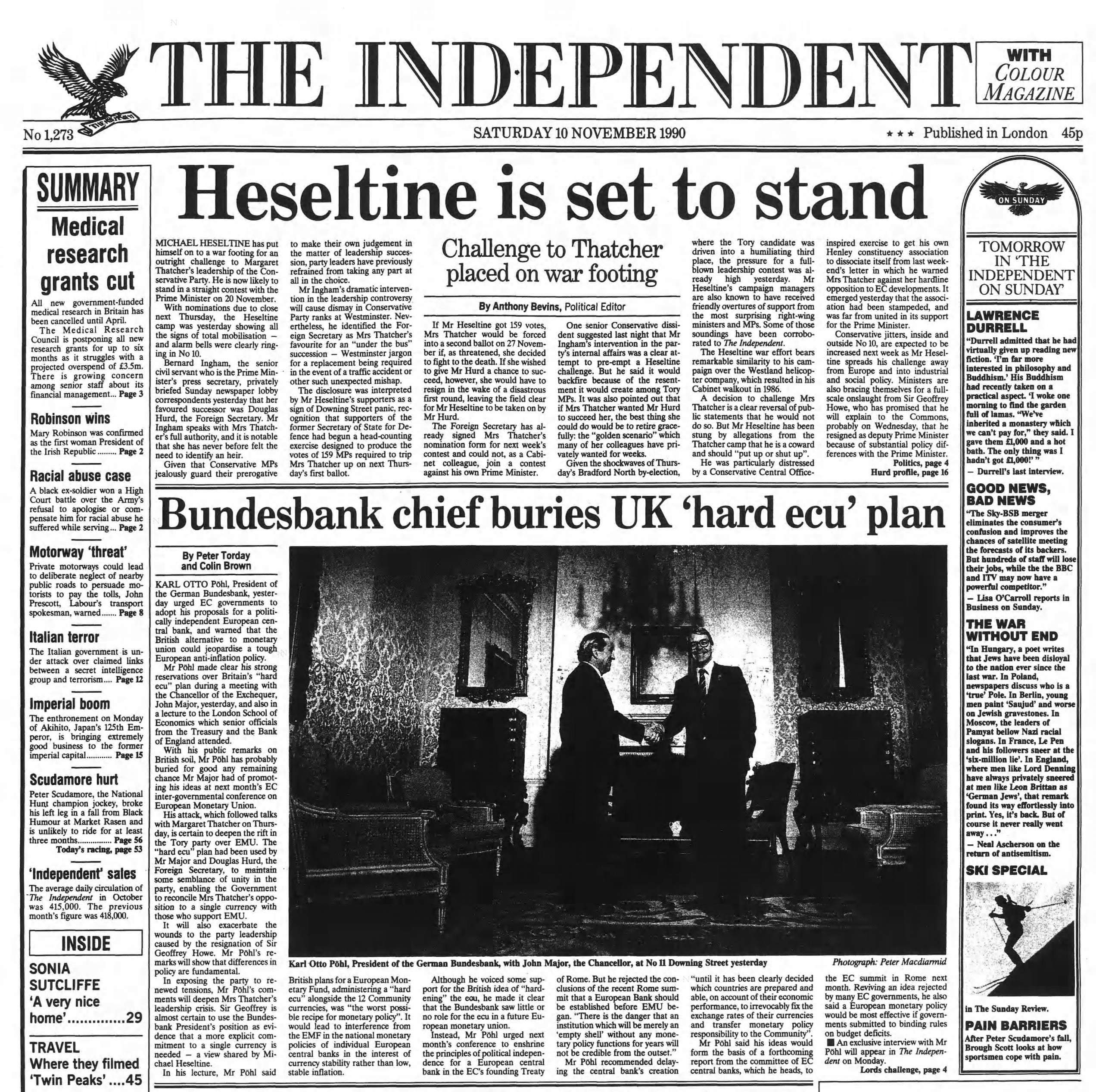
10 November 1990 – Heseltine challenges Thatcher
A decisive challenge to Margaret Thatcher’s leadership emerges, as Michael Heseltine openly contests her hold on the Conservative Party, “putting himself on a war footing” with the embattled prime minister. Within days, the revolt inside the party would force her resignation after 11 years in power.
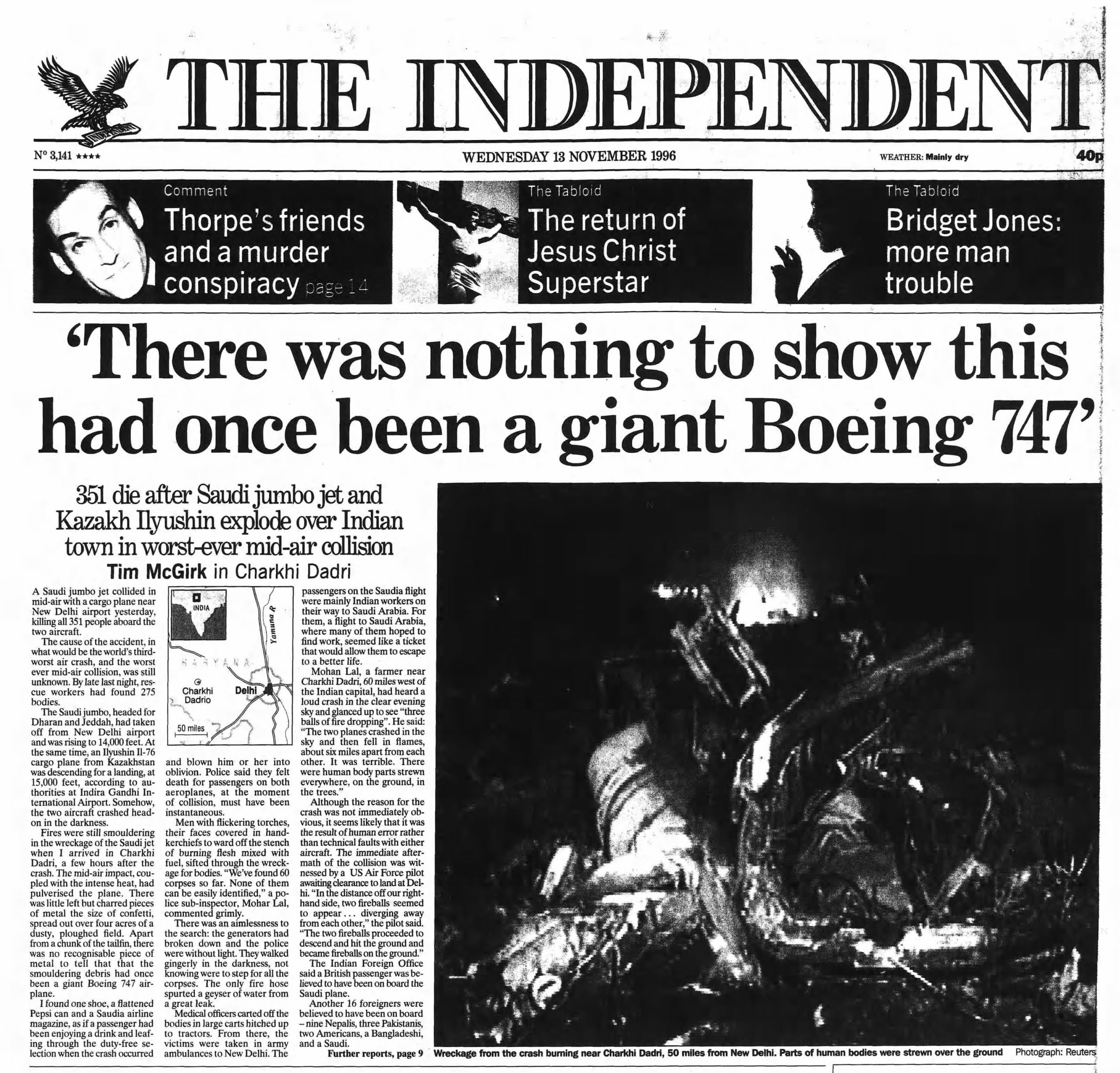
13 November 1996 – Mid-air collision over India
A mid-air collision near New Delhi between a Saudi Boeing 747 and a Kazakhstan Airlines jet kills everyone on board. One of the deadliest aviation disasters in history, the horrific crash leads to major reforms in international air traffic control.
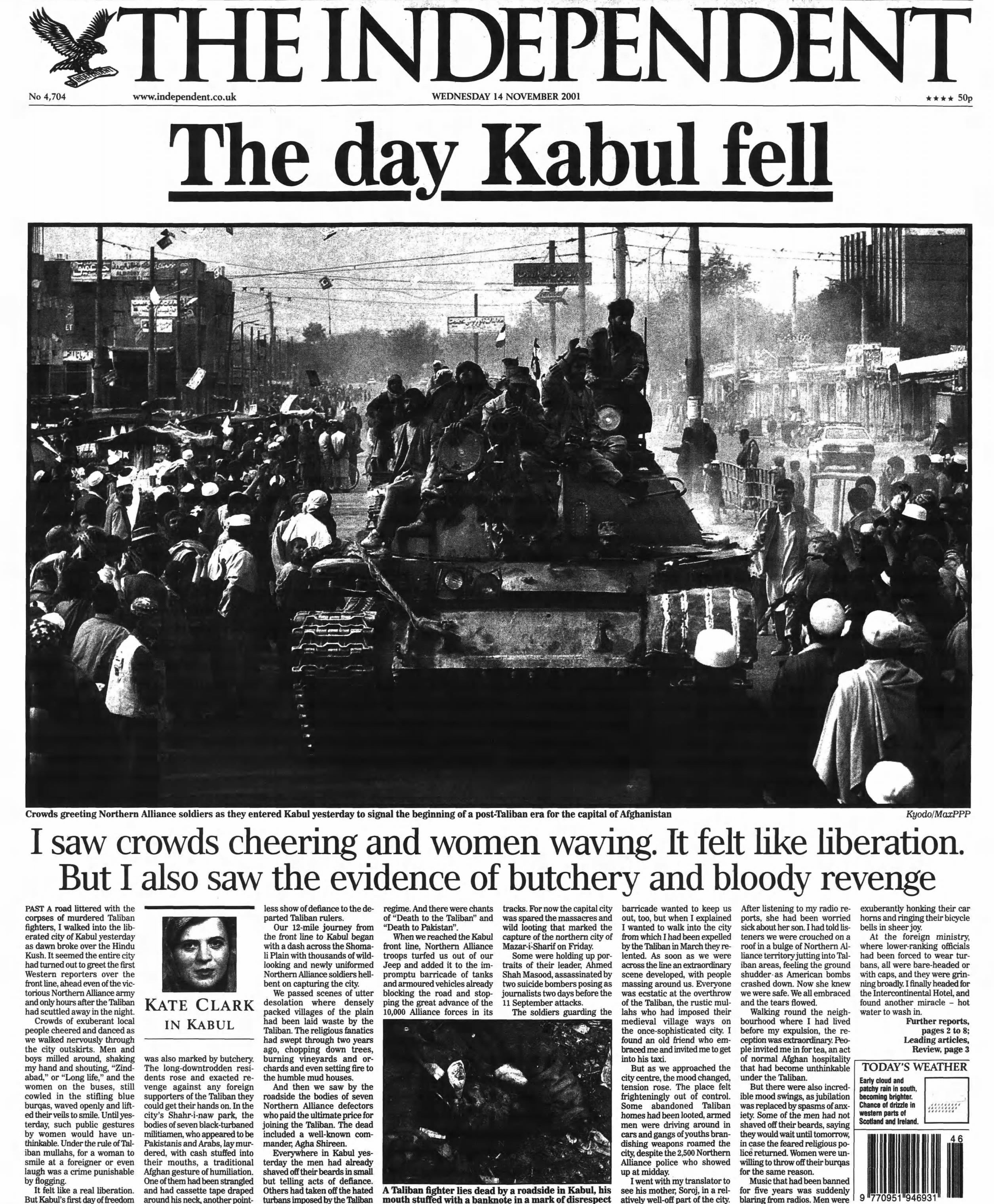
14 November 2001 – The day Kabul fell
Reporting from the Afghan capital, Kate Clark writes: “I saw crowds cheering and women waving. It felt like liberation. But I also saw evidence of butchery and bloody revenge.” The Taliban’s retreat from Kabul marks the end of one regime and the beginning of another long war.
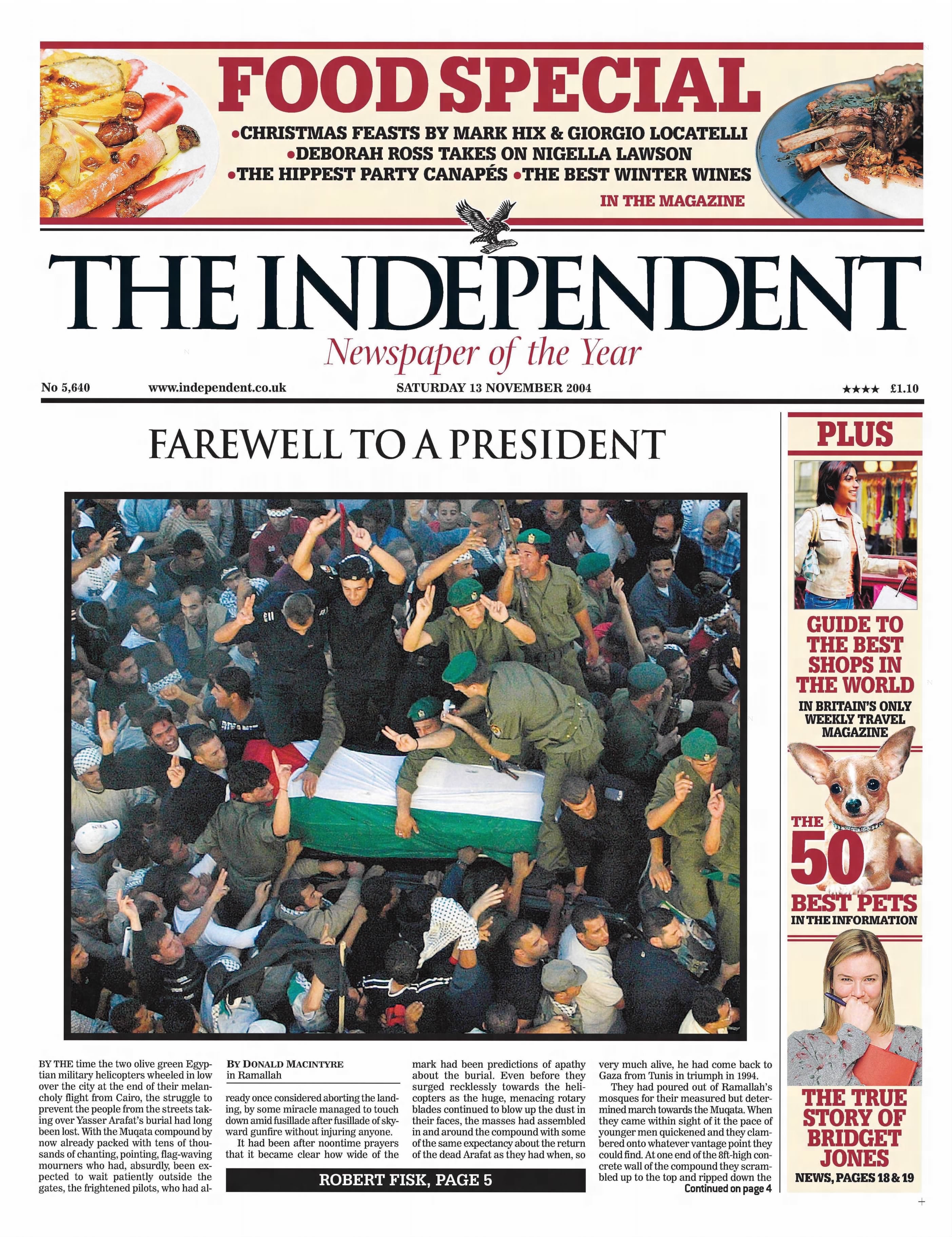
13 November 2004 – Yasser Arafat dies
The Independent reports crowds pouring into the streets of Ramallah following the death of Yasser Arafat in Paris. His passing leaves the Palestinian national movement without its defining figurehead, creating a leadership vacuum and deep uncertainty over the future path to statehood.
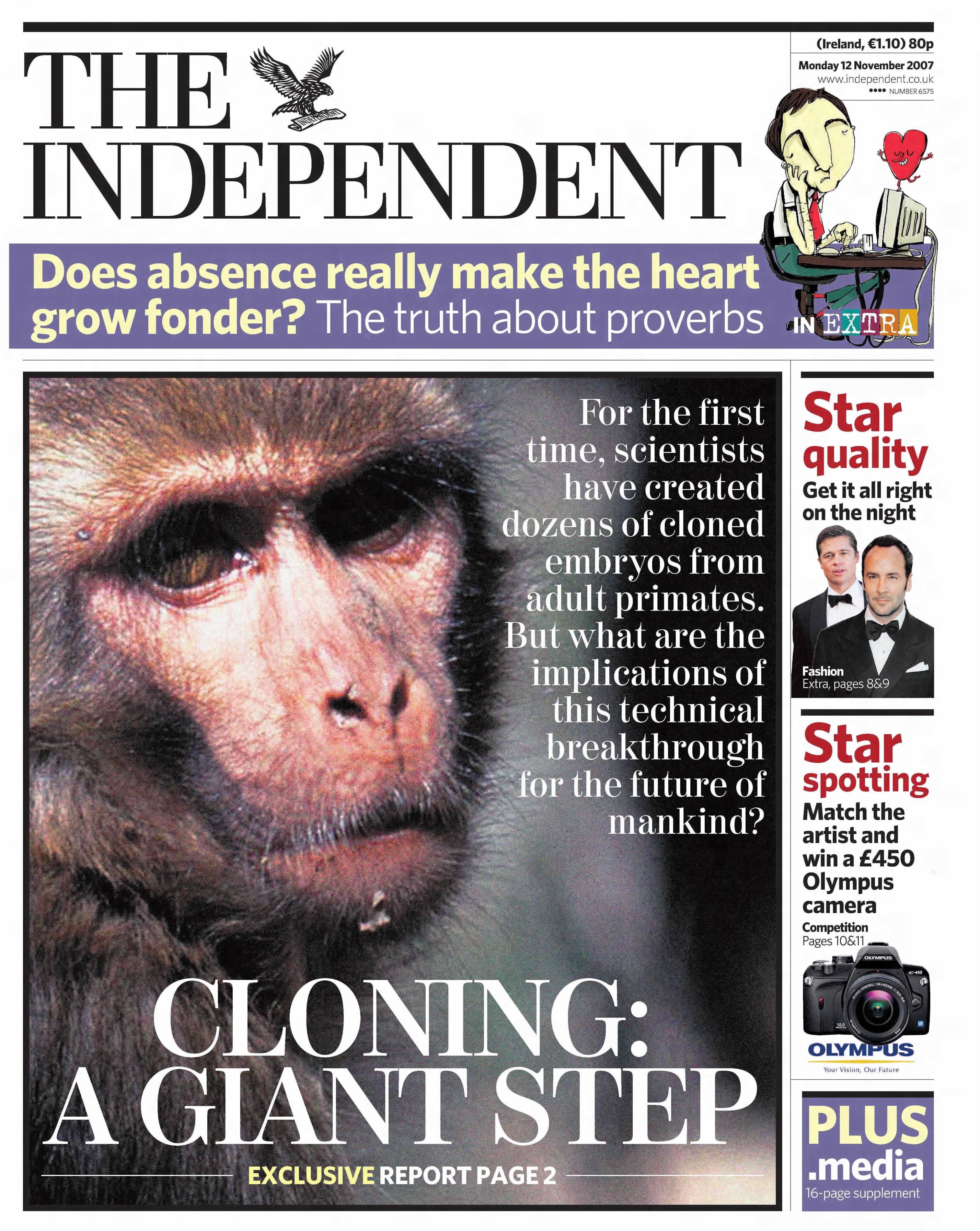
12 November 2007 – Primate cloning breakthrough
Scientists announce the creation of dozens of cloned embryos from adult monkeys, a landmark step towards potential human cloning. The Independent examines what the breakthrough might mean for the “future of mankind”, though technical and ethical barriers would stall further progress for more than a decade.
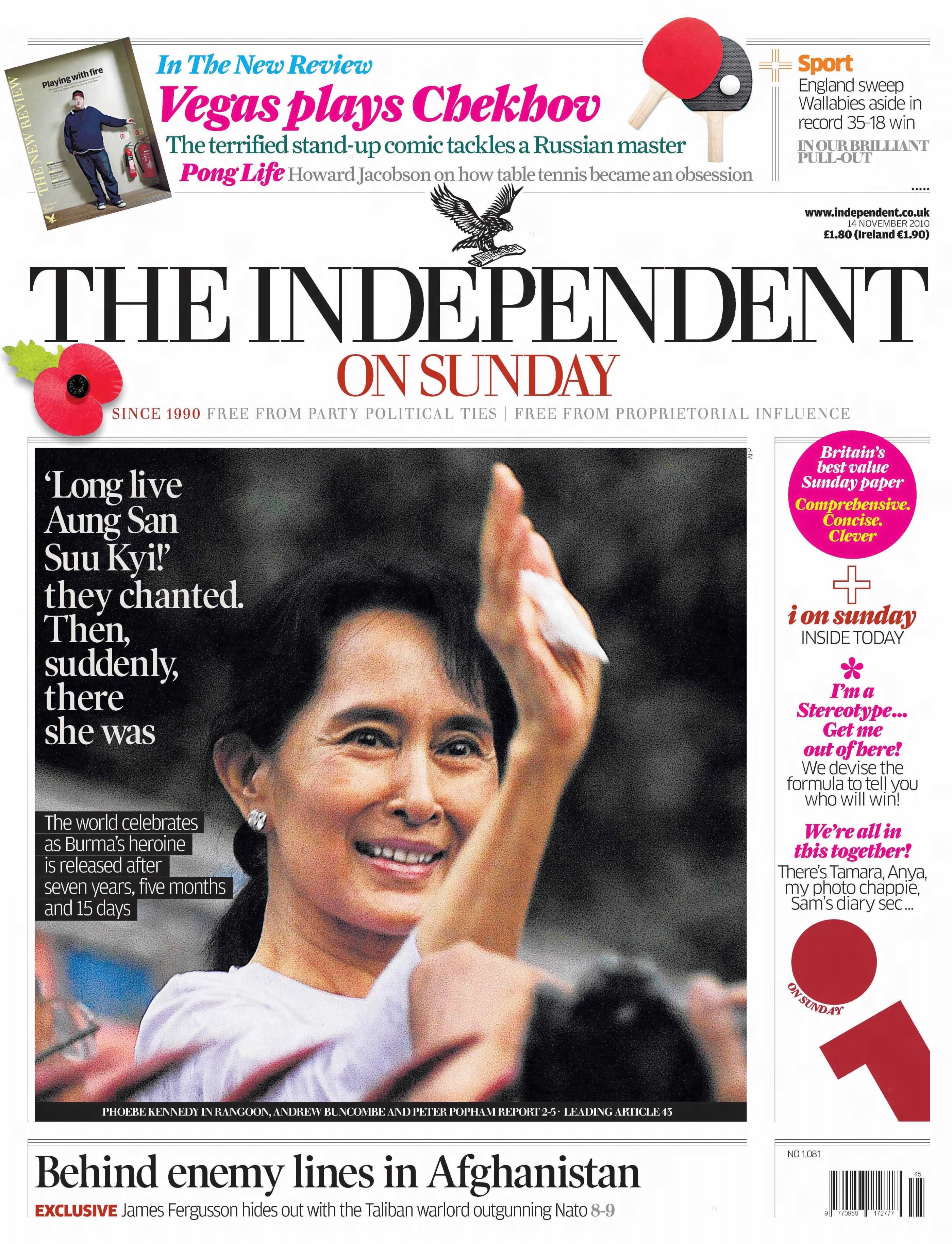
14 November 2010 – Aung San Suu Kyi freed
After seven years, five months and 15 days under house arrest, Myanmar’s pro-democracy leader walks free to global celebration. Recently, world leaders have renewed calls for her release – an echo of 2010, as Suu Kyi is once again being detained by the country’s military authorities.
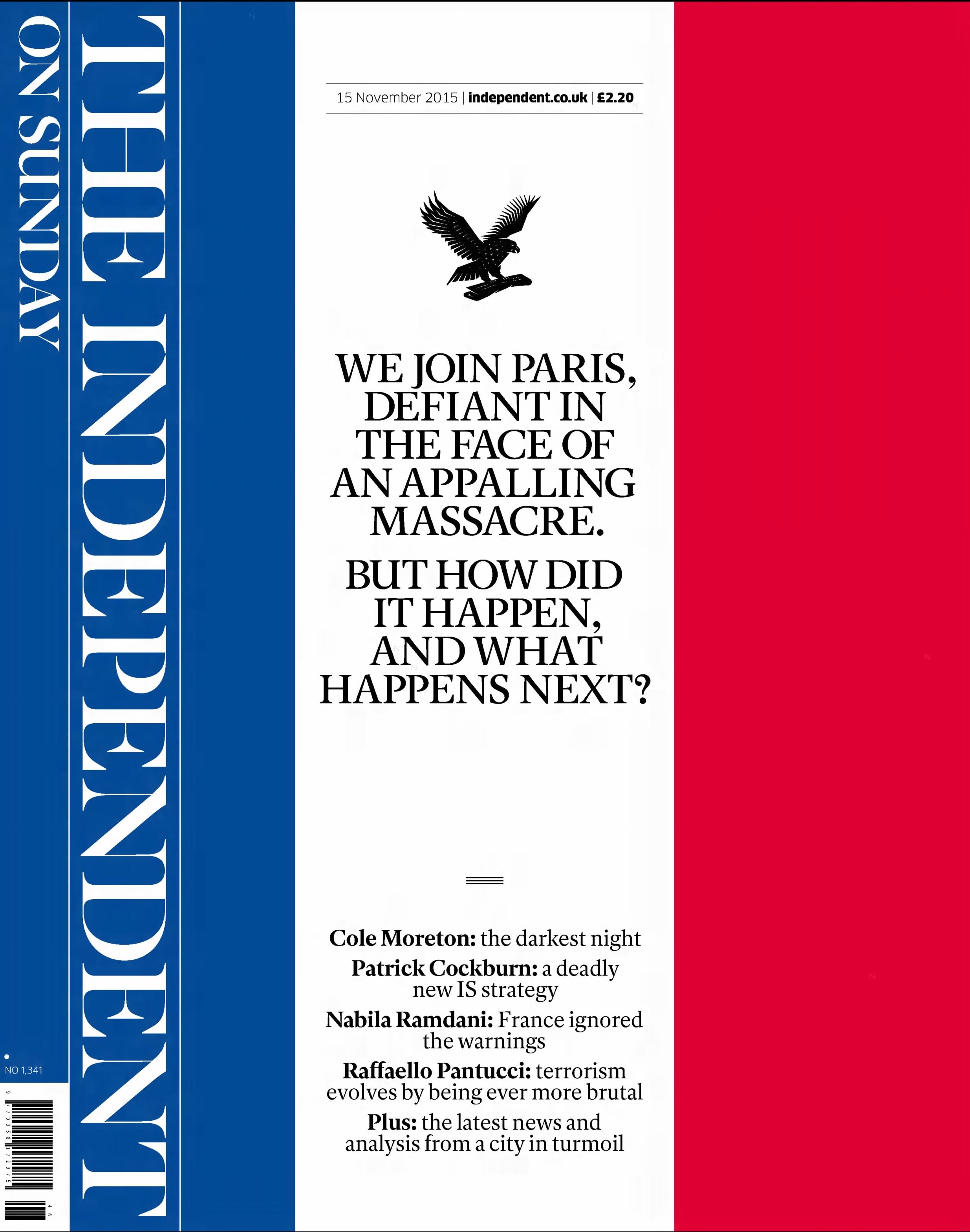
15 November 2015 – Paris terror attacks
The Independent reports on coordinated gun and bomb attacks across Paris, which kill 130 people at the Bataclan theatre, cafes, and the Stade de France. The assault leaves the city in shock and prompts a global wave of solidarity and heightened security.
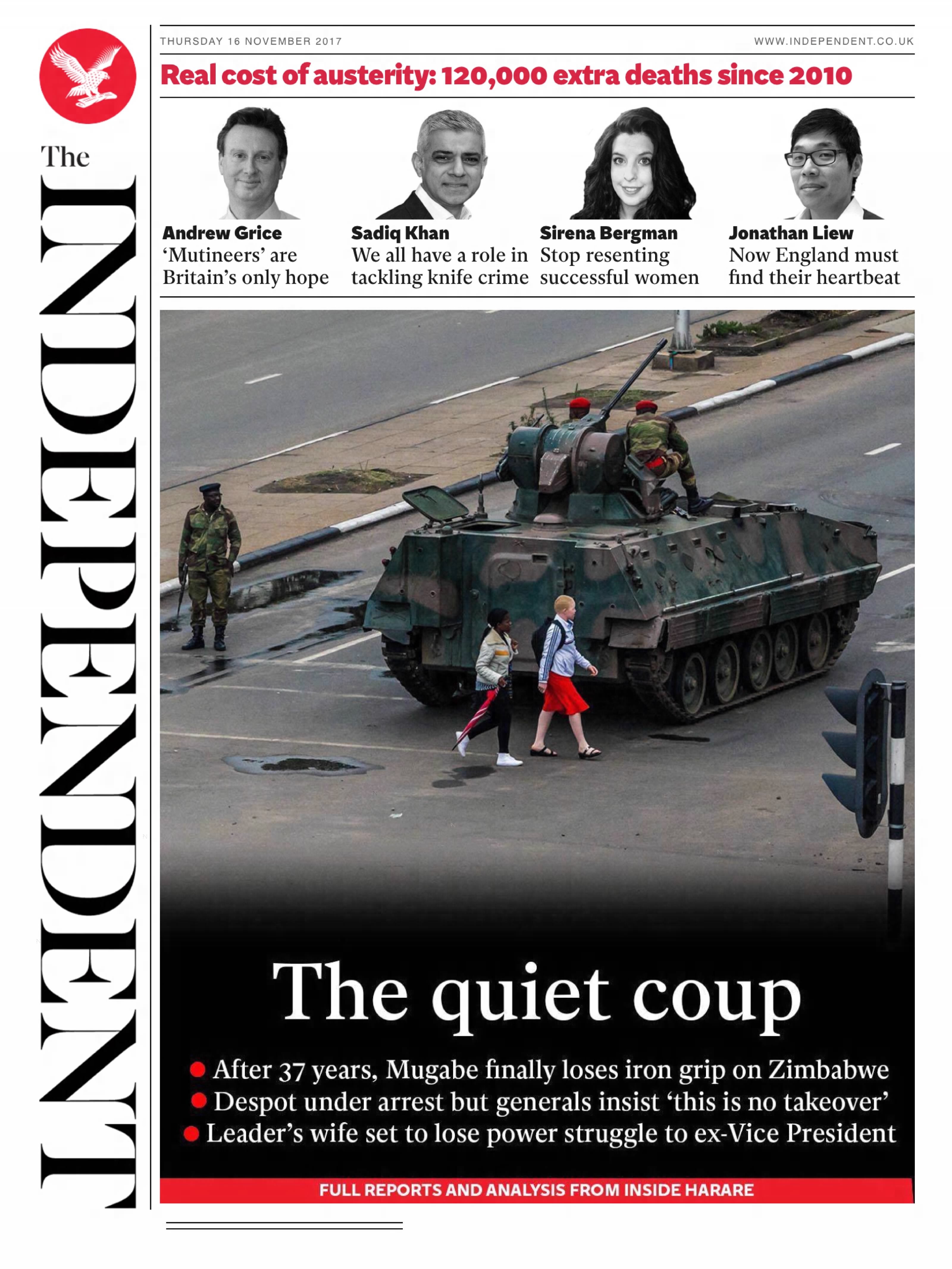
16 November 2017 – Mugabe loses power
The Independent describes a “quiet coup” in Zimbabwe as the army seizes control, bringing Robert Mugabe’s 37 years in power to an end. Days later, Mugabe resigns under pressure, paving the way for his former deputy Emmerson Mnangagwa to take office – a moment of hope soon tempered by familiar patterns of repression.