
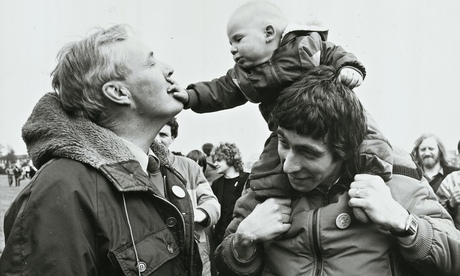
Everybody these days believes in participation. Everybody, though, tends to become foxed when it comes to discussing how public involvement in policy-making can be made a reality. This is certainly true of the latest recruit to the cause: Mr Anthony Wedgwood Benn, Minister of Technology in the Labour government, who argues the case for giving more power to the people in a pamphlet published last week (The New Politics, Fabian Society, 5s). It is all very well arguing the case for more public opinion polls and referenda, as he says. But how many issues are there simple enough to allow their full complexity to be explained in a questionnaire? And how many questions of public policy are there which don’t require considerable knowledge from the ordinary citizen for a sensible answer?
When it comes to major issues, these difficulties make the idea of public participation a chimera. But in more humdrum matters – where the citizen has a knowledge of the problems involved – Mr Benn’s approach could pay dividends.
Talking point
A dispute over a cup of tea threatens to cause further trouble for the strike-torn motor-car industry this week. An unofficial stoppage at Dunlop’s Skelmersdale factory in Lancashire over teabreaks caused Automotive Products of Leamington to announce that it will have to lay off 700 workers later this week because supplies of rubber mouldings have run out.
Observer news story
Key quote
“Proof of torture is difficult to produce and the co-operation of governments is needed to prevent torture being carried on in their name. It may soon, however, be necessary to have a further look at torture and to define its meaning more closely.”
Martin Ennals, Amnesty International secretary-general





.jpg?w=600)



