
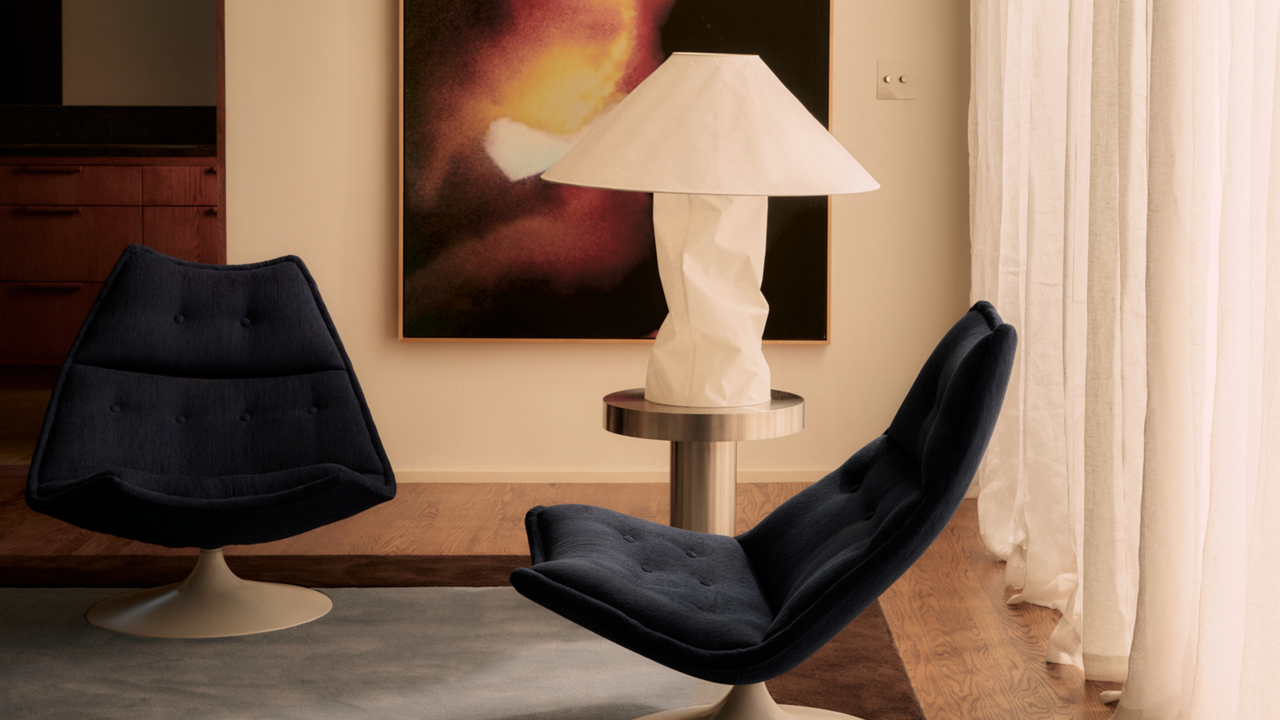
Truth time: I've just found out that my table lamp placement has been throwing off my entire living room, and there's a good chance you've fallen for the same mistake.
I always thought I had a pretty good grasp on how to plan my home's lighting scheme, but it turns out I had unknowingly fallen for one of the most common table lamp placement mistakes out there, and my living room was suffering as a result. Instead of adding depth and warmth, my lamp placement was flattening my space, making it feel less inviting, trampling all the hard work of my cozy interiors and calming color palette. So I turned to an expert to help me fix my mistake.
Working as an interior stylist, Lucy Gough has built up a strong repertoire of tips and tricks to make any space look its absolute best, and much of that comes down to acing your lighting. A stylist's role is knowing the little changes that can make a big difference to how the room looks, and this is an error she's seen in far too many homes. "A poorly positioned lamp can throw a room off balance, making one side feel heavy while the rest of the space feels dark and flat," she explains. "Good lighting should feel intentional, not accidental."
And I can safely say, since putting her tips into action, my living room has never looked better. So, here's what she shared.
The Problem
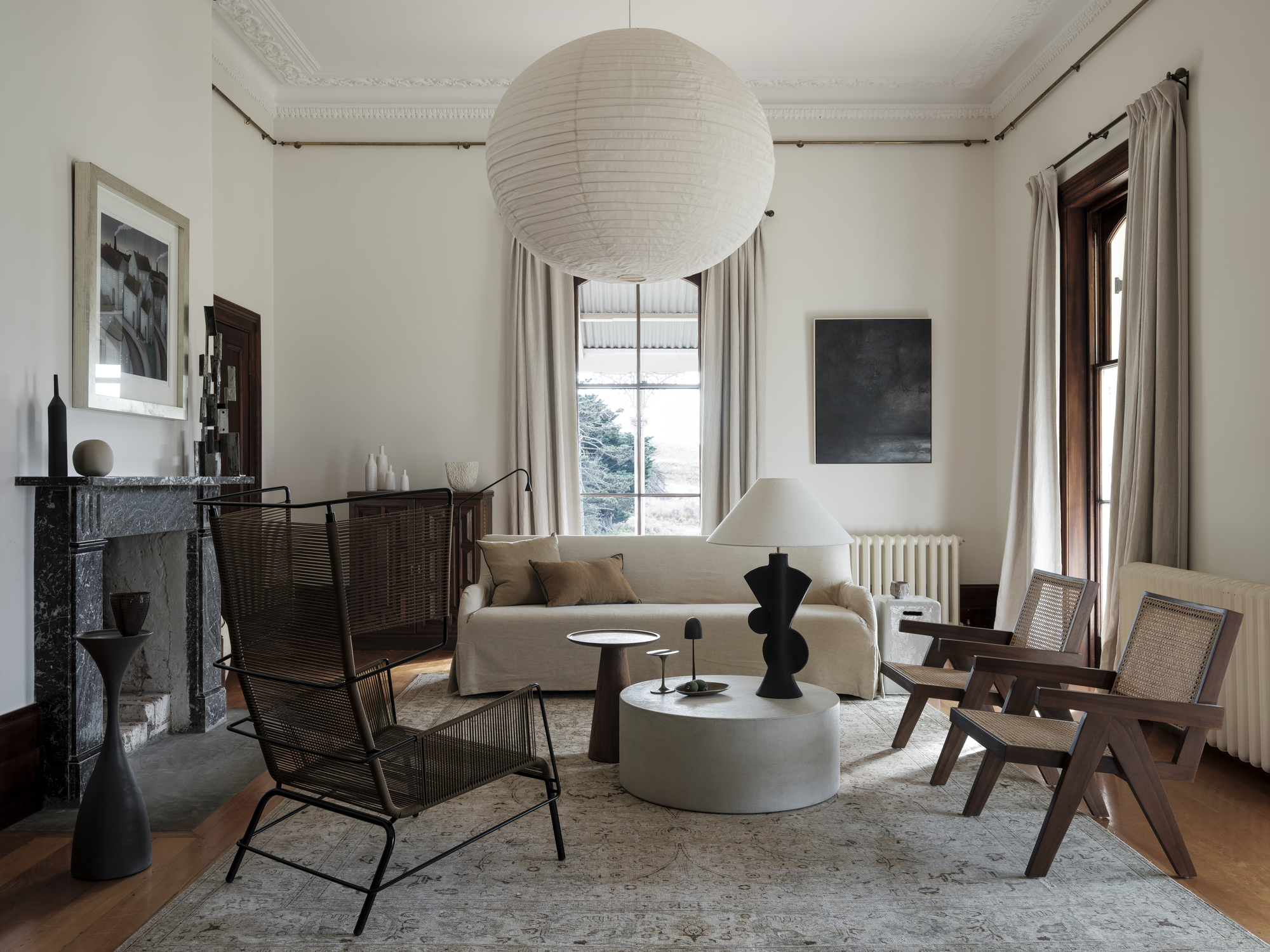
So, what exactly is this potentially problematic lamp placement mistake? Well, it actually just so happens to be one of the most common. The corner may seem like the most obvious, logical place to pop a lamp when planning your living room's lighting scheme, but, according to the experts, it's far from the best.
Lucy explains, when it comes to lamp placement, "People often push them right into the corner of a room or place them on a tiny side table simply because there’s space there, rather than thinking about what the lamp is actually lighting."
When designing a modern living room, a table lamp is often thought of as something to simply fill up a side table, or considered as an accessory rather than a fundamental piece of the design. But, in doing this, you limit the potential for your space: "A lamp should create atmosphere and highlight a beautiful part of the room, not just fill an empty corner," explains Lucy.
In placing your lamp in the corner, you remove its ability to become part of the visual language of your design. Lucy explains that "when a lamp is tucked away in a corner, it often disappears visually and doesn’t contribute much to the overall feel of the space."
But as much as a beautiful table lamp fulfils a decorative role, it has a practical one, too, and placing it in the corner diminishes its practical aspect, as well as removing its decorative potential. "It can create harsh pools of light rather than a soft, even glow," says Lucy, making your living room appear flat and unwelcoming.
The Fix

Thankfully, this is an easy mistake to fix, requiring little more than a quick reshuffle. But to determine the best position for your living room lighting, there are a few helpful approaches to consider.
Firstly, the key to achieving a really beautiful, considered lighting design is to think in layers. Building a layered lighting scheme is one of the tricks almost every good designer swears by; it's the best way to build up depth in your space. Your lighting should never be thought of as a simple one-and-done; it always works best when used in conjunction with a variation of lights.
As Lucy explains, "Table lamps are there to create mood rather than provide all of the light in a room. Pair them with floor lamps, wall lights or ceiling lighting for a warm, inviting atmosphere." Different levels of lighting dotted throughout your space will make it feel cozy and inviting, while also ensuring it's amply lit.
With lamps specifically, it can be helpful to think about them in relation to how you'll actually use the space. Try to identify the spots people will naturally gravitate towards, and place your lighting around those areas. For example, "A lamp beside a sofa, armchair, or reading nook makes a space feel welcoming and encourages people to settle in," suggests Lucy.
You can also use your lighting to draw attention to something in your space, whether it's a piece of wall decor, a textured finish, or a gorgeous piece of furniture; an extra boost of illumination can help turn it into a true focal point, subtly directing your gaze towards it.
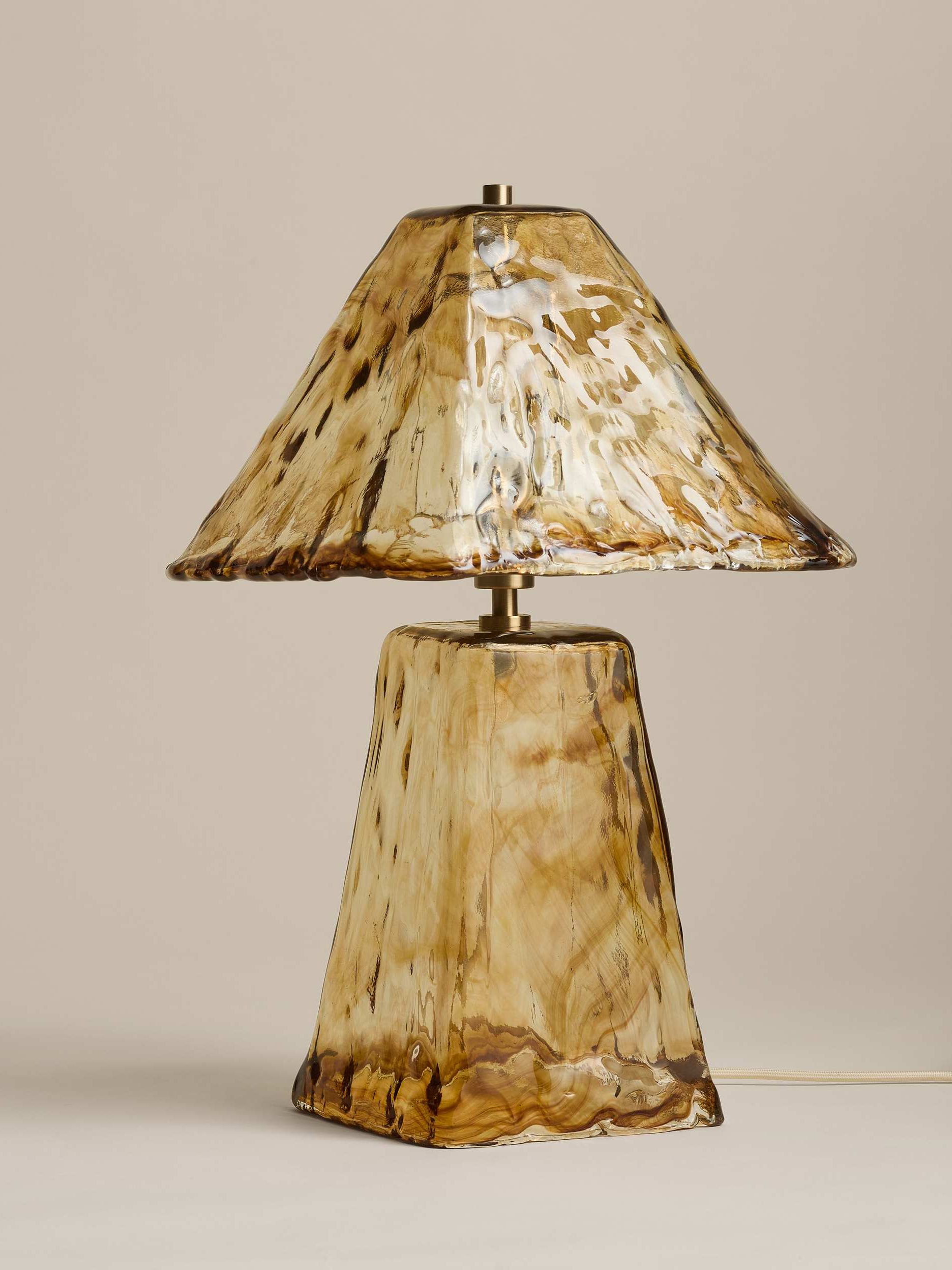
The winner of our 2026 Style Awards in the lighting category, and for good reason, this M&S lamp looks far more expensive than it is.
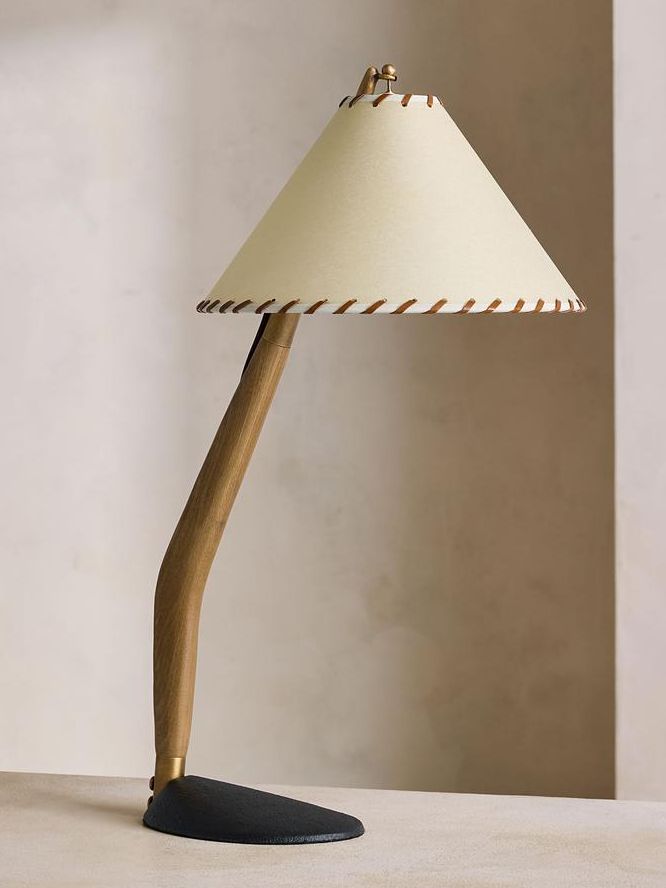
The angular, oak stem of this table lamp brings a cool touch of sculptural elegance to your living room.
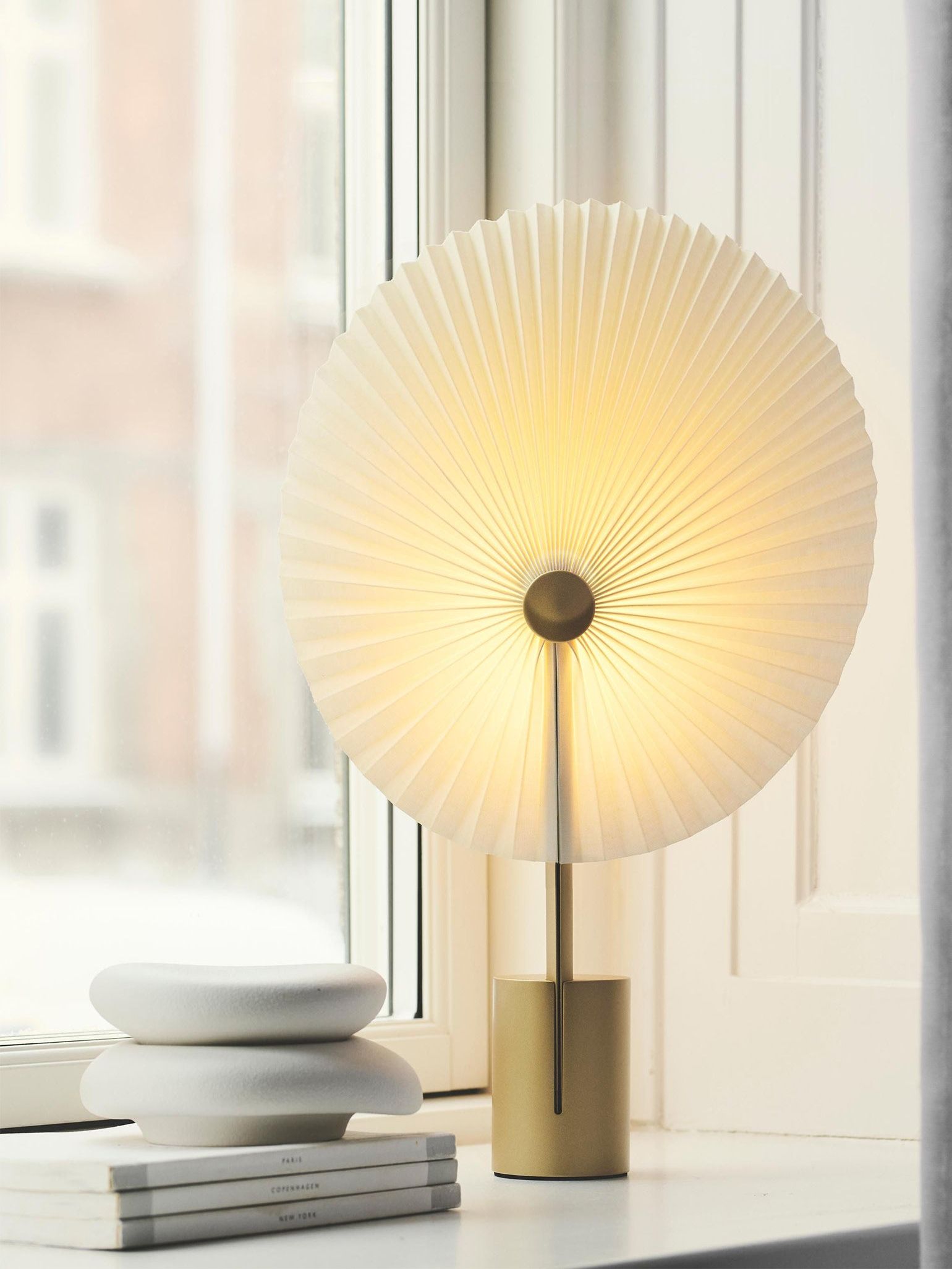
As much a piece of art as it is a lamp, this lovely, fanned paper lamp emits a soft, warm glow.
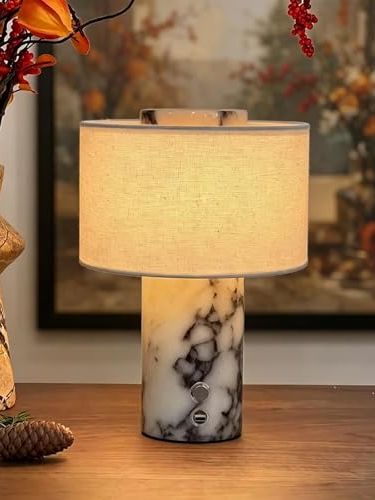
With a veined marble base and a textured, linen shade, this lovely lamp has a balanced, elegant look. And, best of all, it's completely wireless, so you can place it wherever you'd like.
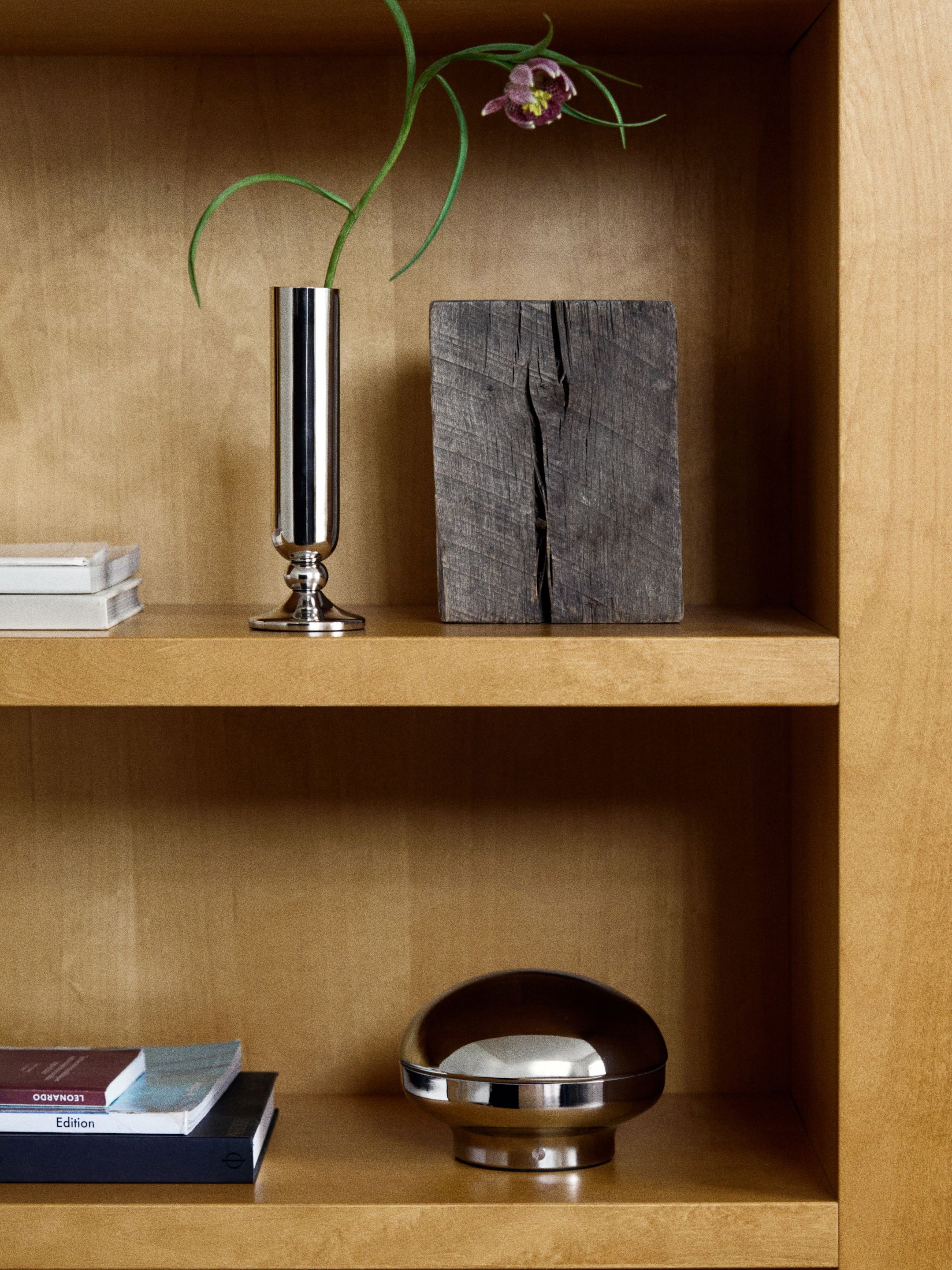
Another wireless design, this sleek, chrome lamp would look gorgeous nestled into a bookshelf, or accompanied with some other stainless steel decor pieces.
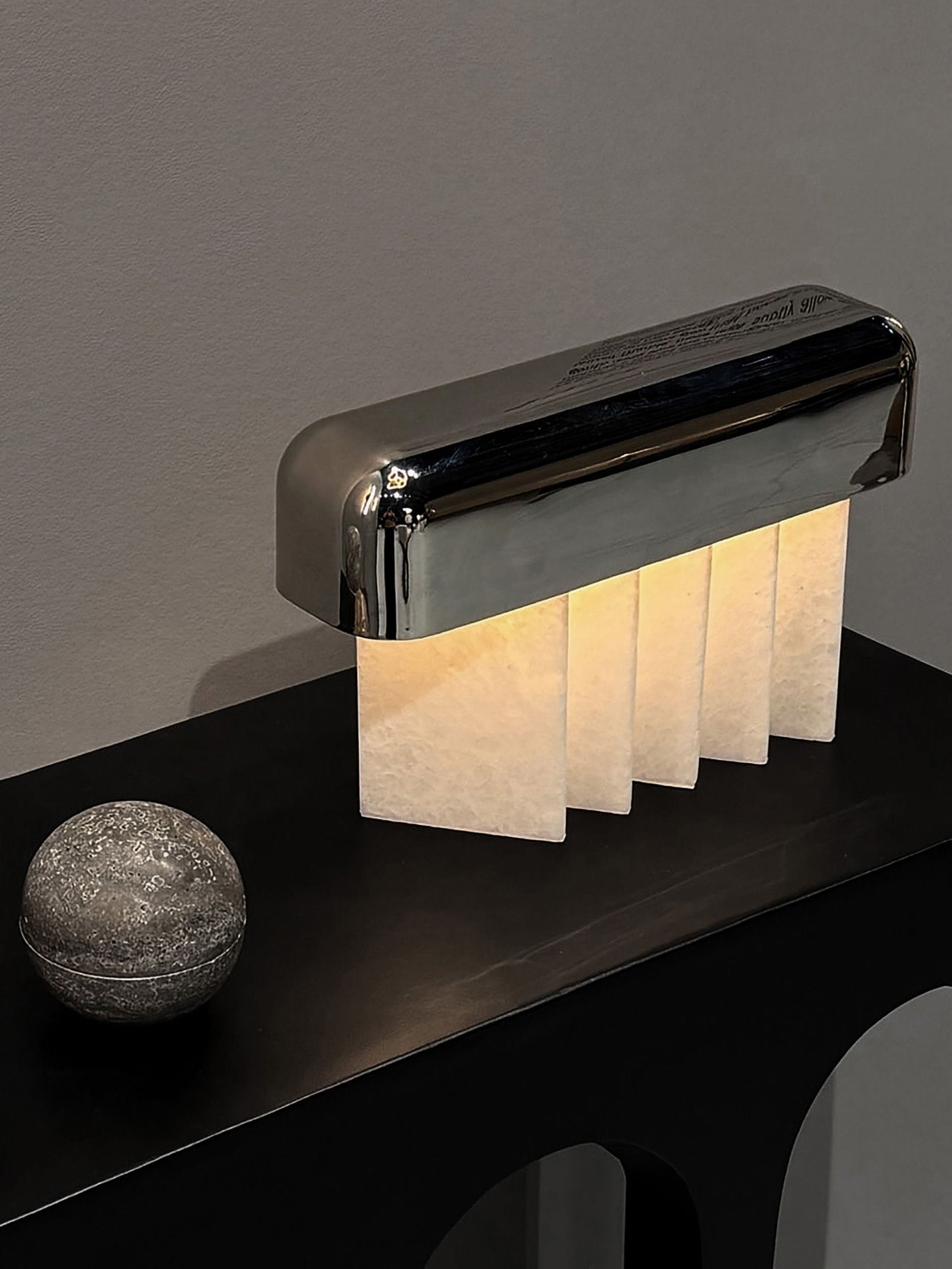
A far cry from a traditional table lamp, this intriguing design combines sheets of white marble with a sleek, chrome top, making for a sculptural, eye-catching design.
"Table lamps like company, be it a painting behind it that can be illuminated or photos near or surrounding. It can give purpose that way. It will encourage you to be brought into a room or linger in a spot that might otherwise be neglected," explains lamp designer Rosi De Ruig. A table lamp can feel more authentic and laid-back than an art light or spotlight, while still effectively offering the same benefit.
You'll want to pay careful attention to scale, too. "A lamp that’s too small can look lost, while one that’s too large can overwhelm the furniture," says Lucy. "As a guide," she suggests, "the bottom half of the lampshade should sit around eye level when you’re seated nearby, so the globe isn’t visible."
It can take some playing with, so feel free to experiment with different positions until you find the right one. "Lamps aren’t just there to help you see; they’re there to make you ‘feel’ something," says Lucy. "The right lamp in the right position can make a room feel instantly warmer, more intimate and infinitely more inviting."
With a selection of floor lamps, table lamps, and wall lights, you're well on your way to lighting a living room without a ceiling light, saving you from the dreaded 'big light'.
And for more helpful tips and ideas, subscribe to our newsletter.