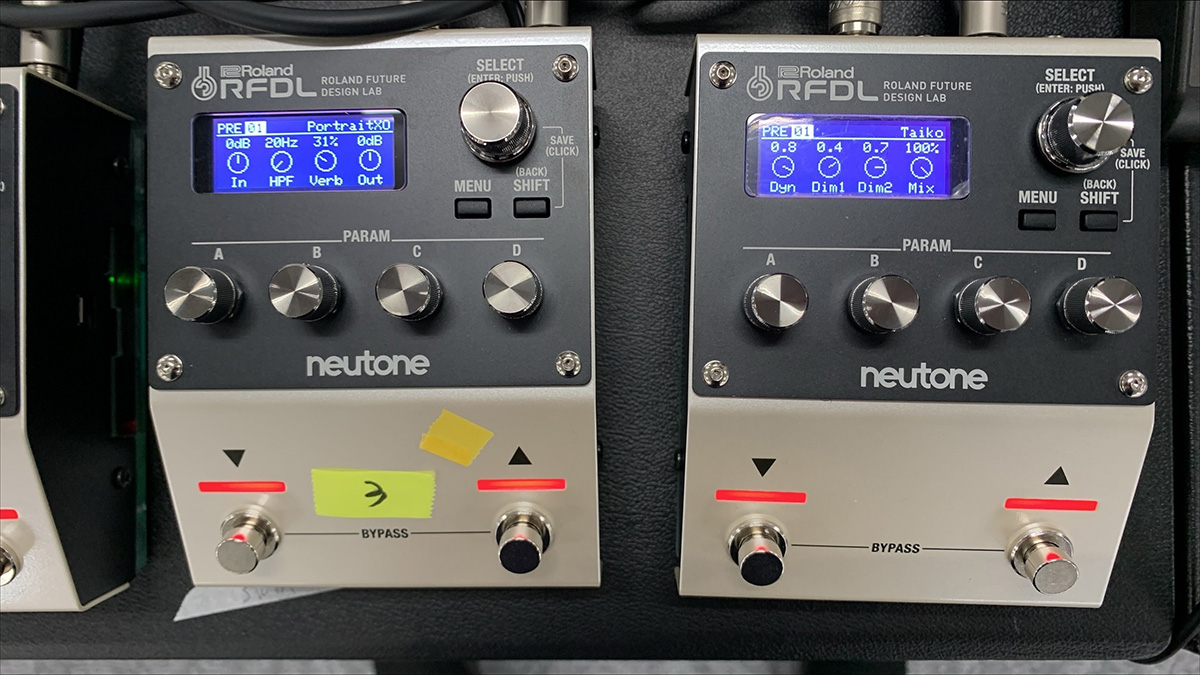
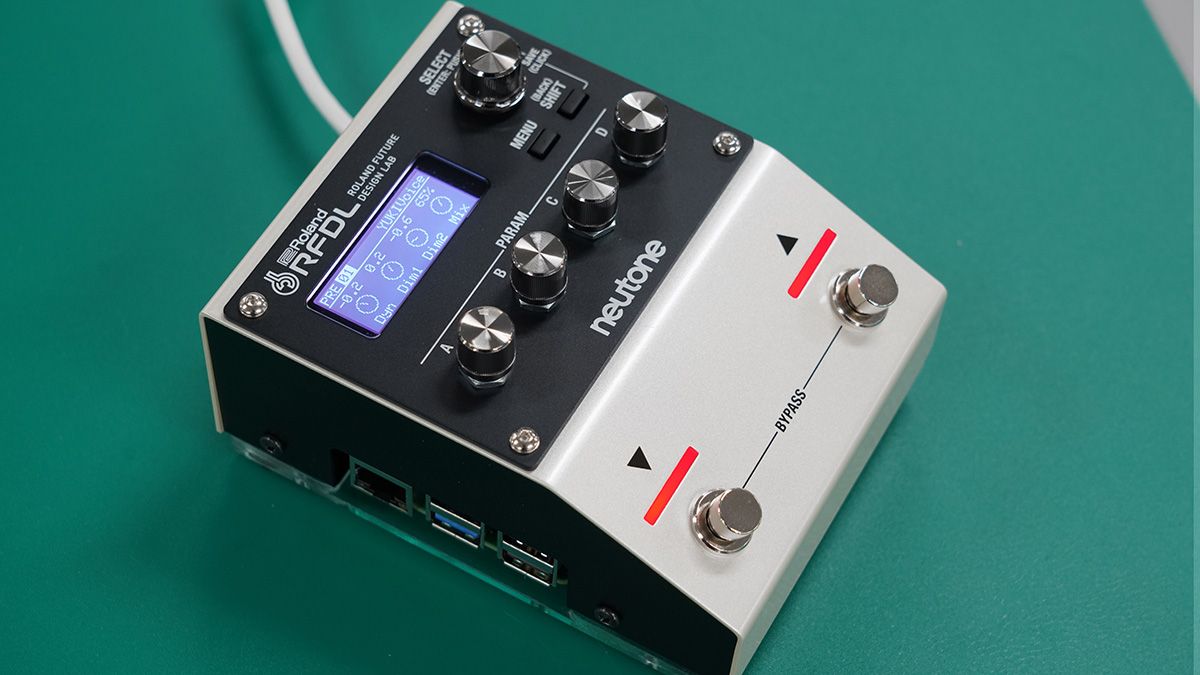
SUPERBOOTH 2026: Announced last year, Roland’s Project Lydia – a neural sampling stompbox that enables you to apply the tonal qualities of a trained AI model onto an incoming audio signal – has now reached the second phase of its development, bringing it closer to becoming a fully realised commercial product.
Various changes and improvements have been made since we first got wind of the device, which comes from Roland's Future Design Lab. This innovation wing of the company was founded in 2024 “to help design the future of music creation”.
What musicians want that future to look like is very much open to question so, perhaps wisely, Roland has made the changes to Lydia based on demos, industry showcases and global surveys.
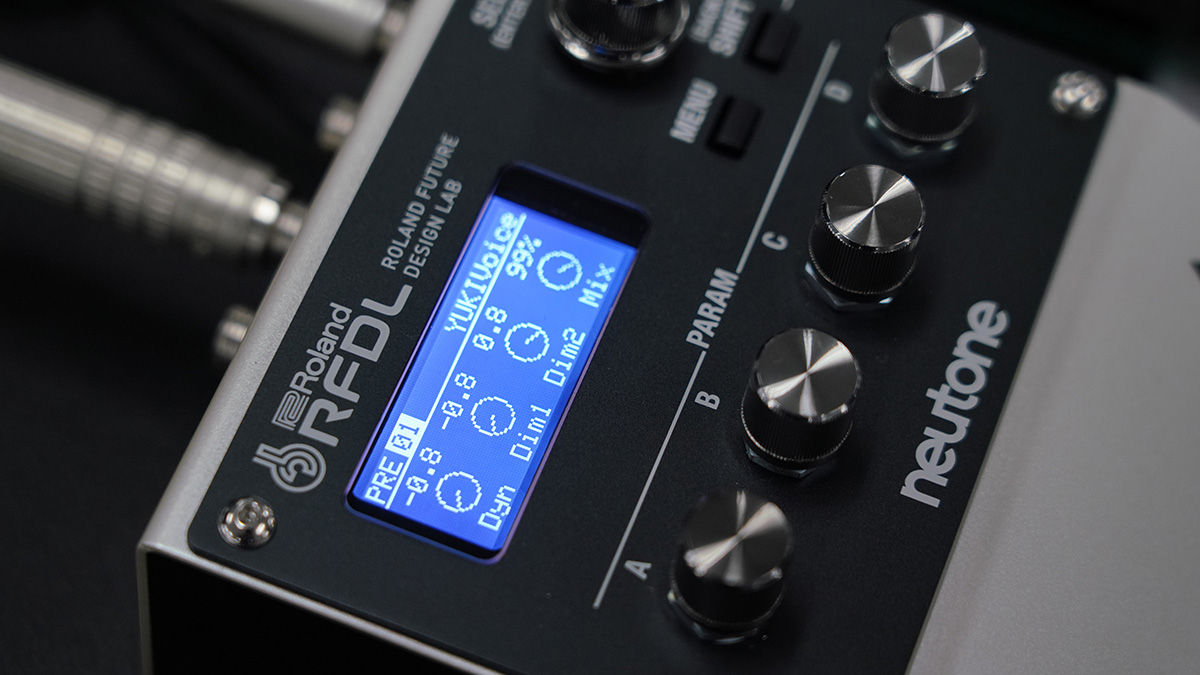
The result is a refined hardware design that promises enhanced flexibility, such as easier Raspberry Pi 5 installation and standalone USB MIDI controller operation. There’s also fully integrated I/O, which does away with the need for an external USB audio interface, and an onboard LCD display for easier navigation and real-time parameter feedback.
User preset memories are now part of the package, so control settings can be stored, and MIDI connectivity has been added for deeper control, automation and integration with other studio and live gear.
We’re still a way off from Lydia being something that you can actually buy, but Roland says that the first prototype generated strong interest, which prompted it to have a good think about where to go next with it.
“From the very first demos with professional audio developers through the overwhelming response from musicians worldwide, it was clear that Project Lydia was resonating,” says Paul McCabe, LA‑based leader of Roland Future Design Lab. “That dialogue directly shaped Phase 2. This version reflects what creators told us they want from AI hardware in real musical contexts, while also bringing forward new ideas from our team.”
Roland’s philosophical argument for using AI in this case is that, rather than replacing musicianship, it augments it, giving people a way of interacting with neural models and developing another avenue of expression. Lydia was conceived with the help of AI music technology company Neutone, and our correspondent’s view of the first prototype was positive, with its ability to turn one sound into another turning out to be a compelling creative proposition
If, as now seems likely, Lydia does end up coming to market, Roland’s hope is that the familiar pedal form factor will help musicians to trust in the new technology, giving them something tangible to cling onto as they experiment with what the AI side of the technology can do. The company also says that Lydia conforms to its ‘seven principles for music creation with AI’, which it laid out in 2024.
Lydia Phase 2 is making its public debut at Superbooth. You can learn more and contribute your own feedback via Roland’s new survey.