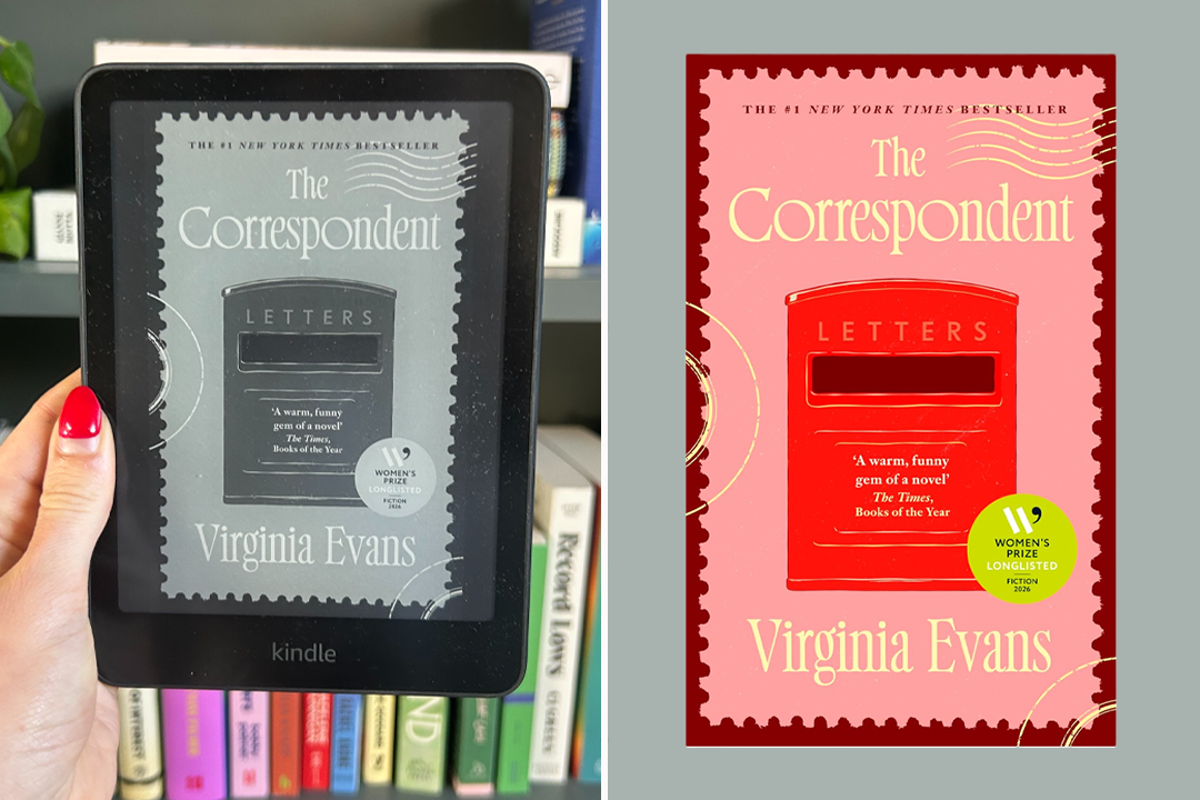
The Women’s Prize for Fiction is now widely regarded as one of the most prestigious awards in literature. Founded in 1996 by author Kate Mosse, it was created to celebrate and champion women’s writing after years of underrepresentation at major literary prizes such as the Booker Prize. Previous winners include Margaret Atwood, Chimamanda Ngozi Adichie and Zadie Smith.
The 2026 shortlist was announced in April, featuring titles such as Susan Choi’s Flashlight, Addie E. Citchens’ Dominion and Lily King’s Heart the Lover. After months of anticipation, the prize has now been awarded to Virginia Evans’s The Correspondent – a personal favourite of mine that I’ve been enthusiastically recommending to just about everyone.
The Correspondent is a moving story about a 73-year-old woman attempting to come to terms with her past and reconnect with the people she loves through a series of letters. Its epistolary structure gives the novel an added intimacy and emotional depth, making its central themes all the more affecting.
This year’s shortlist was selected from a longlist of 16 books, narrowed down to six finalists. Collectively, the novels explored a wide range of themes, from family dynamics and romantic relationships to displacement, identity and geopolitical history. The 2026 judging panel was chaired by Gillard and included Mona Arshi, author, presenter, poet and speaker; Salma El-Wardany, writer, podcaster, actor and comedian; Cariad Lloyd, author, broadcaster and DJ; and Annie Macmanus.
If you’re looking for your next great read, here’s everything you need to know about The Correspondent, including the latest news on its forthcoming screen adaptation.
Read more: I’ve listened to hundreds of audiobooks – but these are my all-time favourites
'The Correspondent' by Virginia Evans, published by Michael Joseph
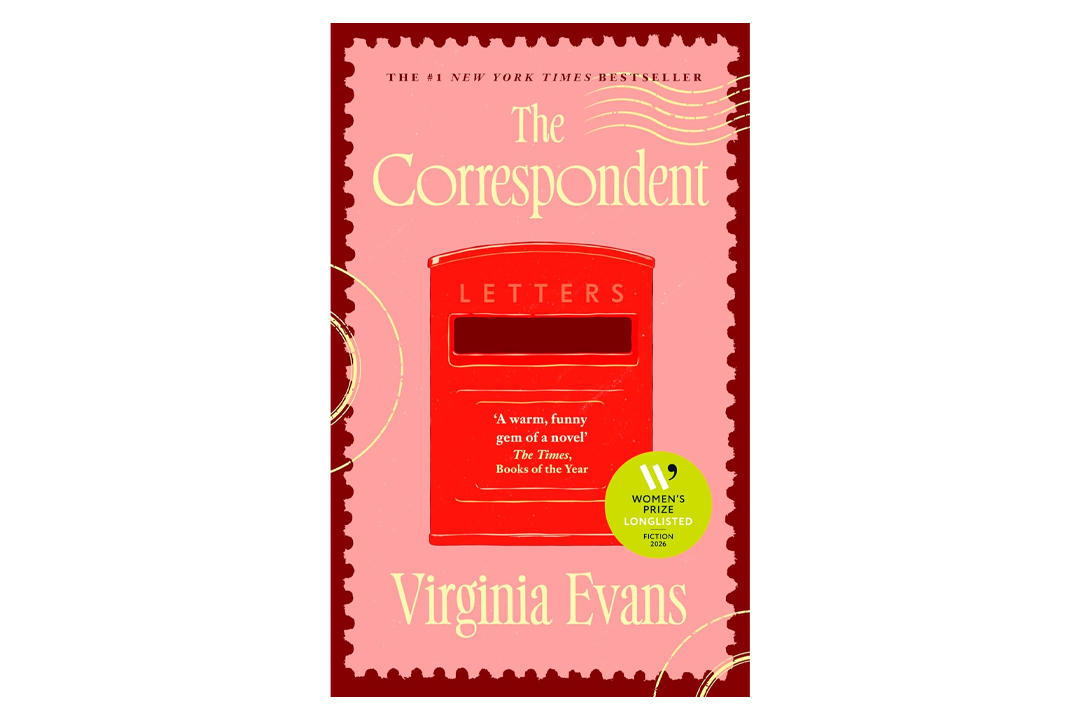
Virginia Evan’s debut novel The Correspondent is written entirely through letters. The book follows Sybil Van Antwerp, a 73-year-old retired lawyer in Annapolis navigating her dwindling eyesight and gradual ageing. Sybil, who lives alone and only corresponds through letters and emails, is still grappling with her profound grief over her son’s death when he was 10 years old.
As she reconnects with friends, family and acquaintances, you begin to intimately understand her character. Prickly and easily annoyed, she’s a control freak with attachment issues – keeping her nearest and dearest at arm’s length with written correspondence. But, despite her misanthropic tendencies, certain letters reveal her empathy and kindness. Taking place over a decade, secrets are unravelled, new connections are forged and joy is found in small, everyday moments.
A word-of-mouth bestseller, it’s themes of aging, relationships, forgiveness and hope have resonated with readers around the world. It’s a tear-jerker and heavy at times, but above all, The Correspondent is joyously uplifting. Sybil writing letters to her favourite authors – and even getting replies back from Joan Didion and Kazuo Ishiguro – is endearingly earnest and innocent, while her years-long correspondence with an ancestry site employee will have you weeping. Unsurprisingly, the movie rights have been snapped up – and Jane Fonda is set to star in the main role.
Buy now £13.59, Amazon.co.uk
For more, these are the best new books to read in 2026, from Asako Yuzuki to Jennette McCurdy