Rail company LNER has unveiled brand new trains to run on the East Coast Main Line, replacing a fleet which is now almost 40 years old.
The operator announced it is introducing the new 10 intercity trains on the London King’s Cross to Edinburgh route, with new customer-suggested features introduced on board.
The Class 897 trains will be the first new fleet introduced as part of Great British Railways (GBR), the nationalised body that will replace the current model of mostly private train firms. Carriages on the Class 897s will feature GBR branding in the interior and exterior.
Major improvements to the fleet include increased accessibility, new first-class features and a sustainable fuel model.
The 10-carriage trains will have a total of 569 seats across standard and first class, alongside wheelchair spaces with companion seating.
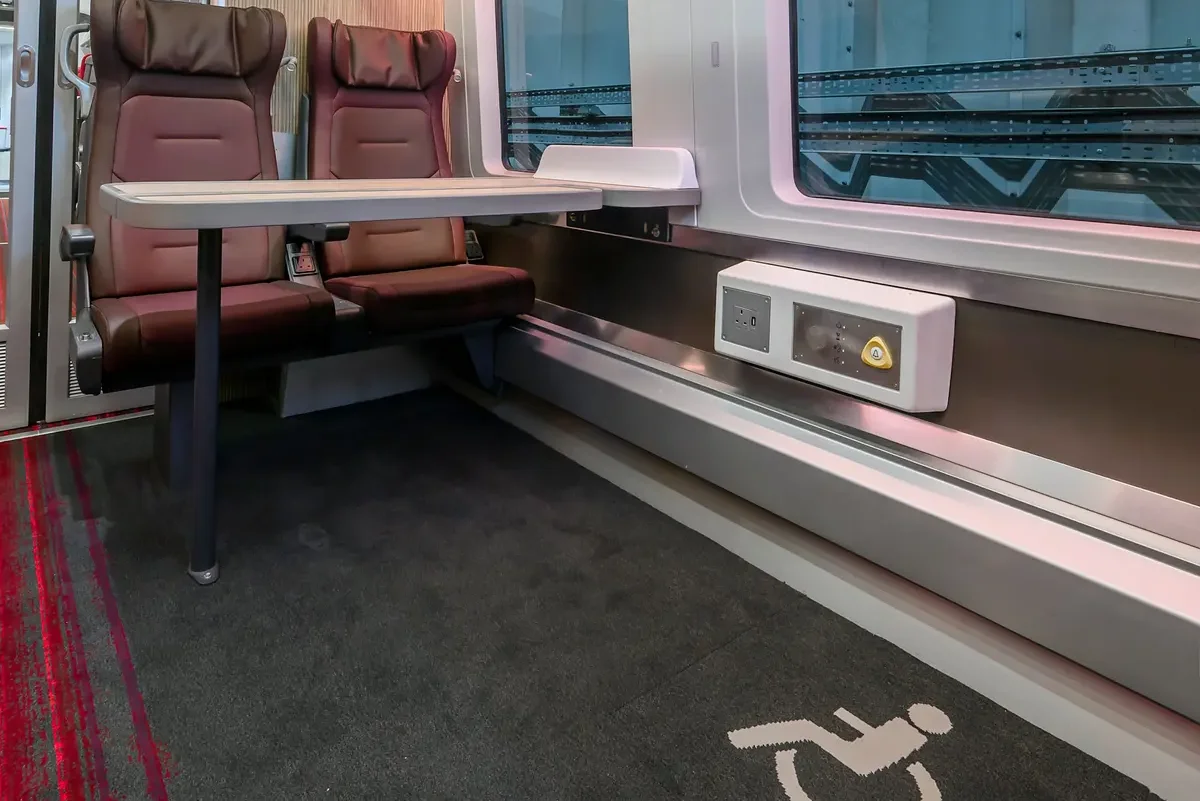
In accessible areas, tables have been redesigned to give more room for wheelchair users and seat legs have been moved so assistance dogs have more space. There will also be additional luggage racks nearby and carriages will feature braille seat numbers.
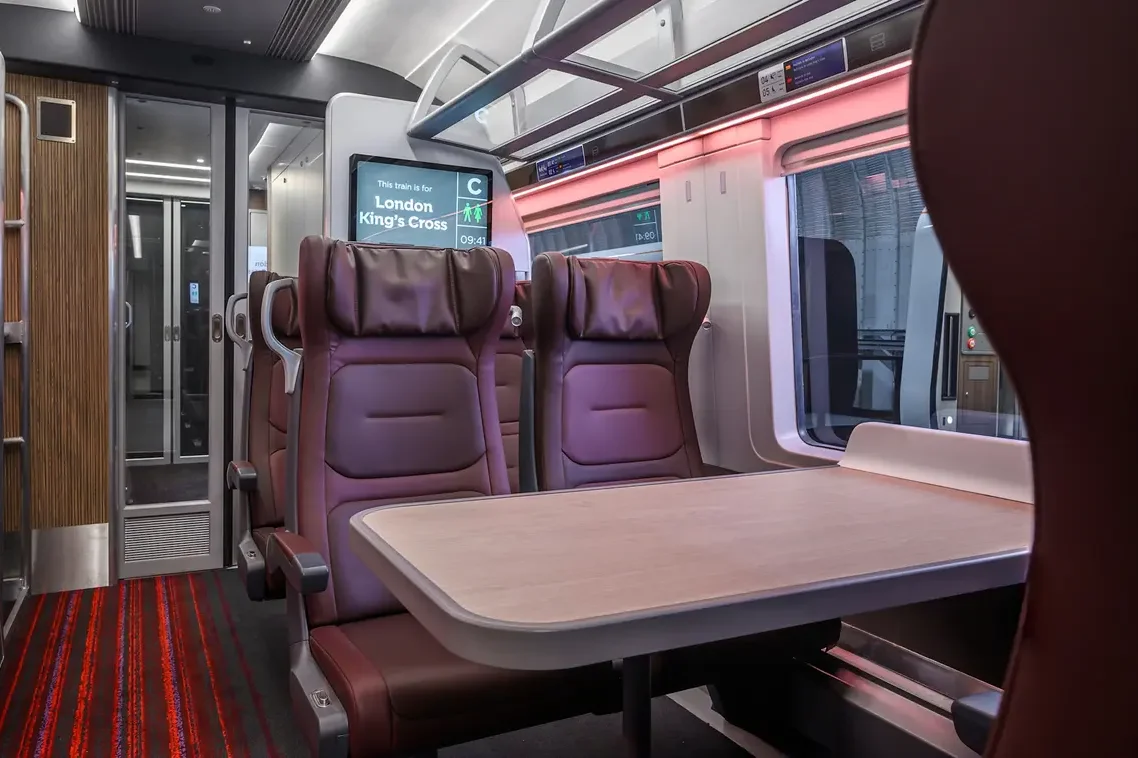
In first class, passengers will have the ability to recline their seats and will also find early or late journeys improved via mood and table lighting.
Across the entire train, seats have been fitted with side bolsters and wider head cushions for more comfortable journeys.
Similar to the LNER Azuma trains, each seat will have its own plug socket and USB-C ports.
Other features include new digital screens in each carriage that will display the latest live journey information, as well as five water bottle refill stations throughout the train.
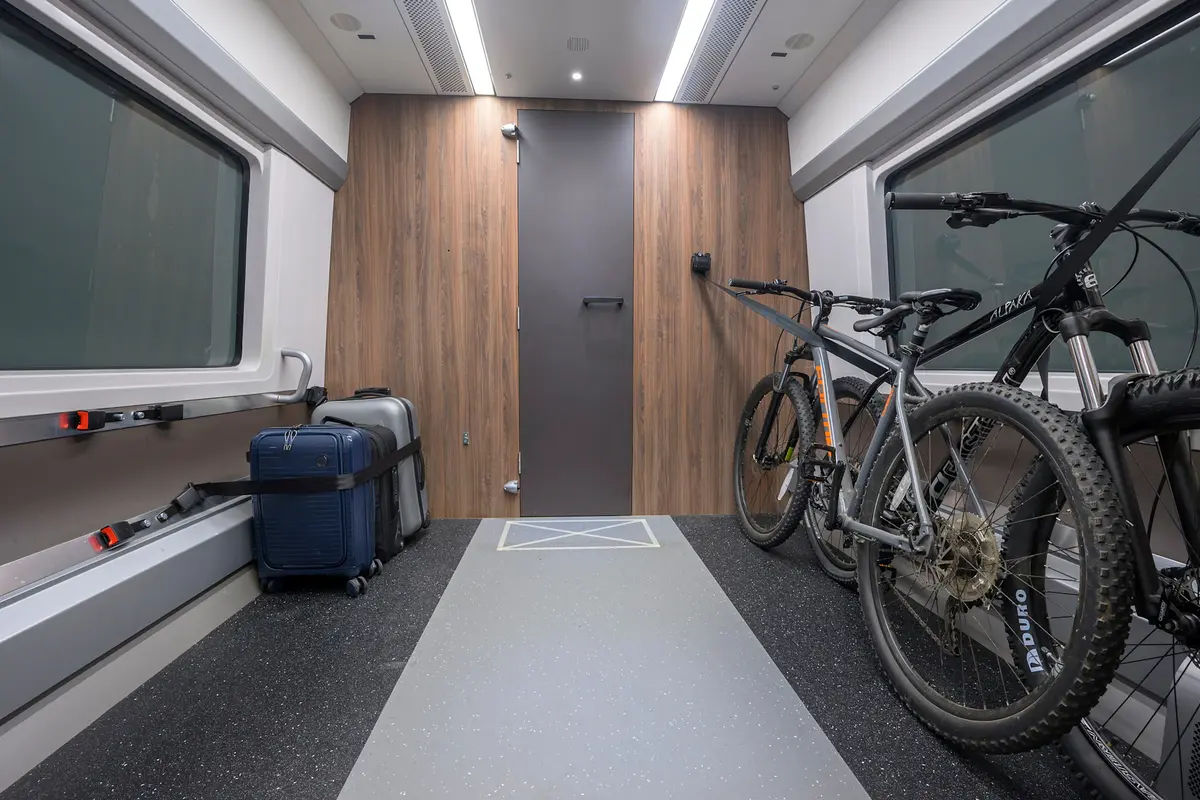
One feature heavily requested by customers was improved bike storage, which will be fitted with easy-to-use bike straps.
This fleet will be the first in the UK to have “tri-mode” long-distance trains, meaning they are able to run on overhead electric power alongside diesel engines and batteries.
Tri-mode will allow the trains to be used across the entire 1,000-mile-long route. LNER said the fleet will be a more environmentally friendly way to travel, using battery power rather than diesel engines on the approach and departure from stations that do not have overhead electric power.
Dr Linda Wain, engineering director at LNER, said the fleet is an “exciting milestone” for the company.
“Our new fleet will bring more comfortable, more reliable, and greener journeys across the East Coast Main Line for decades to come and we are looking forward to its introduction in the coming years,” she said.
“As LNER continues to welcome more customers on board, these trains will be vital in helping to meet demand for train travel while delivering a new, modern experience for our customers.”
Read more: Two more rail operators have been transferred to public ownership
Two more rail operators have been transferred to public ownership
What are your rights if a train is cancelled or delayed?
The all-new Amtrak trains to debut in the US in 2026
The five travel swaps for more scenic and slow routes
New art gallery opens in one of Barcelona’s most famous buildings
Eurowings flight faced overnight delay to avoid Iranian airspace