

After three winters in my home, I have noticed consistent cold spots around it. My home office, in particular, is always freezing even when the rest of the house feels cozy.
Tired of typing with frozen fingers, I reached out to HVAC experts as a last-ditch effort to find a quick fix to eliminate hot and cold spots in my home – and the answer was surprisingly simple. Turning other radiators down can force a slow radiator to heat up more quickly.
It is the simple trick that requires next to no plumbing experience, but the pros warn that it could be a sign of deeper issues with your heating system. Here’s what they want us to know.
This Simple Radiator Trick Solves Cold Spots Instantly
There are a few free tricks to make radiators heat up faster, but turning other radiators down and the slower radiator up is one of the most effective, and is a great short-term solution for making heating more efficient and keeping a home warm without turning up the heat in the dead of already expensive winters.
Michael Zohouri, a retrofit and home improvement specialist, founder of Pyramid Eco, explains, ‘Turning the other radiators down reduces the demand on the system and helps push more hot water to the radiator that’s lagging. It’s a useful way to test if the radiator is being starved of heat because of how the system’s set up.’
More often than not, radiators will have a valve on one end of the radiator, making turning them up and down simple. Once the slow radiator has heated up and the room is warm enough, you can return the other radiators around the house to their normal levels.
Having some digital home thermometers from Walmart can help you to keep tabs on the air temperature across rooms, to help you achieve a better balance.
Balancing the System

That being said, having to do this often could be a sign that your heating system is unbalanced and your furnace needs maintenance.
Michael explains, ‘If you have to do this often, it’s usually a sign the system isn’t balanced properly. Most heating systems send more hot water to the radiators closest to the boiler, which means the ones further away can take longer to warm up.
'You balance your system by adjusting the lockshield valves so each radiator gets the right amount of flow. It takes a bit of time to get right, but once it’s done, all your radiators should heat more evenly.’
For this task, you will likely want to call a pro to ensure the system is balanced and functioning correctly. This can stop your heating system from working harder, cutting energy bills, and saving you money at home.
Beyond this, you might find bleeding a radiator can help, adds Eli Zimmer, CEO at Luxaire HVAC Services. ‘More often than not, that helps solve the problem because it gets rid of air pockets, which can be what is restricting that hot water flow.
'Start by just bleeding the radiator and running things as normal. If it’s still taking a while, then try the hack.’
You can find a multi-head radiator bleeding key at Amazon, to make this essential DIY skill every homeowner should know, easier.
What to Shop
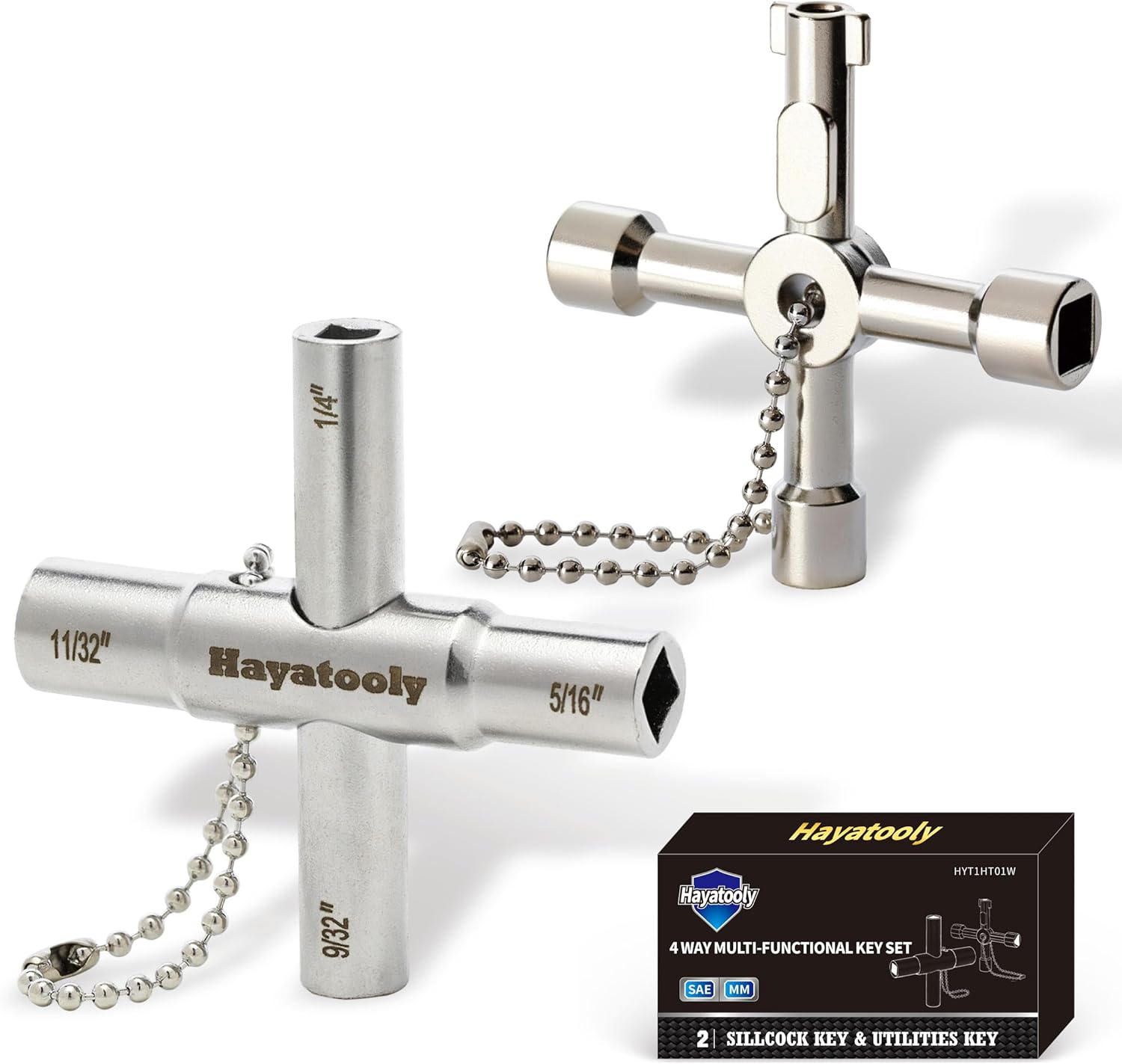
Any home with radiators should have a multi-head bleeding key for quick maintenance to instantly boost heating efficiency. This tool has four heads to fit any radiator.
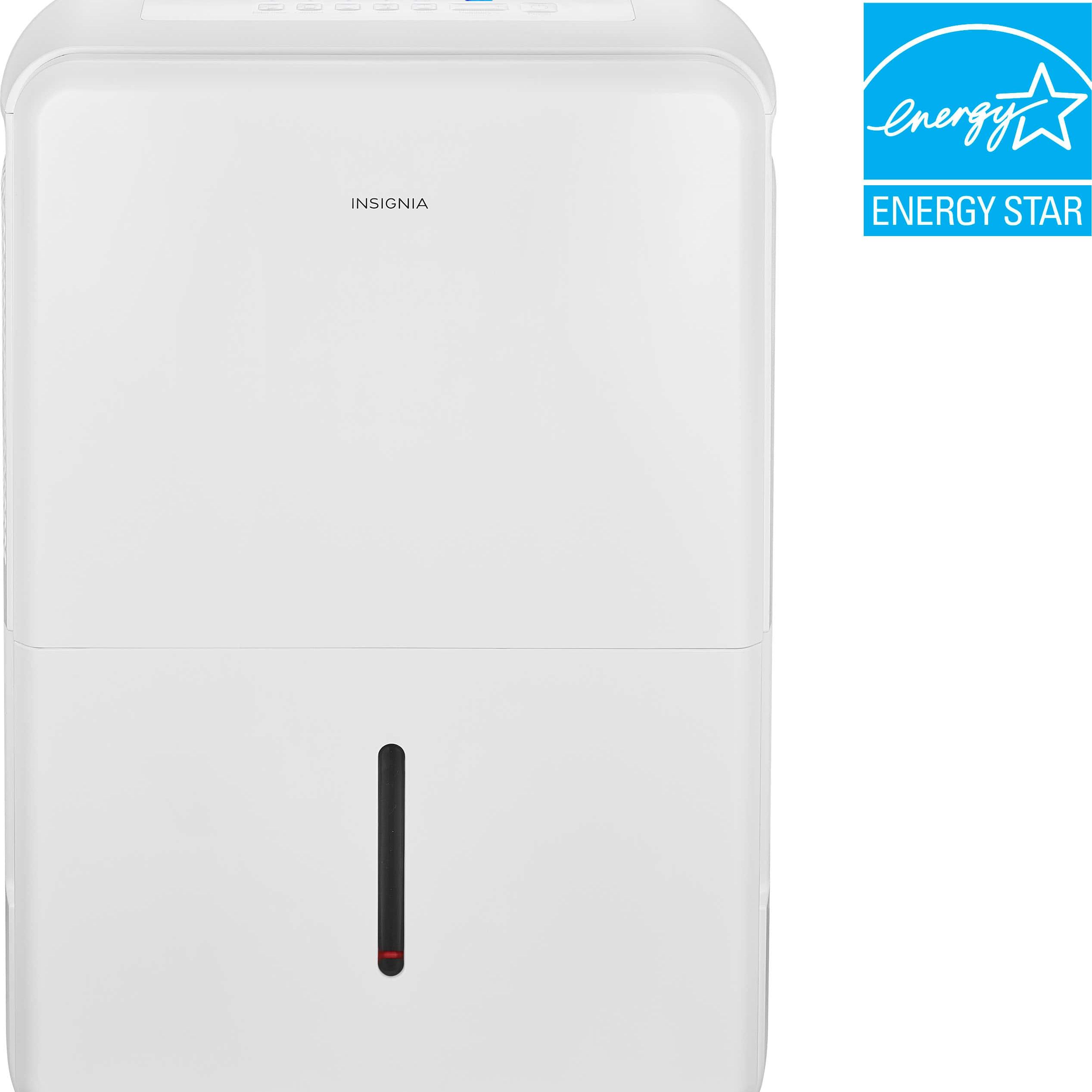
Dry air is easier to heat than damp air, so consider using a dehumidifier to balance indoor humidity for more efficient heating and a lower risk of mold. Humidity can also make you feel colder than necessary.
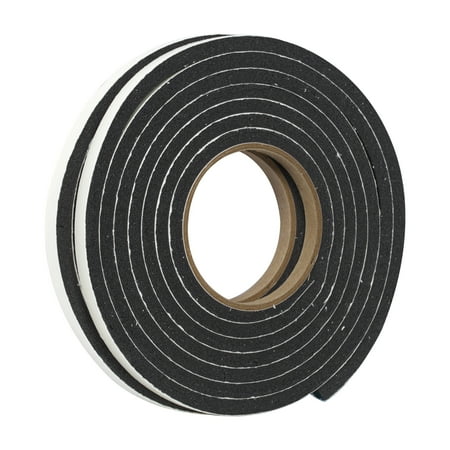
Stop drafts by creating tight seals around windows and doors. This self-adhesive foam stripping is easy to apply and can be cut easily to size with regular scissors.
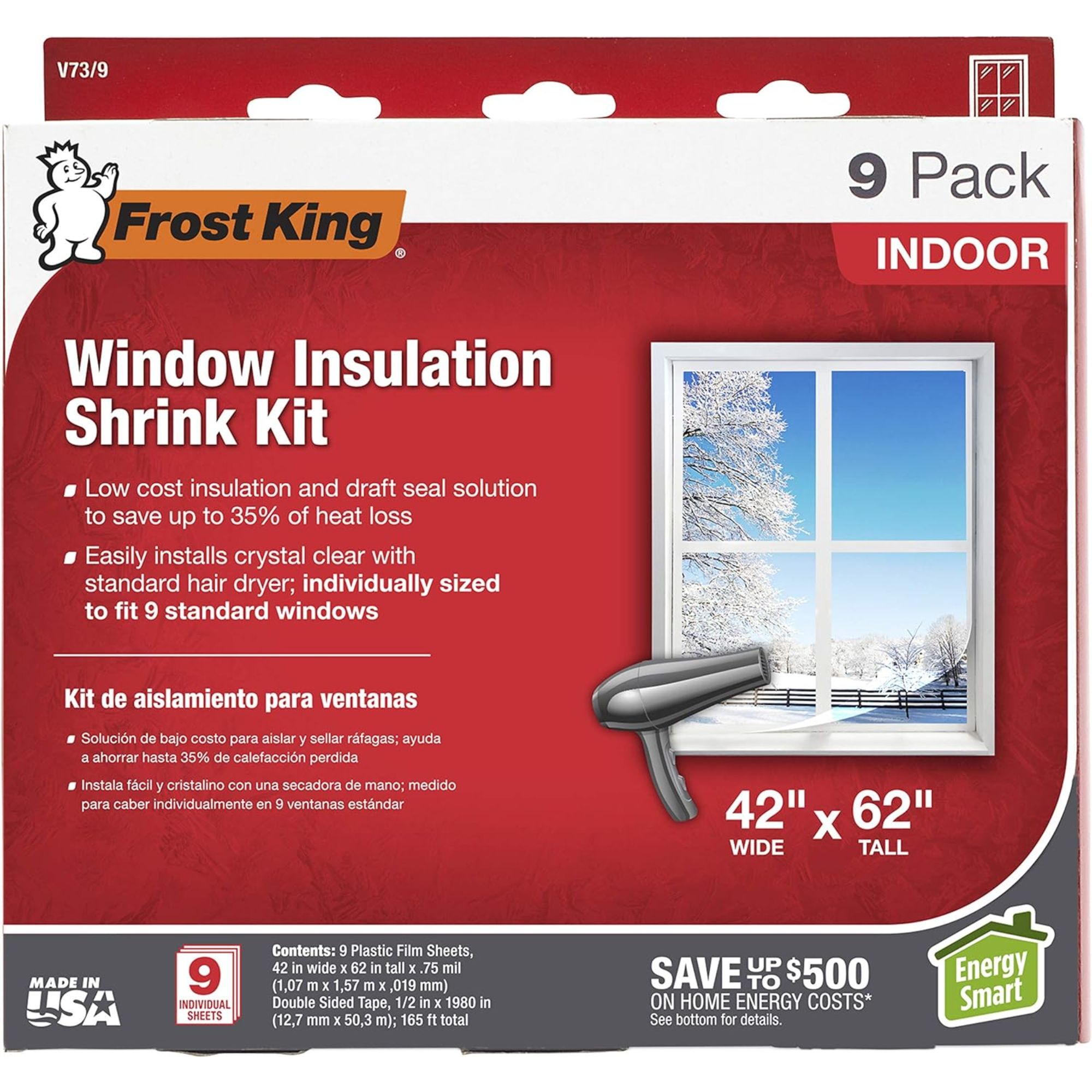
This thermal window film prevents cold air transfer, adding an extra insulating layer to windows for a warmer home and lower energy bills. All you need to apply is some scisors to cut to size, and a hair dryer.
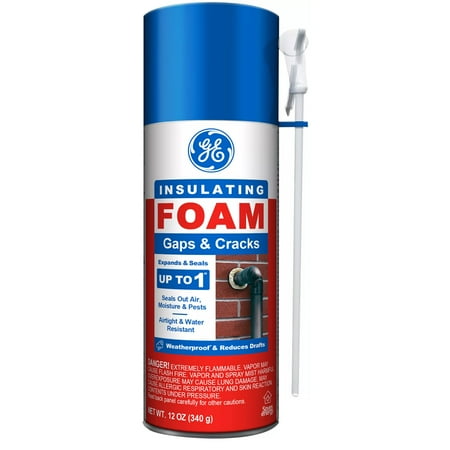
Insulating foam expands on application to fill gaps up to one inch in size, preventing air transfer for a warmer home.
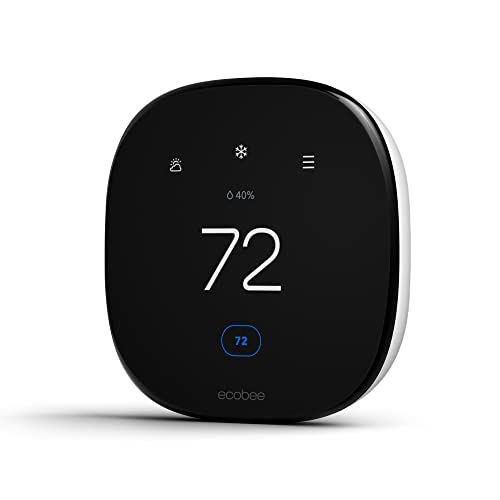
A smart thermostat allows you to control your heating from anywhere in the world, and allows you to set schedules to suit your routine, so your home is always toasty when you need it to be.
Meet the Experts
Trying these basic tasks is a great way to keep a home warm all day without having to call out a plumber for emergency repairs at the busiest time of the year. If these tricks do not work, however, it is always best to consult an expert to avoid damage to essential systems.