
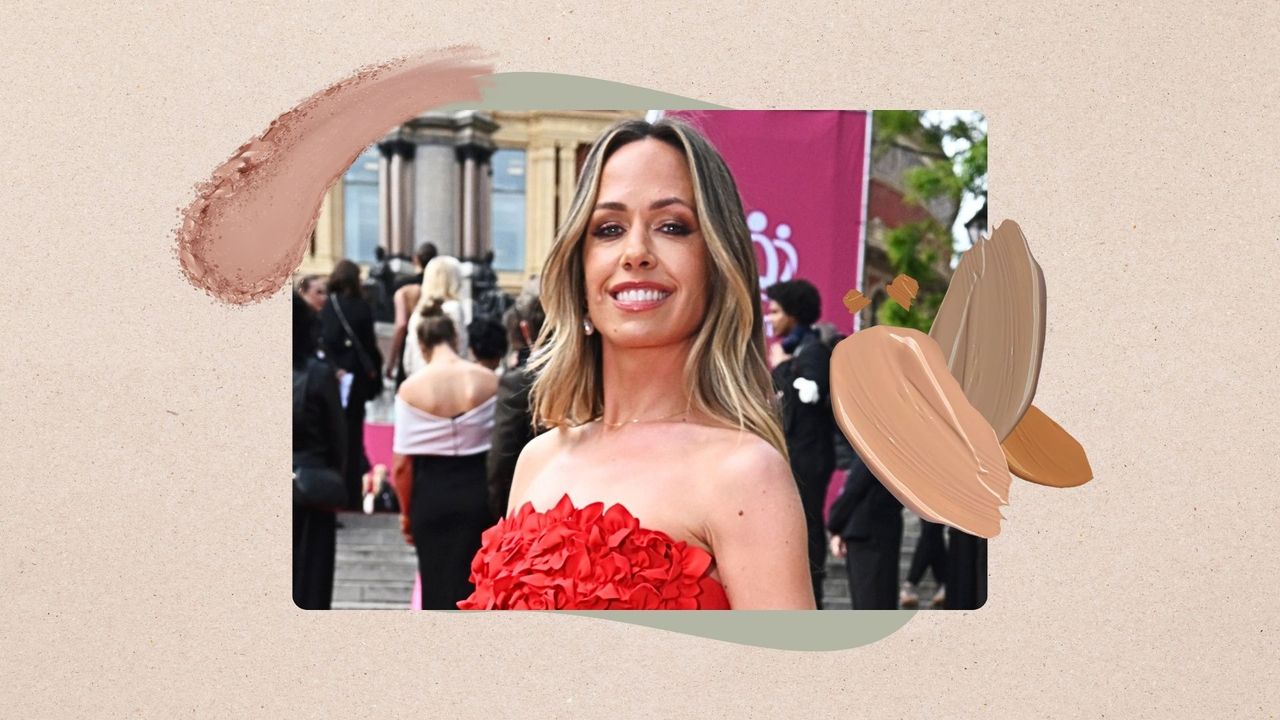
Celebrity makeup artist Hannah Martin has spent more than two decades painting the faces of some of the world’s most recognisable women, from supermodels to royalty. Renowned for creating glowing yet natural-looking skin for her A-list clientele, Martin recently revealed the unexpected secret behind her signature makeup finish.
Speaking at a Clinique press event, Martin shared that her “very dry, slightly wrinkly hands” are an “absolute blessing” when it comes to makeup application. She explained that she was originally trained by a makeup artist with similarly dry hands and has since found that drier skin can offer more control when blending complexion products with the fingers.
“If you have oily palms or secrete a bit of sweat through your palms or your fingers, you're probably not the kind of person to be able to do much makeup with your fingers. But my dry old lady hands are perfect.”
Why dry hands can help with makeup application
Makeup brushes and beauty sponges will always have a place in our routines. But it’s true that finger application has long been favoured by artists looking to create a softer, more skin-like finish. According to experts, the warmth from your hands can help cream and liquid products melt more seamlessly into the complexion, particularly when working with lighter base formulas such as skin tints, cream blushes and balmy concealers.
Martin’s not alone in her preference for finger application. Legendary makeup artist Kevyn Aucoin famously used his hands to press and melt products into the skin for a seamless finish, while celebrity makeup artist Daniel Martin – best known for creating Meghan Markle’s wedding makeup – has previously said he rarely uses a sponge for foundation, preferring fingers for a more natural effect.
Dry hands may also offer slightly more grip and control when pressing products into the skin, especially compared to oilier fingertips, which can sometimes cause makeup to slip or separate during application. As Martin flags, finger application won’t work for everyone – and the best tool often depends on both your skin type and the formula itself. Those with oily palms or sweaty fingertips may find that brushes or damp beauty sponges offer a smoother, more even result, particularly when applying full-coverage foundations.
Cream-based and hydrating formulas tend to work especially well when applied with the fingers. Products such as lightweight foundations and cream blushes can benefit from being gently pressed into the skin rather than buffed heavily across the face. Many makeup artists also recommend using fingertips around areas where makeup is more prone to creasing, such as under the eyes or around the nose, as the lighter pressure can help deliver a fresher-looking finish.