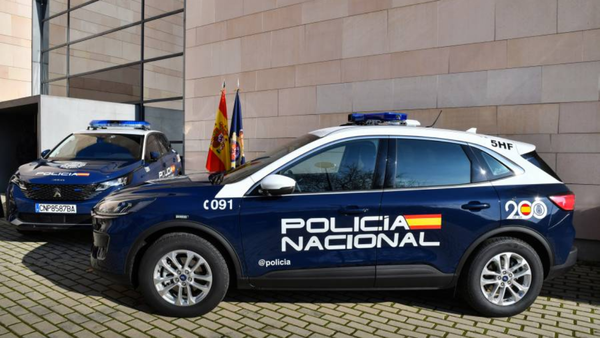

If you commute or ride an e-bike or electric two-wheeler for fun, you've probably seen the headlines. Washington State has a new law. Police are talking about enforcement. Parents are being warned. And high-power electric bikes are suddenly in the spotlight.
At first glance, it sounds like Washington just declared war on electric bikes. But that's not exactly what's happening. The interesting part of this story isn't that the state wants teenagers off high-powered electric bikes. Plenty of cities have already been struggling with kids ripping through parks, sidewalks, bike paths, and neighborhood streets on machines capable of motorcycle speeds. That part isn't exactly new.
What's new is that Washington has finally forced one of the biggest questions in the electric two-wheeler world into the open: What exactly are high-powered "e-bikes" like those from Sur-Ron and Talaria?

For years, bikes like the Sur-Ron Light Bee and Talaria Komodo have occupied a weird legal no-man 's-land. They're sold through powersports dealers. They look like dirt bikes. They can hit speeds that would embarrass many scooters. Yet they've often been lumped into the same conversations as electric bicycles. Washington's new law essentially says that the conversation is over.
Under the updated rules, an e-bike can't produce more than 750 watts and can't propel itself beyond 20 miles per hour without pedaling. If a machine exceeds those limits, it's no longer considered an e-bike. It's now effectively governed by rules pertaining to electric motorcycles. That sounds straightforward enough until you realize what comes next.
It can be easy to interpret the law as creating a path for Sur-Rons to become street legal. Get a license, be at least 16 years old, and you're good to go, right?
Wrong.
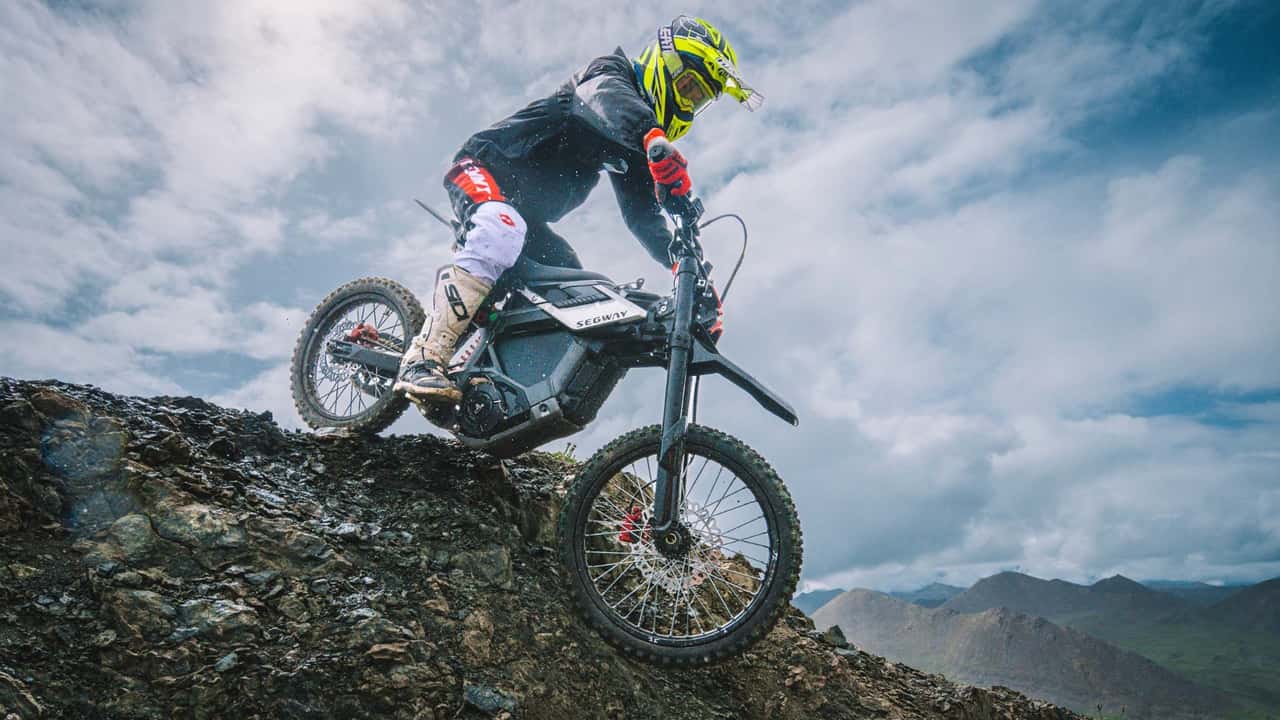
The law doesn't magically transform an electric dirt bike into a road-legal motorcycle. It simply removes the e-bike label that many owners were relying on. Once the bike is classified as a motorcycle, it has to play by motorcycle rules. And that's where things get a little bit tricky.
Many Sur-Rons and Talarias sold in the US were originally intended for off-road use only. They lack equipment, certification, or registration status needed for legal street operation. In other words, being treated as a motorcycle doesn't automatically mean you can ride one down Main Street.
So that's the real story here. Washington didn't ban these bikes. It didn't outlaw ownership. It didn't even say adults can't ride them. Instead, the state looked at a machine capable of 40, 50, or even 60 miles per hour and basically said: stop pretending this is a bicycle.
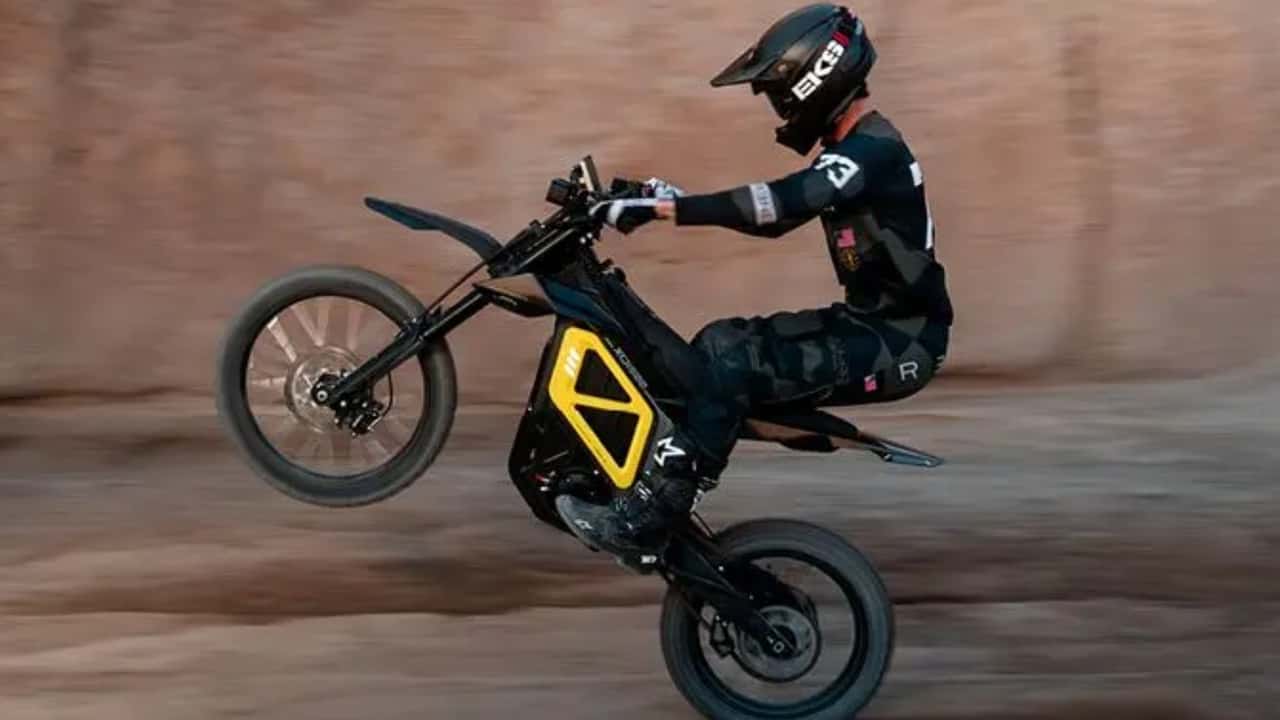
The timing isn't surprising. Regulators across the country are trying to catch up with a category that exploded faster than the laws governing it. Electric dirt bikes have become wildly popular because they deliver motorcycle-level performance without many of the barriers traditionally associated with motorcycles. Now those barriers are starting to reappear.
The Tacoma headlines may be about teenagers getting stopped by police, but the bigger takeaway is much bigger. Washington has drawn a hard line between e-bikes and electric motorcycles, and a lot of machines that used to sit comfortably in the middle suddenly have to choose a side.