
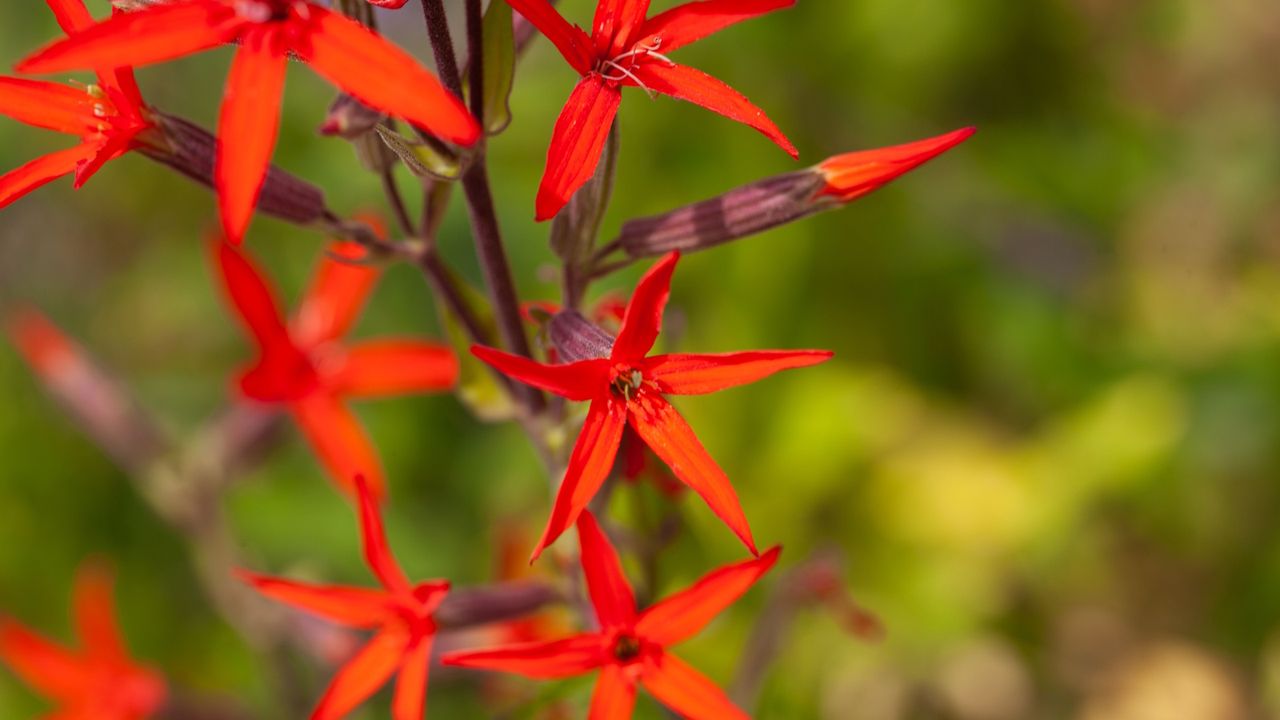
If there's one wildflower seed to scatter in your yard this spring for hummingbirds, it's royal catchfly (or Silene regia). With bright scarlet-red blooms that come out around mid-summer, it's the perfect native plant to provide these charming birds with a late-season source of nectar.
It's a low-effort way to attract hummingbirds to the yard, as this wildflower is perennial (returning reliably every year) and spreads via self-seeding. It's a beautiful addition to borders, with flower spikes typically reaching 3-4 feet in height, or you can scatter some royal catchfly seeds (like these from Amazon) in your wildflower patch.
Of course, hummingbirds like red flowers, but royal catchfly is also visited by the likes of swallowtail butterflies. In fact, the tubular shape of the blooms is ideal for these pollinators with long beaks and tongues. Here's why you should consider growing royal catchfly for hummingbirds this spring.
Why Hummingbirds Love Royal Catchfly
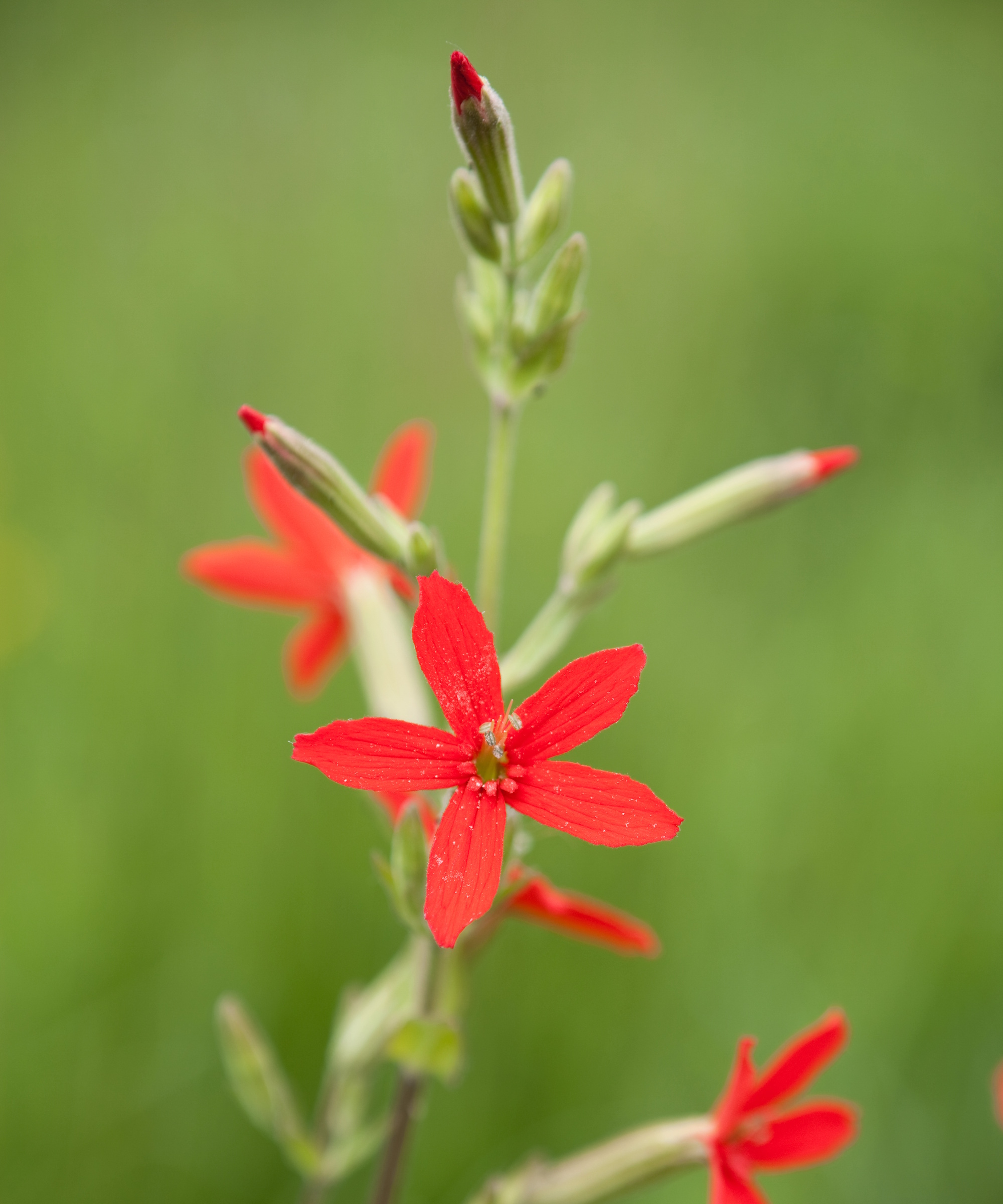
The royal catchfly is primarily pollinated by the ruby-throated hummingbird, which is attracted to the bright red color.
It has narrow tubular flowers that hummingbirds are perfectly suited to feed from, with long bills and tongues able to reach inside. This, alongside the fact that the plant's stems are sticky (earning its name of catchfly) and deter many other nectar-eating insects, reduces competition for hummingbirds.
The blooms appear from mid-summer, lasting into fall. This makes it a vital source of nectar for hummingbirds when other sources start to fade. This provides plenty of energy right before the hummingbird migration begins.
As hummingbirds feed from royal catchfly, pollen brushes onto their heads and beaks. This makes them vital pollinators as they visit other plants, keeping biodiversity rich among prairie species like royal catchfly.
How to Grow Royal Catchfly
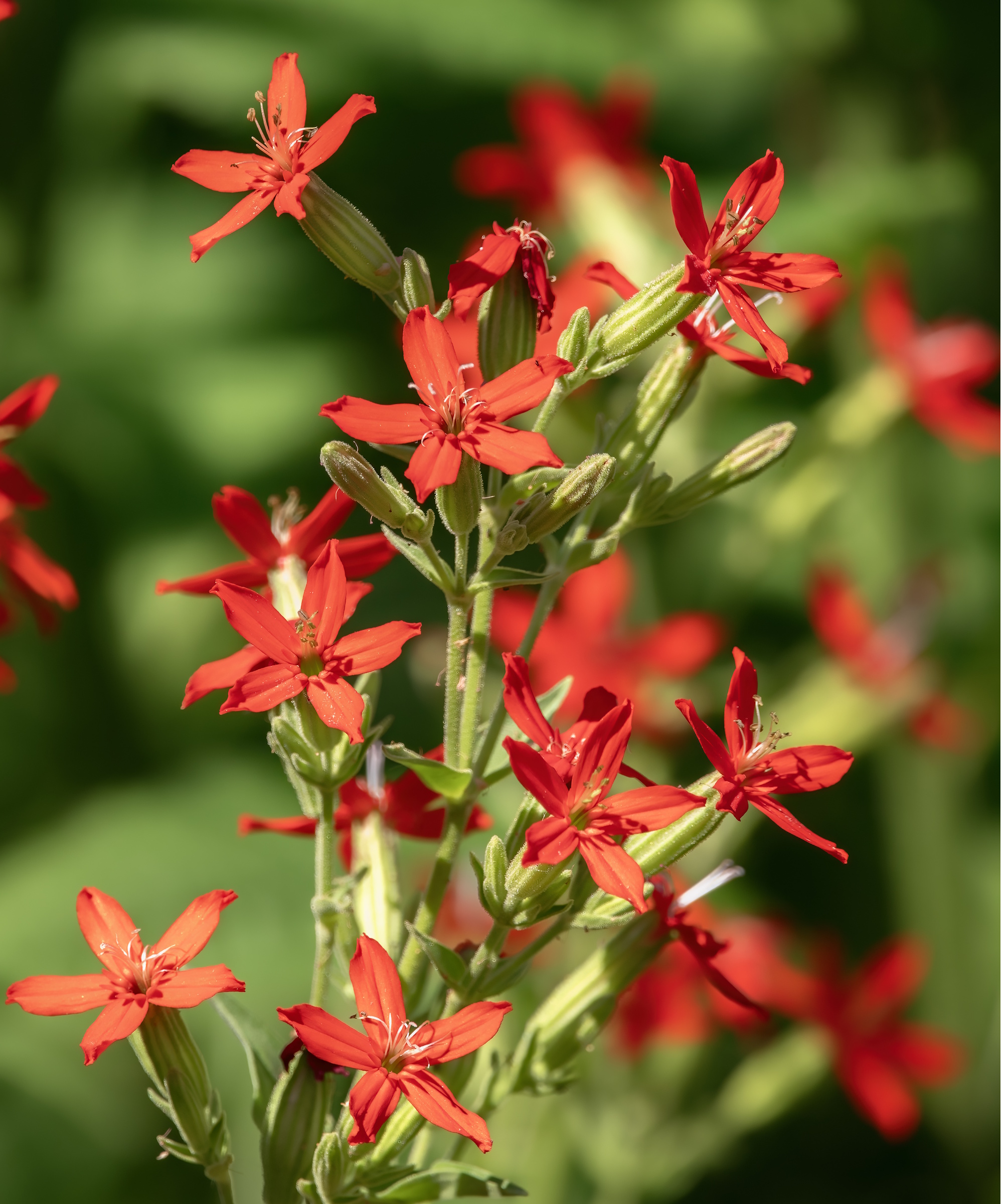
Royal catchfly is a native plant primarily found in tallgrass prairie regions of the Midwest and Southeast US. It's exceptionally drought-tolerant, thrives in sandy soil, and is a hardy perennial.
It can be grown in gardens across USDA zones 5-8 and ideally should be sown between late fall and early spring, as it requires cold seed stratification to germinate. You can still sow it later in spring by first placing royal catchfly seeds in your refrigerator for around eight weeks.
- Soil: Royal catchfly can adapt to a wide range of soil types, but generally prefers something sandy and well-draining. It thrives in slightly acidic soil that is moderately fertile. If needed, you can use this Amazon soil test kit to find out more about your soil and add amendments to make your soil more acidic.
- Light: This wildflower loves full sun, needing 6-8 hours of direct sun daily for best performance. However, they can adapt well to light afternoon shade, especially in the hottest climes.
- Water: As mentioned, royal catchfly is actually fairly drought-tolerant once established. Of course, when you first sow seeds (royal catchfly seeds are also available at Walmart), you need to keep them consistently moist to aid seed germination. During particularly hot spells in summer, water deeply weekly.
- Deadheading: As blooms fade, you can keep deadheading royal catchfly to encourage more blooms and extend their display. You should be able to use your fingers to pinch off spent blooms, but you can also use these garden snips (from Amazon) to make clean cuts.
What to Shop
This mix of wildflower seeds is full of nectar-rich plants for hummingbirds and butterflies. Simply scatter them in your yard and watch them grow.
This hummingbird feeder has a camera so you can watch hummingbirds visit your yard on your phone. It sends you notifications for activity so you can check in on the app.
These pretty hummingbird swings can be hung in tree branches to provide perching spots. This provides hummingbirds with a safe spot to look out for predators.
There are lots of options when it comes to planting for hummingbirds. The Temple of Bloom Seven-Sons Flower provides both nectar and a nesting spot, for example. Or, opt for the corkscrew vine for an unusual climber these birds love.
Love inspiring garden ideas, outdoor advice, and the latest news? Sign up for our newsletter and get the latest features delivered straight to your inbox.