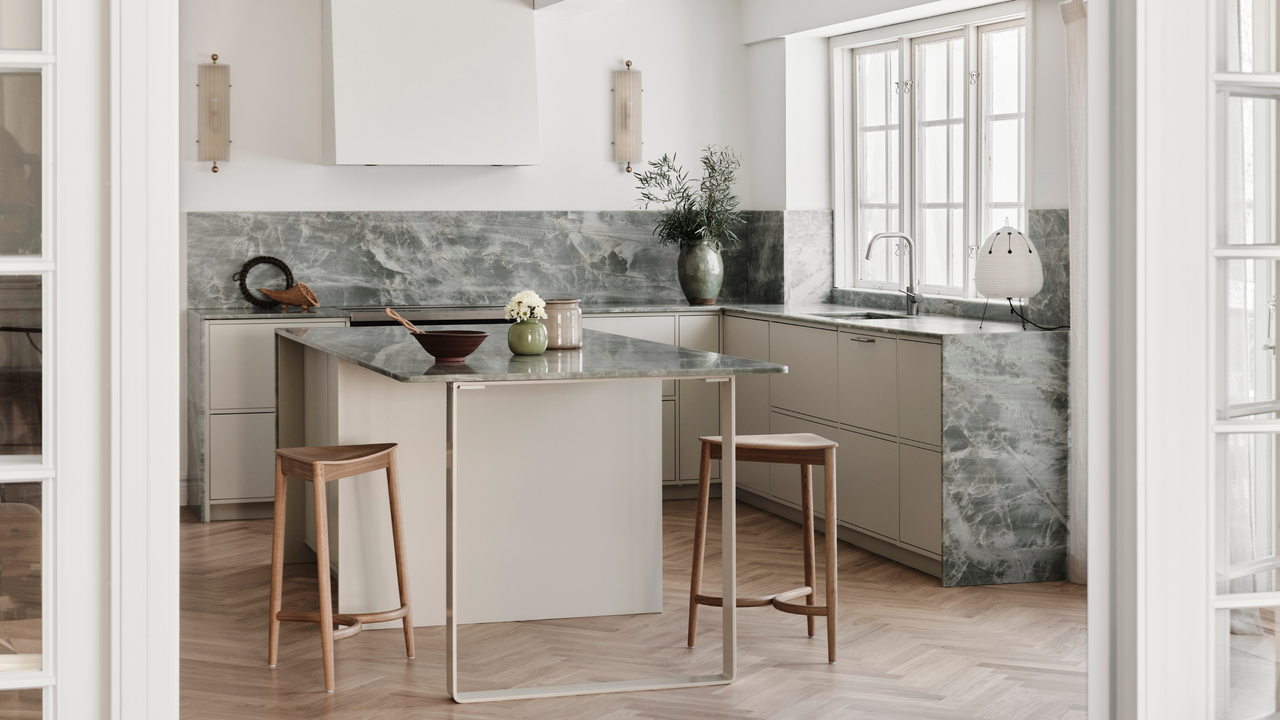
It seems that for some, tidiness comes naturally, as if they were born with an instinct for what should go where. At their homes, there is nary a cup out of place and every cupboard and drawer is meticulously organized; their bookshelves are probably color-coded or alphabetized. And then there are the rest of us. Falling firmly in the second camp, that casual, easy tidiness has always seemed like the ultimate aspiration to me. And in no place do I feel that envy more than in the kitchen.
It's by no means something I'm proud of, but I'd be lying if I claimed to keep a perennially tidy kitchen. I can get it into a perfectly presentable state when needed, but the majority of the time, my kitchen leans towards the chaotic side. And even after a thorough tidy-up, it still doesn't seem to have that flawless quality I see in the homes of others. In fact, it's not until I'm confronted with a spotless, perfectly organized kitchen that I become fully aware of my own inferiority. And after one too many run-ins with countertop perfection, I'm ready to begin my ascent to tidiness.
And, as I've recently discovered, it's not entirely my fault that my kitchen looks the way it does. According to the experts, the reasons behind a messy-looking kitchen can often fall on specific design flaws, as opposed to a personal failure on the part of the homeowner — which was exactly the news I was hoping to hear. So, to help me in my journey, the experts have laid out exactly what is keeping my kitchen from looking its best, and what I need to do to change it.
1. Your Appliances Are Left Out
There's nothing I find more exciting than a new, stylish kitchen appliance. There's a certain thrill in treating yourself to a new, hopefully life-changing cooking gadget — a feeling I know many home chefs can relate to. And, in my mind, what's the point of investing in the best if you can't have it out on display? But, according to the experts, this is one of the most classic mistakes you can make.
"Kitchens with appliances on show always look less considered and messier, even if you've chosen the most beautifully designed toasters, kettles, and coffee machines," claims Reuben Ward, lead designer at Blakes London.
No matter how chic the appliance, the presence of a bulky machine on your worktops will always detract from the design.
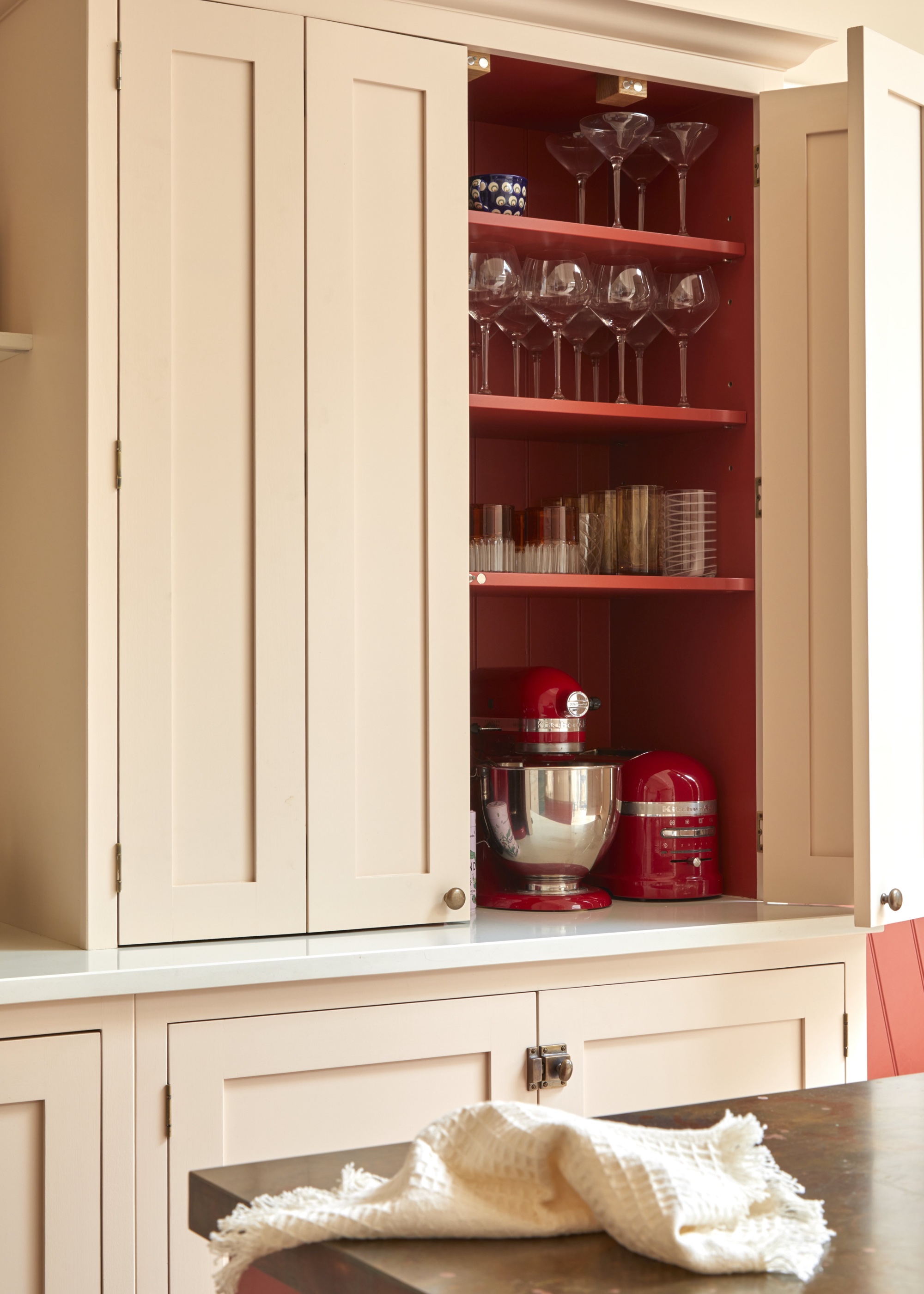
This doesn't mean you need to rid yourself of all your kitchen gadgets; it just means you need to find the right way to position your kitchen appliances. An appliance garage, for example, is a favorite among designers, as is a pocket door breakfast bar, perfect for hiding away your coffee machine.
For the best results, Reuben recommends hiding appliances away in "a dedicated appliance cupboard or garage complete with an internal worktop and integrated plug sockets so that appliances are easily accessible and usable in their dedicated storage space."
Freeing up your countertop space is the first, and arguably the most important step in achieving a tidier kitchen. But you don't have to leave them completely clear — tasteful touches like an elegant fruit bowl or a kitchen plant can help to elevate your design even further.
2. Your Storage Is Too Standard

If you think of kitchen storage as a one-size-fits-all design choice, you're already on the wrong path before you've even stepped foot in your home.
"One of the biggest mistakes we see is a lack of bespoke storage, and by this, I mean bespoke storage tailored to daily routines," explains Bronwen Lee from Harvey Jones.
The kitchen is an inherently personal space, and it should be designed to reflect as such. Your lifestyle choices and daily habits will dictate the way you use your space, so it only makes sense to design with this fact in mind.
"When everyday items don't have a designated home that fits into the way you use the kitchen, worktops quickly become cluttered with appliances, paperwork, and household essentials," says Bronwen.
This can look slightly different for everyone — if you're a passionate tea drinker, perhaps it would make sense to include a dedicated tea drawer or, if you're big into wellness, maybe you could consider carving out a space specifically for storing supplements.
3. You're Using Open-Shelving Wrong
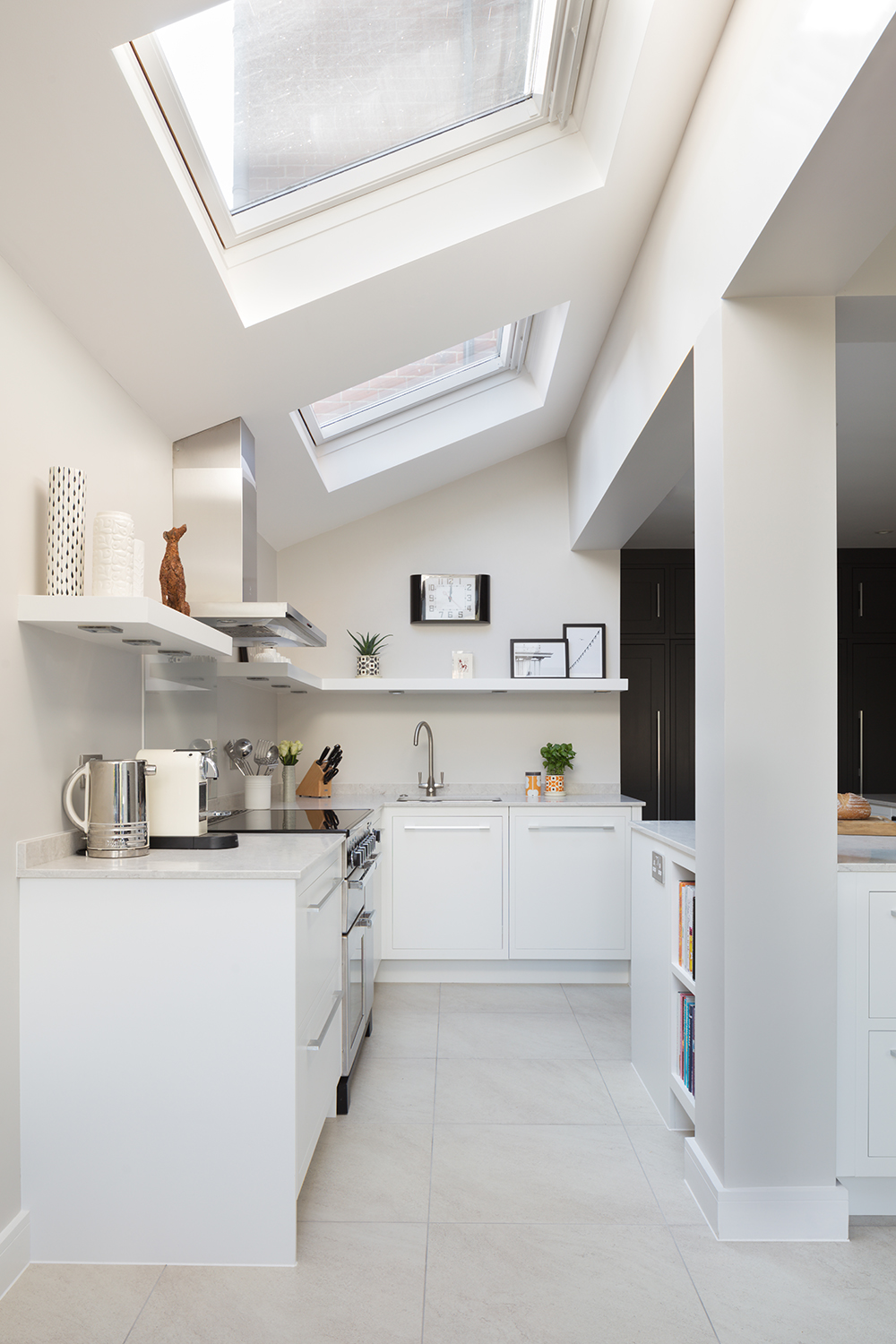
The enemy to a tidy-looking kitchen is visible clutter, and what could make clutter more visible than exposed, open shelving? Opting for open shelves instead of closed cabinetry immediately makes you vulnerable to a whole new degree of messiness, and you'll have to be as aware of keeping not just your countertops organized, but your wall shelves, too.
This is not to say you should reject this style of shelving entirely; it's more about the way in which you use it. As Bronwen explains, "A common issue is relying too heavily on open shelving; while it can look beautiful when styled carefully, it often ends up displaying visual clutter if there aren’t enough drawers to hide things away." It's all about finding those perfect, stylish, and functional shelf decor pieces, instead of just loading them up with whatever you can't find space for elsewhere.
When used as a purely decorative feature, open shelving can be a beautiful addition to your kitchen; however, as soon as it needs to pick up the slack for the rest of your kitchen design, you'll notice your space feels more cluttered and overwhelming to be in.
4. Lack of Zoning
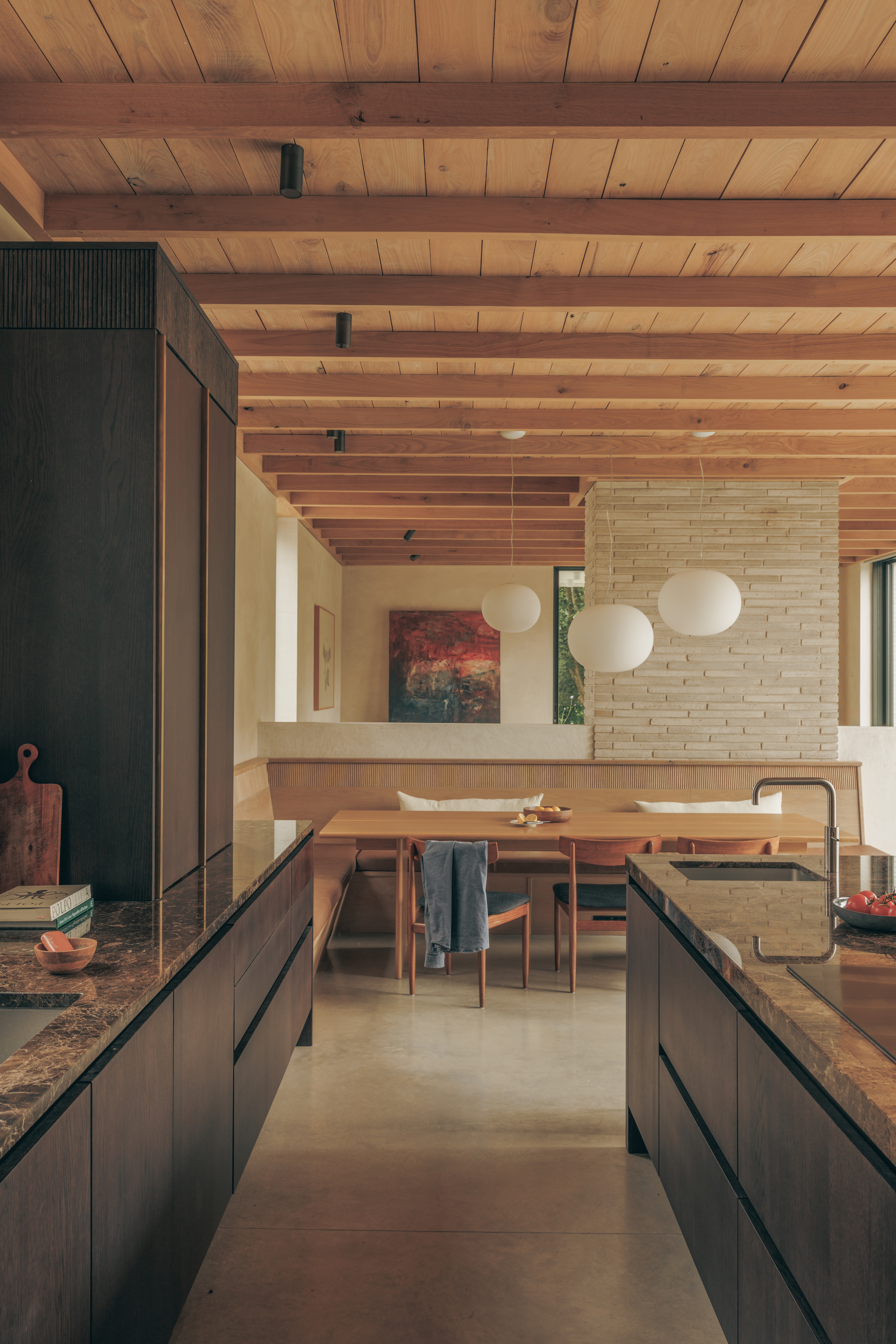
It's all too easy to design your kitchen as one, continuous space, with a singular, shared function running across. However, as Matthew Sanders of House of EM explains, "Without designated areas, kitchen worktops tend to accumulate additional activity zones like a spot to put mail and keys, appliances or utensils, which makes the whole space feel cluttered."
These extra, additional functions and kitchen activities may seem too irrelevant to even factor them into your design. However, the truth of the matter is that these little things make up part of your daily routine, and integrating them into your home will allow them to feel more seamless, and not just like small, daily inconveniences that create even more clutter.
Another great example of this is those grotty dog beds that can so often end up shoved into the corner of your kitchen. As Bronwen points out, "Pets can be an overlooked mess creator too, which can actually be a really fun part of designing a kitchen." To help mitigate any pet-related clutter, she says, "Creating a designated pet corner near a back door and a utility sink helps to keep muddy paws and cleaning products tucked away and out of the main kitchen area."
5. Your Orientation is Off
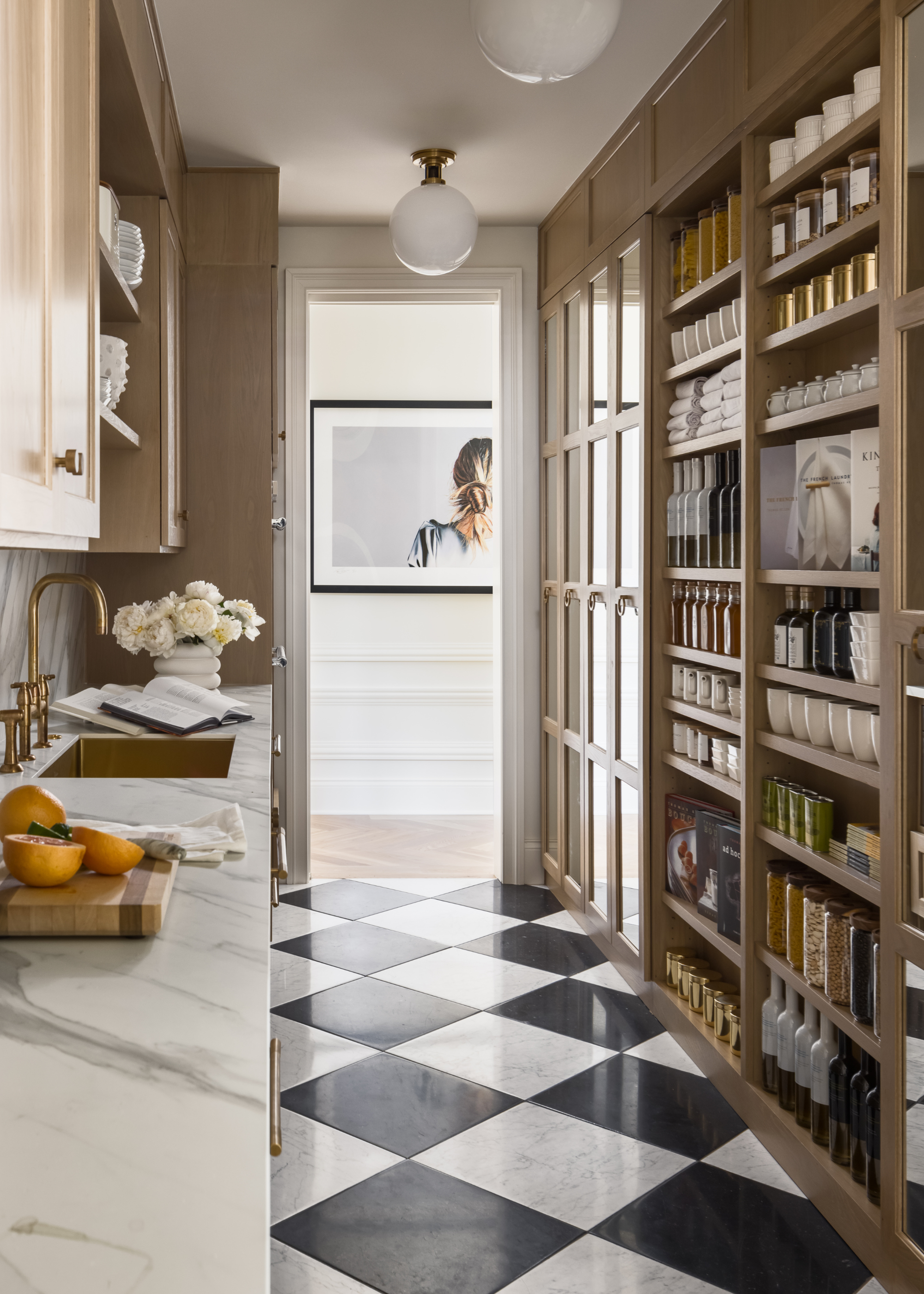
Something you may not consider that could be affecting the way your kitchen looks is less to do with how you organize your space, and everything to do with how you orient it.
One of Matthew's top tips is to spend some time thinking about how your kitchen will look from various angles in your home. He says, "Orient the kitchen carefully in the space, and how it is viewed from other rooms and the entrance. Show its best side, and be careful not to let it dominate the space."
If your kitchen is the first thing you see as soon as you step through your entryway, it's likely that any mess will feel more obvious — you want to find a way to ensure your guests only see the highlights, so that the messy reality can go unnoticed.
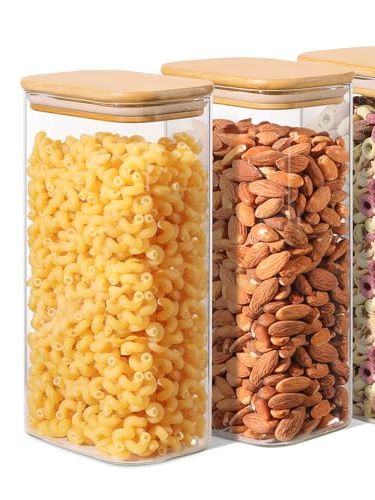
It may seem extra, but transferring your dried goods into glass jars makes your cabinets so much easier to organize.
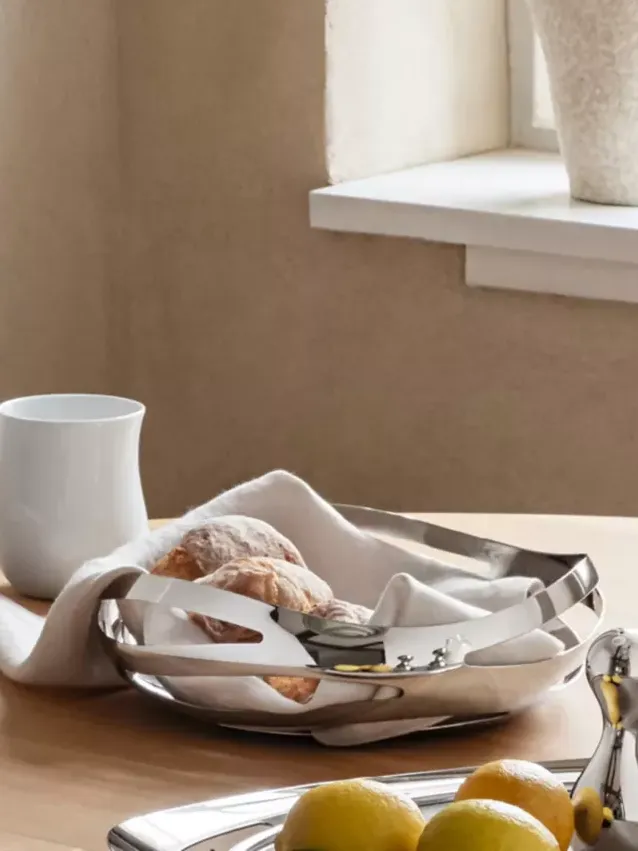
Swap out the countertop clutter for a curated, chic collection of items — like this gorgeous Georg Jensen fruit bowl.
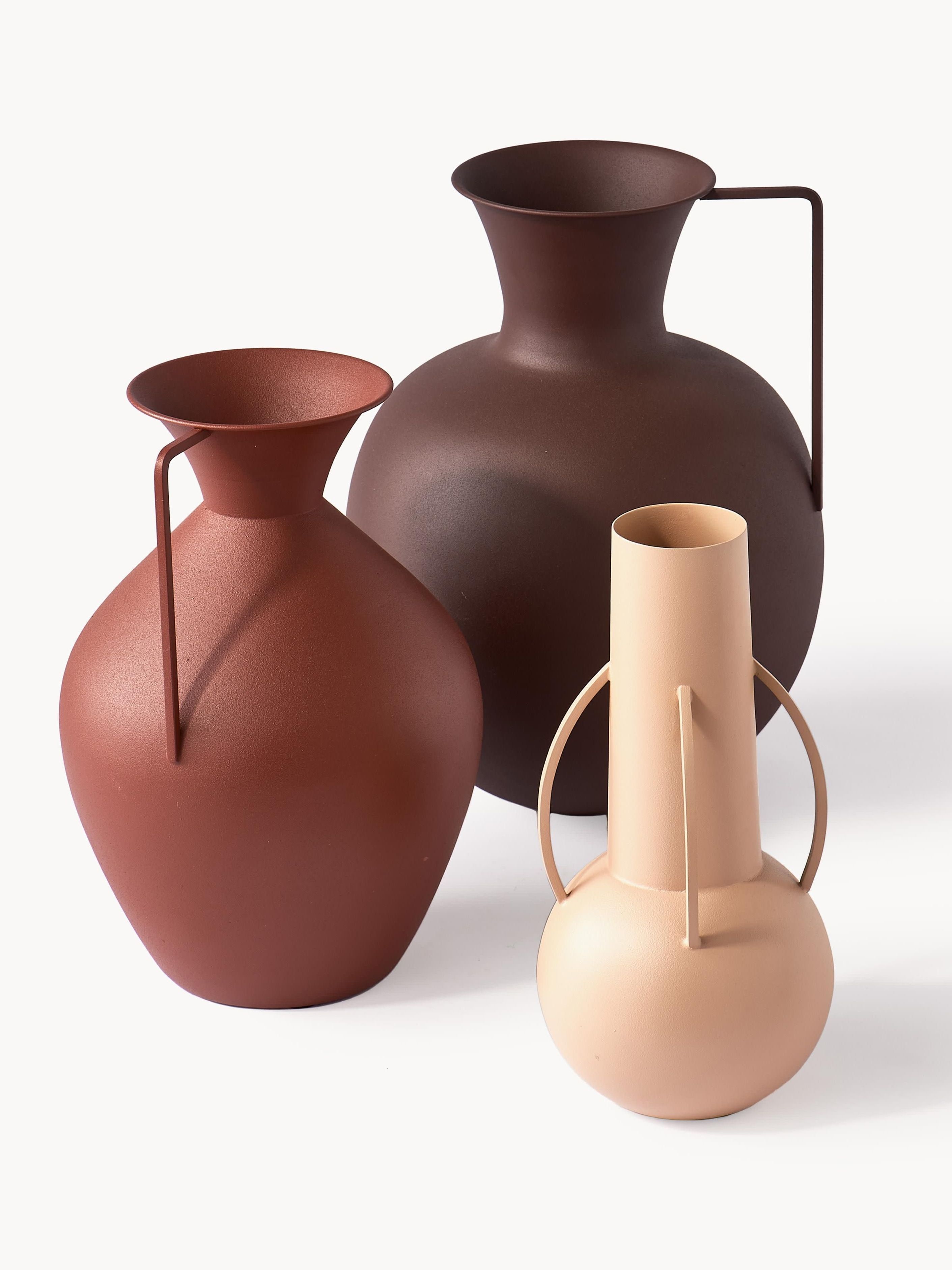
Another way to bring some more design flair to your kitchen counters, this set of vases feels super elegant and sophisticated.
For more tips for a clutter-free space, these are the things people with tidy kitchens always have that will help you keep the mess at bay.
And for the rest of your design inspiration and ideas, subscribe to our newsletter.