
With a winter storm and heavy snow set to sweep across the US this weekend, you might be asking yourself, 'Why fill up a bathtub during a storm?'
According to our plumbing and survival experts, it’s all about being prepared – the water provides a backup for sanitation, flushing toilets, and basic cleaning. They do stress, however, that this water should never be used for drinking.
Here, they explain why this simple step is so vital when preparing your home for a snowstorm.
Why You Should Always Fill Up a Bathtub During a Storm
As Philip Farina, chief security and safety advisor for Risky Business, specializing in disaster response and preparedness, stresses, 'The first and real goal is to have a supply of water on hand for several uses.
'If it's a winter storm and the pipes freeze or break, or if the power goes out or there is a problem at your municipal water station, you won't have access to water for even the most basic necessities.'
Therefore, says Megan Doser, owner of Doctor Fix It Plumbing, Heating, Cooling & Electric, filling a tub of water offers you emergency back-up should you need it.
'A storm is rarely just a storm; a storm is 10 problems in one,' she warns. 'While it's an outdoor condition, it quickly moves inside the house – usually, no heating due to the power outage, and frozen pipes due to the heat loss.
'As pipes freeze, you lose water, and it's crucial to stock up on water for drinking and cooking, and daily needs like flushing toilets, and basic hand washing.'
Megan adds that your typical bath ideas will hold 40 to 60 gallons of water, which is more than enough for toilet flushing, hand washing, sponge baths, and basic cleaning for two to three days in a family of two adults, and about one day in a family of four people.
And, as Joseph Wade, vice president of operations for Benjamin Franklin Plumbing, adds, this usage extends to any pets you may have, too.
'If you have furry family members in the house, this water can also be used to clean up muddy paws or litter boxes,' he explains.
Why You Shouldn't Drink the Water

If you don't have access to fresh, running water, you might think that your backup supply in your bathtub is safe for drinking, too.
But, warns Josh Mitchell, HVAC expert and founder of AirConditionerLab, 'That water should never be used for drinking, even if it's boiled.'
He explains, 'A tub isn't built for food-safe storage. Even if it looks clean, a bathtub usually contains soap film, bacteria around the drain and overflow, and possibly old caulk that can break down or carry mold.
'The faucet may backflow or leak small contaminants. Boiling kills bacteria, but it doesn't remove chemical residue, metals, or anything leached from the tub. It's fine for washing or flushing, but not for anything that goes into your mouth.'
If drinking water is a concern, Josh advises that one of his home rules for snowy weather is filling pitchers, jugs, or cooking pots with clean water before the storm hits.
'Keep that water away from garages, bathrooms, or laundry areas where cleaners, fuel, or other contaminants are often stored,' he adds. 'Even a sealed container can pick up fumes or spills from nearby products, especially in tight spaces with limited airflow.
'That kind of exposure isn't always obvious, but it can make drinking water unsafe without any visible signs. The bathtub is for backup use only and is not a safe substitute for drinking water.'
Alternatively, adds Philip, you can simply purchase emergency water storage from Amazon, and make sure you stock up ahead of time.
As Joseph concludes, 'If frozen pipes are a concern, it's best to stock up on drinking water before a storm hits.' You can also insulate pipes and drip faucets to stave off any freeze-ups, as well as maintain the perfect temperature to run your heating to avoid frozen pipes.
What to Shop
All prices were correct at the time of publication.
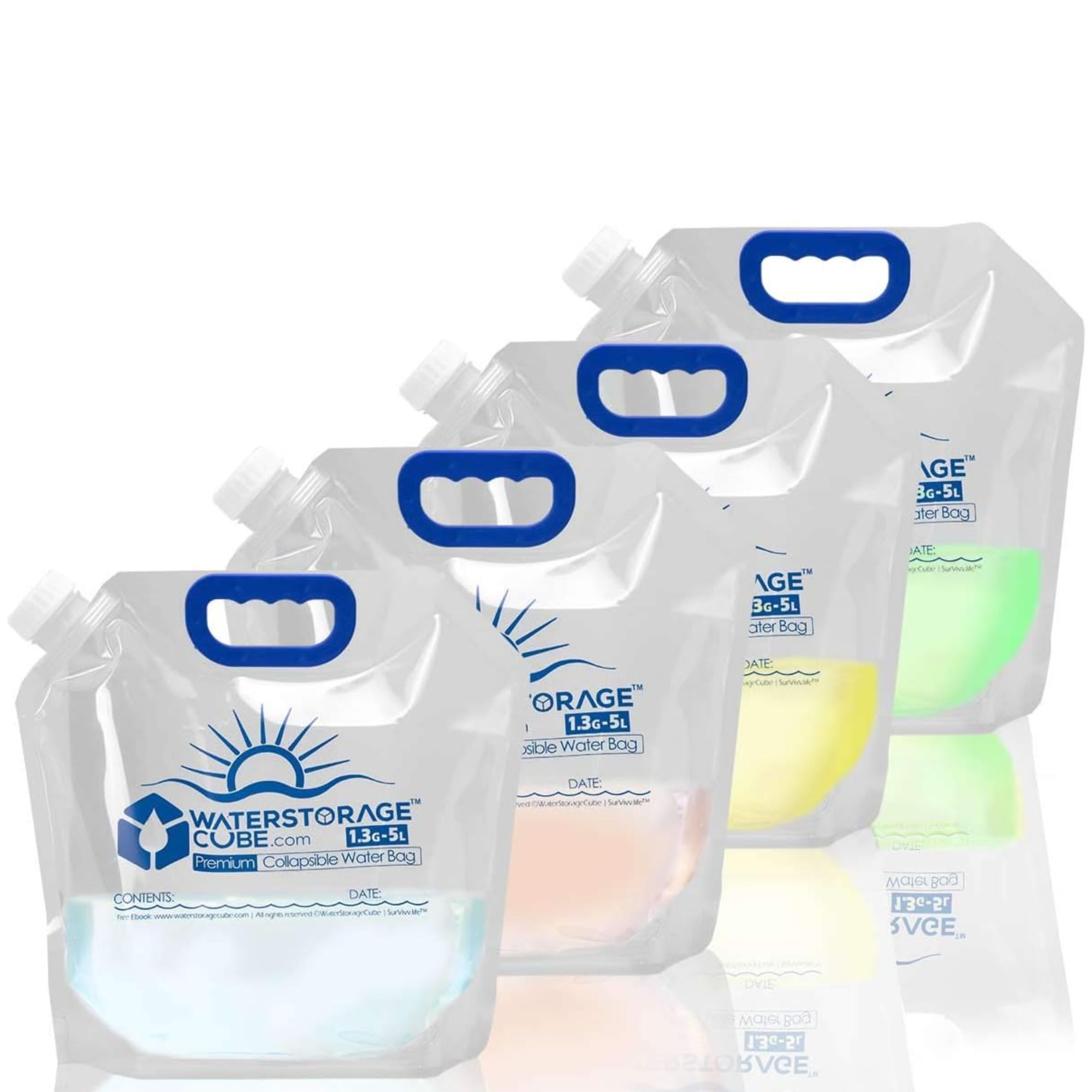
These water storage bags are made with BPA-free, food-grade PET plastic for durability and safety, and fold flat for easy storage and transport.
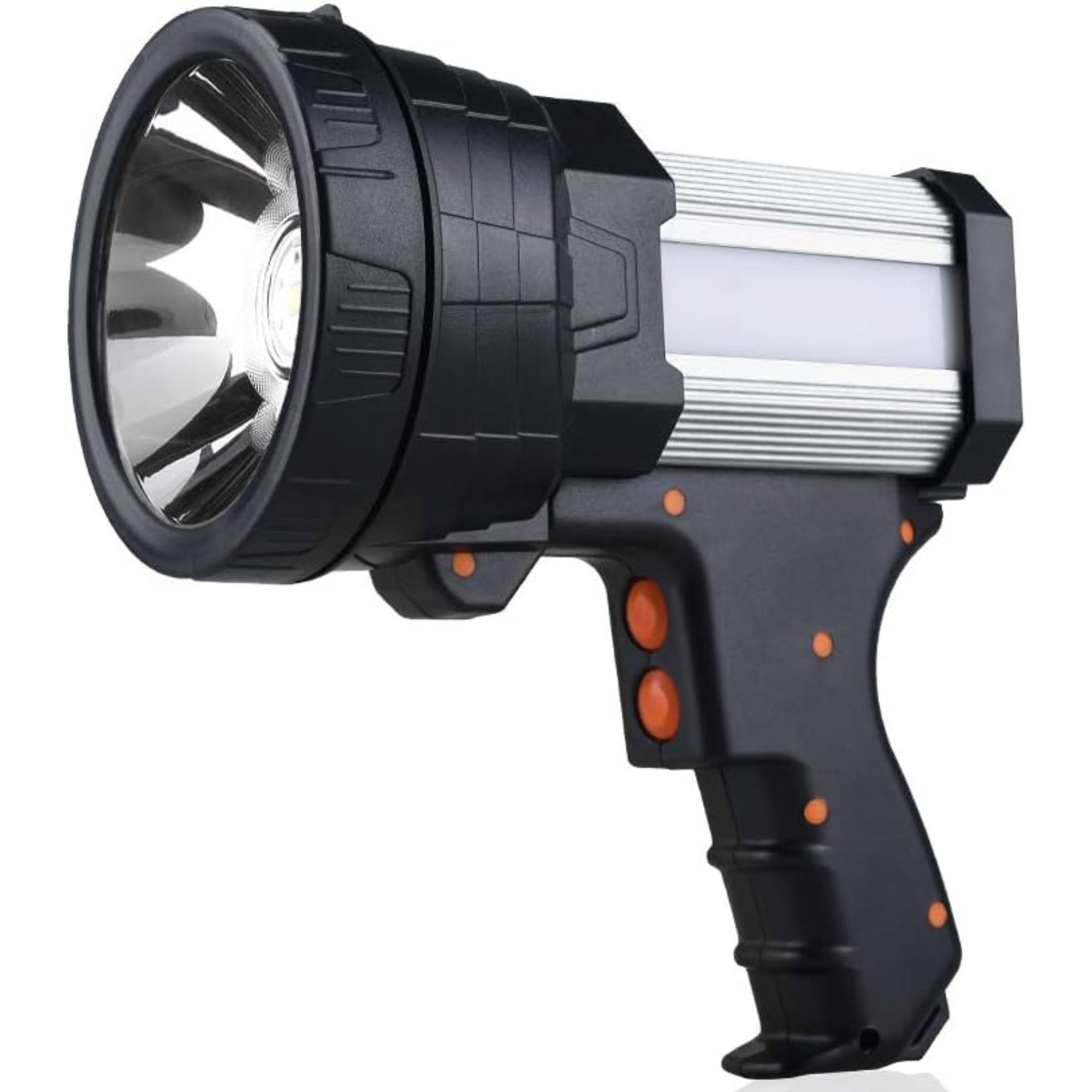
This rechargeable torch is an essential for any emergency kit, with a battery life of over eight hours, and a 100,000 high-lumen LED light.
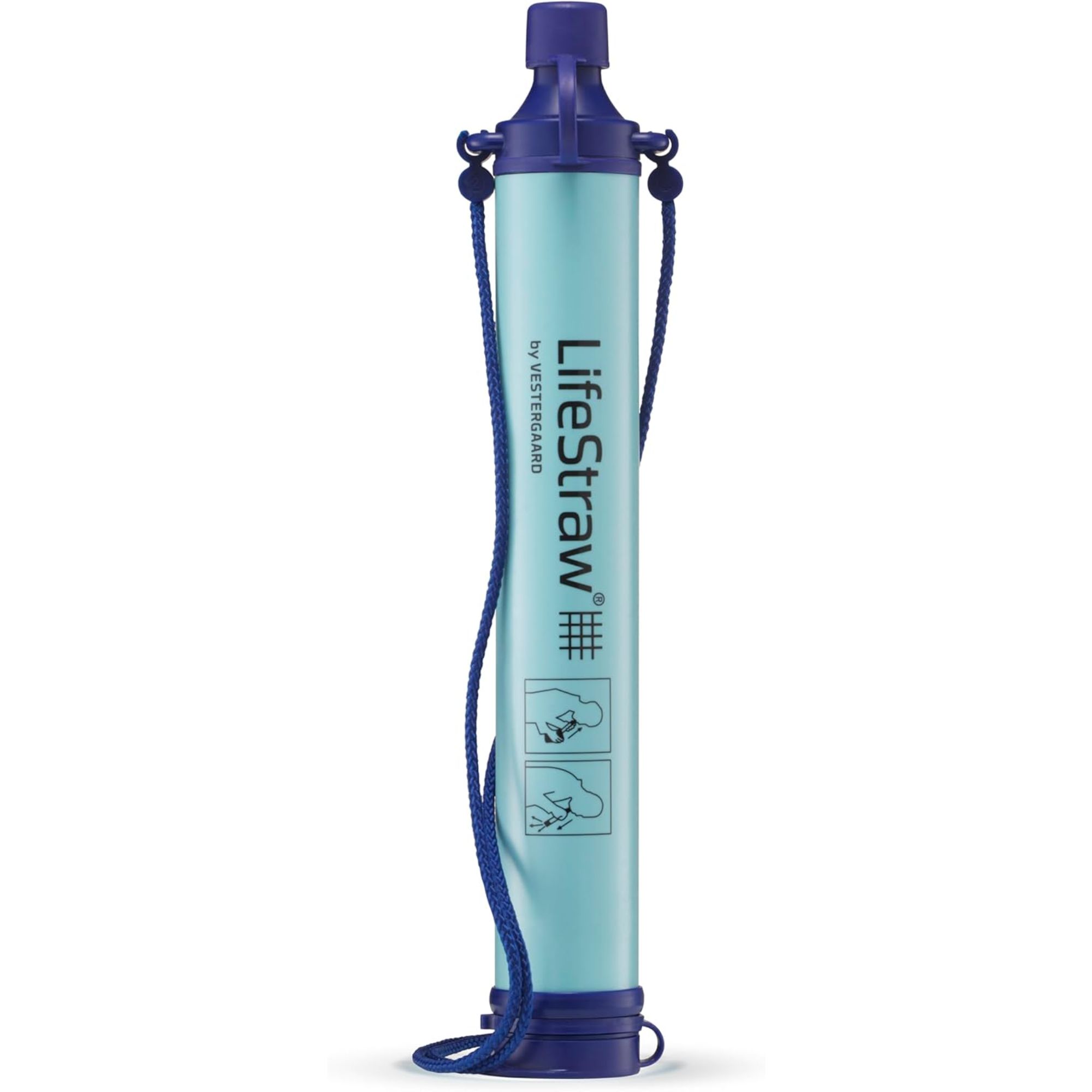
This personal water filter will provide 4,000 liters, or 1,000 gallons, of clean and safe drinking water, and removes 99.99% of waterborne bacteria and parasites.
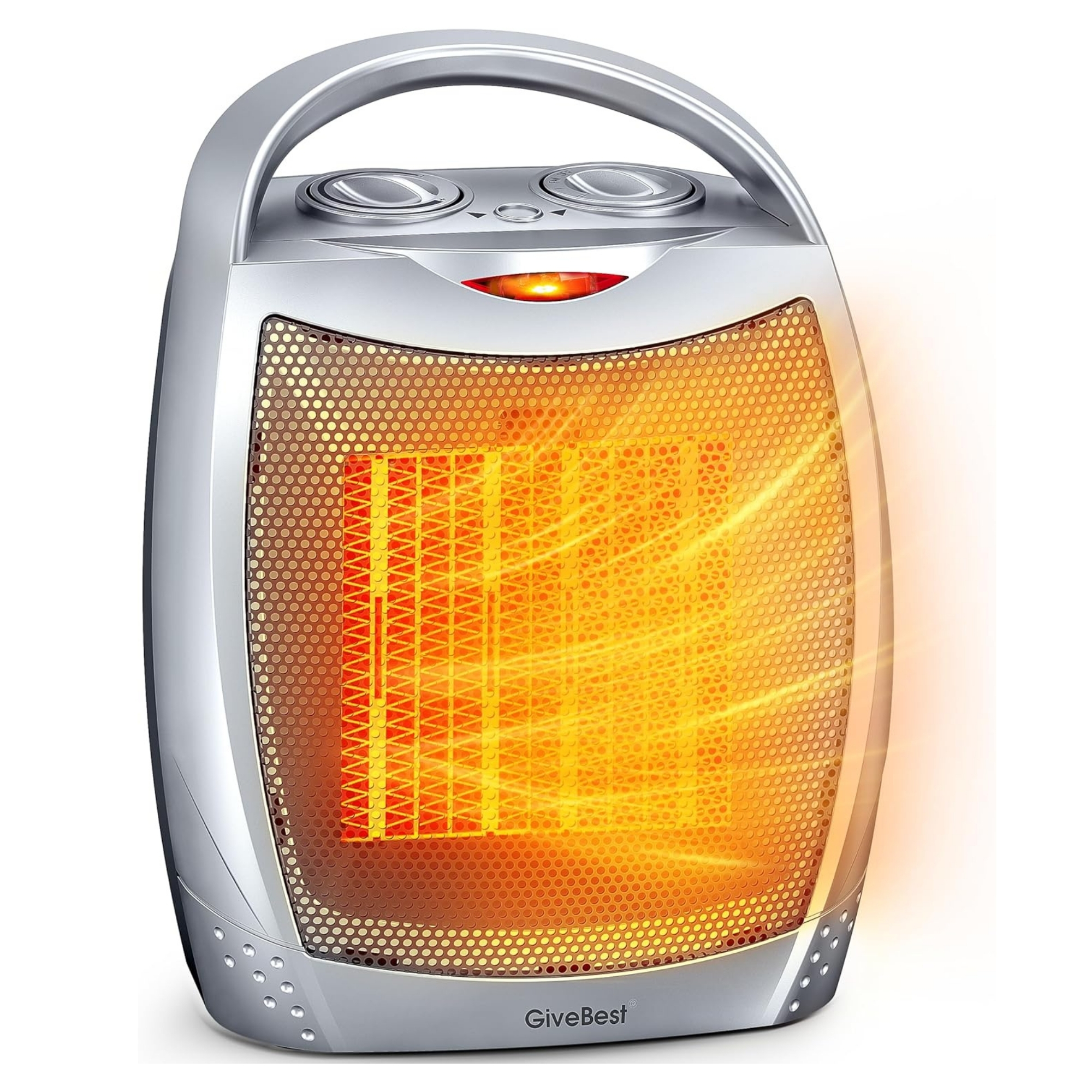
This portable space heater is powerful, quiet, and fast-heating, with a reliable multi-protection safety system to automatically shut off if it overheats. It's useful if you encounter a broken boiler or furnace during a storm.
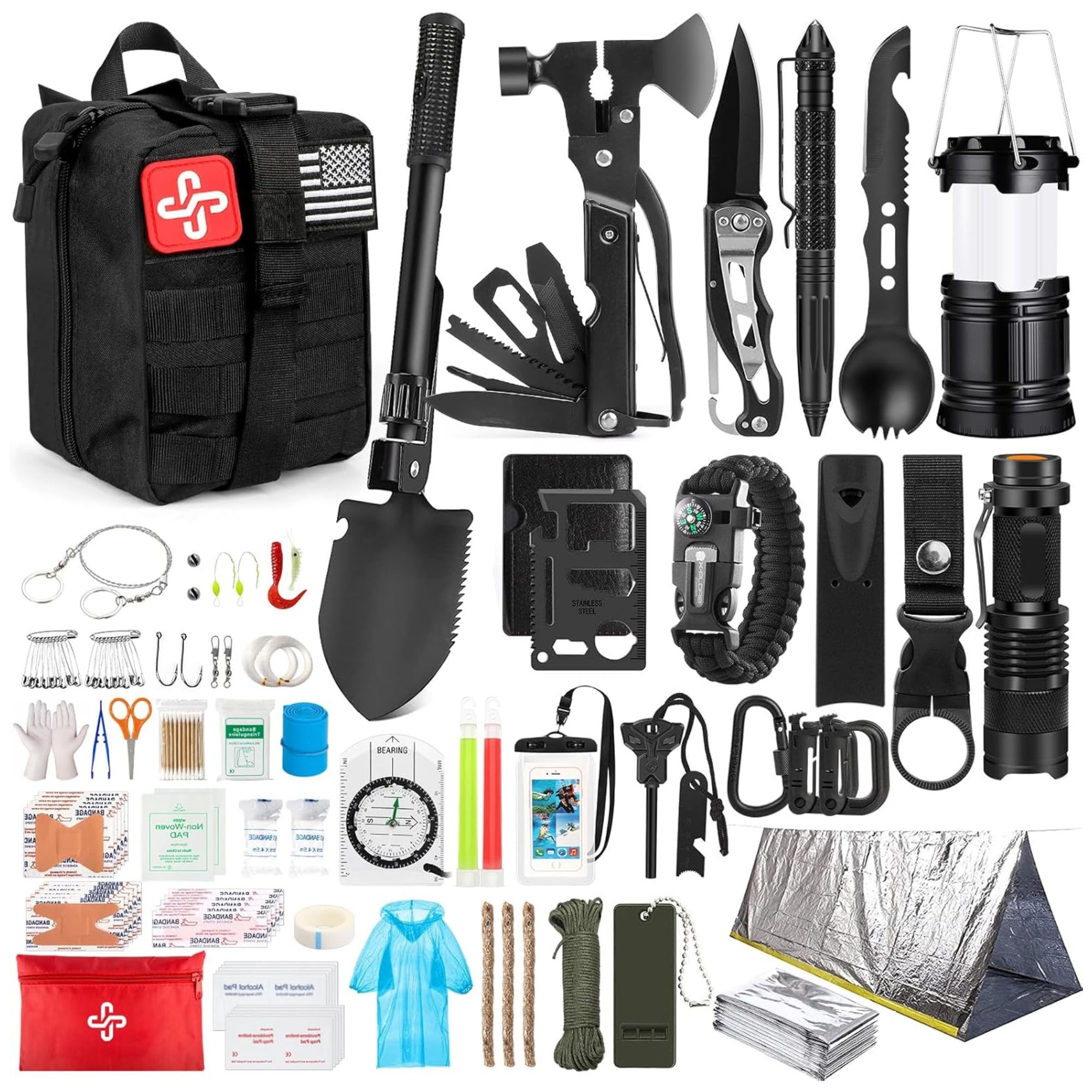
This number one bestselling survival kit is designed and curated by three survival experts, and includes a total of 250 multipurpose survival tools.
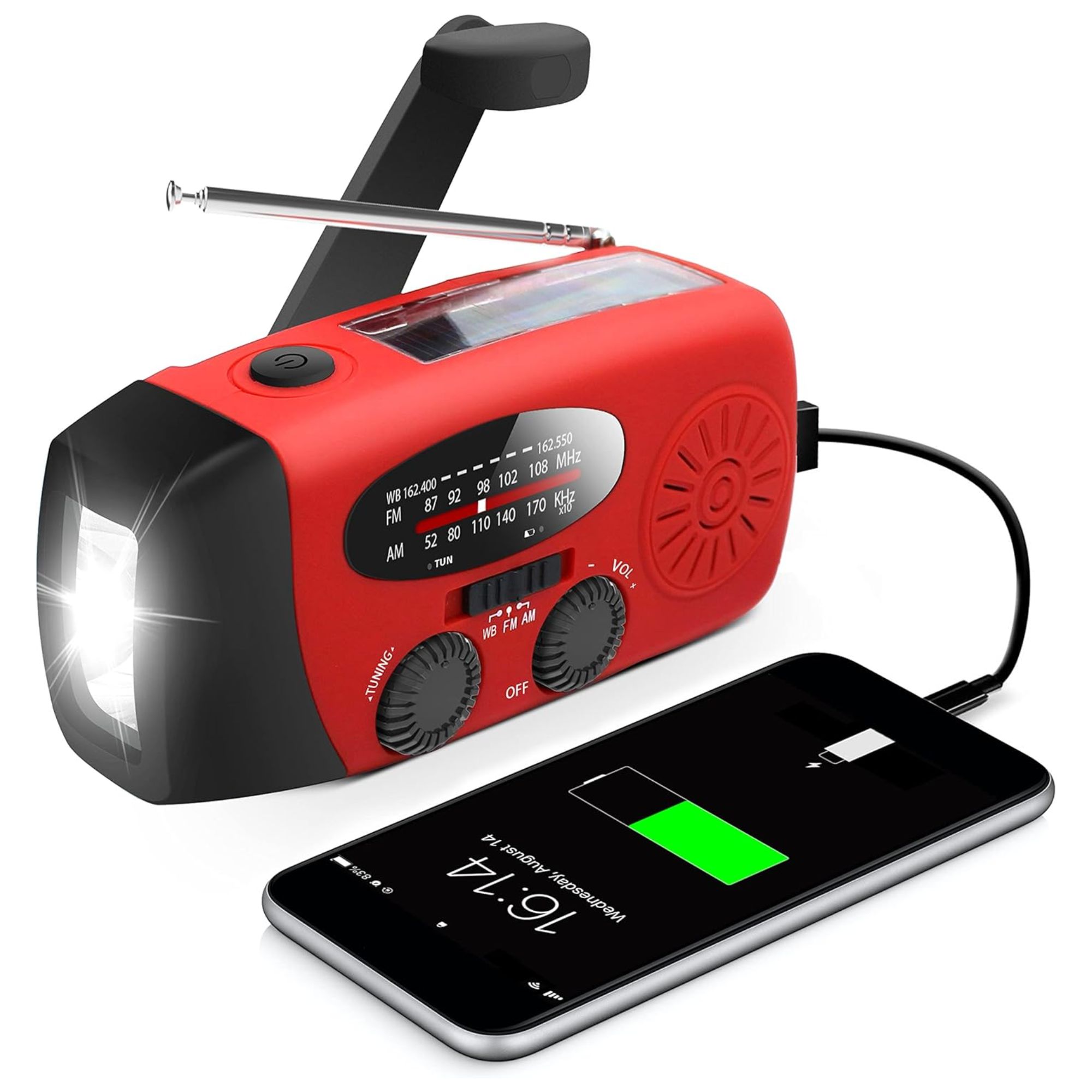
This pocket-sized emergency radio features a 2000mAh emergency power bank and flashlight, and works with most USB-powered devices.
Meet the Experts
It's also important to know how to pack a DIY hurricane preparedness kit, and how to stay warm if your boiler breaks.