

If you want your home to feel warm and cosy all winter, then you'll need your insulation to be in good nick. But how long does insulation last, and how often should it be replaced in order to do its job effectively?
The good news is that, if installed properly, your insulation should last for decades. However, regardless of what's in your insulation, there are factors that can affect its longevity.
I asked the experts all about the typical lifespan of insulation as well as whether it's worth replacing old materials in favour of something newer.
How long does insulation last?
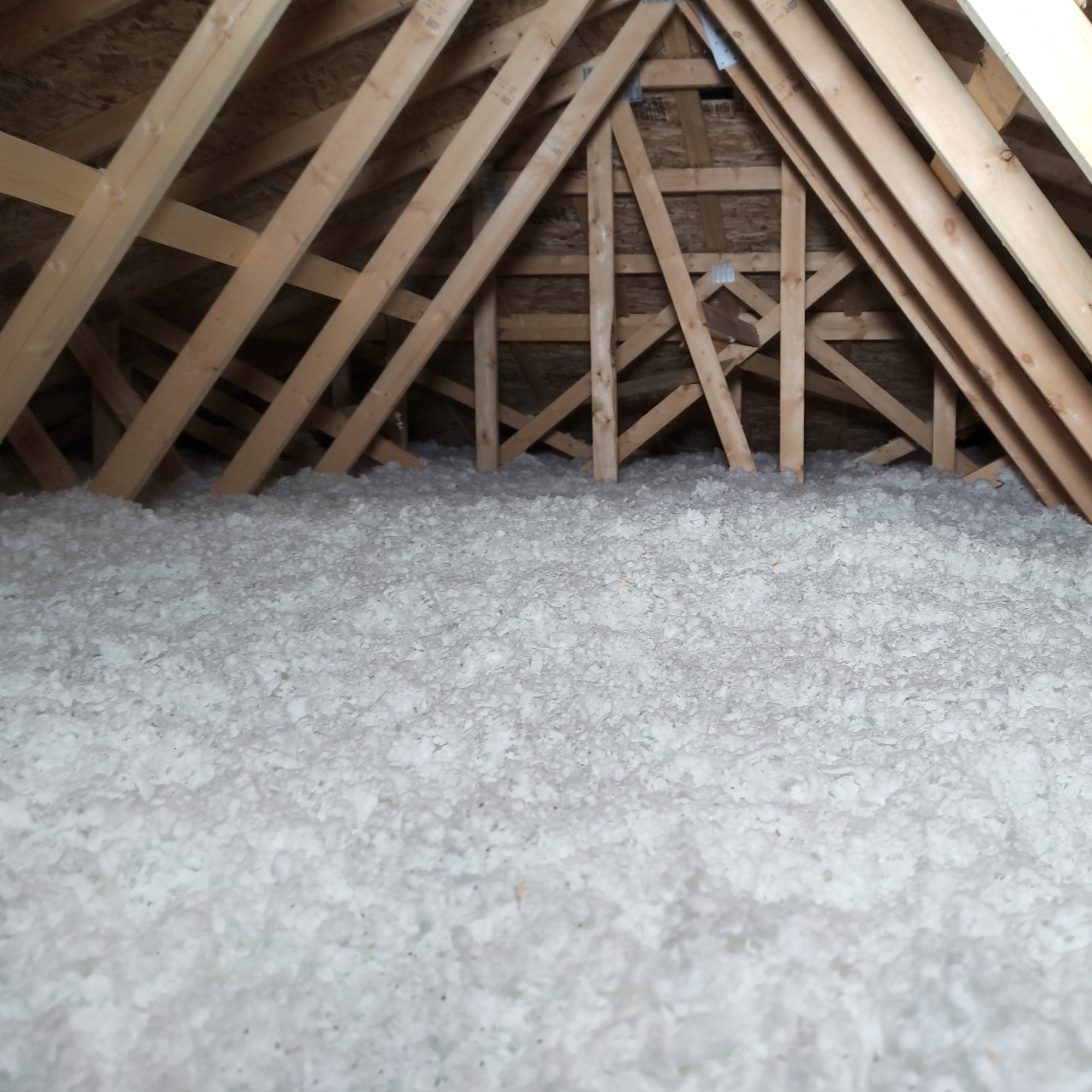
The good news is that insulation can last for decades, so it's fortunately not something that you are going to have to replace often.
But as there are different types of insulation that comes in various materials and formats, the average lifespan can depend on which variation you're dealing with. 'Most insulation comes with at least a 25 year guarantee but a good quality, professionally fitted insulation can last much longer,' says property and construction expert Thomas Goodman at MyJobQuote.co.uk. 'Mineral wool, for example, can last up to 50 years and fibreglass more than 100 years.'
Loose fill insulation may have a shorter lifespan, according to Eric Hargreaves, owner of Your Choice Builders: 'Cellulose can start to settle or compress sooner, which reduces its effectiveness, so check it every decade or so.'
What affects the lifespan of insulation?
For your insulation to last as long as possible, it's important to avoid the conditions that can cause it to fail sooner. These include:
- Poor or incorrect installation. Installing too little or too much insulation, or placing it in the wrong place, can impact both how effective your insulation is and how long it lasts.
- Low quality materials. Poor quality insulation may degrade faster than higher spec alternatives.
- Exposure to water. Moisture damage will drastically shorten your insulation's lifespan and can lead to issues of damp and mould.
- Compaction. If your insulation has become compacted, it won't be as effective at reducing heat loss. It could also lead to gaps which let draughts and moisture through.
- Pest infestation. Rodents, like mice and rats, as well as insects and birds, can cause havoc with your insulation, leading to significant damage.
- Disturbance. Whether you are in and out of your loft space because you use it for storage, or you are undertaking renovation work, inadvertently disturbing insulation can lead to gaps or compaction. This can mean it doesn't remain as effective for as long as it should.
How often should insulation be replaced?
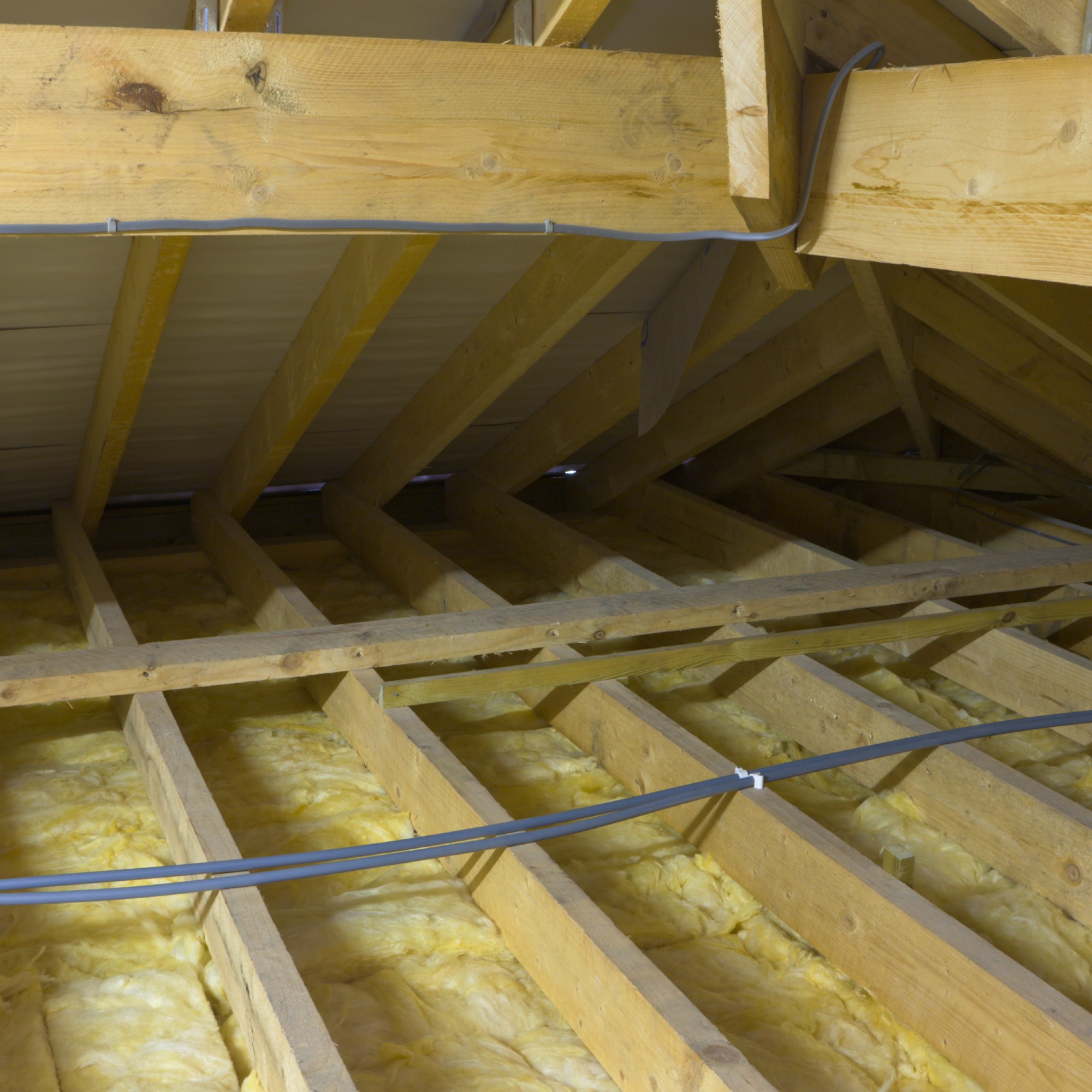
There's not necessarily a set timeframe in which you should replace insulation, as Checkatrade cost guide expert, Alex Peters explains: 'If your insulation has been properly installed, you shouldn’t need to replace it too often. But if you’ve moved into a new home, particularly if it’s older, it might be worth getting an insulation assessment to check how effective it is.'
However, if you've lived in your home for a while, it's more about spotting signs you should replace your insulation. 'Insulation has a finite lifespan and should be replaced if you notice that it is no longer effective,' says Thomas. 'Most of your insulation is not visible, so you need to be aware of other signs that it needs to be replaced.'
These signs include:
- Cold spots or uneven temperatures throughout your home
- Condensation (especially if this is leading to damp or mould)
- Unexplained increase in heating bills
- Draughts
- Increased noise levels.
FAQs
Does insulation lose its effectiveness over time?
Yes, insulation can lose its effectiveness over time. This can be down to damage from water or pests, it moving out of place, or being compacted down.
'Insulation has a finite lifespan and should be replaced if you notice that it is no longer effective,' says Thomas. 'Most of your insulation is not visible so you need to be aware of other signs that it needs to be replaced.'
Is it worth replacing old insulation?
If you've spotted signs that your insulation isn't up to scratch, then replacing it may be a good idea. But before you commit to removing old insulation entirely, it's worth checking in with an expert.
'Fully replacing your insulation isn’t always necessary,' says Checkatrade's Alex. 'Unless it is damaged, it might be possible to simply top up your insulation. A professional installer will be able to advise on this.'
While you're assessing your current insulation, it's worth checking whether there are any areas you should have insulated but didn't. Tackling those at the same time will ensure your home is as cosy as can be this winter.