
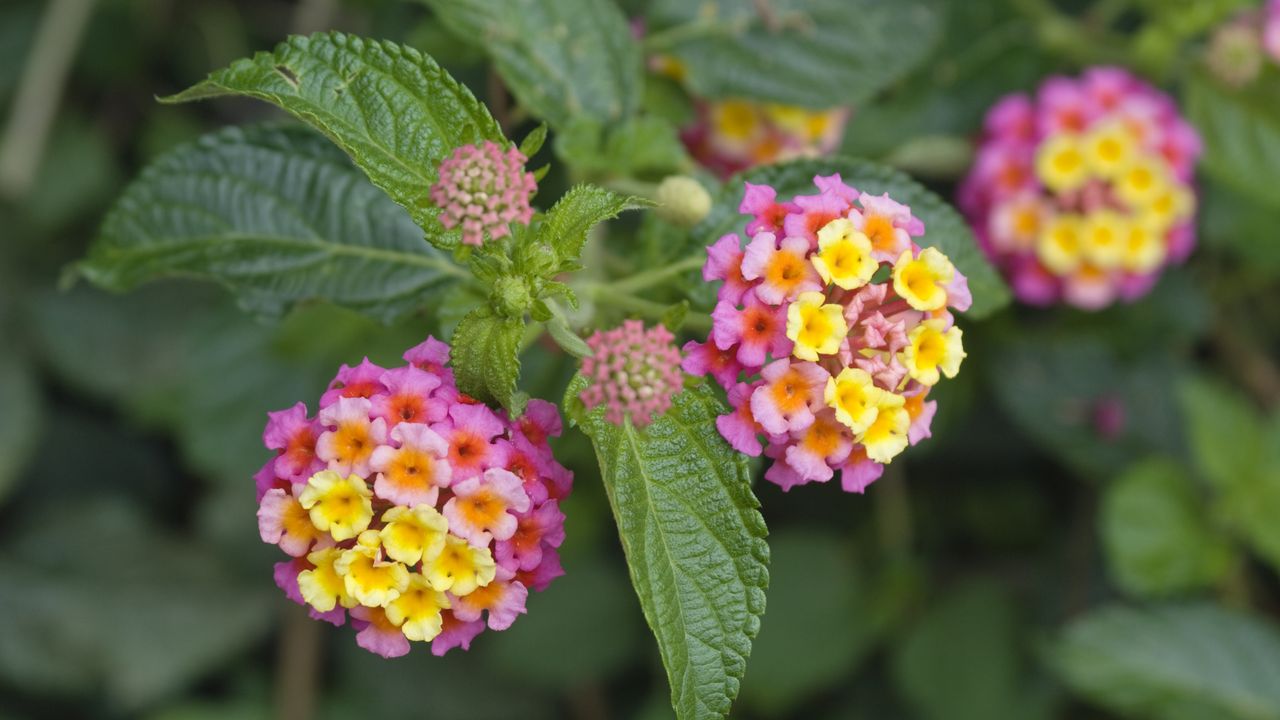
As summers grow hotter and rainfall becomes less predictable, American gardeners are rethinking what a colorful landscape looks like. Rather than replacing tired annual bedding plants every few months and relying on frequent irrigation to keep them looking fresh, many are choosing plants that can deliver months of flowers while using significantly less water.
That shift is helping fuel renewed interest in lantana. Long valued in the South and Southwest, the flowering plant is now being embraced across the U.S. for its ability to thrive through intense heat, produce blooms when many annuals fade, and attract butterflies, bees, and hummingbirds all the while. For gardeners looking to create a resilient landscape without sacrificing color, lantana is proving to be a practical alternative.
The growing popularity of lantana also reflects a broader change in how gardeners approach planting. Rather than designing solely for appearance, many are choosing plants that can withstand prolonged heat, periods of drought, and increasingly restrictive watering schedules. In that respect, lantana (like Burpee's Landmark Series lantana) has become one of the standout performers.
Why Lantana Is Replacing Bedding Plants
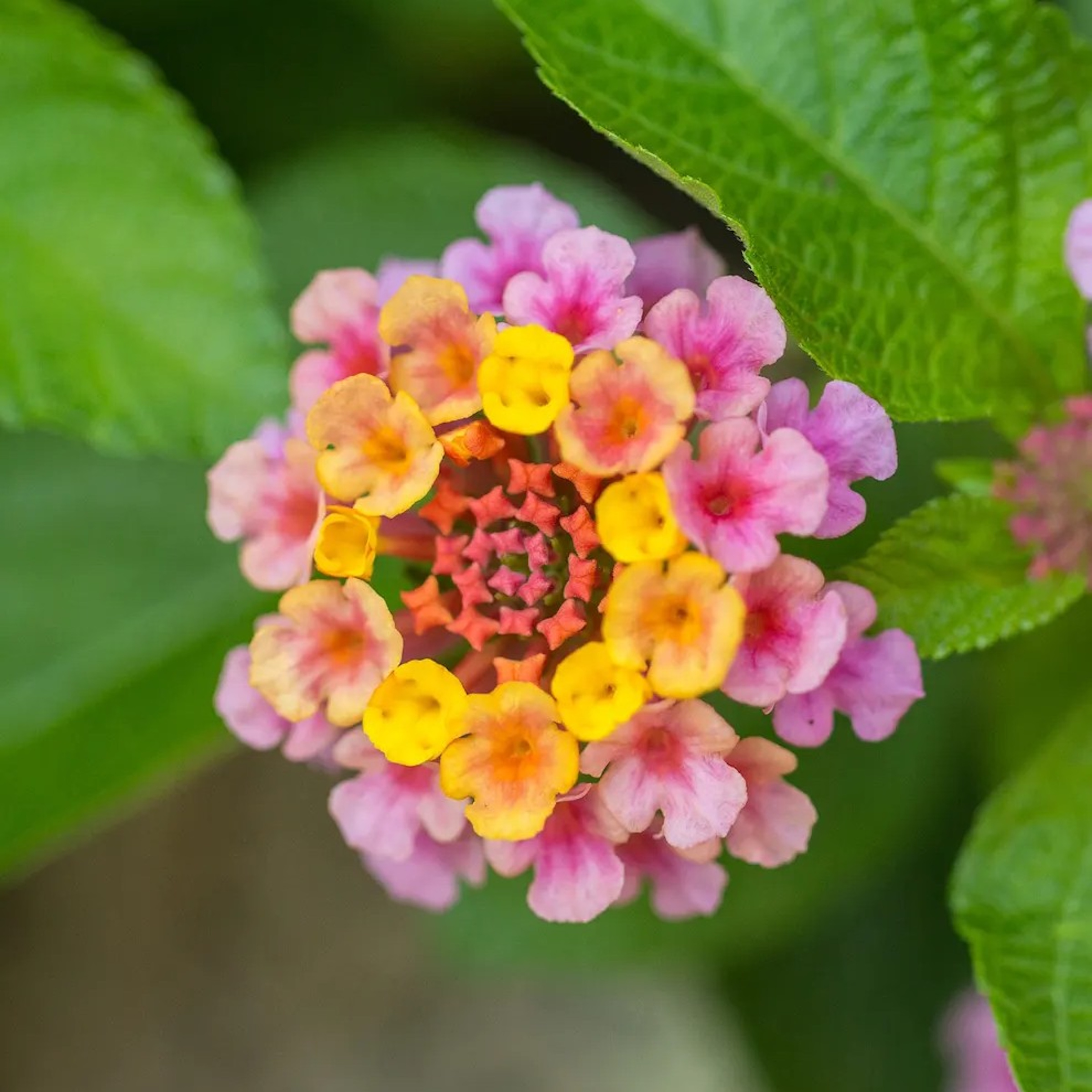
Although lantana has been available for decades (you can even order lantana plants from Amazon), landscape designers say its recent rise has less to do with changing tastes than changing conditions.
‘Honestly, I don't think this is really about lantana,’ says Tucker Tremblay, founder and principal designer of Joyner Concepts in Central Texas. ‘Lantana is simply one of the plants that happened to be ready when the climate forced everyone's hand towards perennial and deciduous color.
Tucker says the questions he hears from clients today are very different from those he encountered earlier in his career.
‘When I started in this industry, big seasonal color rotations were expected almost everywhere,’ he explains.
‘Commercial properties, HOAs, entries – you changed them out a few times a year and nobody questioned the water use. Now the question I get from clients is completely different: 'What can I plant that still works in August?''
The answer, increasingly, is drought-tolerant plants that can not only tolerate prolonged heat but can do so while continuing to perform and requiring less maintenance.
Lantana Blooms Through Summer
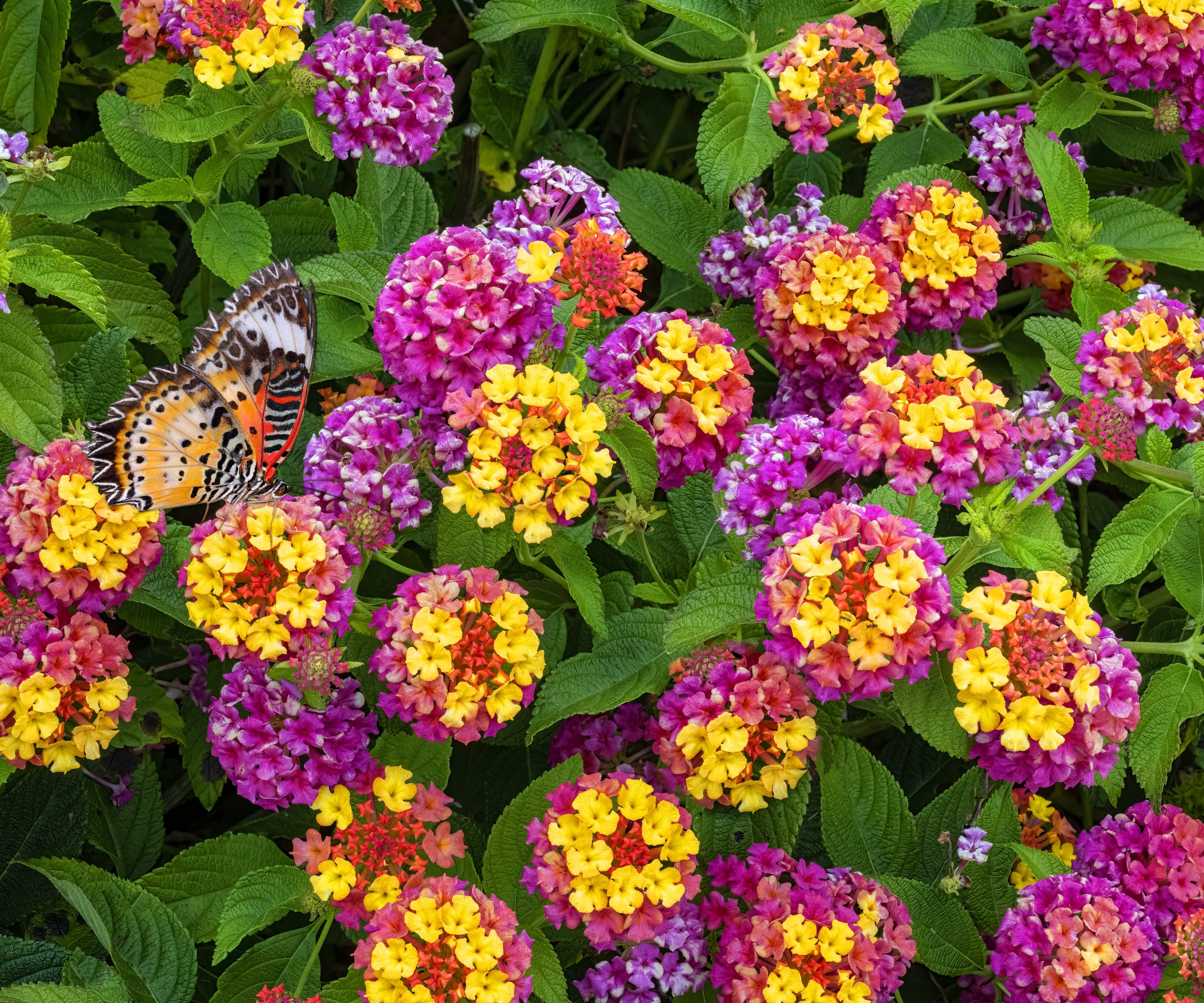
Lantana checks many of the boxes gardeners are looking to check. Once established, it requires relatively little supplemental irrigation, flourishes in full sun, and continues flowering through long stretches of hot weather when many traditional bedding plants begin to decline.
‘I don't think it's a trend,’ said horticultural consultant Tom Foley. ‘It's part of the reality. We have low water use needs, no matter where you are in the country.’
Tom, who now gardens in Arizona after moving from Southern California, sees lantana used extensively in landscapes because of its exceptional durability.
‘Depending on the species and variety, lantana blooms here almost year-round,’ he said. ‘And it's low water use, which is most important.’
Tom also notes many varieties spread to form attractive flowering ground cover plants, making them particularly useful on sunny slopes where erosion control is also a consideration.
For homeowners growing lantana as an annual in colder regions, the payoff is still impressive. Plants typically flower continuously from late spring until frost, providing months of color from a single planting instead of requiring multiple seasonal replacements, Tom notes.
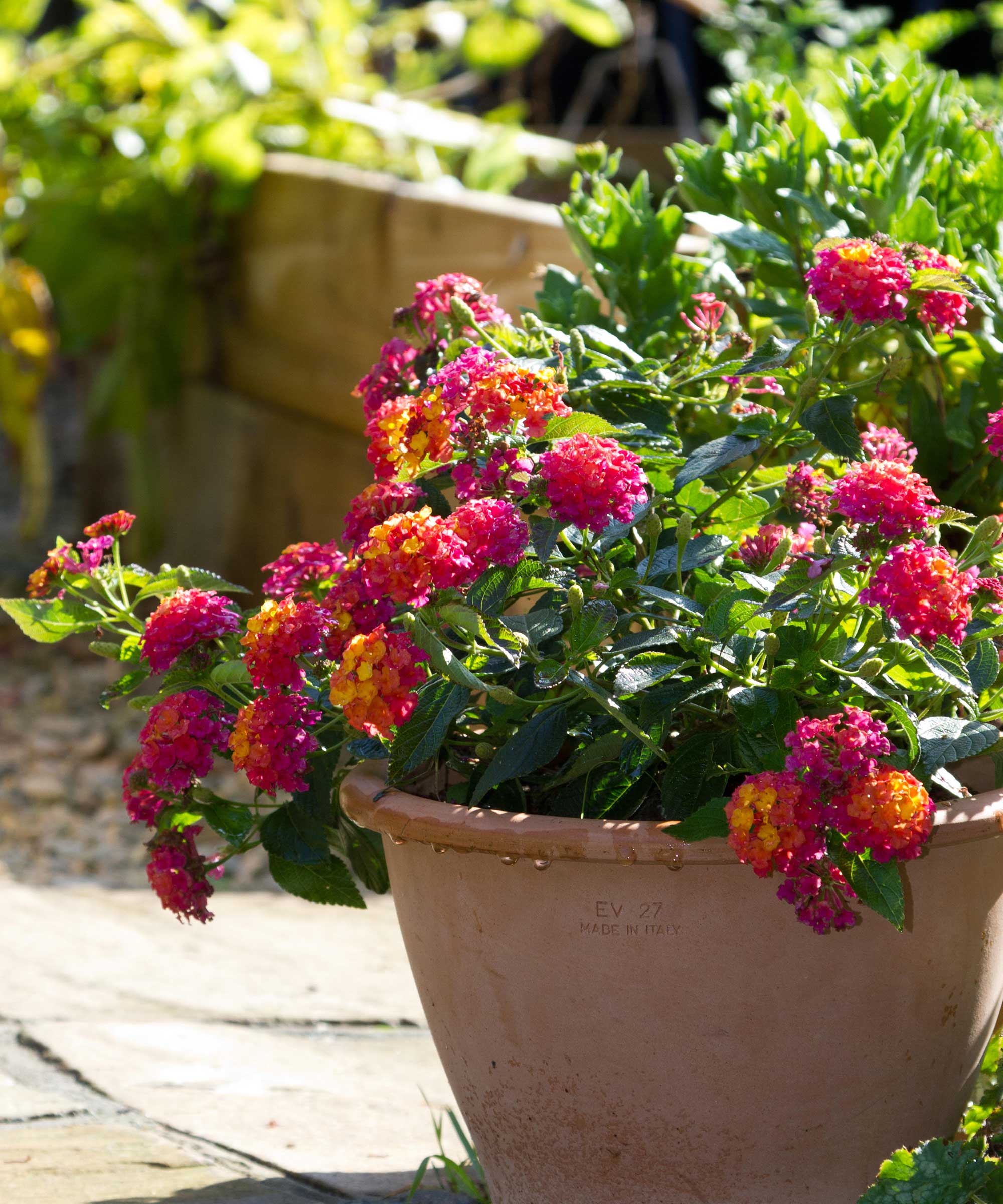
Tom adds, lantana also ‘plays well with others’ when planted in a combination container. And since containers tend to dry more quickly than in-ground plantings, a water-wise plant such as lantana is a great choice for pots and baskets.
Pair lantana with a substantial outdoor planter such as the Veradek Demi Round Planter from Wayfair.
Ideal For Water Restrictions
In some parts of the country, particularly the Southwest, drought isn't simply influencing plant selection – it's dictating it.
‘I don't think people outside Texas fully understand how much water restrictions now drive our design decisions,’ Tucker explains. ‘We've been through several straight years of drought, and watering restrictions are simply part of life. Many Central Texas municipalities now limit irrigation to once a week during drought conditions, and during the worst of it there have been periods where irrigation was nearly shut down altogether.’
For landscape professionals responsible for maintaining commercial properties and residential communities, that leaves little room for plants that require constant attention.
‘Lantana survives those restrictions,’ Tucker says. ‘It's a workhorse. It'll handle a once-a-week irrigation schedule – or even a missed week entirely – and keep blooming.’
For home gardeners, those same qualities translate into less watering, fewer plant replacements, and lower maintenance throughout the growing season.
‘Lantana is one of the better returns on investment you can plant,’ Tucker says. ‘It blooms for months instead of weeks. It handles heat better than almost anything else that flowers. Once established, it needs very little supplemental irrigation. And maybe its best attribute, it bounces back quickly after a rough stretch.’
A simple drip irrigation kit or soaker hose such as the Rain Bird Drip Irrigation Plant Watering Kit from Ace Hardware can help establish new lantana plants while using far less water than overhead sprinklers.
What to Shop
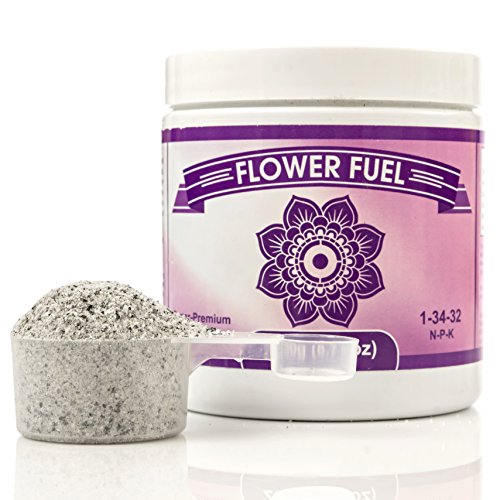
This bloom booster fertilizer is a special formula to support flowering plants with the nutrients needed to put on their best display.
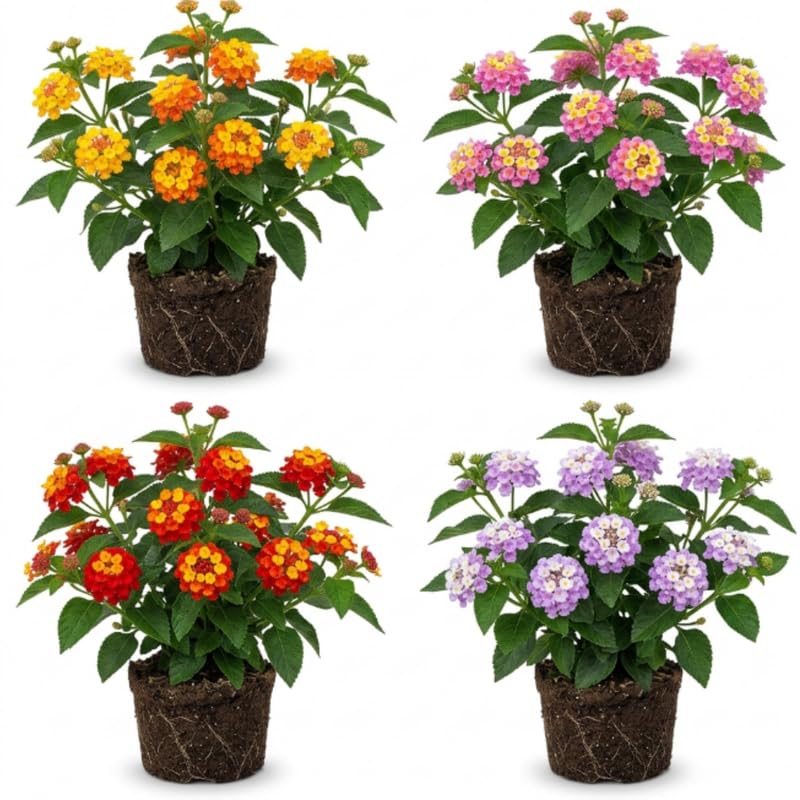
This pack of four lantana starter plants has a selection of colors to add to your garden.
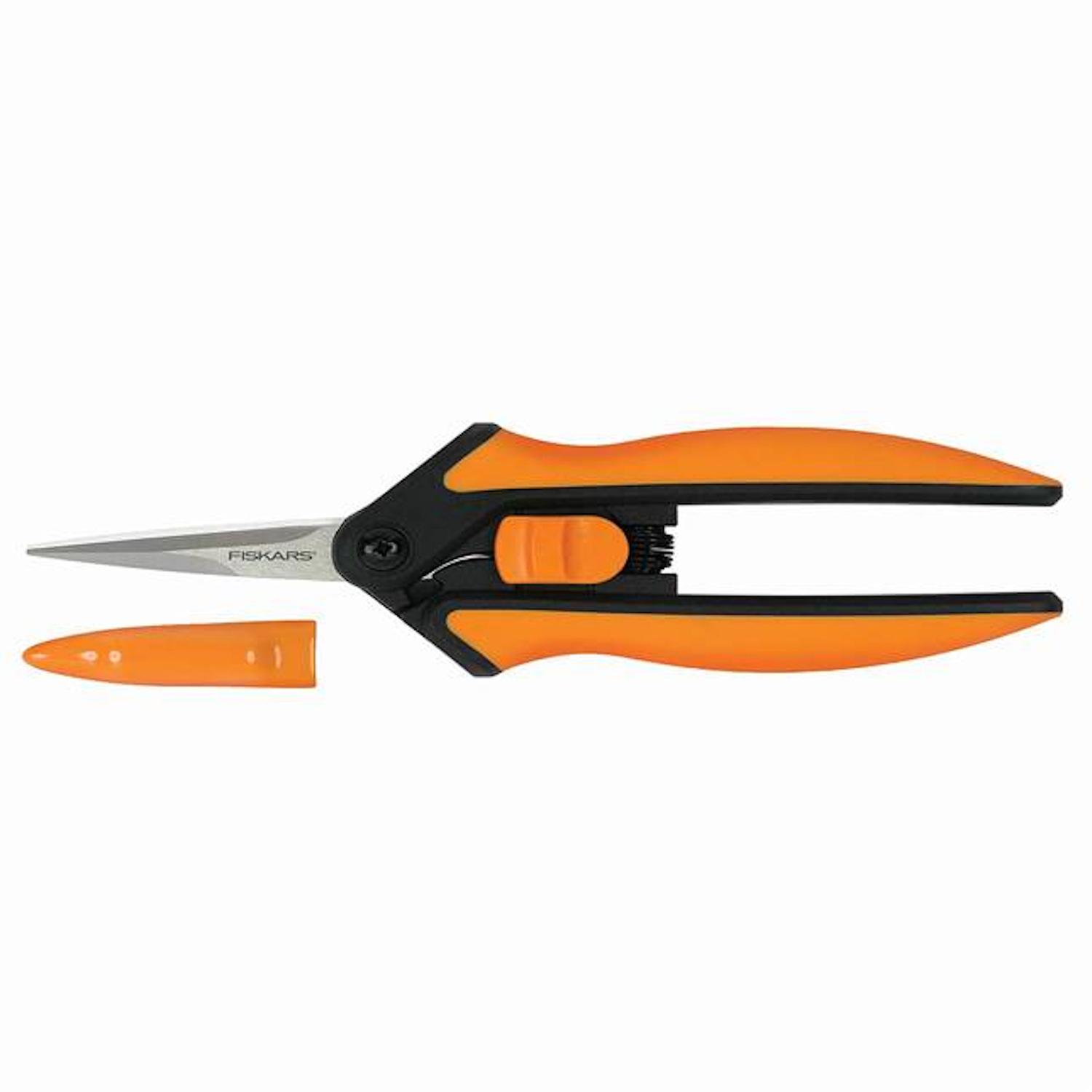
Use these Fiskars gardening snips to deadhead your lantana and remove any damaged stems.
A Pollinator Magnet
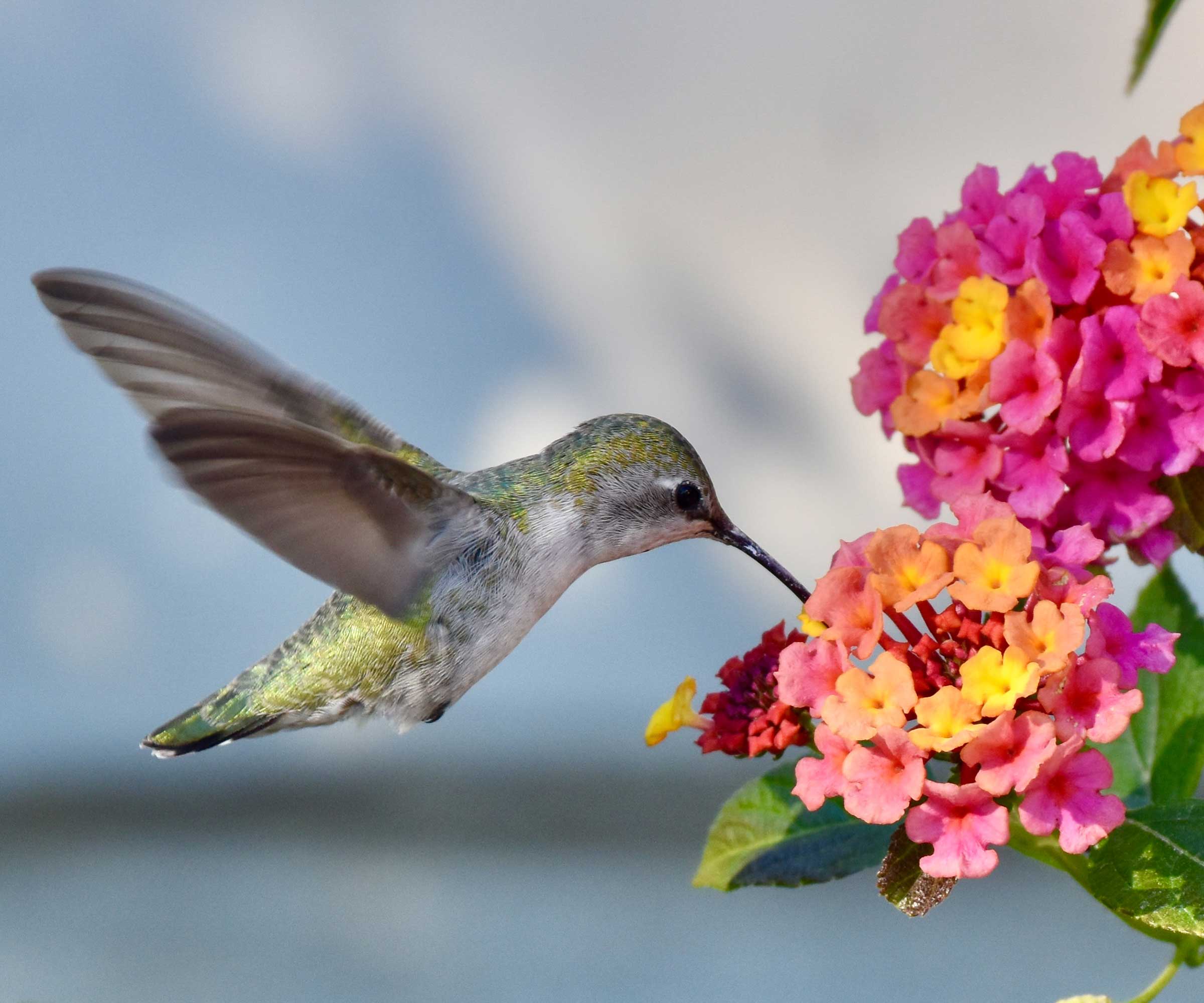
Long bloom periods don't just benefit gardeners – they also provide a reliable food source for pollinators.
‘This is one of lantana's real strengths, and it's not subtle,’ Tucker notes. ‘There's almost always some pollinator visiting it. Butterflies and bees especially. Hummingbirds visit many of the varieties, too.’
Tom agrees, saying, 'Bees, definitely a little bit, but I see hummingbirds and butterflies on the lantanas a lot.'
For gardeners who don't have space for a dedicated pollinator garden, lantana offers an easy way to support beneficial insects while maintaining an ornamental landscape.
‘You plant lantana because it looks good and handles the heat, and the pollinators will follow,’ Tucker points out.
Pair lantana with a pollinator-friendly seed mix such as this Hummingbird & Butterfly Pollinator Mix from True Leaf Market to provide nectar from spring through fall and create an even more wildlife-friendly garden.
Is Lantana Right for Every Garden?
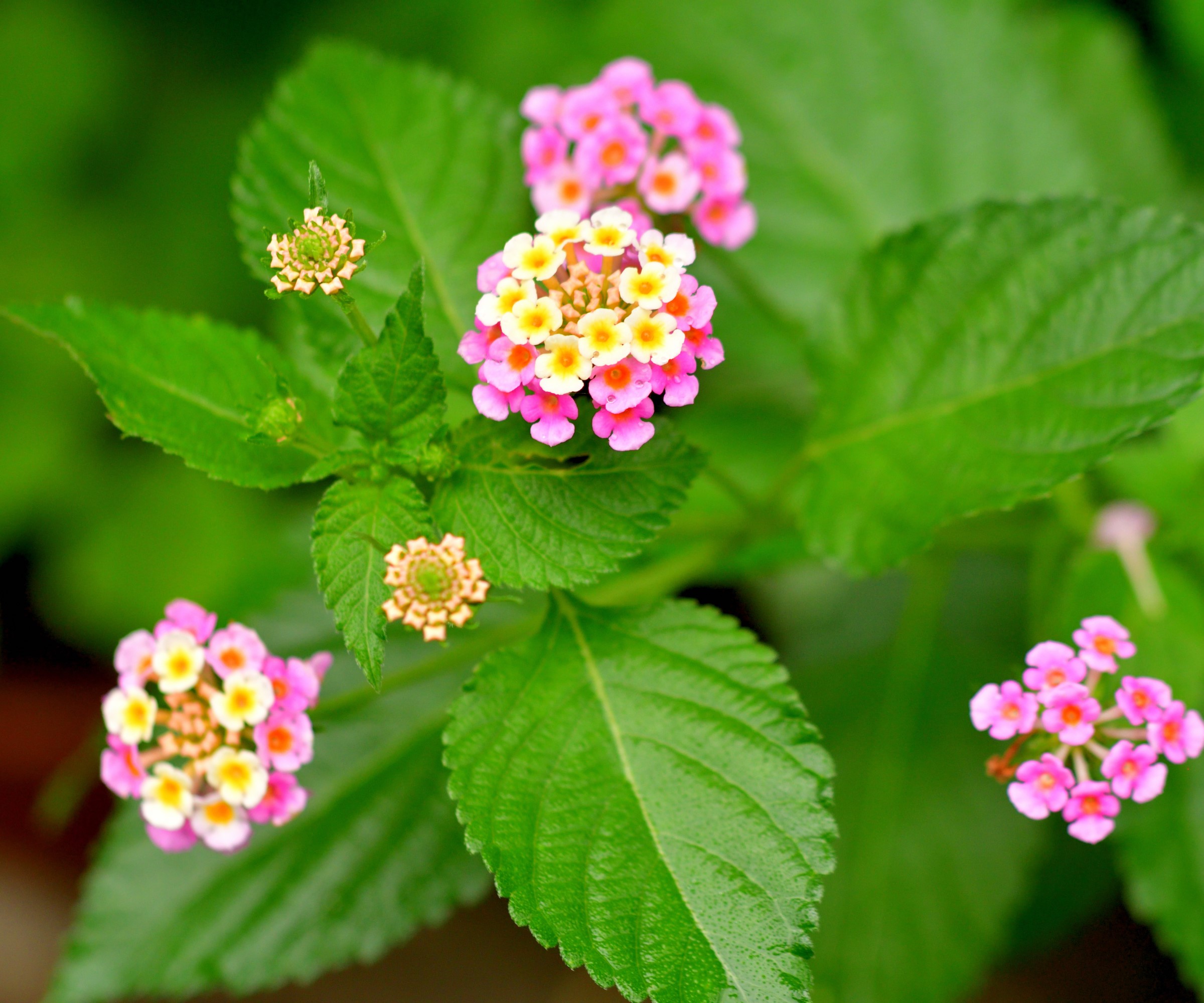
Despite its many advantages, lantana isn't a perfect choice everywhere.
Older forms of Lantana camara have become invasive plants in parts of the Southeast, particularly Florida, where they can spread into natural areas. Fortunately, many modern cultivars have been bred to produce few or no viable seeds, making them a safer option for home landscapes.
Gardeners should always check local recommendations and, where available, choose sterile or non-invasive selections recommended by their local extension service.
Climate also affects how the plant performs. In frost-free regions, lantana may behave as a long-lived shrub that blooms for much of the year. In colder climates, it is most often grown as an annual or a tender perennial, delivering continuous flowers until freezing temperatures arrive.
Both experts agree that lantana represents something bigger than a single plant trend.
‘It's probably the biggest change I've seen in plant palettes during my career,’ Tucker says of the move toward climate-resilient gardens.
Still, he doesn't believe gardeners should eliminate seasonal bedding plants altogether. ‘The goal isn't replacing every annual with lantana,’ he explained. ‘The goal is being more intentional about where annual color still makes sense and where a long-term performer is the smarter choice.’
As gardeners continue adapting to hotter summers and more frequent water restrictions, that mindset may ultimately prove to be the bigger gardening trend.
If you love inspiring garden ideas, outdoor advice, and the latest news, why not sign up for our newsletter and get the latest features delivered straight to your inbox?