

In 2027, California’s Digital Age Assurance Act will require all operating system providers in the state, including Windows, macOS, Android, iOS, and Linux distros like SteamOS, to collect users’ age information during setup.
However, GrapheneOS, a privacy-focused Android-based operating system, indicated that it won't be party to emerging laws requiring mandatory age verification during setup (via Tom's Hardware).
Over the past few months, many platforms, including Discord, have introduced similar age verification measures aimed at protecting users from harmful or inappropriate content. However, these efforts have sparked outrage and backlash, with users now seeking less intrusive alternatives that do not subject them to unnecessary monitoring or data harvesting.
The platform issued a statement shortly after Brazil's Digital ECA (Law 15.211) took effect on March 17. Consequently, operating system providers that haven't implemented age verification checks on their platforms can now be fined up to R$50 million (roughly $9.5 million) per violation.
For context, the GrapheneOS Foundation, a registered Canadian nonprofit, develops GrapheneOS. As such, none of these imposed age verification policies directly impact GrapheneOS, but it's still unclear how far the rule of law could stretch its hand in terms of jurisdiction.
GrapheneOS will remain usable by anyone around the world without requiring personal information, identification or an account. If GrapheneOS devices can't be sold in a region due to their regulations, so be it.
GrapheneOS
Elsewhere, GrapheneOS and Motorola announced a long-term partnership at MWC (via Android Central) on March 2, extending the operating system's grip beyond Google Pixel phones. What's more, a GrapheneOS-powered Motorola phone could be in the pipeline for 2027.
According to GrapheneOS:
"We have an official partnership with Motorola with a lot of progress being made rather than that only being a possibility. We aren't going to support devices not meeting our security requirements or not providing proper support for using another OS."
That said, it doesn't seem far-fetched that these age checks might eventually become mandatory worldwide. In February, the UK's Online Safety Act was implemented on Xbox, locking thousands out of features until they completed the verification process.
Is Windows already compliant with the age verification checks?
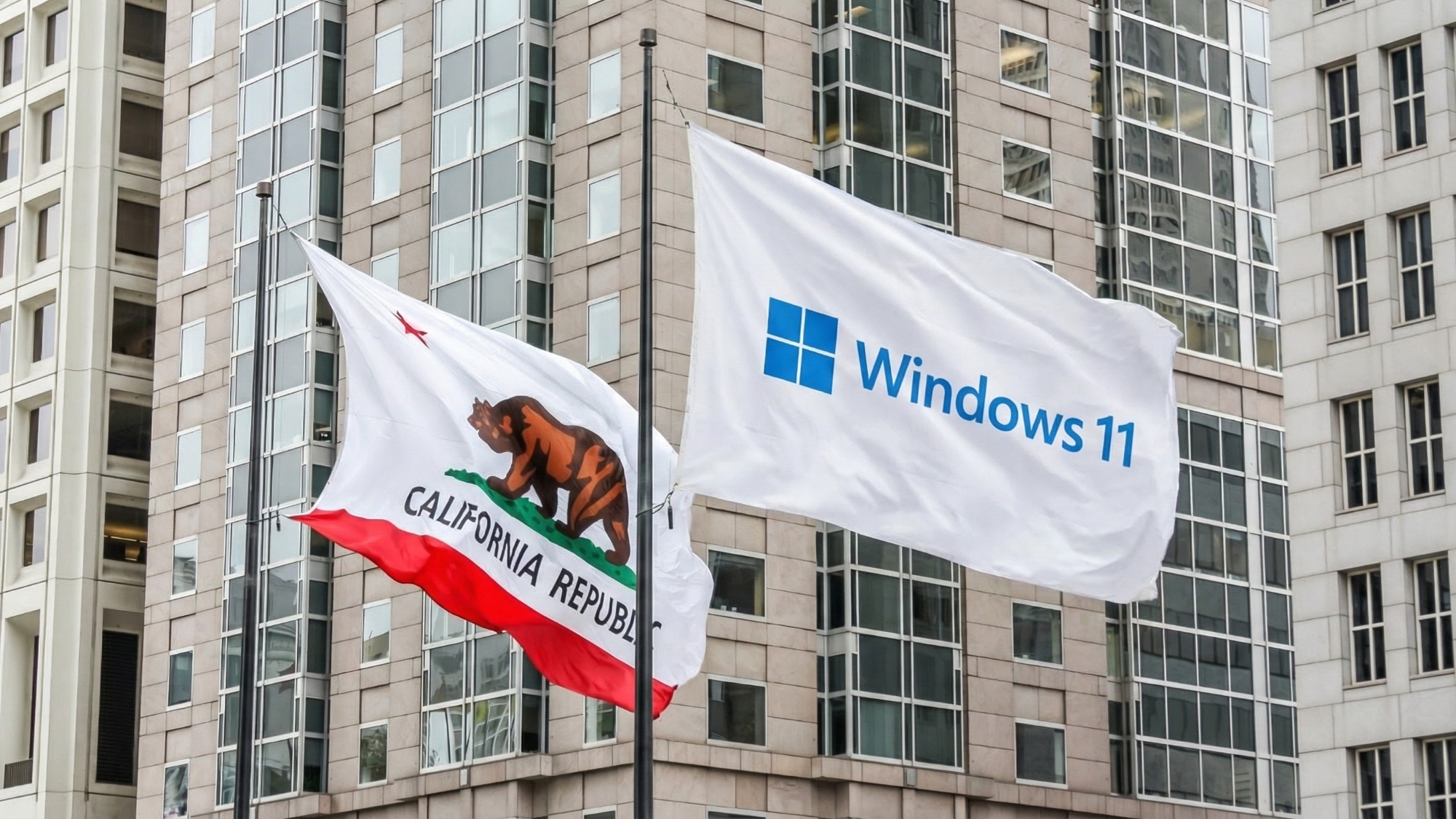
Age verification is not a new phenomenon in the Windows ecosystem, as users are already required to provide their date of birth during the Microsoft Account setup process. However, Microsoft pledged to improve the general user sentiment around Windows 11 by addressing some of the major pain points across the operating system.
Some of the changes could include scrapping the mandatory Microsoft account when setting up a new PC. Microsoft Vice President Scott Hanselman, who is responsible for improving Windows 11's quality, indicated that his team will work on the issue.
In that sense, you can technically bypass the age verification checks in the Windows ecosystem. It'll be interesting to see how Microsoft handles the situation, especially if age verification checks become mandatory worldwide.

Join us on Reddit at r/WindowsCentral to share your insights and discuss our latest news, reviews, and more.