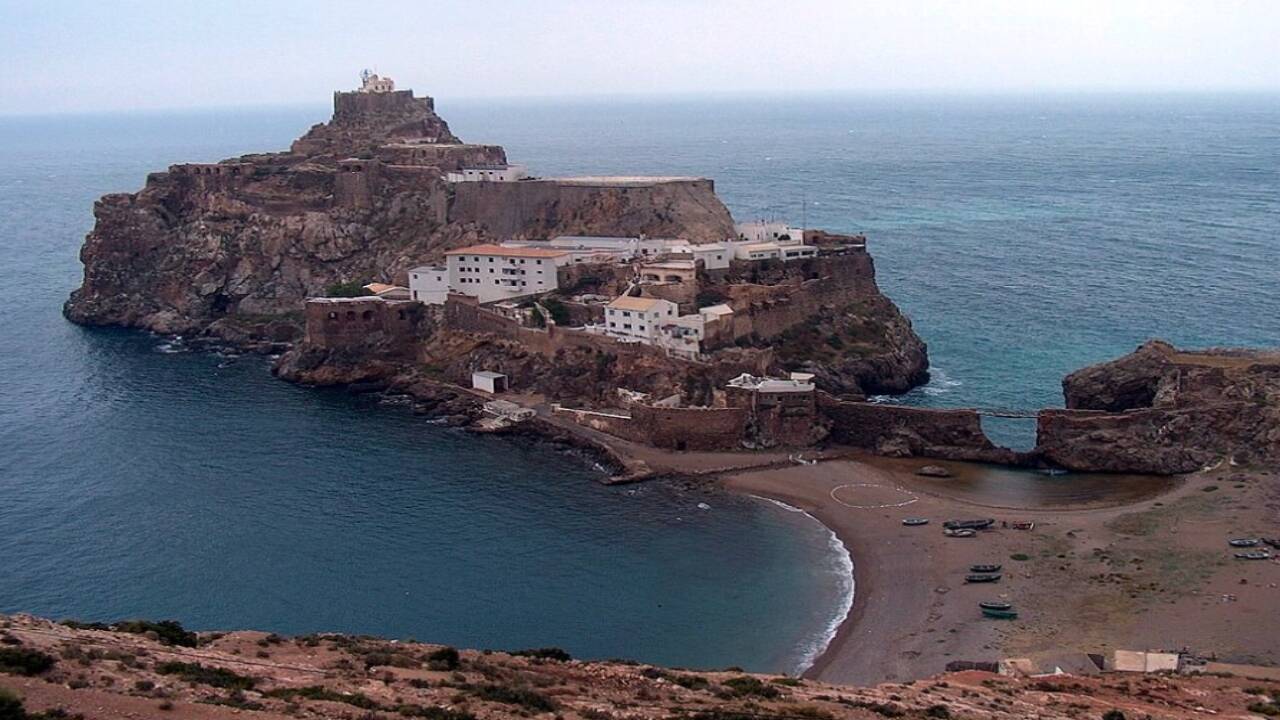
Tucked away on Morocco's Mediterranean coastline sits Peñón de Vélez de la Gomera, a small limestone peninsula controlled by Spain. Stretching roughly 400 metres in length, the rocky outcrop is home to a permanent Spanish military garrison, centuries-old fortifications, and one of the world's most unusual international borders. Although physically attached to mainland Morocco, it remains sovereign Spanish territory.
Get breaking news anytime, anywhere. Download the TOI app now!
According to Durham University's International Boundaries Research Unit , Spain has controlled Peñón de Vélez de la Gomera since the sixteenth century after capturing it in 1564. For centuries the fortress stood as a small offshore island separated from the Moroccan coast by a narrow sea channel. During that period, the military outpost depended almost entirely on boats for personnel, food, drinking water, and supplies.
Researchers note that Peñón de Vélez de la Gomera demonstrates how natural coastal processes can reshape physical landscapes without automatically changing internationally recognised political boundaries. While geography can evolve through erosion, sediment deposition, or seismic activity, sovereignty usually depends on long-standing legal agreements and historical administration rather than the shape of the land itself. The enclave therefore continues to attract interest from geographers, historians, and international law scholars studying the relationship between natural change and territorial boundaries.
Everything changed in 1934 when a severe earthquake led to the formation of a narrow sandy isthmus that permanently connected the former island to the Moroccan mainland. According to a 2023 study published in the journal Estudios Fronterizos , the resulting land connection created an approximately 85-metre international land border, widely regarded as the shortest in the world.
How nature altered a sovereign maritime boundary
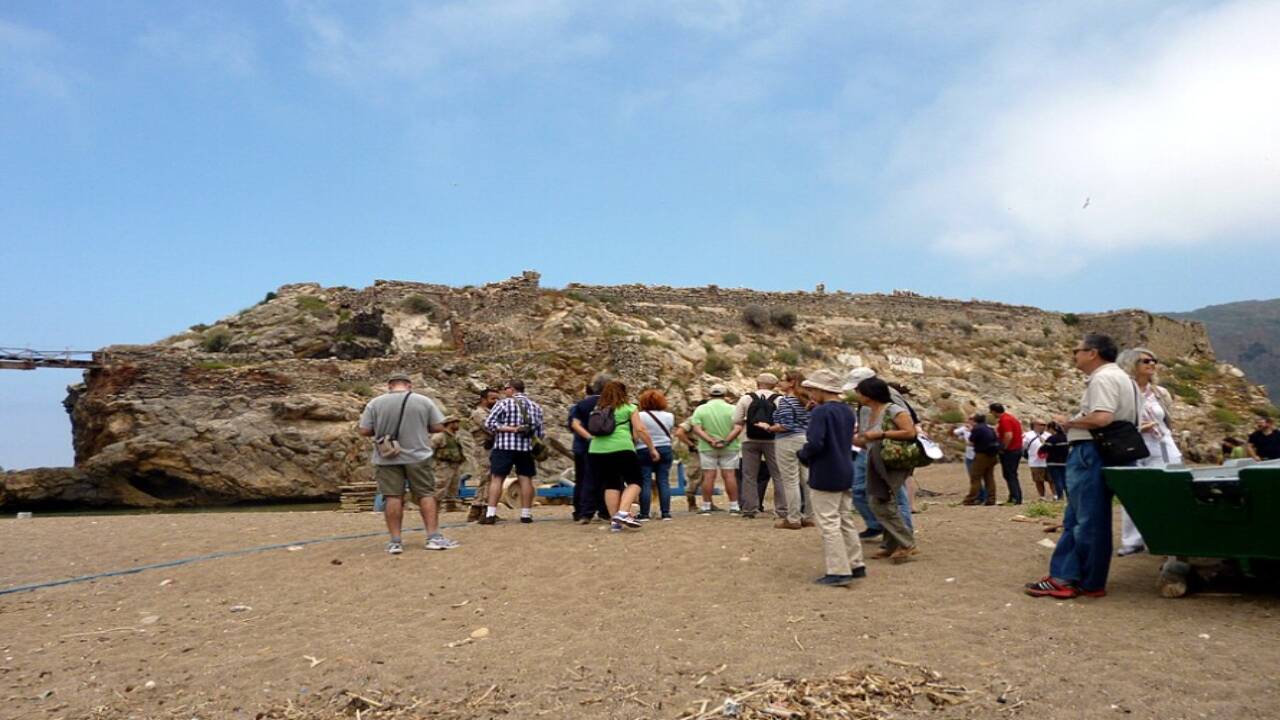
The geological transformation of Peñón de Vélez de la Gomera offers a rare example of natural processes altering the physical geography without changing sovereignty. Before the formation of the sandy isthmus, the Spanish enclave operated strictly as an island fortress accessible only by boat. After the sandbar formed, Spanish authorities marked the frontier with a simple blue rope stretched across the beach, creating one of the world's least conventional international borders.
Maintaining this unique enclave requires careful daily management, as Spanish troops remain stationed on the rocky outcrop around the clock. The border itself has no formal passport checkpoints or customs facilities because access to the military outpost is tightly controlled by Spain. Although Morocco continues to claim several Spanish territories along the North African coast, including Peñón de Vélez de la Gomera, the enclave remains under Spanish administration and is rarely the site of day-to-day border activity.
Why this rocky enclave matters for modern diplomacy
The persistence of Peñón de Vélez de la Gomera highlights the deep historical roots of European outposts along the North African coastline. Alongside larger autonomous cities like Ceuta and Melilla, these small military outposts serve as strategic observation points overlooking vital shipping routes in the western Mediterranean Sea.
Although the peninsula covers only a small area, it remains strategically important because it overlooks shipping routes through the western Mediterranean, giving it continuing military and geographic significance. The site also illustrates how international borders can remain legally unchanged even when natural processes dramatically reshape the surrounding landscape, making it an unusual case study in both geography and international law.
Understanding how natural geological processes transformed an isolated island into a peninsula highlights the close relationship between physical geography and political history. Today, the fortress remains a fascinating case study in international law, showing that landscapes can change dramatically while sovereignty remains unchanged.