Empty-nesting opens new doors. I've come to appreciate a mostly empty fridge _ no pressure to cook. Grocery shopping takes less time, especially with an expanded budget. The menu contains new additions _ all quick-cooking and much of it indulgent. What has not changed is the preferred cooking method: the grill.
BK (before kids), my husband and I toted our hibachi grill on driving vacations. We'd pull into a picnic grove, fire up the coals and sear a steak or two while sipping wine and tossing a salad. Once in a while, freshly caught fish graced the grates. As the family grew, we traded in the hibachi for a large, covered kettle grill. Our deck houses a huge gas grill complete with side burner and electronic ignition.
An evening in Japan fueled with chuhai (shochu and soda) rekindled my affection for the hibachi. My brother ignited small piles of binchotan (Japanese charcoal) in the bottom of his hibachi in short order. Then, we spent the evening leisurely grilling yakitori _ skewers of tender beef and asparagus. The hot coals made quick work of browning the beef into memorable goodness.
Now, we employ a small, open grill for dinner for two on weeknights. Our hibachi takes center stage for grilled appetizers for friends before a night on the town. I even fire it up for the occasional meal for one.
Small grills, uncovered grills and makeshift fire pits, are perfectly suited for quick-cooking foods that embrace the golden flavors rendered by high-heat cooking. Without a lid, open-grilling adds char and browning. Fast. More airflow encourages a hotter fire. Therefore, the foods best-suited to uncovered grilling include tender steaks, thin boneless cuts, delicate vegetables and seafood.
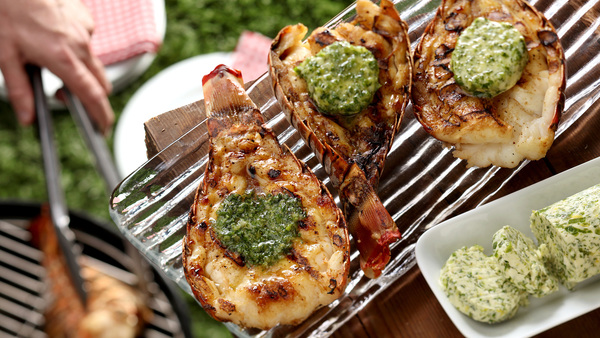
Lobster tails _ an indulgent treat _ take less than 10 minutes when butterflied open. I serve them with a pat of herbed butter. A local Asian grocery market sells thin sheets of beef short ribs _ they're stunning with a spicy marinade and a brief grill over hot embers.
Fresh, wild-caught tuna can be so expensive that cooking it properly can be scary. Hot embers and a hot grill grate are absolutely necessary. So is a kitchen timer and the attention of the cook. I serve the tuna medium-rare with a drizzle of mirin-sweetened soy and a tuft of crisp daikon radish.
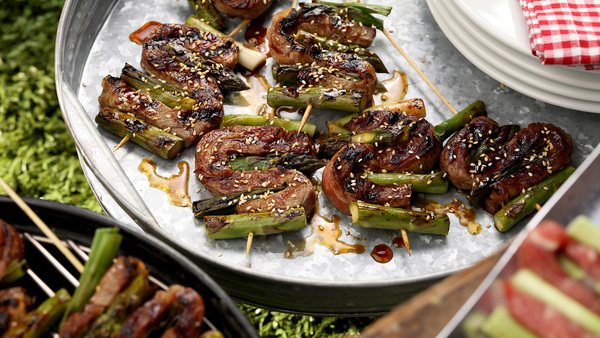
Skewers of tender beef steak and asparagus now make our go-to list of appetizers. For ease, I use bottled teriyaki sauce laced with garlic and sesame seeds. Chilled chuhai or sake transport me back to the party back in Japan. Especially when it's a party of two.
ON HEAT
Good heat from hardwood charcoal or gas is a must. Whether I'm grilling fast and small, or large and long, I choose the best possible fuels _ saving softwoods (such as pine) for fire-starting. I employ hardwoods, such as maple, oak, hickory and natural charcoal made from them, for grilling. Binchotan charcoal burns hot and steady _ and it's free of chemical flavors. It's pricey, but a little goes a long way. Perfect for grilling small.
A small, uncovered charcoal grill needs 10 to 15 minutes to heat before cooking; plan on about 10 minutes for a small gas grill. Coals are ready when they are covered with gray-white ash and glow a nice red. It should be difficult to hold your hands over the coals for more than a second or two.
ON SMALL GRILLS
Inexpensive hibachis, charcoal braziers, portable, small tabletop grills and camping grills that hover over the fire pit work just fine for quick-cooking cuts of tender meats, thin chops, fish fillets, sliced vegetables and burgers. (Large meat cuts, such as roasts and ribs, whole chickens and large fish, really need indirect cooking and the steady, even heat of covered grills.) Look for a model that feels stable and sturdy _ so it doesn't collapse or topple when full of burning embers. I prefer cast-iron cooking grates because they conduct heat very well, meaning deep flavorful grill marks on the food. Stainless steel grates are more common but do not get quite as hot and prove more difficult to clean.
The real trick to working with uncovered grills (large or small) is avoiding flare-ups. (Covered grills allow you to cover the grill to reduce oxygen and extinguish any flames.) When cooking on an uncovered grill, keep a spray bottle of water handy and a large pitcher of water to douse the fire after you are done cooking. Never leave an uncovered grill of hot fuel unattended.