On October 31st this year Halloween coincides with the day that the clocks change, marking the finale of the growing season.
Waste no time getting in a stock of cloches, fleece and other covers in expectation of the impending frosts. Finish preserving or storing the harvest by bringing it in, bottling it, pickling, drying, freezing or eating it up. A few vegetables can be left in situ. Parsnips and turnips are known to be improved by the frost. Carrots will keep fresher if left in the ground. Pile a thick mulch of straw or wood chips on them for safety's sake.
When frost has knocked back the Jerusalem artichokes, cut the stems down to about 30cm to mark the spot. The tubers can be dug up as and when needed. Make a mental note to clear the whole crop before spring when they start to grow again.
There is a surprisingly wide choice for the garlic connoisseur. This includes elephant garlic which is great for roasting, Chinese purple garlic and an early variety from Aquila near Rome. The arrival of the pink gourmet garlic from the Lautrec region in S.W. France claims to be so delicious that its harvest is celebrated in a garlic fair each August.
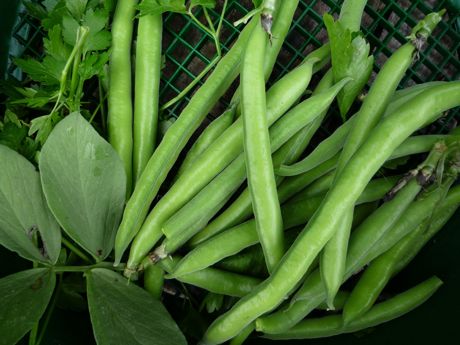
Garlic makes a good companion for broad beans. If planted between the rows, the black fly, with its acute sense of smell, is repelled by the scent of the leaves. As October-sown broad beans will be harvested by May, they should duck the black fly season but the garlic is a good extra precaution.
Autumn sown broad beans produce the best crops You can eat the tender top shoots while waiting for the crop. Reliable cultivars include 'Aquadulce Claudia', its successor 'Super Aquadulce' and 'Imperial Green Longpod'. 'The Sutton' is a good dwarf variety that fits well under cloches. Stake the taller types against winter winds along with your Brussels sprouts.
Thi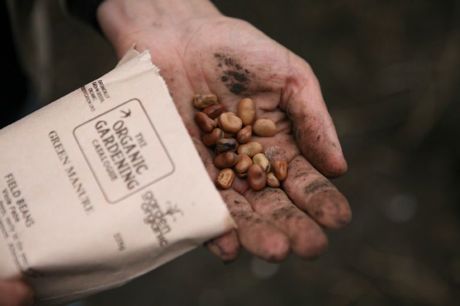
If you are feeling up to a challenge, summer cauliflowers can be sown early in the month in the cold frame. Dependable varieties, with the RHS Award of Garden merit, are the dwarf 'All The Year Round' and 'Gypsy'.
If you are thinking of growing some apples or pears, now is the time to taste the different varieties before choosing your container plants or ordering bare rooted specimens to be delivered in winter. Apple Day, which was founded ten years ago to celebrate British apples, orchards and all the traditions associated with them, will be coming up again on the 21st.
Typica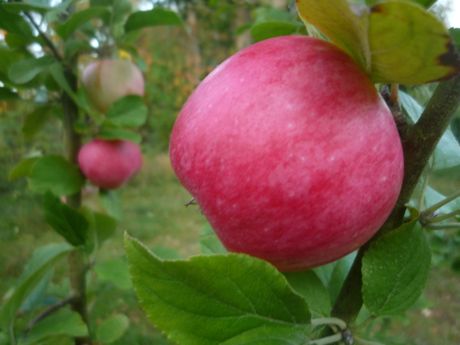
One good thing about the end of the growing season is that pests are in decline. However I gather that slugs will be busy laying eggs underground now ready for the next generation to emerge and plague us next spring. This is the last chance to zap them underground with nematodes before it gets too cold.
'Slug Gone' is a new product, that works on the hair vest principle. It is made from shoddy, a by-product of the wool industry. It comes as chemical-free pellets, which, when watered, will expand into an itchy mat that slugs and snails fear to cross but which does them no harm. It can be applied around the young winter brassicas if you are planting them out now. The benefits are three-fold. Apart from deterring slugs and snails, it makes an effective water retaining mulch and a cabbage collar. This will thwart pests laying their eggs at the base of plants and the resulting larvae hatching out perfectly positioned to gobble up your crops later on.