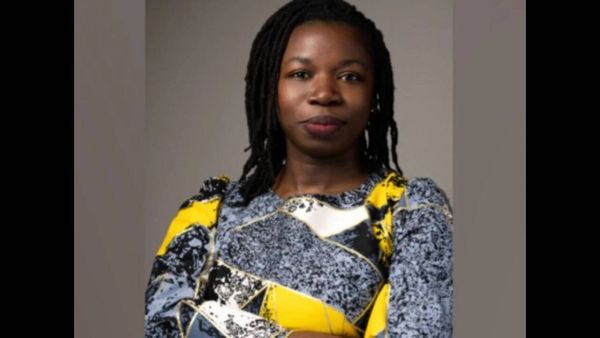


I was watching the reunion episode of Selling Sunset over the weekend, and audibly gasped when Nicole Young walked on screen and sat down to be interviewed. The Oppenheim Group real estate agent turned reality star — who was already thin — looked like she had shrunk even further.
I’m dancing around words because I don’t know how to put it most respectfully. I found it triggering and quite uncomfortable to watch, not because of what she was saying, but because of her dramatic thinness.
It’s latest in a long line of celebrities rapidly shrinking before our eyes, which was on stark display during the Wicked: For Good press tour. Ariana Grande and Cynthia Erivo’s noticeably thin bodies were on display every time I opened Instagram.
For years, we’ve (rightly) pushed back on discussing women’s bodies, a much-needed correction from the 2000s when a woman who dared to be above a size eight was blasted as “fat” on every tabloid magazine cover.
Grande herself has asked people not to comment on her body more than once, and I realise that in writing this article, I’m doing exactly that. But how can we ignore something happening right in front of us? How do we talk about the dangers of extreme thinness returning to the cultural zeitgeist without citing where that culture is coming from?

“There’s a natural curiosity that humans have that I don’t think will be shifted. I understand her requesting privacy and not wanting anyone to talk about her body. I think it’s tricky, though, when naturally, people are going to be looking and noticing her body because of who she is,” Carly Dober, principal psychologist at Enriching Lives Psychology, told PEDESTRIAN.TV.
“I just don’t know how realistic it is, honestly, for a famous person to not be commented on.”
How do we navigate the discussion of extreme thinness without overstepping boundaries?
We’re in a paradox.
With the rise of body positivity — and in rejection of the scrutinising tabloid culture that was rife in the ‘90s and early 2000s — we’ve learned not to comment on people’s bodies. Whether people have lost weight, gained weight, may or may not be pregnant, you shut your trap. We were starting to realise that being thin isn’t the ‘ideal’ body type, nor is it something people should break their backs to strive towards or hate themselves over.
But that doesn’t seem to be the case anymore.
“The return of ‘thin is in’, paired with speculation about celebrity use of drugs like Ozempic, creates a dangerous cultural moment,” clinical nutritionist Lisa Hanlon told PEDESTRIAN.TV.
“These medications were originally developed for people with diabetes and significant metabolic issues, not for rapid weight loss in those that are already a healthy weight.”
Whether it’s weight loss drugs like Ozempic or an assumed eating disorder, it’s impossible to turn a blind eye to the return of ‘thin is in’, as if our bodies are a trend we can chop and change. According to The American Society of Plastic Surgeons (ASPS), we’re in the “ballet body” era, with liposuction, breast augmentations and abdominoplasty being the most popular cosmetic procedures of 2024.
As an ex ballet dancer, I can tell you right now that this isn’t a good thing. Skinny, pre-pubescent bodies are glorified; eating disorders and self-hatred are rife.
And with celebrities rapidly shrinking before our very eyes, many of whom were already petite to begin with, we need to be able to discuss it, right? But how can we do this without spreading harmful messages, speculating, encouraging, or feeding into it all?
Dietitian and counsellor Kerry Beake said that talking about other people’s bodies, especially celebrities, is always going to be problematic.
“What may look like harmless commentary sadly reinforces a social norm where bodies become public property. We know from research that this kind of scrutiny increases risks for self-harm, mental health disturbances, body image concerns and disordered eating, all of which are contributing factors to eating disorders,” she told P.TV.
“It shapes how we see our own bodies, encourages unhealthy comparisons, and pulls attention away from what actually supports health, such as adequate nourishment, stability, safety, community and access to care, none of which can be measured by body size,” Beake said.
During the Wicked press tour, comment sections and viral tweets were rife with speculation that Grande was in the midst of an eating disorder, but as Dober correctly points out, we the public cannot make assumptions on people’s health based on their changing bodies.
“Some people’s rapid weight loss or weight gain can be due to things like mental health issues that aren’t disordered eating-related, physical health issues or other things,” she explained.
However, we also can’t completely grow silent when we’re watching extreme thinness making a comeback to this degree. The one thing we can be sure of, is that it’s complicated.

“There are people who are also watching what is happening to these bodies and who are taking in a particular message that this is what we have to aspire to,” Dober said.
When discussing people’s bodies and the rise of ‘thin is in’, Dober said that commenting on particular people’s bodies can be unhelpful to the conversation because we have no idea what’s going on in their lives.
However, I don’t know if it’s possible for society to stop commenting on the changes celebrities’ bodies are going through. People in the public eye will always be discussed, especially if they’re a catalyst for the conversation at hand.
Dober explained that instead of unhelpful speculation about individuals, we can shift the discussion and talk to the symptoms of thinness culture instead. She also pointed out that when it comes to unhealthy thinness that’s caused by eating disorders, that people who have recovered from the mental illness appreciate those who inquired about their wellbeing — especially since eating disorders thrive in secrecy.
“We can critically analyse and try to dismantle all the systemic drivers of extreme thinness culture. So, things like unhelpful and unsustainable body standards,” she said.
“We can critique the expectation that people in Hollywood attain these really unhealthy body types, and we can also critique how these images filter down and impact people outside of the Hollywood machine.”
How we share and discuss what’s happening on social media can easily turn harmful, too, depending on the content you’re accessing. Sharing images of extremely thin people and comparing them to previous versions of themselves isn’t helpful. It doesn’t spread valuable information and only fuels gossip. Dober pointed out that doing so can actually be a trigger and fuel for eating disorders to thrive.

Rather than comparing bodies and speculating about who’s on Ozempic and who has an eating disorder, we can all have a bit more empathy.
“If you were going through a significant disordered eating experience or living with an eating disorder, you probably wouldn’t want people speculating about your body and what’s going on with you,” Dober said.
Dober draws a line between the person and the disorder itself. While the person may find speculation invasive or distressing, the eating disorder can crave that validation and visibility.
“Some eating disorders would actually really enjoy this speculation, and the resharing of images where they look very frail and gaunt. So you’re collaborating, you’re playing into what the eating disorder wants.”
“If you do care about these people in some kind of, you know, parasocial way, if you can refrain from doing that, please do.”
I don’t think there’s a simple answer or quick fix to how we discuss celebrities shrinking in front of our very eyes, just like how there’s no simple answer to combatting the return of thinness culture. But instead of whispering in hushed tones or leaving anonymous comments on gossip videos criticising celebrities’ bodies, we can lean into having this difficult conversation in a healthier way.
If you’d like to talk with someone about disordered eating, you can contact the Butterfly Foundation for assistance by calling 1800 334 673.
Lead image: Getty Images
The post ‘Thin Is In’: How Do We Talk About Celebrities Shrinking In Front Of Our Very Eyes? appeared first on PEDESTRIAN.TV .