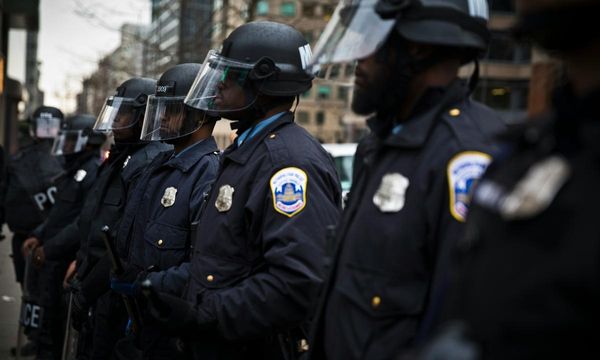
Here are two emerging videogame controversies from the states. First, according to the NY Times on Saturday, New York Police Commissioner Raymond Kelly has called for a boycott of Activision's True Crime: New York City which he says, "depicts New York cops as law-breaking vigilantes".
And yesterday Gamepolitics.com revealed that Eidos is delaying the release of gang shooter 25-to-Life amid vocal protests from law enforcement groups concerning perceived cop killing elements in the gameplay. This one has been simmering away since June when Senator Charles Schumer asked retailers not to stock the title. Eidos has claimed that the delay is down to production issues...
It is is difficult, or at least it should be, to pick a side in these cases. Both games appear to want to have their cake and eat it, simultaneously glorifying and condemning gang culture, baiting and pacifying the political right. True Crime, for example, attempts to gain legitimacy by employing a former police officer, Bill Clark, as a technical correspondent, but yet deliberately blurs the line between law enforcers and law breakers, featuring a lead character who's a "gang member turned cop". The press release also talks about how players must "use and abuse their authority" in a revenge-motivated story. The implicit message being 'yes, you're a cop, but you get to act like a hoodlum'. It reminds me of Driver, where you're an undercover detective disguised as a lawless criminal - the hidden status of your character barely impacts on the game play. It is, literally, a cop out.
Meanwhile, 25-To-Life allows players to select between gangster or cop, introduces a sub-plot about redemption (the lead criminal, Freeze, wants to save his son from a life of crime) and lets you take out enemies with non-lethal methods. But is all this just window dressing on a lascivious thug life fantasy? Amina Taylor's excellent dissection of pimp-chic in Monday's Guardian dealt with similar subject matter - the currently fashionable romanticising of low-life black stereotypes for mass consumption.
Then again, who wants to side with the politicians and publicity-seeking lawyers who round on the videogame industry any time a new title dares to treat its audience as discerning adults? Their view of the 'artform' (for want of a better term) is so asthmatic with prejudice, so guided by the excitement of the moral battle, they are impossible to take seriously.
One thing is certain. This whole gangland adventure genre is troublesome - it raises dark questions about the maturity of the industry and about what we want as gamers. Deep down, we all know that these games, when they're well-designed and well-paced, are utterly satisfying. Very few people seem to want to deal with that... with how it makes us feel - normal, law-abiding folk - with an Uzi in each clenched fist, with murder in mind. Ah, the adrenaline... It should be difficult to take a side in these cases, but for a hundred different reasons, it isn't. It isn't difficult at all.