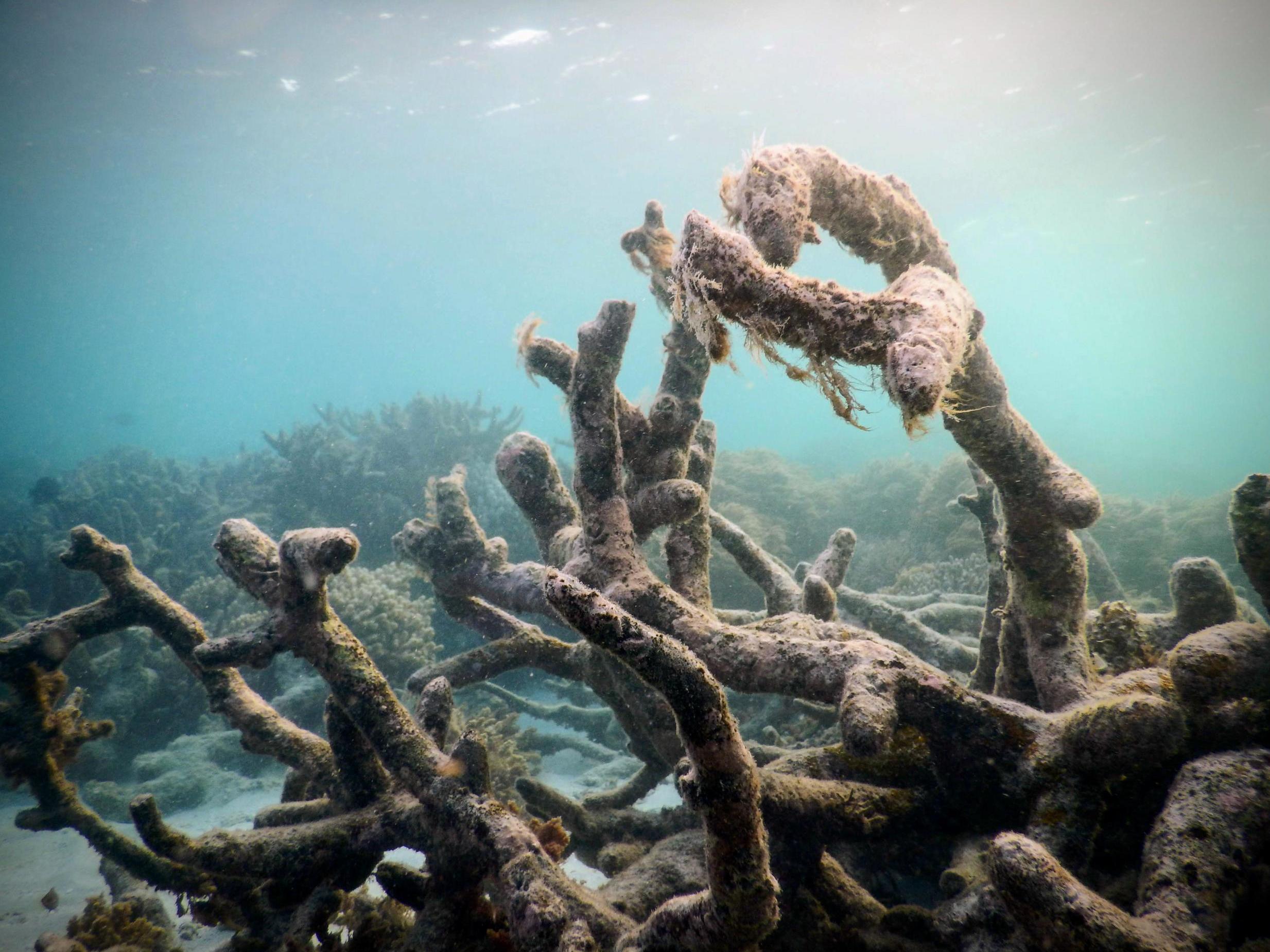
The ecological disaster is taking its toll on scientists’ mental health, with top researchers saying those working in the field must be supported and “allowed to cry”.
Leading researchers have published a letter saying many scientists experience “strong grief responses” to the ecological crisis and there are profound risks of ignoring this emotional trauma.
The letter, published in the journal Science, calls on academic institutions to support scientists and allow them to address their ecological grief professionally.
Professor Andy Radford from the University of Bristol, and co-writer, said: “The emotional burden of this kind of research should not be underestimated. Grief, when unaddressed, can cloud judgement, inhibit creativity and engender a sense that there is no way forward,” he said.
Authors of the letter say environmental scientists often respond to the degradation of the natural world by suppressing or denying painful emissions while at work.
Tim Gordon, lead author of the letter and a marine biologist from the University of Exeter, said: “We’re documenting the destruction of the world’s most beautiful and valuable ecosystems, and it’s impossible to remain emotionally detached.
“When you spend your life studying places like the Great Barrier Reef or the Arctic ice caps, and then watch them bleach into rubble fields or melt into the sea, it hits you really hard.”
Researchers say academic institutions could learn from other professions where distressing events are common, such as in emergency services or the military. In these fields, employees are trained to anticipate and manage emotional distress with training, support and counselling.
Dr Steve Simpson of the University of Exeter, also a co-writer of the letter, said: “Instead of ignoring or suppressing our grief, environmental scientists should be acknowledging, accepting and working through it.
“In doing so, we can use grief to strengthen our resolve and find ways to understand and protect ecosystems that still have a chance of survival in our rapidly changing world.”
The IPCC report has warned that humanity urgently needs to change the way it consumes resources to avoid catastrophic levels of climate warming.
In 2018, the report warned that we faced major environmental catastrophe within our lifetimes, and potentially as soon as 2040.
Almost 70 per cent of British people want urgent political action, but there is a growing gap between announcements on climate change and the implementation of policies.
Dr Gordon said: “If we’re serious about finding any sort of future for our natural ecosystems, we need to avoid getting trapped in cycles of grief. We need to allow ourselves to cry – and then see beyond our tears.”