
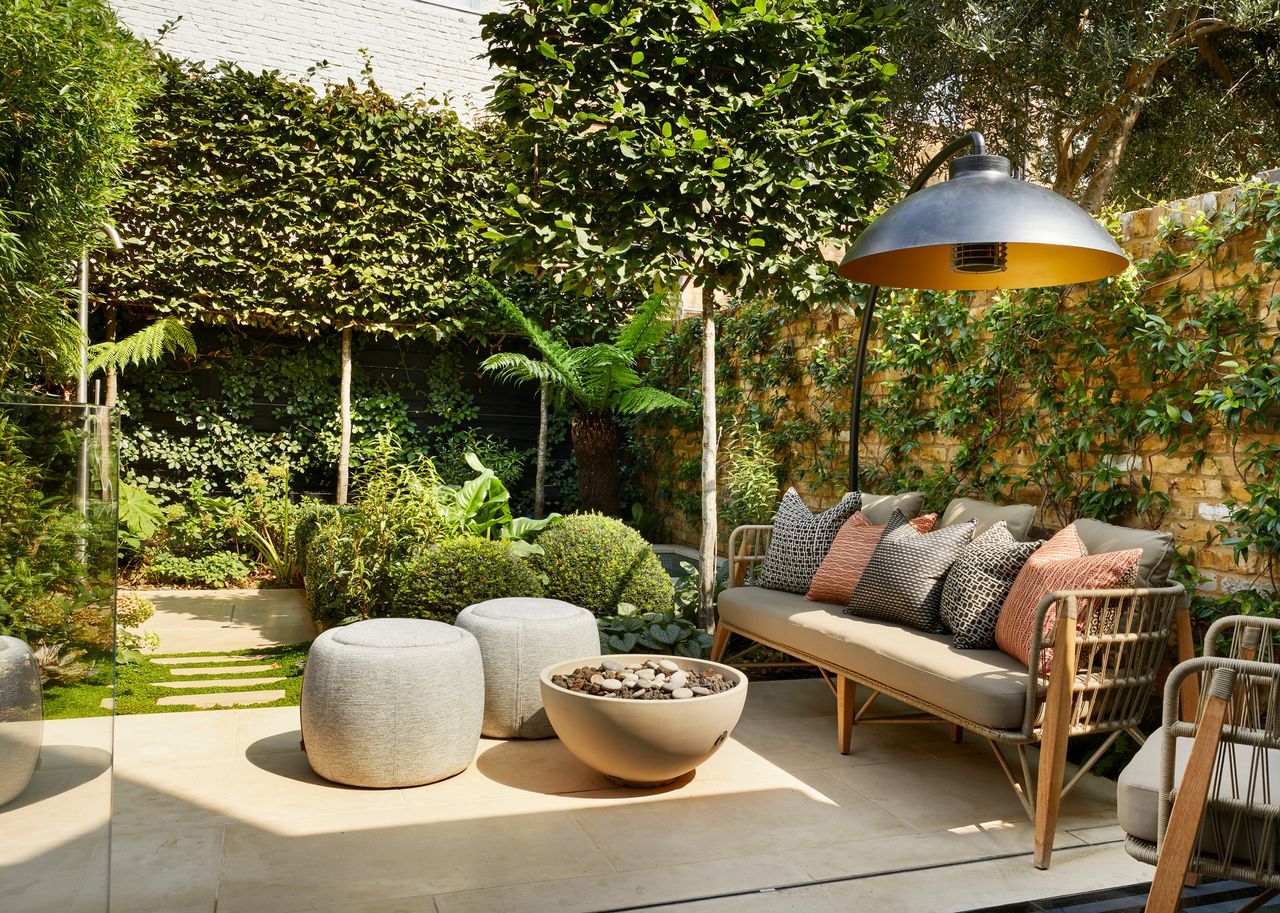
I hate to be the bearer of bad news, but pleached trees may not be the garden privacy promise you think they are.
Don’t worry, I’m as heartbroken as you are. My FYP is full of gorgeous countryside gardens lined with pleached tree borders. On paper, they seem great; they’re a great tree for privacy screening, they take up a small footprint, and in most cases, they’ll make an instant difference. But according to experts, they aren’t suitable for every garden, and may even make your garden look worse.
Given their substantial upfront cost (with some varieties costing up to £1,000 per tree), these trees are certainly a horticultural investment you need to be confident in making, and they're not a quick fix for garden privacy if you don't have the budget for mature trees to play with. Luckily, Agata Henderson, West London garden designer, knows all about the highs and lows of these lofty trees and has shared her expert advice on whether they’re right for your garden.
1. The BIG Upfront Cost
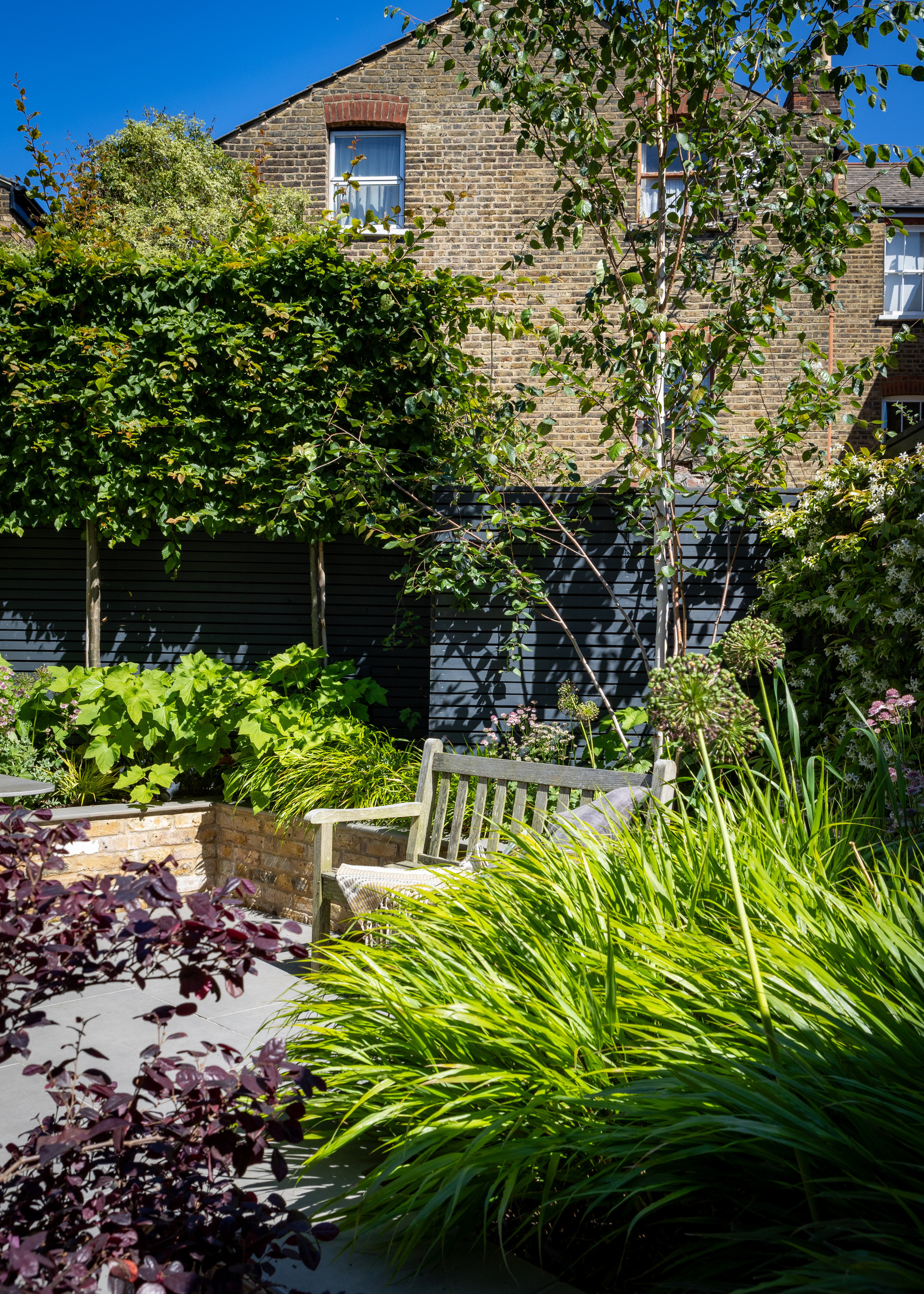
One of the major issues with pleached trees is the price tag. In gardening, mature plants will always carry a higher cost due to the increased time and cost for the grower. As expert Agata explains, training a pleached tree can be very time-consuming. She says, “The cost of the pleached tree is so high as they are trained for a flat crown, and regular trees will grow in all directions.” So if you want immediate impact, it’s going to come at a cost.
For lower-end pleached plants like Red Robins, expect to pay upwards of £250 for a shorter 150cm tree. For a taller tree that will give instant privacy above fences, you’ll be looking at £400+. On the higher end, you can expect prices up to £1,000 for an established Magnolia Grandiflora (famously slow-growing) or a pleached holly tree.
Of course, pleached tree designs are usually planted in a row to build a natural screen. So, depending on your garden, you could easily be looking at a several thousand pound investment.
As a cost-effective alternative, Agata recommends tailoring a smaller crowned tree to your space. “Trade suppliers and nurseries often offer trees in 7-10 liter pots with a small trunk girth in standard (2.5-3m) or select standard sizes (3-3.5m). These have smaller crowns that are much more affordable than pleached trees.”
This method isn’t for the work-shy, though, and can require intense maintenance to contain the growth, as Agata explains. “You need to bear in mind that their growth will be much less controlled and will require regular pruning to fit the space. Make sure to stake them properly, as thin girth with taller growth will make the tree unstable until it is fully established.”
2. They're High Maintenance
We don’t tend to think of trees as high-maintenance plants. The trees we’re used to seeing simply exist without requiring intense pruning regimes, the heroes of a low-maintenance garden. But pleached trees are the exception.
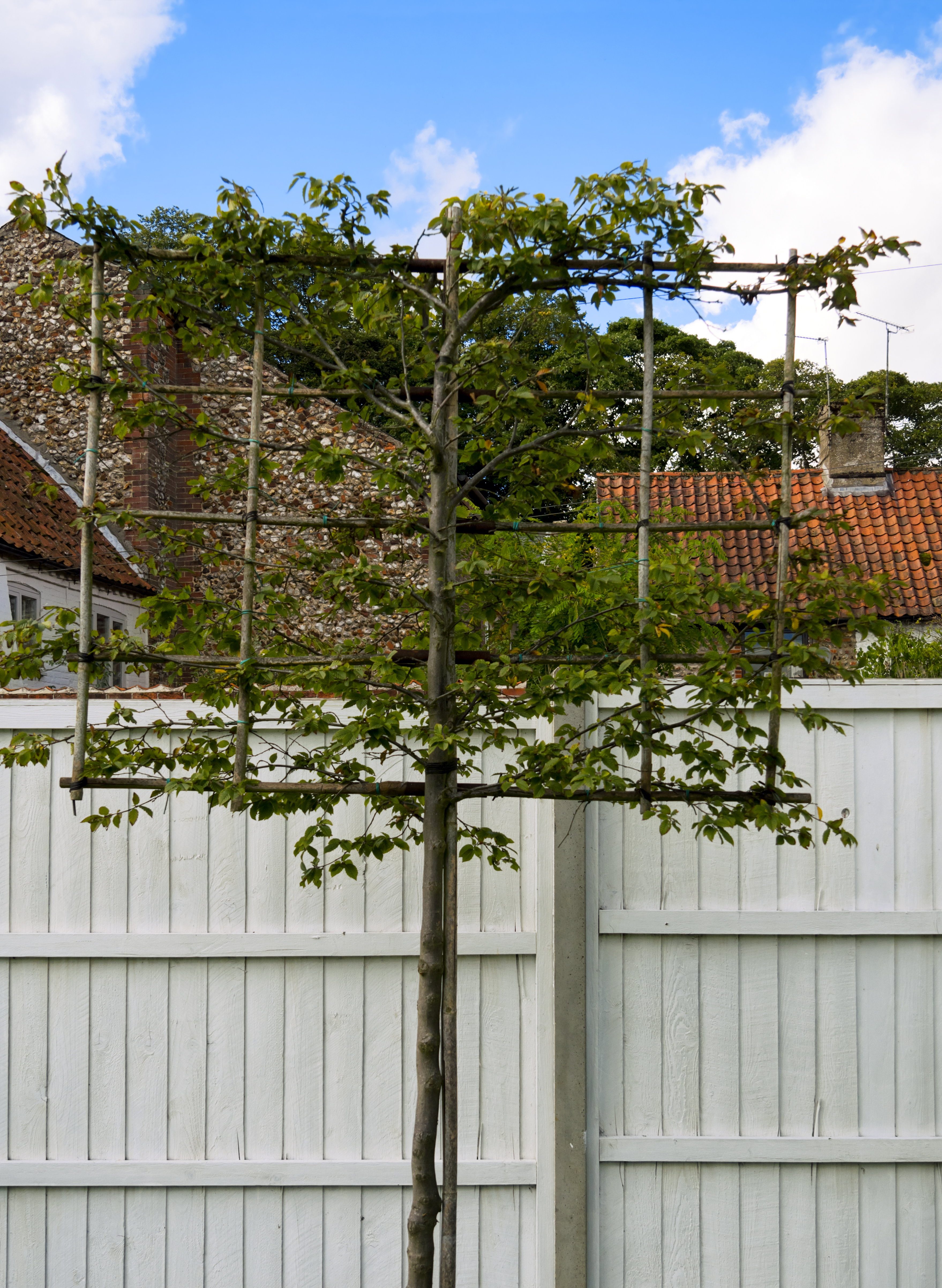
“For pleached tree pruning, you need to focus on preserving the flat, trained framework by cutting back any shoots that grow forward or backward out of the plane,” says Agata. “Remove dead, damaged, or crossing branches regularly to improve airflow and reduce disease risk. Ensure you keep the overall symmetry and balance of the pleached form.” Though this may seem manageable for one tree, keep in mind you’ll have to keep it up with a whole row of trees if using them as a privacy screen!
Pruning becomes especially important for fast-growing pleached trees like Red Robins and some laurels, commonly the more cost-effective trees. Normally, pleached trees require pruning twice a year in their dormant early spring and late autumn periods, but for fast-growing trees, this can easily increase.
If, like me, you’re a time-poor gardener, pleached trees are probably best avoided. Given their high upfront cost, you need to commit to their ongoing maintenance to get the most out of these trees. Left to their own devices, they can easily make a garden design look cluttered and messy.
3. They Can Take a While to Get Established
One of the battles you’ll face with pleached trees is the cost vs size dilemma.
In today’s cost-of-living crisis, every penny counts, so choosing how much to allocate to a pleached tree design can be a tough decision. As a general rule, the more established a tree is, the higher the cost. Many gardeners decide to opt for less-established pleached trees, but as a result, you’ll be waiting a while to gain that natural privacy screen you desire. As expert Agata explains, “it might take a while for their crowns to thicken up and provide privacy.”
Pleached trees can take several years to become fully established. On average, a fast-growing tree will grow 20cm per year, while slower trees like Holly will gain just 10cm.
If budgets are tight and you don’t want to wait around for your trees to fill out, Agata recommends taking inspiration from Mediterranean shrubs. “My favorite alternative for adding privacy to gardens is olive trees. If you buy a free-growing variety rather than capped, it can reach 3-4 meters in around 4-6 years. Capped varieties are pruned to prevent tall growth and are trained to have thicker trunks and smaller crowns, so avoid those types.”
Don’t worry about cold weather snaps either, Agata says, “Olive trees are evergreen, respond beautifully to pruning and provide lovely, dappled shade. They do exceptionally well in the southern parts of the country where we have no danger of the temperatures dropping under -15 degrees.”
4. They Can Easily Get Damaged
If you’re lucky enough to live in a coastal area, you’ll know all too well the havoc wind has on your plants. All it took was one gust over the weekend, and my magnolia blooms were a heap on the ground.
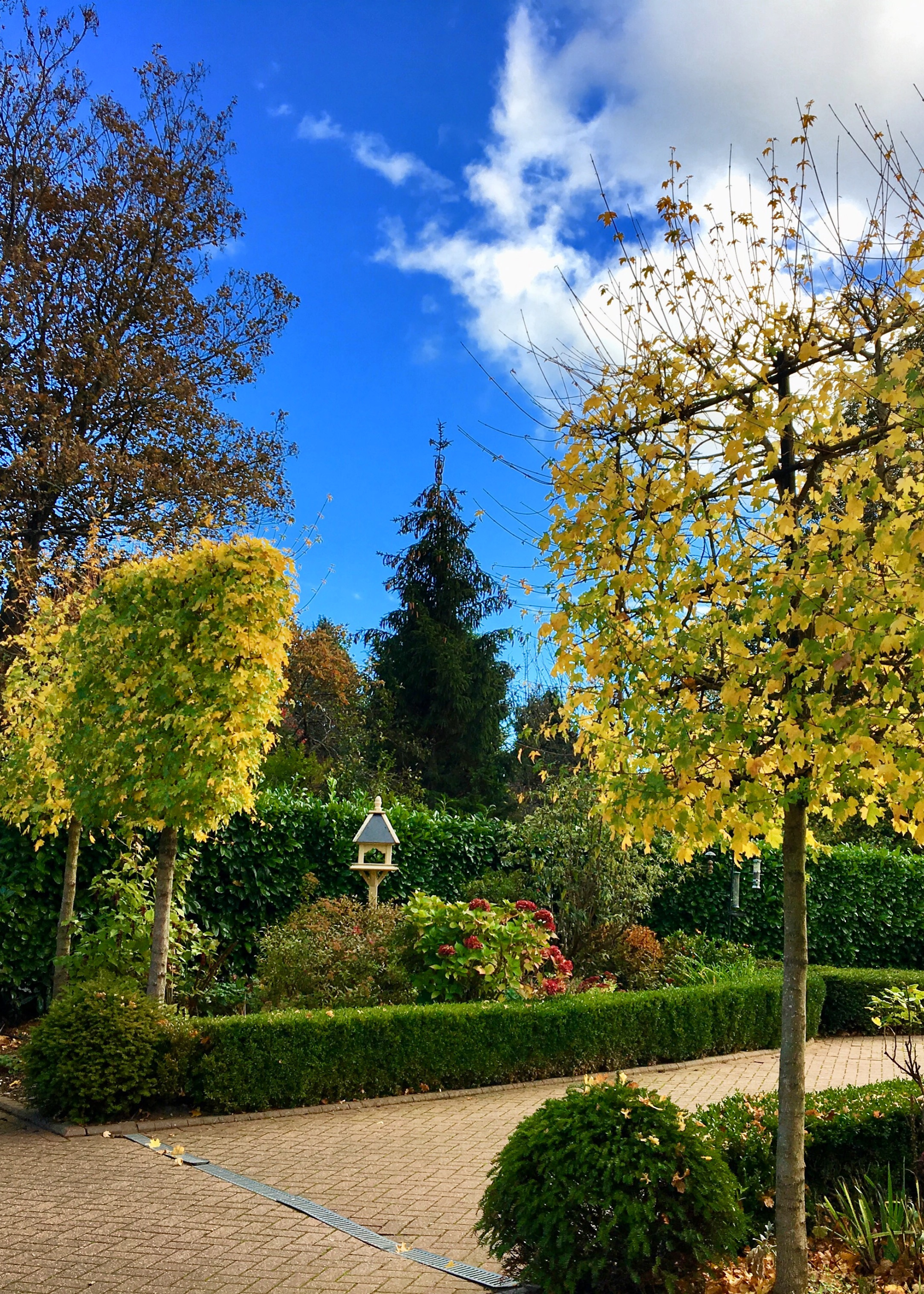
For pleached trees, you have to be especially careful and take additional measures to avoid snapped trunks and branches. Unlike normal trees, where the wind can pass through freely, the large, flat branch framework of a pleached tree acts like a sail in the wind and puts additional pressure on the trunk. If your garden is sheltered, it’s less of a concern, but if your space is frequently exposed to high winds, it can be a real problem. These are not the best trees for a windbreak.
The good news is that there are lots of alternative shrubs that provide great coverage, color, and can withstand fierce coastal winds.
Agata recommends, “If you prefer evergreen coverage Elaeagnus (Oleaster) has tough but beautifully colored foliage that resists wind scorch and carries fragrant flowers. Another is Escallonia – a really tough, wind-resistant evergreen shrub with lovely pink or white flowers.”
5. They Don't Improve Wildlife Habitats
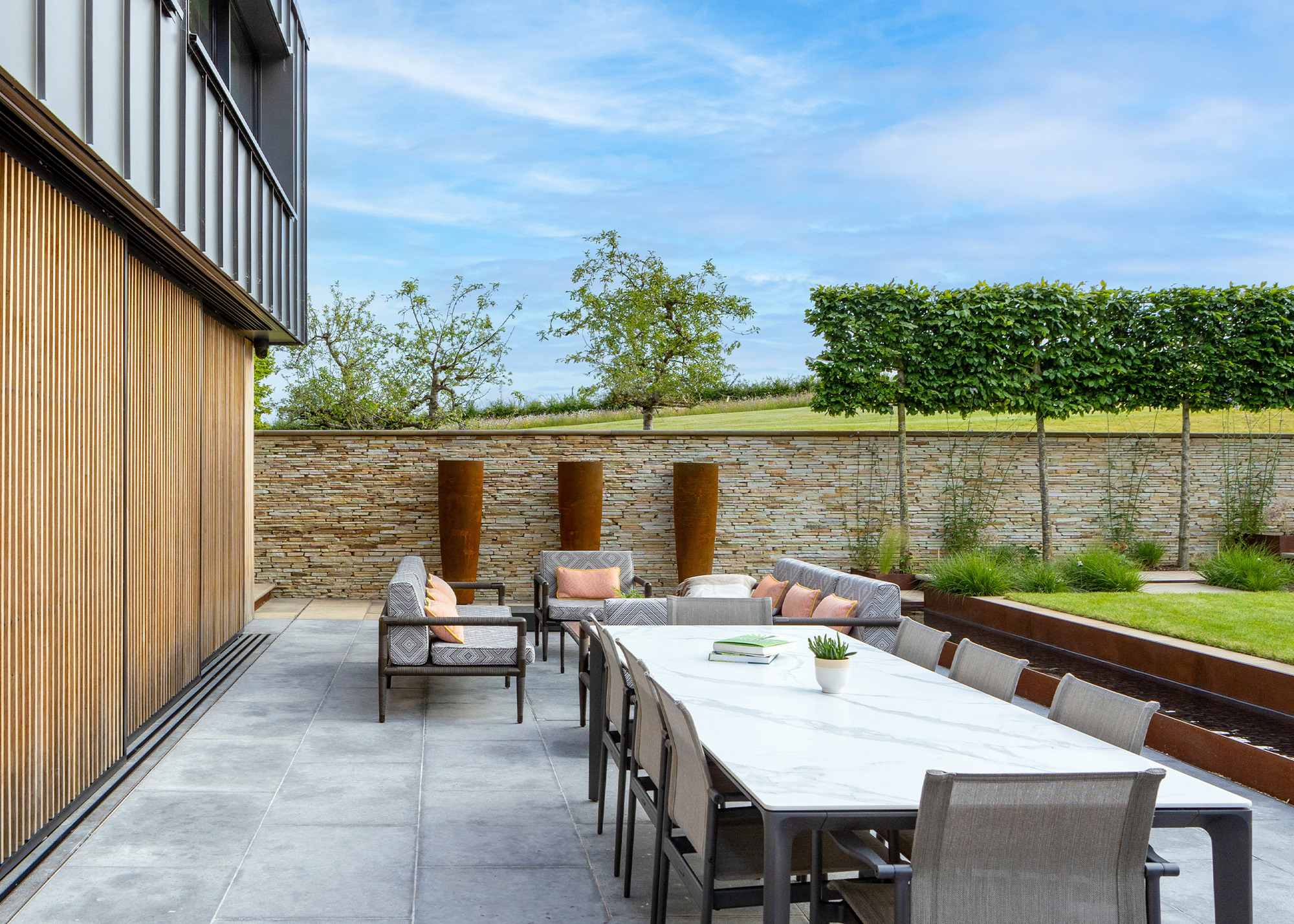
Our gardens aren’t just for our own enjoyment; they also host a huge variety of local wildlife. If there’s ever a chance to improve my garden for the local birds and bees, I’m taking it! Unfortunately, pleached trees aren’t the best choice for wildlife gardens.
Though they look beautiful when properly maintained, in comparison to other non-pleached trees and shrubs, pleached trees provide little to no shelter or nesting opportunities for birds. Their flat canopy is simply too exposed.
Instead, Agata likes dense shrubs that can provide year-round shelter for wildlife. “If you prefer a native, but not necessarily evergreen, shrub option, Hawthorn or Rosa Rugola are tough and wind-resistant. They will have thicker habit than traditional pleached trees, but will be absolutely stunning and great for wildlife.”
If you’re still set on your pleached trees though, think about prioritizing native species to help pollinators. Native varieties include hornbeam, beech, maple, and some lime trees. These will support biodiversity and local wildlife, even if they don't provide habitats for birds.
Stylish Garden Privacy Screens
Falling in love with a garden trend like pleached trees is totally understandable. They look beautiful when properly maintained, but realistically that's not achievable for every garden.
With Agata's cost-effective alternatives though, all isn't lost. There are still lots of privacy planting ideas available that will be good for your garden, the wildlife, and your wallet!