Picture yourself on a hot riverbank in colonial India during the summer months, when the humid heat becomes so unbearable that even the act of breathing feels like strenuous work. To the ruling British and the rich Indians in Bengal, the idea of drinking something cold would have seemed like an impossible luxury. There was only one way to cool things down: freezing water overnight in shallow clay pits, though the results were muddy and expensive.
Get breaking news anytime, anywhere. Download the TOI app now!
That changed one autumn morning when an American merchant ship named the Tuscany sailed up the Hooghly River. Inside its heavily insulated cargo hold lay a cargo of ice that many local observers reportedly found astonishing. Giant, solid blocks of crystal clear winter ice, harvested months earlier from the frozen freshwater ponds of New England, had travelled halfway across the globe entirely intact.
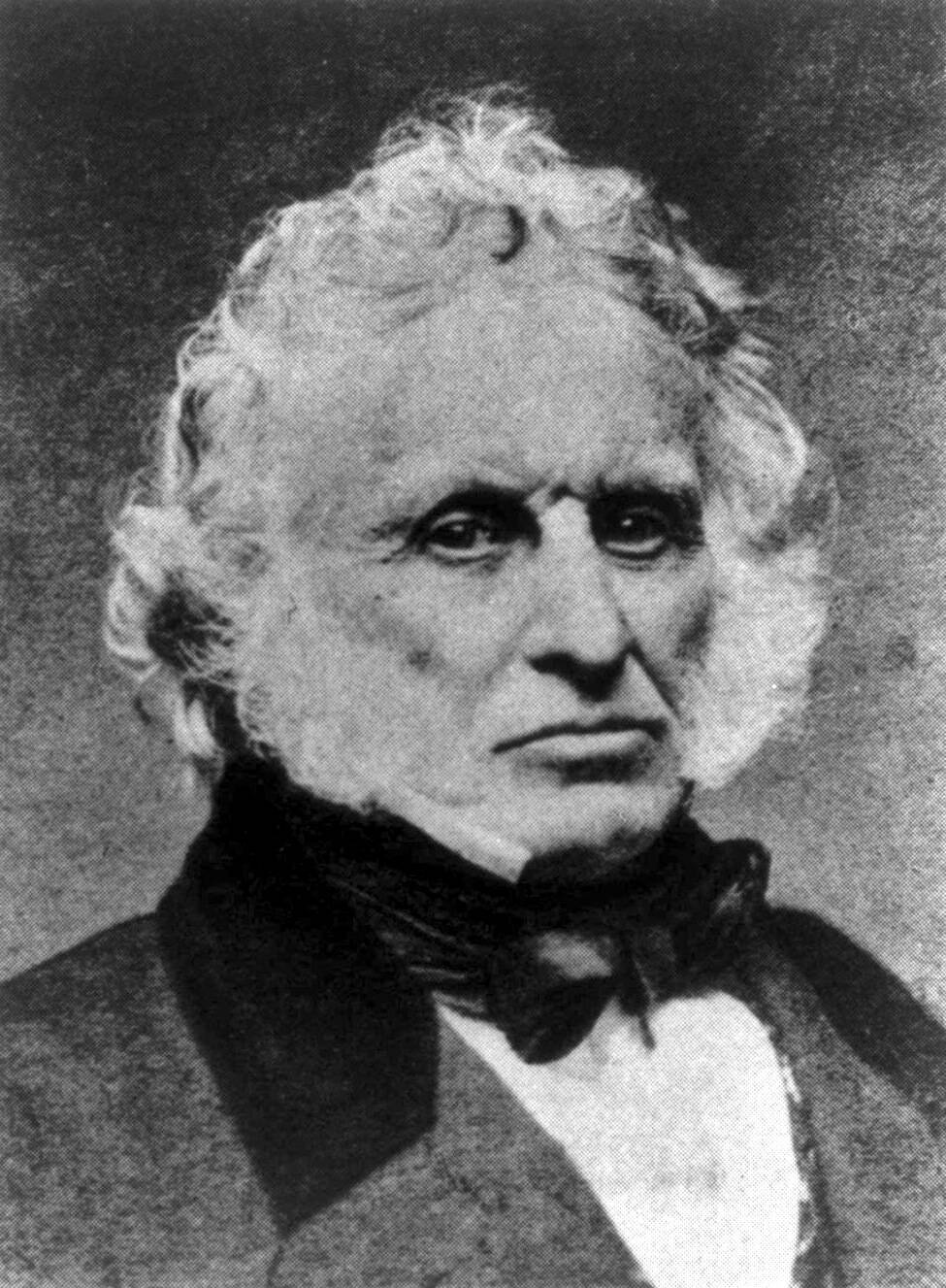
This logistical feat was the work of a Boston merchant named Frederic Tudor. A comprehensive historical investigation published by the BBC News , titled The Ice King: How the world fell in love with cold , traces the incredible trajectory of this early nineteenth-century global trade empire. The report describes how Tudor spent decades overcoming ridicule, financial ruin, and repeated stints in debtor's prison to show that ice could be bought and sold like any other commodity. By the time his operations expanded successfully to India, his frozen water venture generated a staggering total profit of 220,000 dollars, a sum valued at a massive 8.5 million dollars in modern currency.
Turning a laughing stock into a global frozen goldmine
The path to this lucrative empire began with a gamble that many contemporary merchants dismissed as a joke. According to biographical research published by the Foundation for Economic Education , titled Frederic Tudor: The Entrepreneur Who Brought Ice to Calcutta , the ambitious young entrepreneur launched his first speculative voyage in 1806 at just twenty-three years old. He bought a shipping vessel himself after cargo agents in Boston refused to carry his ice to the West Indies.
Tudor's early attempts were operational disasters. His first shipments to the Caribbean melted completely into warm puddles on the docks because the tropical ports lacked any insulated storage infrastructure to protect the product. Sceptical onlookers laughed as he went deep into debt, but the stubborn entrepreneur used his time behind bars to obsessively sketch out the principles of insulation science.
A breakthrough came when he abandoned straw packing and realised that wood sawdust from New England lumber yards was an effective insulator. A feature published by The Boston Globe , titled Ice King Frederic Tudor was one cool character , details how he paired this discovery with a revolutionary horse-drawn ice-cutting blade invented by his associate Nathaniel Wyeth. The mechanical plough cut frozen lakes into uniform blocks that could be packed tightly to slow melting during long-distance transport.

The ice trade that reached Calcutta
When Tudor partnered with merchant Samuel Austin to open the sea route to British India, he was ready to expand into India. The Tuscany departed Massachusetts carrying 180 tons of premium New England pond ice. Despite passing through the sweltering heat of the equator during the dangerous four-month voyage, advanced insulation engineering ensured that a remarkable 100 tons of solid ice survived the journey to dock safely in Calcutta.
This caused excitement in the capital, where some accounts say spectators touched the bricks, fearing the cold might burn them. The provincial authorities were so excited about being able to benefit from regular refrigeration that the Governor General exempted Tudor's vessels from any import duties and provided them with the best docking facilities, as well as raised funds to build a special brick ice house along the riverside.
This icy influx significantly changed the local lifestyle and culinary scene for the wealthy residents of Bengal. Suddenly, upscale dinner hosts could serve chilled wines, preserve fresh American butter, and manufacture gourmet ice creams in the middle of a tropical climate. Doctors also used the blocks as a medical aid to help lower patients' body temperatures during severe tropical fevers. By commercialising ice, Tudor built a lasting business and became known as the Ice King of the nineteenth century.