
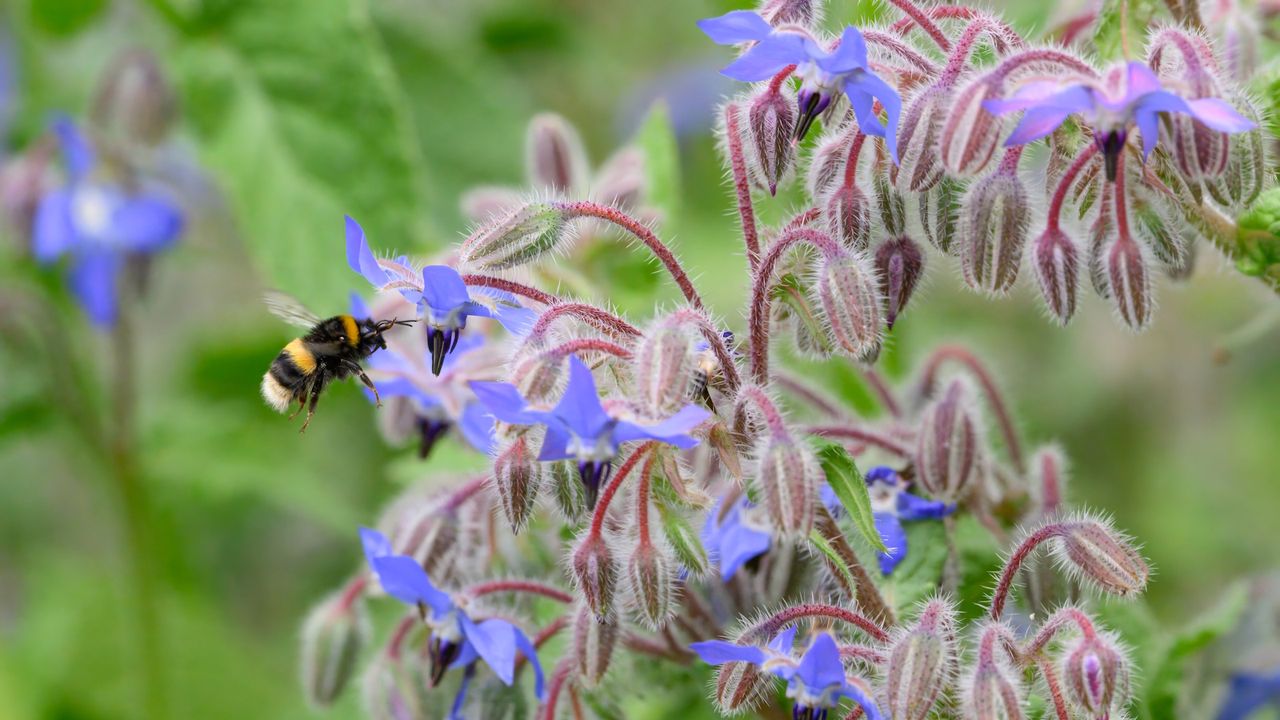
As warm and sunny days arrive in June, you may start to notice a few herbs putting out blooms. Some gardeners will be tempted to harvest to prevent flowering, or may even collect the edible flowers to use in the kitchen. But, it's invaluable to leave some of these blooms for pollinators.
In fact, herbs are some of the best aromatic plants to attract wildlife, especially when in bloom. The likes of marjoram, borage, and thyme all display charming flowers this month in preparation to later set seed. Removing them can extend the harvest season (and preserve flavor), as it redirects the plant's focus to more leafy growth. However, allowing the blooms to form provides a vital nectar source for bees, butterflies, other important insects, and, in some cases, hummingbirds.
Here, with some insights from a garden pro, I talk through five herbs to let flower in June for pollinators.
1. Borage
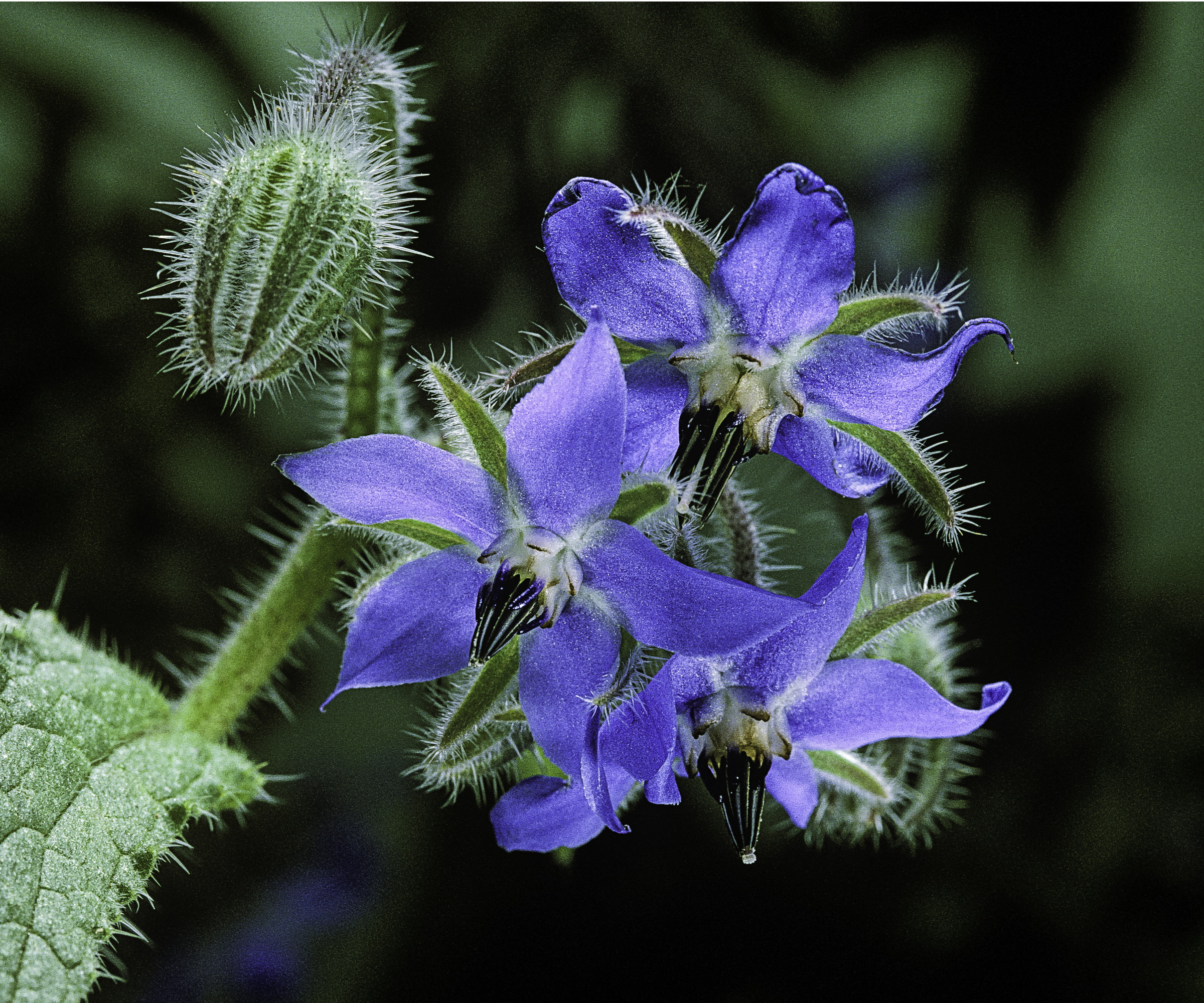
Borage is a herb that is actually primarily grown for its edible flowers, which have a mild cucumber taste. Though, the leaves and stems can also be used in salads.
With distinct blue star-shaped blooms, it's worth leaving some of these beautiful flowers on display when they come out this month. Not only do they provide a unique blue flower for your planting, they're known to be frequented by several types of bees and butterflies.
'In my garden you will always find honeybees on borage. Bumblebees don't seem to bother as much (I think they are too large), but for smaller bees and solitary wasps they seem to love it,' says gardening expert Matt Tutt.
You can grow borage as an annual herb with these borage seeds from True Leaf Market.
2. Marjoram
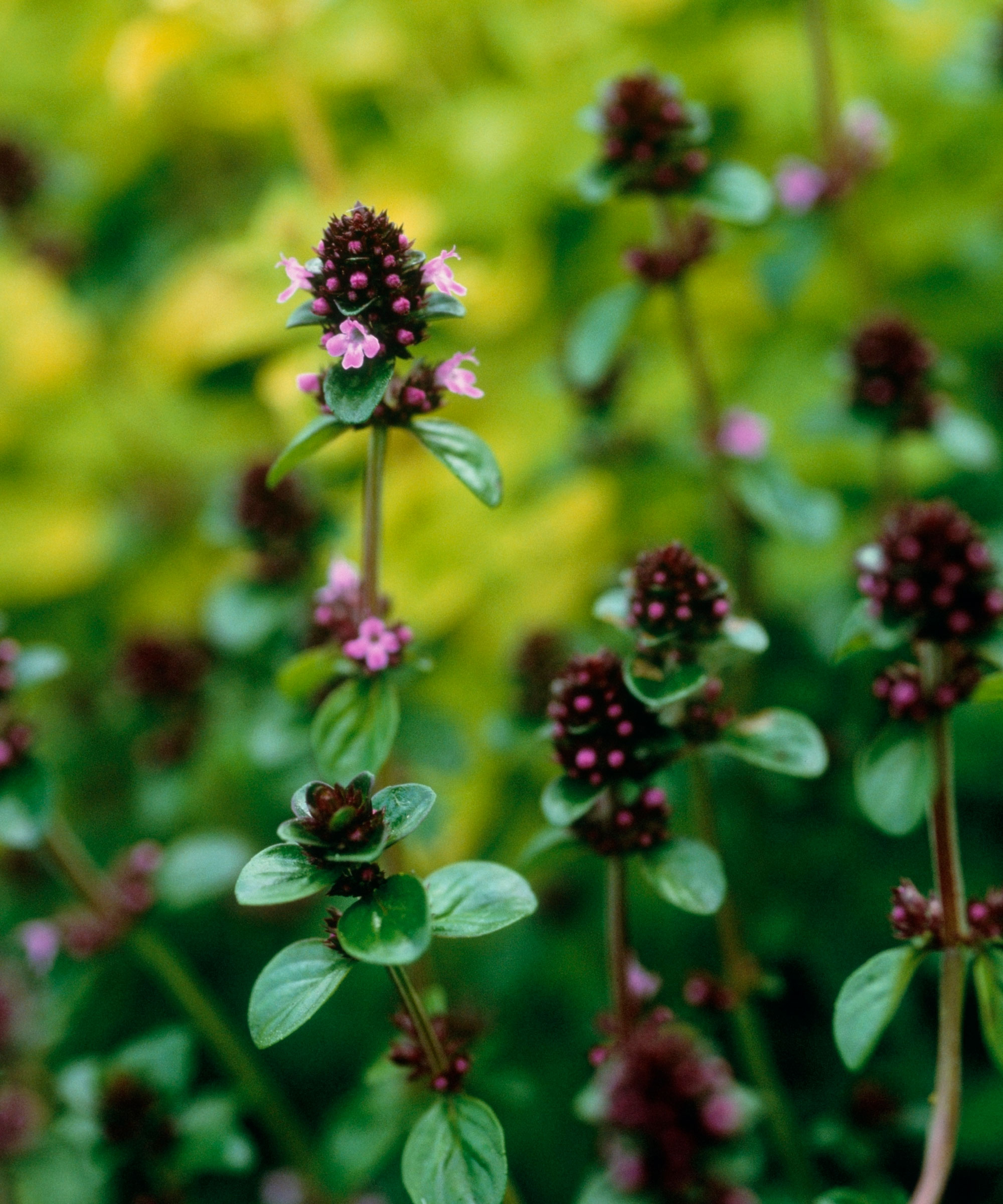
Growing marjoram is easy and rewarding, with aromatic leaves that have a fresh, woody-citrus taste. By the time June and July come around, this herb is putting up flower spikes, topped with pink and mauve flower clusters.
These flowers are edible, offering a sweeter taste that is often used in a herbal tea. But, they're also a great source of nectar for many beneficial insects.
Bees, butterflies, hoverflies, and even moths visit marjoram flowers through summer. The tight clusters of the flowerheads provides a landing pad and easy access for them.
You can purchase a marjoram plant from Walmart or use these sweet marjoram seeds from Burpee for planting outdoors from late May-June, when the risk of frost has passed.
Marjoram is considered half-hardy and in most growing USDA regions (other than zone 9 and 10) should be overwintered indoors as a perennial. Or, you can treat it as an annual.
Don't forget to regularly deadhead the spent blooms (with these Fiskars herb garden scissors on Amazon) to encourage repeat flowers.
3. Cilantro
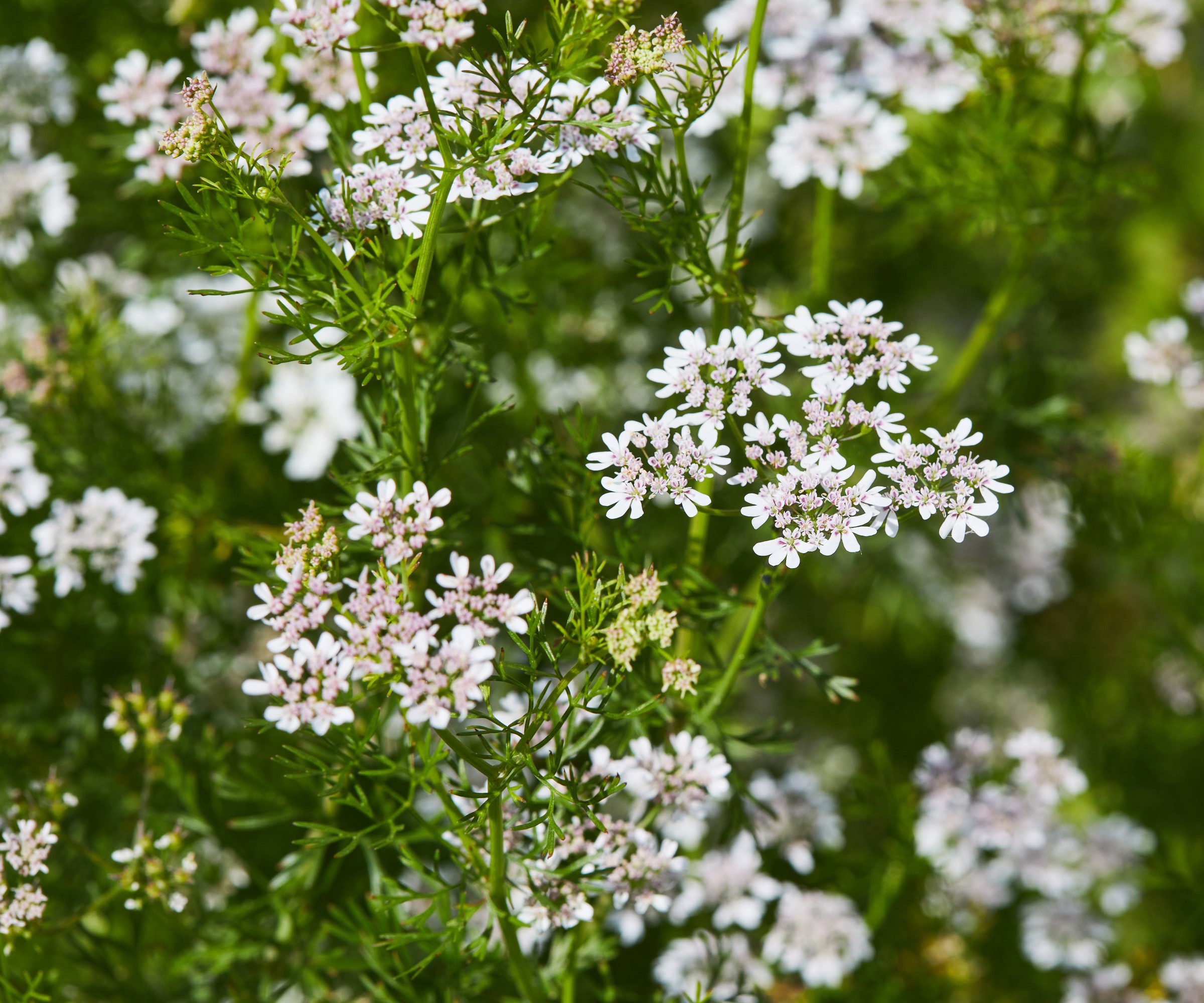
Depending on where you grow cilantro, you'll typically get white clusters of flowers between April and July. Of course, many home gardeners choose to let cilantro flower to later collect coriander seeds, but this isn't the only reason to let the blooms appear.
'There are lot of very small flies and pollinators that like the flowers of coriander,' says Matt.
This includes honeybees, hoverflies, and tachinid flies (which are beneficial parasitoids). They're all attracted to the sweet scent of the lacy flower clusters.
You can also eat cilantro flowers, which have a much more concentrated flavor than the leaves of the herb. Or, as Matt does, 'I like to let it go to flower, so I can collect and save seed for sowing next year.'
You can find cilantro seeds at Burpee, sowing them in early spring as a fast-growing annual. Sowing little but often until summer will provide a continuous supply and even more blooms for pollinators.
4. Thyme
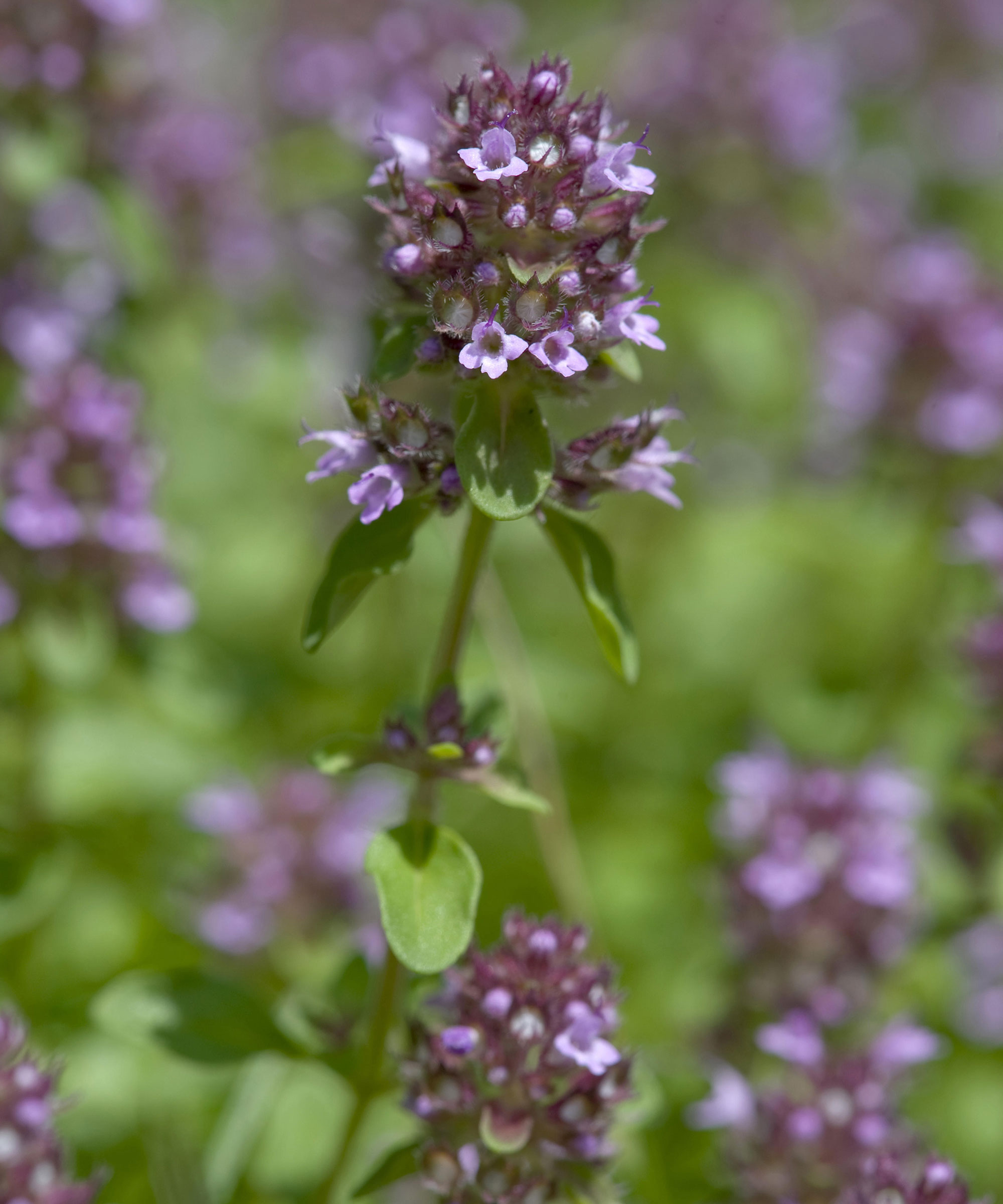
June is a peak flowering month for thyme, with pink, purple, and white clusters. Just before the flowers appear, thyme's flavor tends to be most potent, so it is popular practice to harvest right before.
However, allowing the herb to flower will bring the likes of honeybees and bumblebees, as well as some butterflies. Plus, the leaves can still be harvested during this time, though they will be slightly milder.
After flowering through summer to fall, you should cut thyme back by a third to stop it going woody and to encourage some fresh, bushy growth.
Make sure to use sharp and clean pruning tools for this (like these Fiskars garden scissors on Amazon).
As a hardy evergreen, you can keep thyme outdoors for winter across USDA zones 5-9. Though, it is recommended to provide some shelter and mulch for insulation.
You can find thyme seeds at Eden Brothers, or purchase a thyme plant from Walmart.
5. Bee Balm
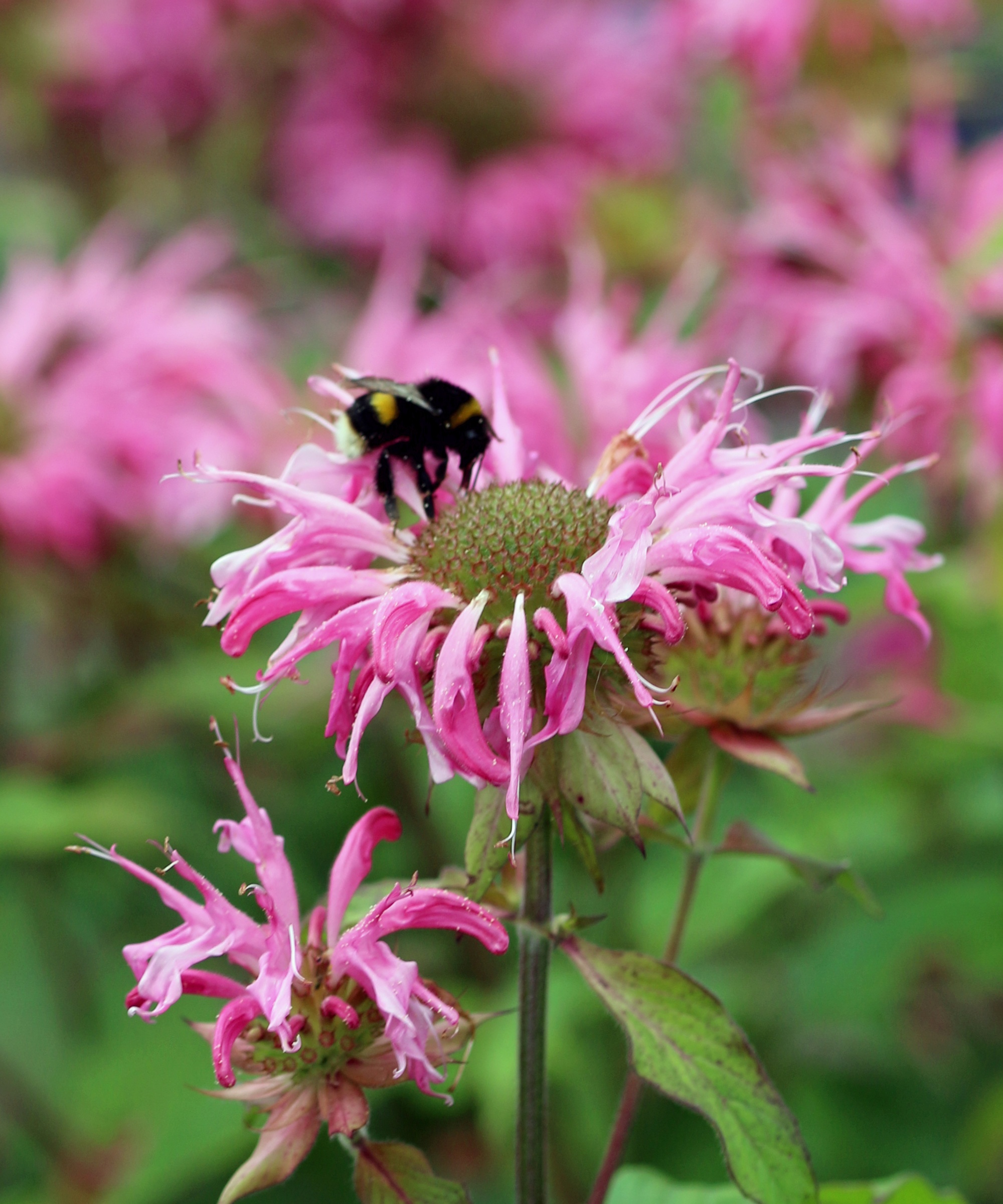
Bee balm is an unusual herb that you may be more familiar with as an ornamental, grown for its brightly colored, tufted blooms.
It actually belongs to the mint family, and both the leaves and flowers can be harvested for a citrusy-mint flavor. The most common types of bee balm used for culinary purposes is wild bergamot, lemon bee balm, and scarlet bee balm.
As its name implies, bee balm is hugely popular with all kinds of bees, from honeybees, bumblebees, and other solitary native bees. In fact, this is also a great plant for hummingbirds, as bee balm has tubular flowers that suit their long beaks. Plus, its bright reds and pinks are effective at attracting all these pollinators.
What's great about bee balm as a June-flowering herb for pollinators is the fact it blooms all the way from until fall, providing a long season of nectar.
You can typically grow bee balm varieties as reliable perennials across USDA zones 3-9.
Explore the range of bee balm plants at Nature Hills, or use these wild bergamot seeds from Burpee to grow your own.
What to Shop
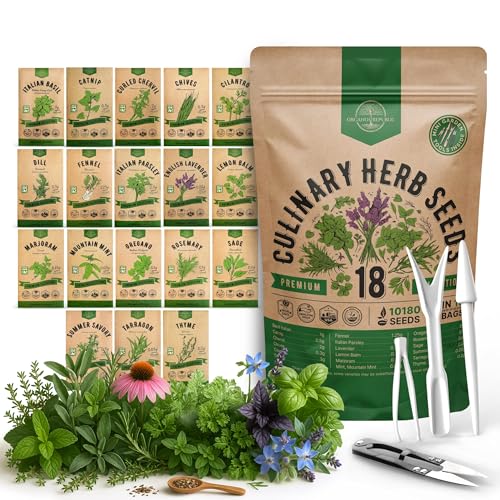
This pack of herb seeds has 18 different varieties, all of which are heirloom and non-GMO.
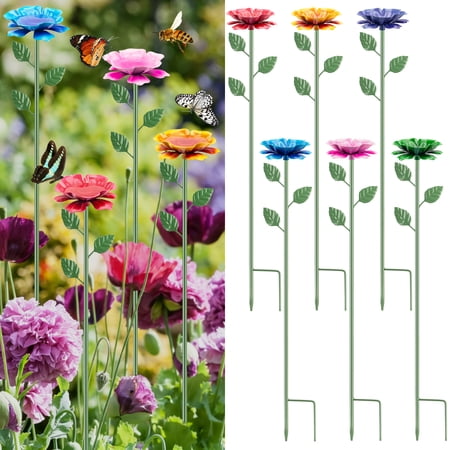
You can put these pollinator watering stations in your borders, beds, and containers to provide a water source for bees and butterflies.
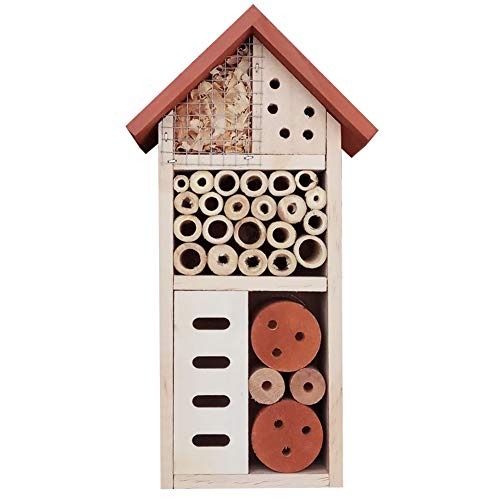
This bug hotel has multiple cavities for pollinators and other beneficial insects to find refuge in. It's weatherproof, constructed of fir wood.
As well as these herbs to let flower in June, there are also several flowering weeds for pollinators to consider leaving through summer. This includes dandelions and clover, which you may spot on your lawn.
If you love inspiring garden ideas, outdoor advice, and the latest news, why not sign up for our newsletter and get the latest features delivered straight to your inbox?