
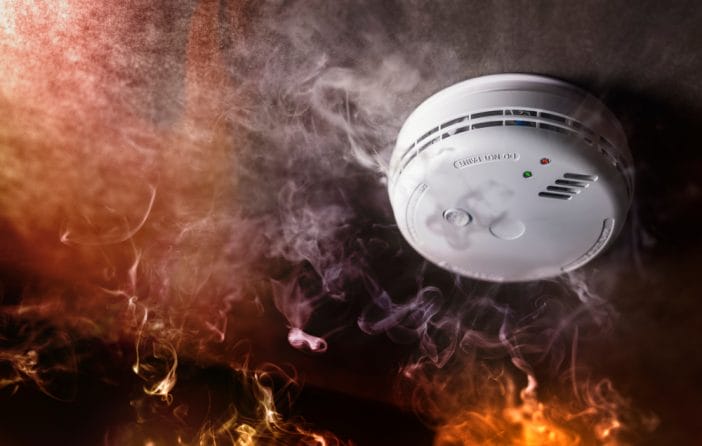
When temperatures drop, the risk of house fires rises, and it’s not just because of fireplaces. According to the National Fire Protection Association (NFPA), nearly half of all U.S. home heating fires occur between December and February. Many of these fires are sparked by everyday items we rely on to stay warm and cozy. From space heaters to candles, these cold-weather comforts can quickly turn dangerous if misused. Here are the top 10 household items causing more fires during the winter months. Are you using any of them?
1. Space Heaters
Space heaters are a go-to solution for chilly rooms, but they’re also a leading cause of winter fires. The NFPA reports that space heaters account for over 40% of home heating fires and 86% of associated deaths. The danger often comes from placing them too close to flammable materials like curtains, bedding, or furniture. Always keep at least three feet of clearance around the heater and never leave it unattended. Opt for models with automatic shut-off features and tip-over protection.
2. Fireplaces and Wood Stoves
There’s nothing like a roaring fire on a cold night, but fireplaces and wood stoves are responsible for a significant number of winter fires. Creosote buildup in chimneys is a major culprit, as it can ignite and cause chimney fires. The U.S. Fire Administration recommends having your chimney cleaned and inspected annually. Also, use a sturdy screen to prevent embers from escaping and never leave a fire unattended. Store cooled ashes in a metal container at least 10 feet from your home.
3. Electric Blankets and Heating Pads
These cozy comforts can become fire hazards if they’re old, damaged, or misused. Frayed cords, overheating, or folding the blanket while in use can all lead to fires. Always follow the manufacturer’s instructions and avoid using electric blankets while sleeping. Replace any unit that’s more than 10 years old or shows signs of wear. Never plug them into extension cords or power strips.
4. Candles
Candles add ambiance and warmth, but they’re also a common cause of winter fires. The NFPA warns that December is the peak month for candle fires, often due to holiday decorations and power outages. Keep candles at least 12 inches away from anything flammable, and never leave them burning unattended. Consider switching to flameless LED candles for a safer glow. If you must use real candles, use sturdy holders and extinguish them before leaving the room.
5. Dryers and Lint Buildup
You might not think of your dryer as a winter fire risk, but it is, especially when it’s working overtime on bulky winter clothes and blankets. Lint buildup in the vent or filter can ignite and cause a fire. Clean the lint trap after every load, and have your dryer vent professionally cleaned at least once a year. Avoid running the dryer while you’re asleep or away from home. It’s a simple step that can prevent a devastating fire.
6. Extension Cords and Power Strips
With more devices running during the winter (heaters, lights, and holiday décor), extension cords get overloaded fast. Overheating cords can spark fires, especially if they’re damaged or daisy-chained together. Use only UL-listed cords, and never plug high-wattage appliances like space heaters into power strips. Check cords regularly for fraying or heat. When in doubt, unplug.
7. Portable Generators
Winter storms often bring power outages, prompting many to fire up portable generators. But using them improperly can lead to both fires and carbon monoxide poisoning. Keep generators outside and away from windows, and never refuel them while they’re running. Store fuel in approved containers and away from heat sources. Always follow the manufacturer’s safety guidelines.
8. Christmas Trees and Holiday Lights
Real Christmas trees can dry out quickly, turning into tinderboxes. Combine that with faulty lights or overloaded outlets, and you’ve got a recipe for disaster. Water your tree daily and keep it away from heat sources. Inspect lights for damage and use only indoor-rated strands. Turn off all decorations before going to bed or leaving the house.
9. Cooking Appliances
Cooking remains the leading cause of home fires year-round, but winter sees a spike due to holiday meals and indoor gatherings. Unattended stovetops, grease fires, and overloaded ovens are common culprits. Stay in the kitchen while cooking, and keep flammable items like towels and paper away from burners. Have a fire extinguisher nearby and know how to use it. A moment of distraction can lead to disaster.
10. Old Wiring and Overloaded Circuits
Older homes may not be equipped to handle the electrical demands of modern winter living. Plugging in multiple heaters, lights, and appliances can overload circuits and spark fires. If your lights flicker or breakers trip frequently, it’s time for an inspection. Hire a licensed electrician to assess your system and upgrade if needed. Prevention is always cheaper than recovery.
Stay Warm But Stay Smart
Winter brings cozy vibes, but it also brings increased fire risk. Many of the items we rely on for comfort can turn dangerous if we’re not careful. The good news? Most of these fires are preventable with a few simple precautions. Take time now to inspect your home, update your safety habits, and protect what matters most. A little awareness goes a long way.
Have you had a close call with a winter fire hazard? Share your story or safety tips in the comments.
What to Read Next
Fire Marshals Say This Common Extension Cord Setup in North Carolina Homes Is Now a Code Violation
13 Everyday Items That Could Start a Fire—Without You Realizing It
5 Household Chores That Take Too Much Time
10 Household Products That Quietly Harm Men’s Health
Cops Say Men in Nevada Are Carrying This Everyday Item Without Realizing It’s Now a Felony
The post These Household Items Are Causing More Fires During Cold Months appeared first on Clever Dude Personal Finance & Money.