Your grocery store’s loyalty app is a great tool for clipping coupons and for getting personalized deals. It is also a powerful surveillance tool. The app is designed to collect a huge amount of data about every single purchase you make. While the store uses this data for its own marketing, that is not where the story ends. The grocery chain will often sell this data to third-party companies known as data brokers. This is a secret that is buried deep in the app’s terms and conditions.
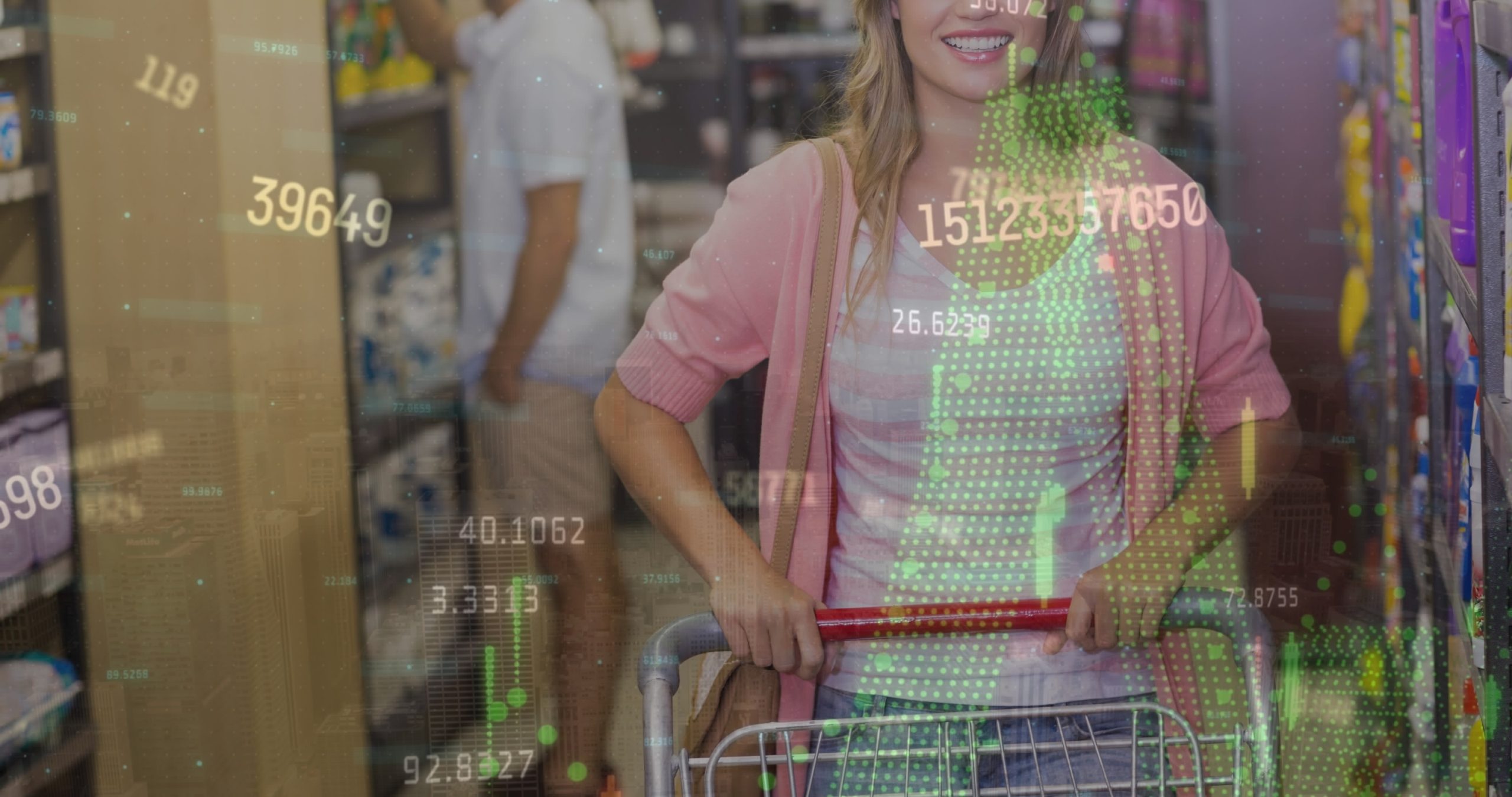
The Loyalty Program Is the Gateway
The entire process begins with your loyalty account. When you sign up for the app and you use it to get your discounts, you are creating a detailed and permanent record of your shopping habits. The app is the gateway that allows the retailer to connect your name and your personal information to a complete history of every single item you have ever bought from them.
Your Data Is “Anonymized” and Sold in Bulk
The grocery store will then take this massive amount of customer data and will “anonymize” it. This means they will remove your name and your direct personal information. They will then sell this bulk, anonymized data to a third-party data broker. The store profits from the sale of this data. The data broker then gets a huge and very valuable set of information about consumer behavior.
Data Brokers Build a Detailed Profile of You
These data brokers, like Acxiom and Epsilon, are massive and a largely unregulated industry. Their entire business model is to buy data from a huge variety of sources, including grocery apps. They then combine this data with other information they have about you. This can include your online browsing history, your public records, and your credit information. This allows them to build a shockingly detailed profile of your life, your habits, and your health.
The Profiles Are Sold to Other Industries
The final step in this secret journey is the sale of your profile. The data broker will sell this detailed consumer profile to a huge number of other companies and industries. This can include political campaigns, which will use the data to send you targeted ads. It can also include financial institutions and even insurance companies. They will use the data to assess your level of risk.
The Hidden Cost of a Discount
The free coupons and the personalized deals you get from a grocery app are not really free. The hidden cost is your personal data. You are trading your privacy for a discount. The secret sale of your shopping data to a network of invisible third-party companies is a deeply troubling part of the modern data economy. It is a powerful reminder that when a service is free, you are not the customer; you are the product.
How do you feel about your grocery store selling your shopping data? Does this practice make you hesitant to use a loyalty app? Let us know your thoughts!
What to Read Next
- 6 Receipt Apps That Deliver Real Cash Back
- 7 Supermarkets Where Loyalty Apps Give Better Deals Than Coupons
- Digital Discounts: 6 Coupon Apps That Track Your Location Even When You’re Not Shopping
- Why Are Certain Store Loyalty Apps Tracking You Even When Closed?
- The Hidden Trade-Off: How Rebate Apps Use Your Data (And What You Get in Return)
The post These Grocery Apps Secretly Sell Your Shopping Data appeared first on Grocery Coupon Guide.