

Every gardener dreams of a backyard bursting with tomatoes, cucumbers, peppers, herbs, and enough zucchini to feed a small village. But sometimes, despite your best intentions, your garden behaves like a full‑blown drama series. Plants sulk. Leaves yellow. Yields drop. And you’re left staring at your raised beds wondering who started the fight.
Sometimes it’s not pests, weather, or soil. Sometimes it’s plant pairings — real, scientifically backed interactions where one plant hogs resources, blocks sunlight, releases growth‑inhibiting chemicals, or simply overwhelms its neighbor. Forget the folklore about “beans hating onions.” We’re talking about actual horticultural conflicts that can tank your harvest.
1. Tall, Sun-Hungry Plants Shading Low, Light-Loving Crops
Sometimes you lovingly plant your tomatoes and lettuce side by side, imagining a harmonious little veggie neighborhood. Fast‑forward a few weeks and your tomatoes have turned into skyscrapers while your lettuce cowers in the shadows like it’s hiding from the law.
This isn’t a personality clash — it’s light competition, one of the most common and well‑documented causes of reduced yields. Crops like tomatoes, corn, and sunflowers grow tall and cast dense shade. Meanwhile, lettuce, carrots, radishes, and most herbs need consistent sunlight to thrive.
You should always plant tall crops on the north side of your garden so they don’t block the sun. Give low growers their own sunny real estate where they can bask without being overshadowed by the giants.
2. Heavy Feeders Competing for the Same Nutrients
Some plants are polite, sharing nutrients like good neighbors. Others are nutrient‑devouring monsters that leave nothing behind but disappointment and nitrogen‑depleted soil.
Corn, tomatoes, cabbage, and squash are all heavy feeders, meaning they pull large amounts of nitrogen, phosphorus, and potassium from the soil. When you plant two heavy feeders together, they compete fiercely, and both suffer. You’ll see smaller fruits, slower growth, and plants that look like they need a motivational speech.
3. Mint Next to… Well, Anything
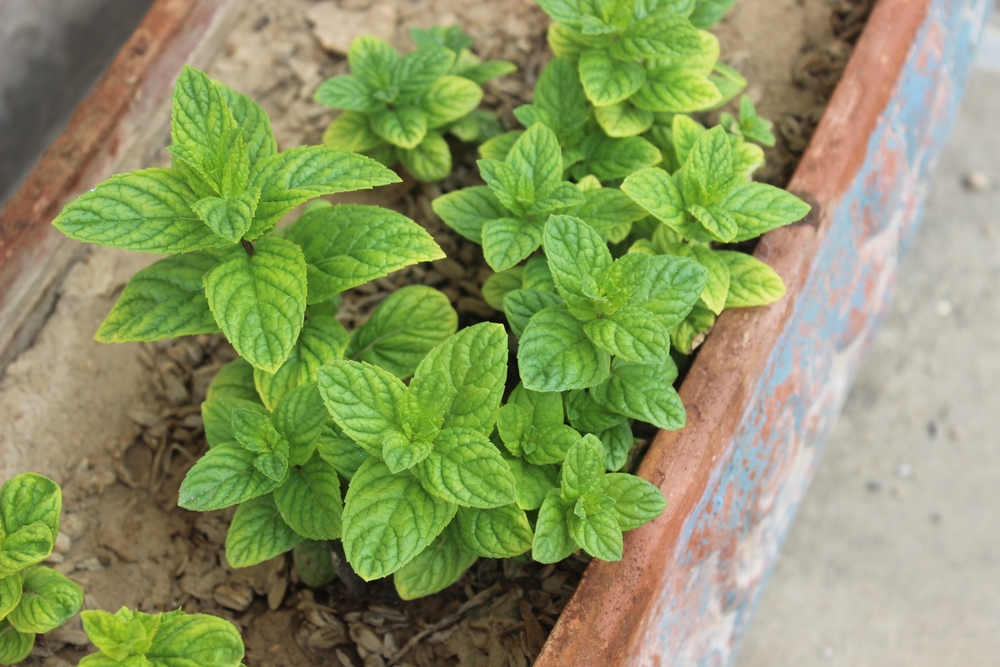
Mint is the friend who shows up for a weekend visit and somehow ends up living in your house for six months. It spreads aggressively through underground runners, quickly overtaking beds and choking out slower‑growing plants.
Mint’s root system expands rapidly, competing for water, nutrients, and space. It doesn’t “kill” other plants chemically; it simply overwhelms them physically. Grow mint in containers only, unless you want your entire garden smelling like toothpaste.
4. Black Walnut Near Almost Anything Edible
Black walnut trees are gorgeous, but they come with a dark secret: they produce juglone, a natural chemical that inhibits the growth of many plants. This phenomenon, called allelopathy, is one of the most scientifically supported examples of plant‑to‑plant chemical interference.
Tomatoes, peppers, potatoes, apples, blueberries, and many herbs struggle near black walnut roots or fallen leaves. They may wilt, yellow, or fail to thrive — not because of pests or poor soil, but because juglone disrupts their ability to absorb water and nutrients.
You should always try to keep vegetable beds far from black walnut trees, and avoid using walnut leaves or wood chips in compost.
5. Cucumbers and Aromatic Herbs Fighting for Airflow
Cucumbers love warm weather, but they also love airflow. When airflow is restricted, they become more susceptible to powdery mildew — a common fungal issue that thrives in humid, crowded conditions.
Planting cucumbers next to dense, bushy herbs like basil, sage, or rosemary can unintentionally trap moisture around the vines. This doesn’t mean the plants “hate” each other; it simply means their growth habits create an environment where disease spreads more easily.
Always give cucumbers plenty of breathing room. They’ll appreciate it, and you’ll soon see the positive results.
Your Garden Isn’t Cursed — It Just Needs Better Roommates
If your garden has been underperforming, it’s not because you lack a green thumb. More often, it’s because certain plants simply don’t play well together. Competition for sunlight, nutrients, space, and airflow are real, scientifically supported reasons yields drop. Once you understand them, your garden becomes a whole lot easier to manage.
What plant pairing has caused the most chaos in your garden — and how did you fix it? If you have advice for fellow gardeners, make sure to share it in the comments below.
You May Also Like…
8 Ways to Reduce Garden Waste Before the Growing Season Starts
The Pest That’s Wiping Out Backyard Tomatoes in Georgia — And How to Stop It Cheaply
The Organic Fertilizer Problem Gardeners Are Reporting in 2026 — And How to Fix It Cheaply
New HOA Crackdowns Are Targeting Backyard Gardens in 2026
9 Cheap Windbreak Ideas That Save Plants in a Cold Snap
The post These 5 Plant Pairings Are Killing Yields in Backyard Gardens appeared first on Frugal Gardening.