If you find "conceptual art" mystifying, you aren't alone. The trends that have dominated art for the better part of a century are often so complicated _ sometimes obtuse _ that they require decoding. Sometimes, traditional values of talent, technique and sheer beauty seem to have dripped off the canvas.
But "conceptual art" is nothing new. Visual arts have never been merely about the picture before you. Even behind centuries-old images lurk messages that aren't always obvious. Mercantile influence, religious majesty, royal power, rebellious intent and flattery are often conveyed in symbols and conventions widely familiar in their day but sometimes lost in our own.
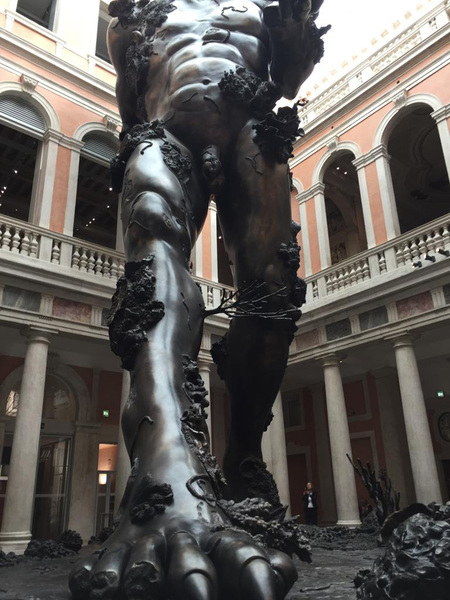
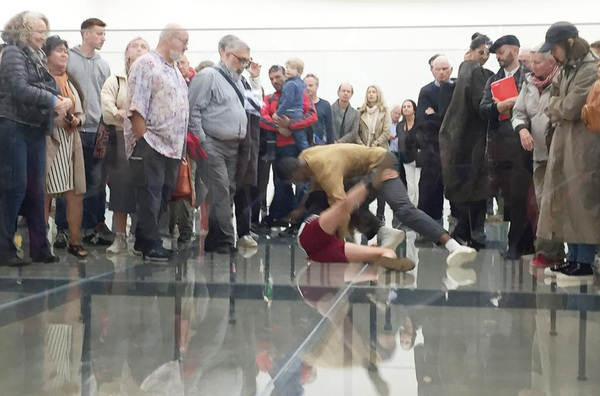
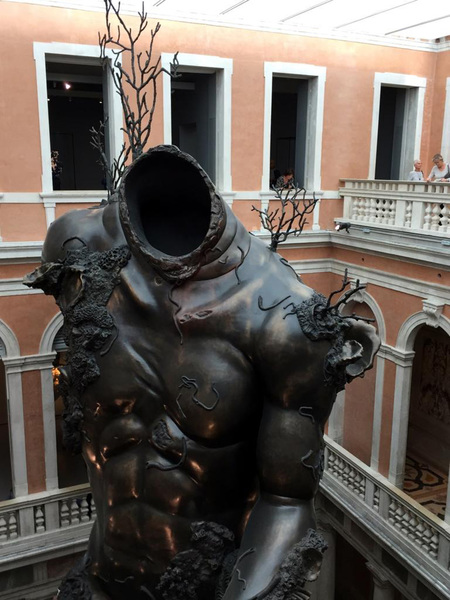
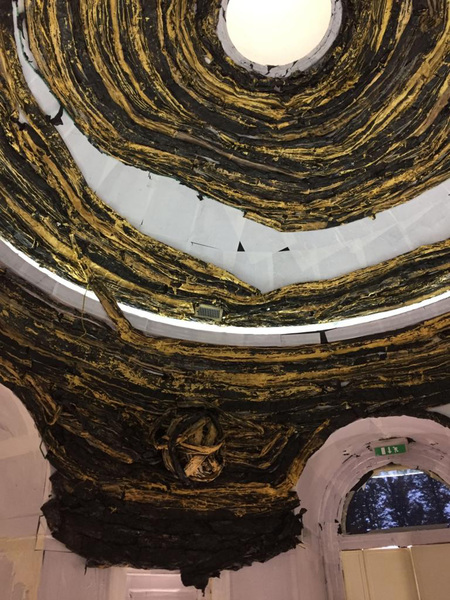
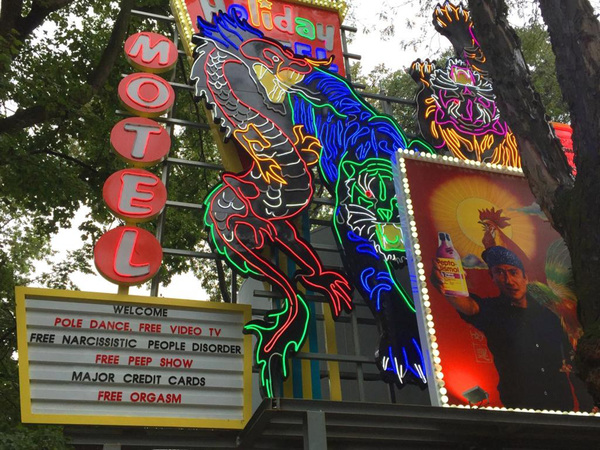
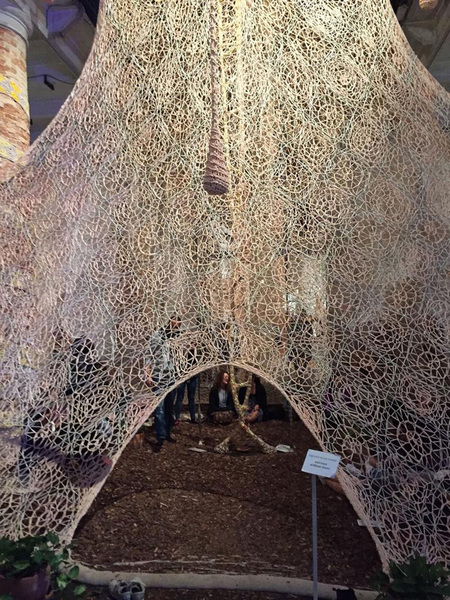
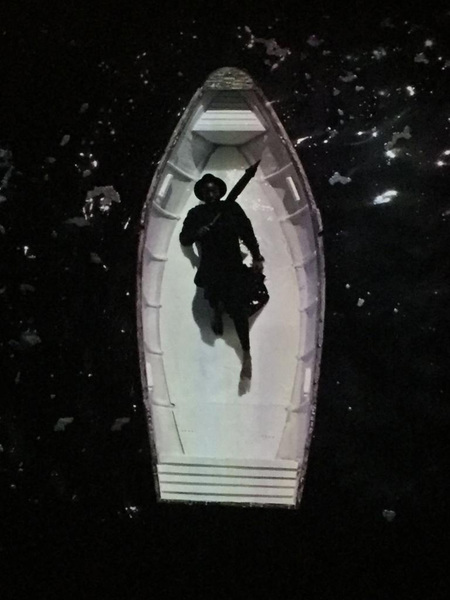
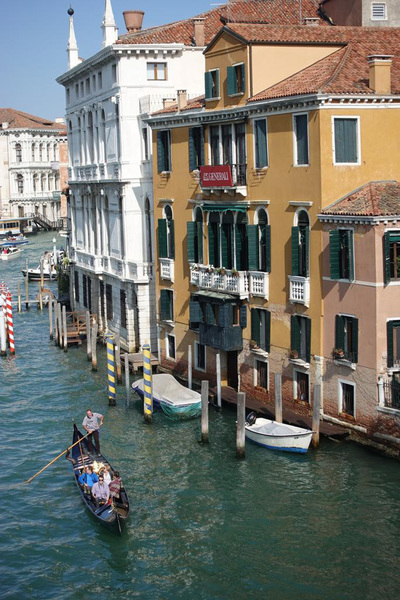
This fall, the perfect city for art of ideas is Venice. Through Nov. 26, visitors can take in the massive country pavilions and labyrinth of smaller, but worthy, installations at the world's most prestigious international art exposition, the Venice Biennale. A colossal "treasure" _ though some would call it "wreck" _ by Damien Hirst is on display through Dec. 3. And of course, there's the city of Venice itself, a spectacularly beautiful testament to ambition and political intrigue.