For many artists in this country, “years of working for no or low pay and being exploited appear to be the only future”, as Lyn Gardner correctly wrote recently. We need to recognise that government support creates the careers of those artists who go on to bring in the £8.8m per hour which the entertainment industry currently contributes to the UK economy. Meanwhile, thousands of young theatre artists are working for no or low pay and, having spent over a decade at that coalface, I have some thoughts on their predicament.
This issue has become impossible to talk about in theatre. There’s understandably a lot of anger out there, and some very vocal people saying that no artist should ever work for less than the national minimum wage, full stop. I’m writing this, somewhat shamefacedly, under a pseudonym, because I’ve seen many examples of the threatening emails and online trolling that would immediately target me and my employers past and present should I stand up publicly and say anything other than that artists should never work unpaid.
I understand that anger, even if I wish it was being channelled into a picket of George Osborne’s office rather than at other artists. But artists will work for very low pay for as long as there are more people wanting to make art than there are audiences willing to pay them enough to live on. And we have to talk about it.
So how do artists make a rational decision about whether to take on low-paid or unpaid work? Ask whether the job is genuinely artistically exciting, and if it will develop your technical skills and artistic range. Ask whether you really want to work with the team: are they intelligent, talented, and respectful of your time? Are they the kind of people you want to hang out with without being paid?
And the budget – if everyone’s working unpaid, that’s one thing. If the actors are working unpaid but the stage manager or director are getting some money, that will feel exploitative. Make sure you understand the budget for the overall project and that it’s fair. Many small-scale directors and producers nearly bankrupt themselves paying actors £200 a week, but don’t let anyone make money off you if you aren’t making some yourself.
Meanwhile, how do you survive while doing this work? Starving and martyring yourself for art is not a happy use of your one precious life. It’s crucial for artists to make peace with the fact that in almost all cases they are going to need a parallel, non-theatrical career and that’s OK. It doesn’t make you a failure. There can be immense feelings of shame and inferiority around not making all your money from theatre, a belief that everyone else can make ends meet acting or directing and that you’re a dilettante. You’re not. I promise.

We’re all temping. We’re all tutoring. The nugget of shame in my stomach finally dissolved in a directing class with Royal Court and National Theatre star Katie Mitchell, when she told us that after her first show at the RSC she went straight back to temping at the Prudential. We need a less tyrannical vision of success. Success doesn’t have to mean working full-time at the National. Success can mean making some art you love and still paying your rent.
But avoid full-time jobs that will rule you out of too many theatre opportunities. You want something part-time or flexible with reasonable pay per hour, that interests you enough not to depress you over time. Temping and tutoring are probably the most popular, but don’t stop there. When young actors ask me for career advice, I tell them to consider training that will expand the day job possibilities. Plumbing, painting and decorating, BSL interpreting, photo retouching, teaching kickboxing or yoga, photography, proof-reading, tour guiding. I know artists who make money breeding snakes or letting out their spare room on Airbnb; selling popcorn or T-shirts at markets or organising lavish children’s parties.
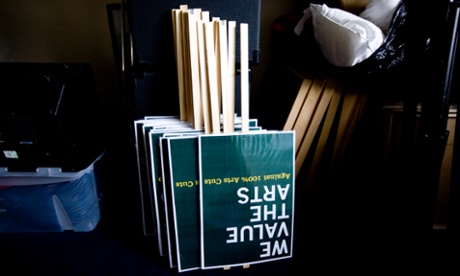
You need a day job. Put some thought and effort into it – it’s part of making your theatre career work. And of course don’t stop writing to your MP about arts funding.