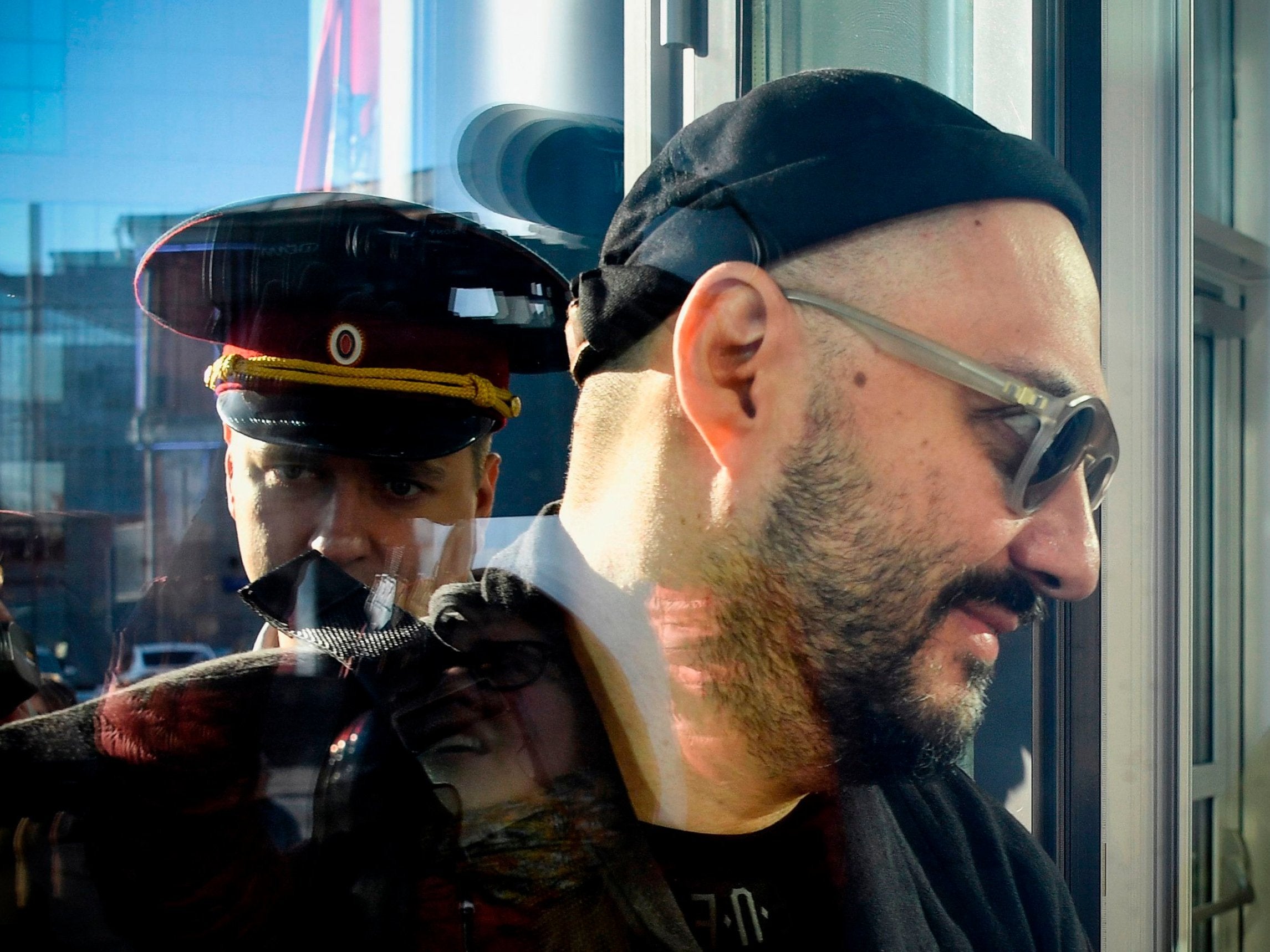
“Try to surprise us,” said Kirill Serebrennikov, addressing a panel of appeal judges in Moscow last month.
The acclaimed theatre director was asking to be released from home arrest. But he may well have been talking about any part of his controversial arrest and pre-trial proceedings. Since being detained in August 2017 on embezzlement charges, the director has seen a case against him develop with the full, predictable tenacity of Russian justice.
Today, the case moves to full trial. The first session is likely to be short enough, postponed owing to the illness of a key lawyer. But few doubt that the main process will end badly for Serebrennikov and his fellow accused. Less than 0.3 per cent of all trials in Russia end in acquittals, and many believe that influential figures within the Russian elite are actively pushing for a demonstrative sentence.
Serebrennikov is considered to be a pioneer of new Russian theatre. Loud and provocative, his work is unusually tolerant by Russian standards, covering the full range of human behaviours, emotions, politics and sexualities. He is well known for his efforts to rebuild a struggling Soviet theatre into an experimental hub, the Gogol Center; one that regularly stages edgy shows on the east side of Moscow.
It was that experimental spirit that led then-president Dmitry Medvedev to award Serebrennikov a grant of 214 million roubles (then, approximately £4 million) for developing “innovative” theatre productions. The project, called “Platforma [platform]” opened on October 2011 and ran to critical acclaim over three years, producing over three hundred plays and events.
But it was in connection to this project that state prosecutors began an investigation into alleged embezzlement in 2012.
Prosecutors soon lost interest in the case, but it was picked up in 2017, coinciding with a wave of revanchist conservatism in Russia. To major consternation in the Moscow arts world, police conducted raids on Serebrennikov’s Gogol Centre in May. Later that summer, they also arrested Serebrennikov and key figures from Platforma.
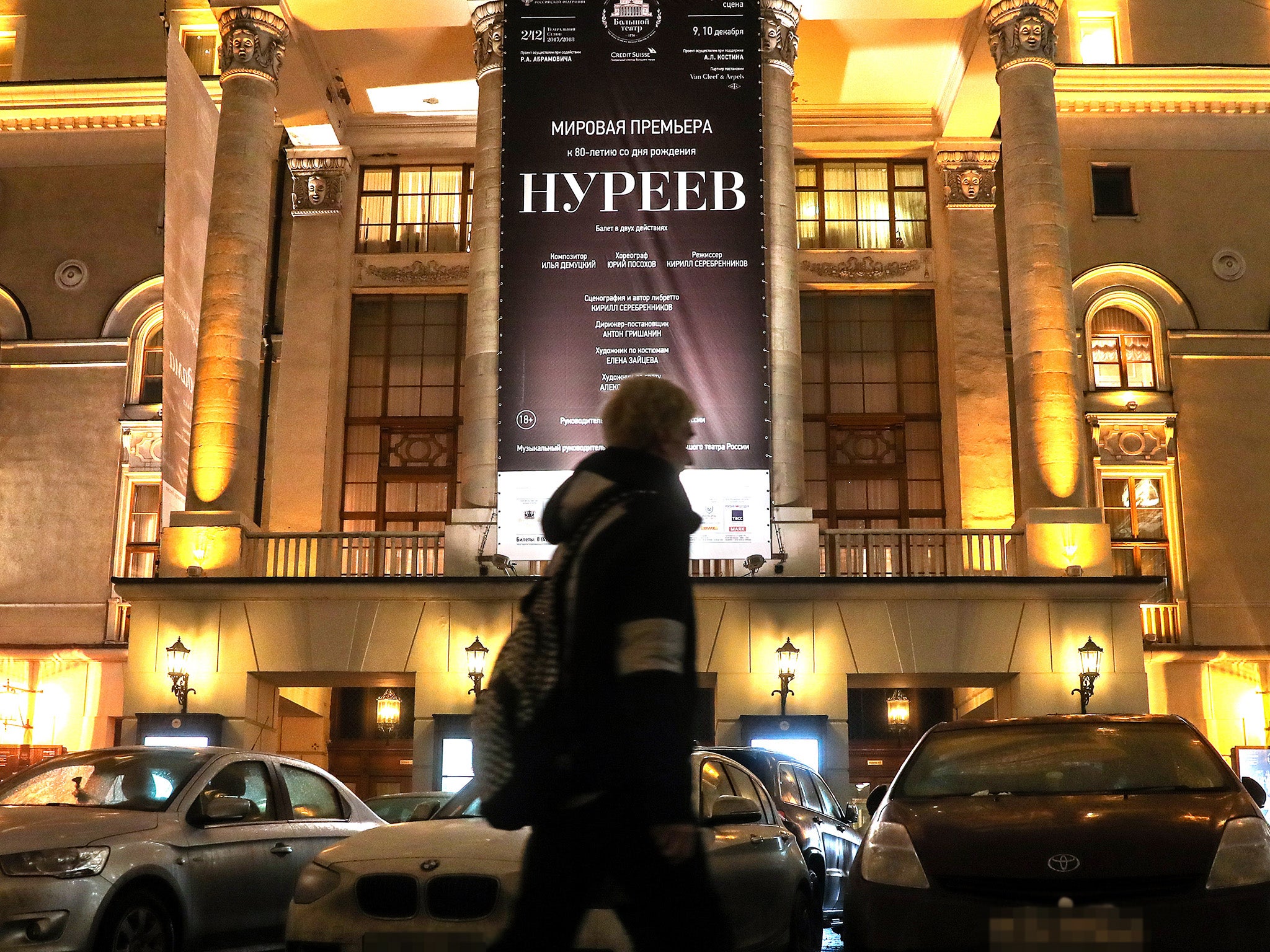
Soon after, Serebrennikov’s ballet about Rudolf Nureyev was postponed, amid complaints about the ballet’s frank treatment of homosexuality.
Kirill always charted a course that was perpendicular to official cultural policy. He’s paying for that now
The charges that eventually came were confused. Serebrennikov stood accused of embezzling anything from 70 to 133 million roubles. But there were clear mistakes in the investigators’ own calculations. And prosecutors alleged that plays had never been produced when, in fact, they had won prestigious theatre awards.
The prosecution did have one thing going for them: the cooperation of accountant Nina Maslyaeva, who had agreed to give evidence against her former colleagues. Many believe Ms Maslyaeva, who had a previous criminal conviction and was in bad health, had been blackmailed.
In comments to The Independent, Serebrennikov’s lawyer Dmitry Kharitonov dismissed the accusations of embezzlement as “fantasy.”
Others close to theatre accept that there may have been some irregularities in book-keeping, but this was widespread practice in the Russian world – given the need to pay people in cash, and the impossible nature of some Russian laws.
Serebrennikov has now spent 14 months under house arrest, a sanction he and his lawyers say is punitive. During this time, he has been unable to visit his elderly father and or his mother, who died in February. Serebrennikov’s co-defendant Alexei Malobrodsky, who was held in a high-security prison centre for half a year, almost died from heart problems.
Speaking in court last month, Serebrennikov accused prosecutors of taking a sadist pleasure in imposing the restrictions: “It’s kind of fun for them, teaching us a lesson. OK, so there are some patriots in security services who don’t like my plays. Not patriotic enough for them. Not correct enough.”
Even though he is forbidden from using the internet, Serebrennikov continues to work. He is producing a new theatre production for the Gogol Center, which is due to premiere in December. Another two operas are to be performed in Europe, in Hamburg and Zurich, from November. Serebrennikov communicates with his colleagues on USB sticks – sent every day via his lawyers.
“We think it’s very important for Kirill to know his theatre can live on and prosper without him present in person,” says Valery Pecheykin, a playwright at the Gogol Centre.
“Of course, our mood goes up and down all the time when we hear news about him, but this is one way we find hope.”
Serebrennikov still enjoys the support of large parts of the liberal political elite. Many oft them were in the audience when his Nureyev ballet finally premiered at the Bolshoi Theatre in December. But Vladimir Putin has made contradictory statements on the affair. Initially, he called “investigators” fools. Later, he said the fact Serebrennikov had been allowed to stage Nureyev “showed this was an investigation, not persecution.”
Lawyer Kharitonov insisted he believed the case was “not political,” but also said had little idea about what lay ahead.
Others suggested it was a matter of how you defined “political.”
“Serebrennikov was not a political actor, but the trial is clearly connected to his work — the way he touched matters of politics, personal life and sexuality,” says Valery Pecheykin.
“Kirill always charted a course that was perpendicular to official cultural policy. He’s paying for that now.”