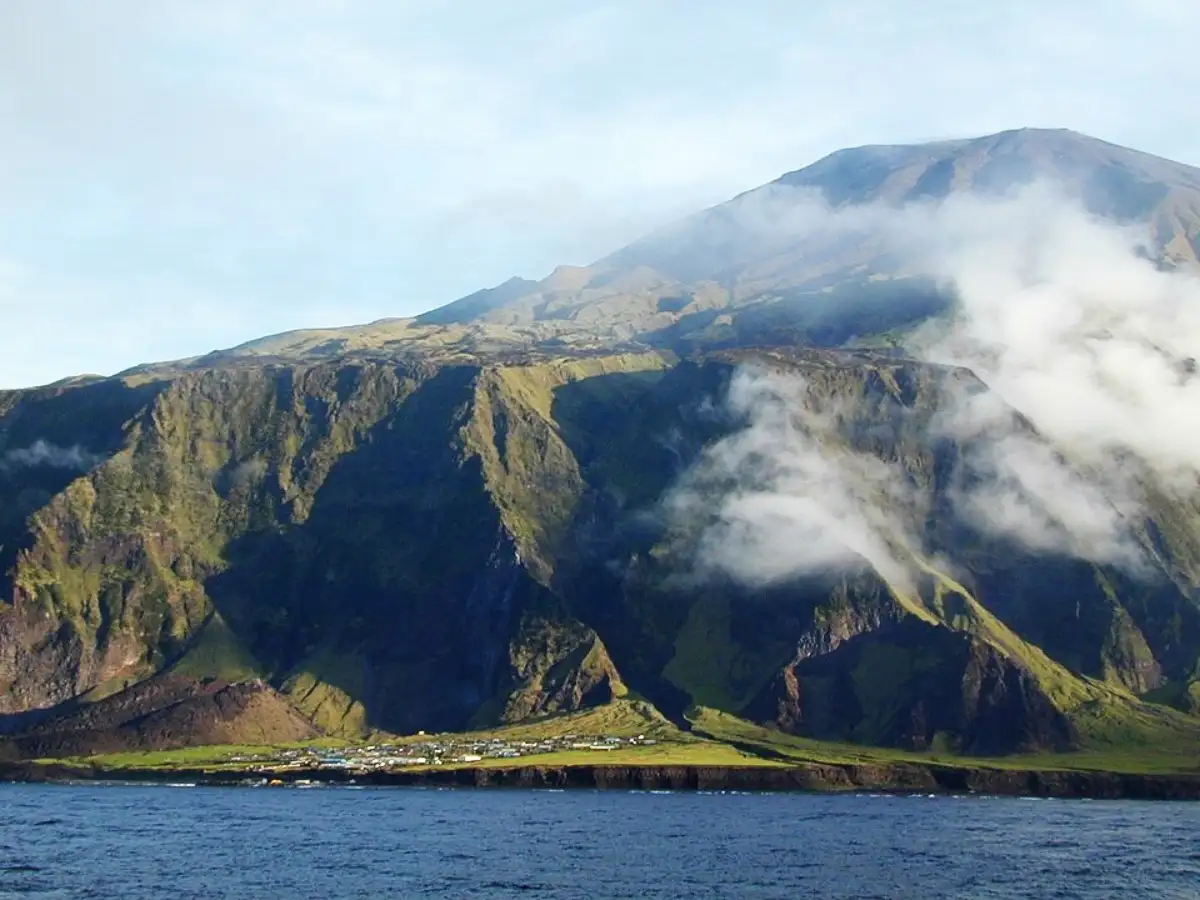
The island is so remote from the rest of mankind that the only way to get there is by a six-day ship journey across the South Atlantic. Tristan da Cunha is 1,750 miles from South Africa. There are no airports, no ferry routes, and no new people to mix the gene pool. For scientists trying to crack the genetic code of asthma, this tiny volcanic outcrop has proven to be one of the most extraordinary natural laboratories on the planet.
Zamel and colleagues at the University of Toronto Genetics of Asthma Research Group published a landmark study, ‘Asthma on Tristan da Cunha: looking for the genetic link. The University of Toronto Genetics of Asthma Research Group’s study in the American Journal of Respiratory and Critical Care Medicine found that 57 percent of islanders had partial evidence of asthma and 23 percent had a definitive diagnosis, defined as increased airway responsiveness combined with a positive medical history. In the same study, the researchers examined 282 islanders, or 97% of the total population. This is an unusually broad population coverage for medical research.
The settlers who changed everything
The British garrison left the island in November 1817, though some, including William Glass, stayed behind and formed the basis of a permanent population. In the years that followed, a few shipwreck survivors and other settlers joined them. The current residents are believed to be descended from just 15 outside ancestors who arrived on the island at different times.
What those founders had in their DNA would echo through every generation that came after them. A 2019 study titled ‘Variation at DENND1B and Asthma on the Island of Tristan da Cunha’ in Twin Research and Human Genetics suggested that William Glass and his African wife may have been asthmatic, and may be the source of a genetic founder effect for asthma in that population. The same study found that all individuals have kinship resemblances of at least first-cousin levels due to inbreeding. In other words, once the variant entered the population, it could persist through later generations.