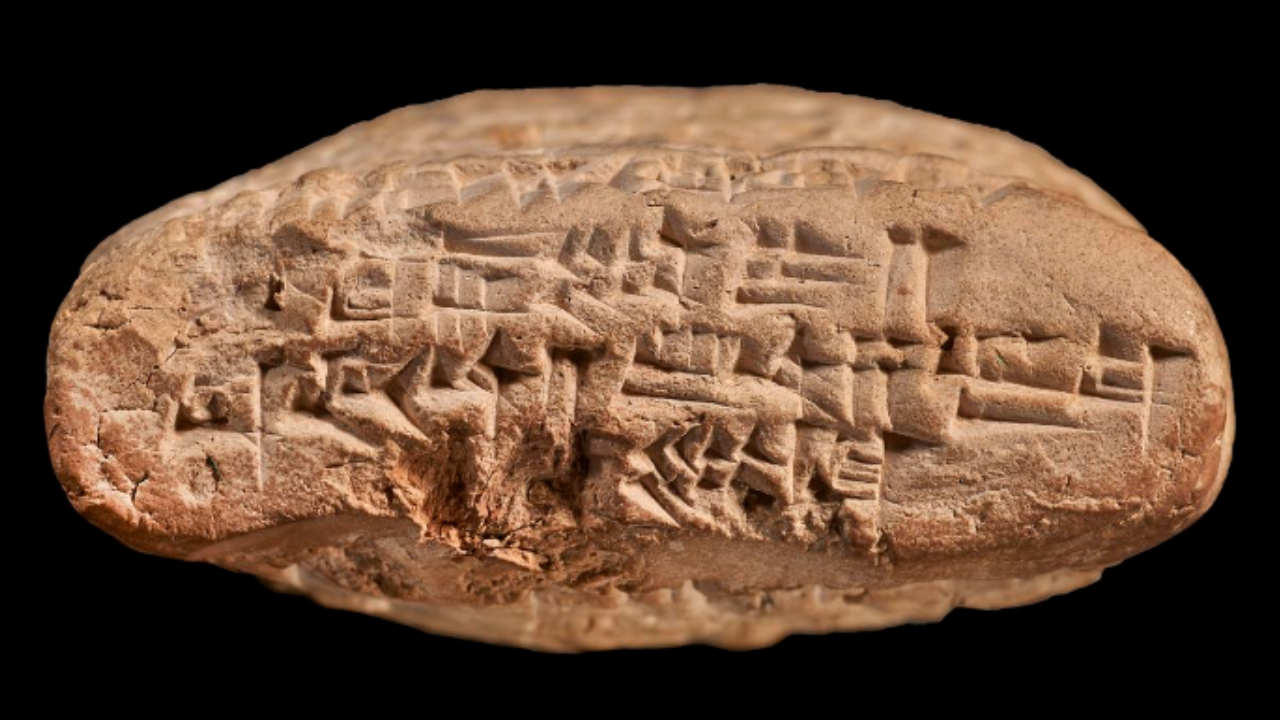
Today, a dissatisfied customer would probably leave a one-star review, send an email complaint, or post on social media. In fact, almost 4,000 years ago, one Mesopotamian client had a much older way of voicing his displeasure: carving a complaint on a clay tablet. This customer complaint is believed to be among the oldest known written customer complaints ever discovered. The complaint dates back to 1750 BC and narrates Nanni's discontent regarding the bad quality of the copper received and the way the merchant resolved the problem.
Get breaking news anytime, anywhere. Download the TOI app now!
According to the British Museum , the clay letter was written in Old Babylonian in Akkadian cuneiform. This ancient tablet was found in the ancient city of Ur in today's Iraq and describes the customer complaint made by Nanni against Ea-nāṣir concerning the delivery of copper of poor quality.
Bronze Age dispute over the poor quality of copper
This complaint was more than a simple message of annoyance. Rather, it was a formal business dispute, written on a clay tablet, which was the usual means for writing back then. According to Nanni, Ea-nāṣir delivered copper ingots of unsatisfactory quality. In addition, when Nanni sent representatives to settle the matter and collect the money owed, he found that they had been insulted.
The clay tablet is about 11.6 centimetres high and 5 centimetres wide. The British Museum states that it dates back to the Old Babylonian period and was excavated at Ur by archaeologist Sir Leonard Woolley. Later, this complaint was translated and analysed by Assyriologist Adolf Leo Oppenheim in his book Letters from Mesopotamia (1967).
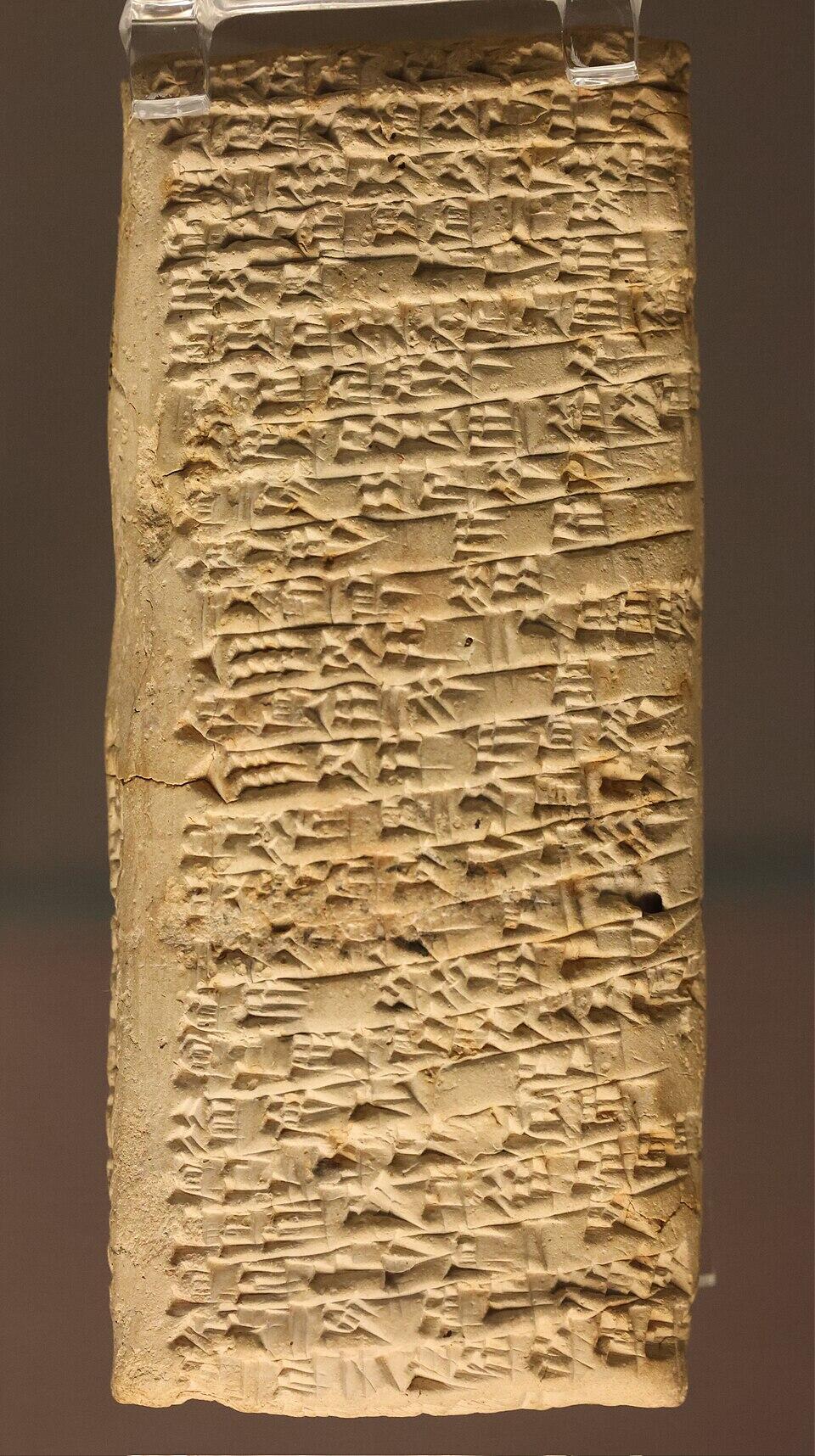
Earliest written texts were often tied to business transactions
Nanni’s complaint also shows how closely writing and business transactions were linked in ancient Mesopotamia. Much earlier than writing became associated with literary works and history, many of the earliest written texts were produced to keep a record of items, transactions and payments. According to the Metropolitan Museum of Art , some of the earliest surviving Mesopotamian written documents recorded economic activities such as property transfers and commercial agreements.
Trade was an important aspect of life during the Bronze Age; copper was among the precious metals of that age. Copper metal was the main component of the alloy bronze, which provided the name to the Bronze Age. Lacking natural sources of many metals, traders had to use extensive trade networks to obtain these from distant places.
What is known about Ea-nāṣir, the merchant who lodged the complaint?
Surprisingly, the complaint submitted by Nanni was not the only document related to Ea-nāṣir. Archaeological research revealed several other clay tablets related to the business of the merchant found in Ur. The documents indicate that Ea-nāṣir was engaged in the trading of copper and had dealings in Dilmun, an ancient trading region located in the Arabian Gulf.
Dilmun served as an important trading centre in the Bronze Age. According to Bahrain’s Authority for Culture and Antiquities , the island became a key marketplace for long-distance Gulf trade. Unfortunately, there is no way to determine if the merchant purposely cheated his customers or if the problem arose as a result of quality control issues.
4,000-year-old complaint still relatable
What is interesting about Nanni’s tablet is its relatable complaints. This message was full of things that are common for consumers in our times: disappointment in the product, anger at the bad service, and the need for a solution. The clay tablet shows that disputes between customers and merchants are nothing new. Even then, consumers expected merchants to keep their promises.
It is unknown whether Nanni got his money back or whether Ea-nāṣir resolved the dispute, but the complaint has survived for nearly 4,000 years. Today, the clay tablet is considered one of the most interesting sources of information about the lives of Mesopotamians. The tablet shows that people found ways to voice complaints long before the internet, customer support offices, or consumer-protection laws.