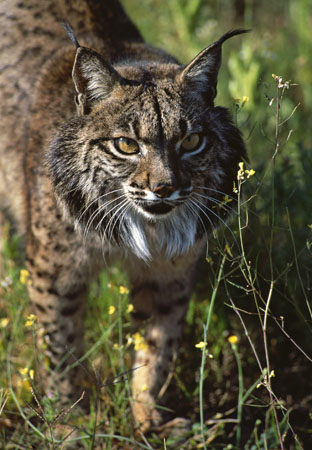
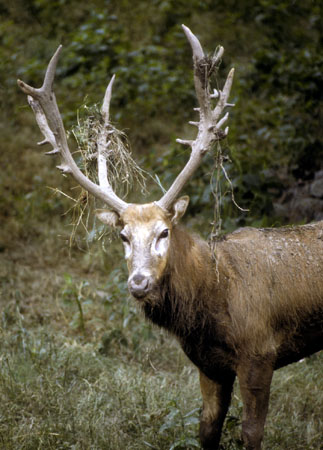
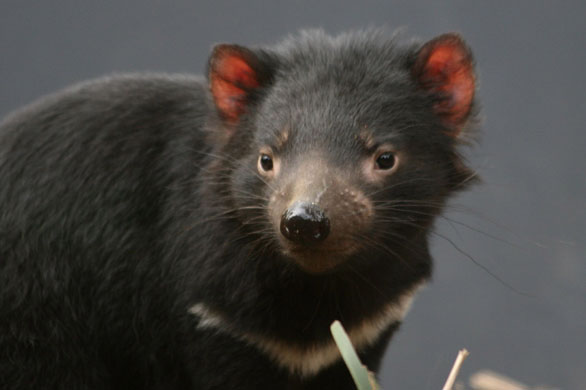
The red list includes 188 mammals in the highest threat category of critically endangered, including the Iberian lynx (Lynx pardinus), which has a population of just 84-143 adults and has continued to decline due to a shortage of its primary prey, the European rabbit (Oryctolagus cuniculus) Photograph: C Francisco Marquez/IUCNChina’s Père David’s deer (Elaphurus davidianus), is listed as extinct in the wild. However, the captive and semi-captive populations have increased in recent years and it is possible that truly wild populations could be reestablished soon Photograph: Jess Cohen/IUCNNearly 450 mammals have been listed as endangered, including the Tasmanian devil (Sarcophilus harrisii), which moved from the "least concern" to "endangered" category after the global population declined by more than 60% in the last 10 years due to a fatal infectious facial cancerPhotograph: David Hewett/IUCN
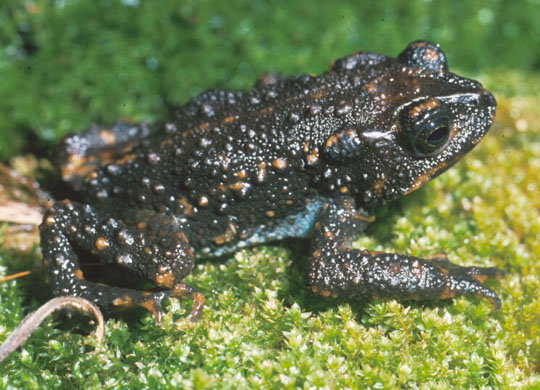
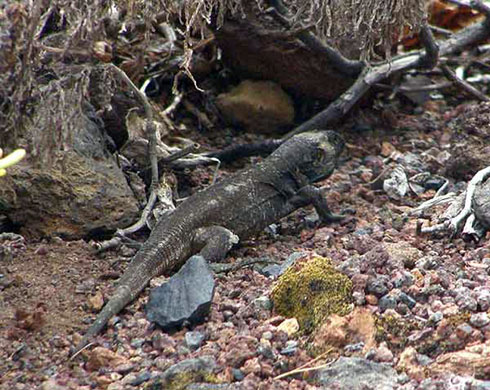
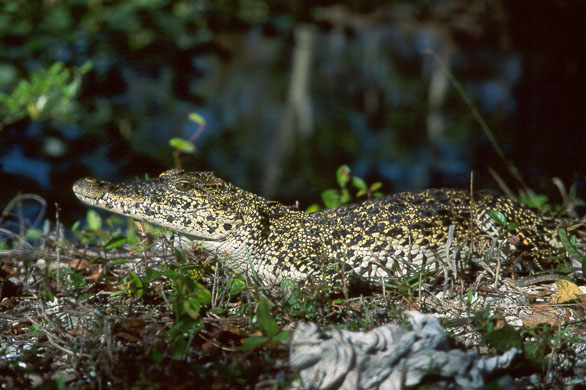
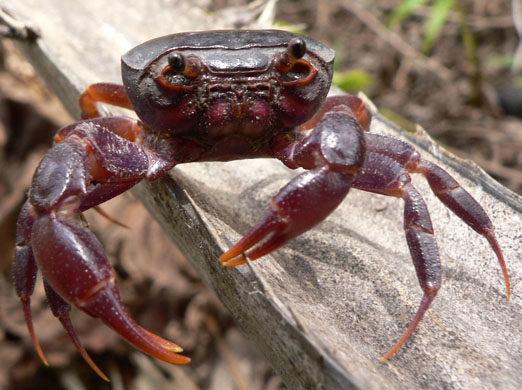
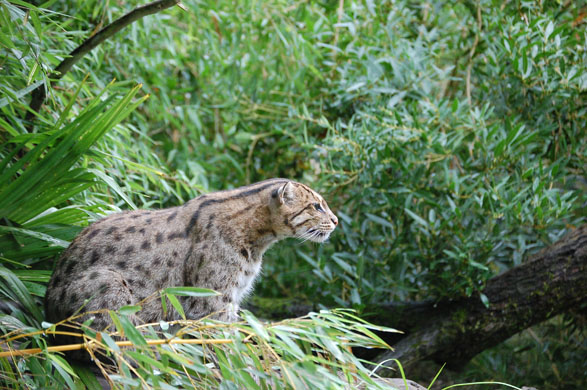
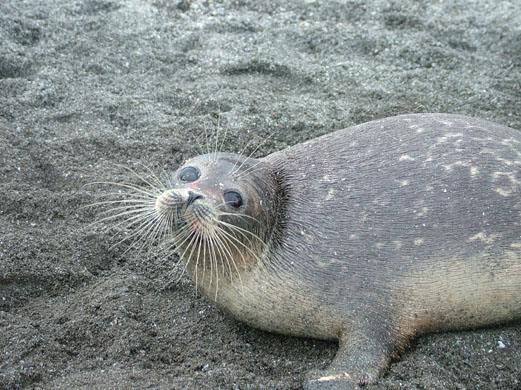
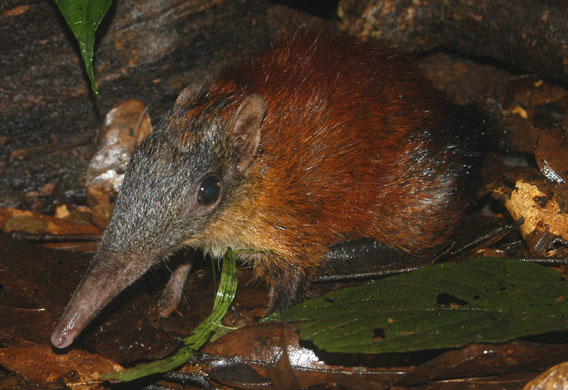
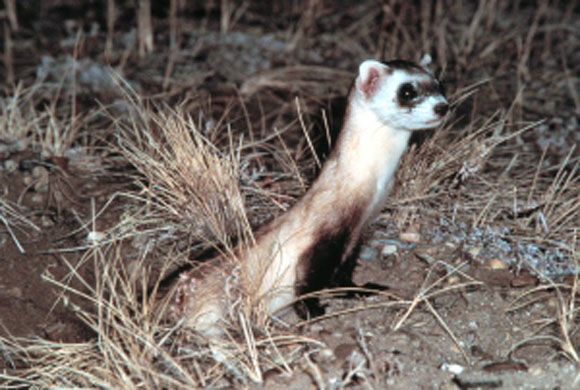
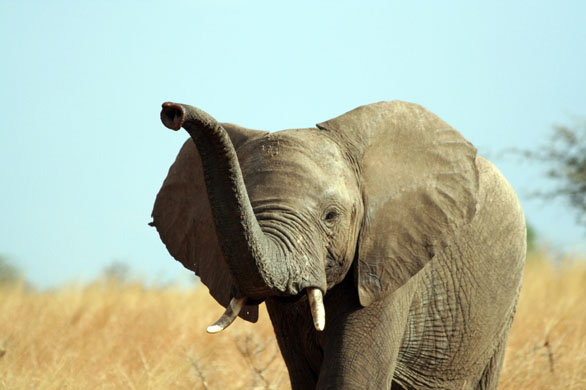
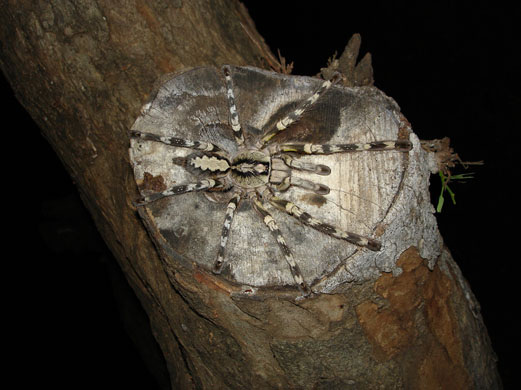
The fishing cat (Prionailurus viverrinus), found in south-east Asia, moved from vulnerable to endangered due to habitat loss in wetlandsPhotograph: Mathieu Ourioux/IUCNThe Caspian Seal (Pusa caspica) moved from vulnerable to endangered. Its population has declined by 90% in the last 100 years due to unsustainable hunting and habitat degradation and is still decreasingPhotograph: Simon Goodman/IUCNThe grey-faced sengi or elephant shrew (Rhynchocyon udzungwensis) is only known from two forests in the Udzungwa mountains of Tanzania, both of which are fully protected but vulnerable to fires. The species was first described this year and has been placed in the vulnerable categoryPhotograph: F Rovero/IUCNBut it is not all bad news. The assessment of the world’s mammals shows that species can recover with concerted conservation efforts. The black-footed ferret (Mustela nigripes) moved from extinct in the wild to endangered after a successful reintroduction by the US Fish and Wildlife Service into eight western states and Mexico from 1991-2008Photograph: IUCNThe African elephant (Loxodonta africana) moved from vulnerable to near threatened, because of recent population increases in southern and eastern AfricaPhotograph: Alicia Wirz/IUCNNew groups of species have appeared on the IUCN red list for the first time, increasing the diversity and richness of the data. Indian tarantulas, highly prized by collectors and threatened by the international pet trade, have made their first appearance on the list. They face habitat loss due to new roads and settlements. The Rameshwaram parachute spider (Poecilotheria hanumavilasumica) has been listed as critically endangered as its natural habitat has been almost completely destroyed Photograph: M Siliwal/IUCNFor the first time, all 161 grouper species have been assessed, of which 20 are threatened with extinction. The squaretail coral grouper (Plectropomus areolatus) from the coral reefs of the Indo-Pacific has been listed as vulnerable. The fish is seen as a luxury live food and is typically fished unsustainably in spawning areas, a major threat for many grouper speciesPhotograph: John E Randall/IUCNAmphibians are facing an extinction crisis, with 366 species added to the IUCN red list this year. There are now 1,983 species (32%) either threatened or extinct. In Costa Rica, Holdridge’s toad (Incilius holdridgei), an endemic species, moved from critically endangered to extinct, as it has not been seen since 1986 despite intensive surveys Photograph: Wayne Van Devender/IUCNNew reptiles assessed this year include the La Palma giant lizard (Gallotia auaritae). Found on the Canary Island of La Palma and thought to have become extinct in the last 500 years, it was rediscovered last year and is now listed as critically endangeredPhotograph: IUCNThe Cuban crocodile (Crocodylus rhombifer) is another critically endangered reptile, moved from endangered because of population declines caused by illicit hunting for its meat and its skin, which is used in clothingPhotograph: John Thorbjarnarson/IUCNOne of the newly assessed freshwater crab species, the purple marsh crab (Afrithelphusa monodosa) from west Africa, was almost completely unknown to science until recently. The first living specimen was found in 2005 and it has been listed as endangered because of habitat disturbance and deforestation from agriculture in all parts of the Upper Guinea forest Photograph: Neil Cumberlidge/IUCN
Sign up to read this article
Read news from 100’s of titles, curated specifically for you.

-by-John-E-4857.jpg)