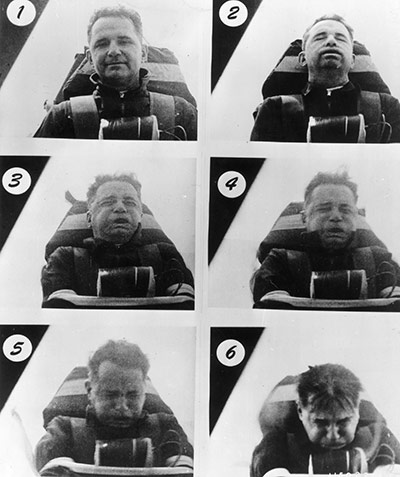
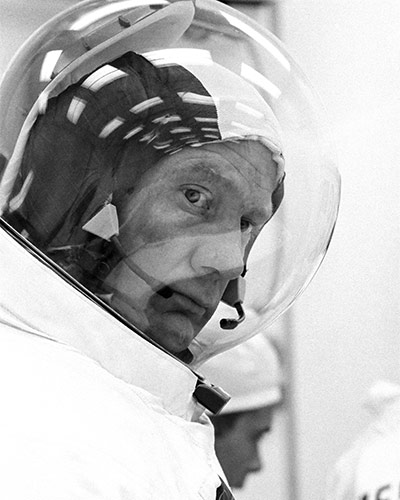
Colonel John Stapp, a former US air force flight surgeon, repeatedly rode a rocket-propelled sled to assess the greatest deceleration a human could survive. Pictures 1-3 show the first five seconds of acceleration as the sled shoots up to 678 kilometres per hour (421 miles per hour). Pictures 4-6 show the effect of deceleration after the brake is applied, subjecting Stapp to forces of up to 22gPhotograph: Getty ImagesAs a group, astronauts have surely earned a place in any list of the hardest scientists. Buzz Aldrin, pictured here before the Apollo 11 moon mission, proved he was still a tough cookie at the age of 72 when he landed a punch on a lunar sceptic who called him a liar and a cowardPhotograph: NasaIn 1978, the Russian scientist Anatoli Bugorski poked his head into the most powerful Soviet particle accelerator, the U-70 synchrotron in Protvino. A beam of protons travelling near to the speed of light. He reported seeing a flash "brighter than a thousand suns". He survivedPhotograph: Guardian
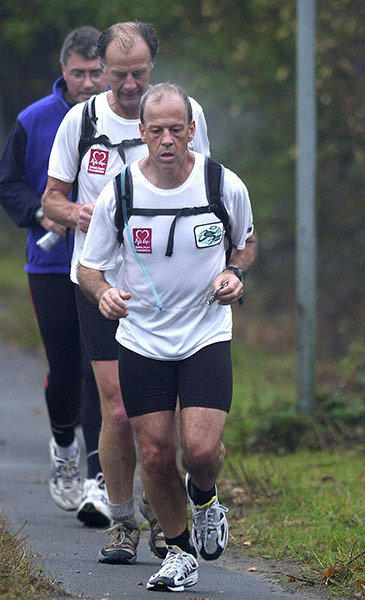
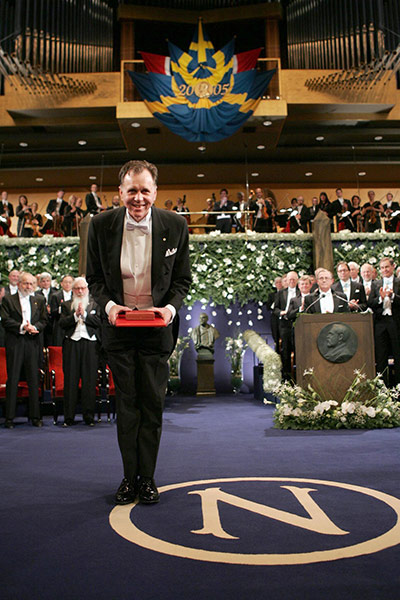
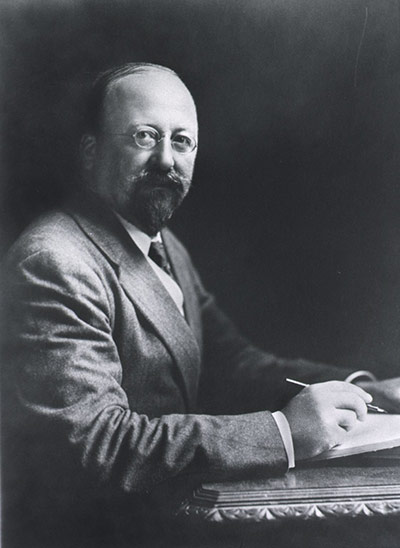
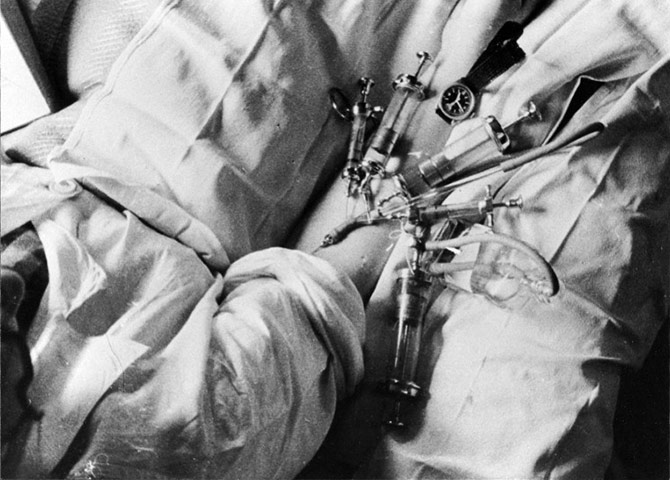
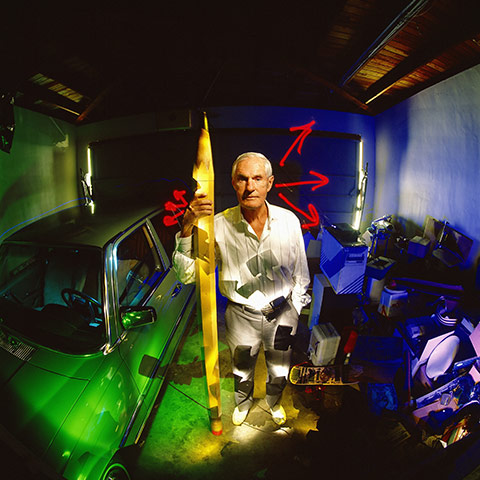
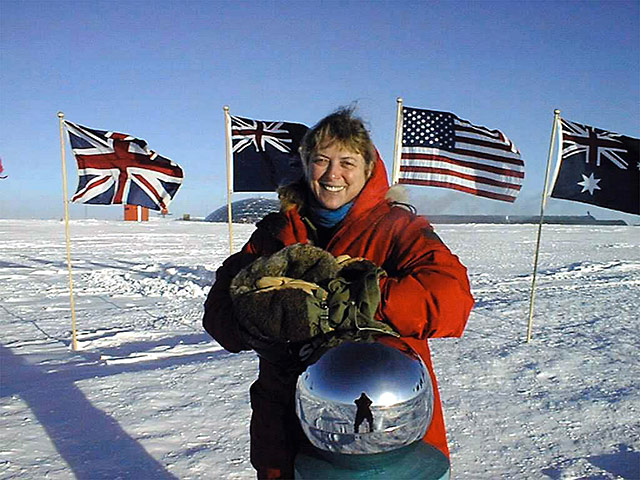
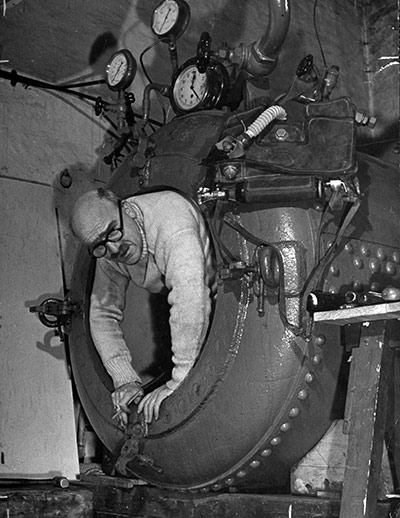
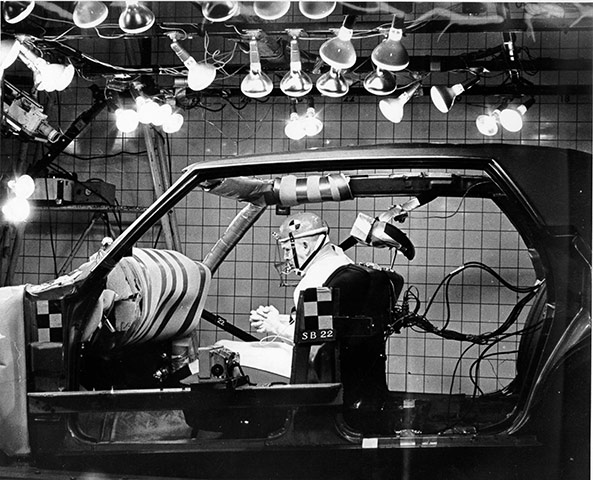
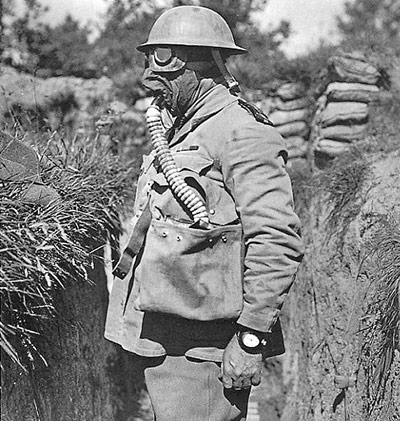
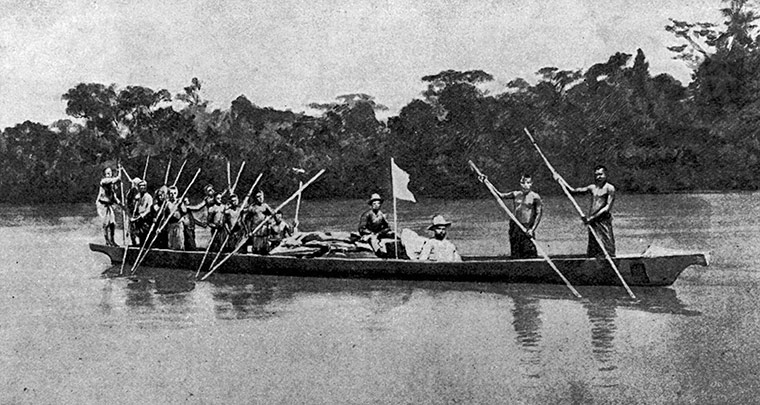
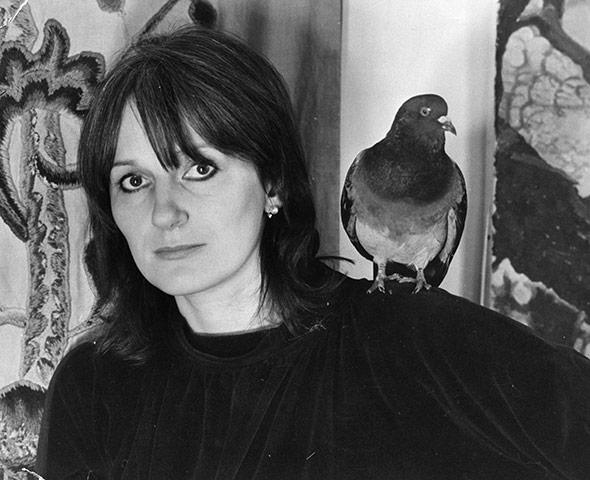
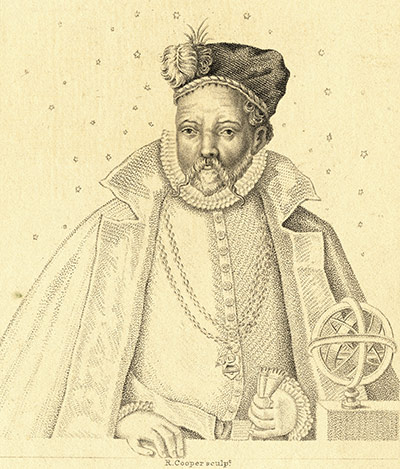
British physician Mike Stroud is an expert in human endurance and extreme environments. He has accompanied explorer Sir Ranulph Fiennes on several polar expeditions, during which he took muscle biopsies from his own leg without anaesthetic. In 2003, he joined Fiennes (above, centre) to run seven marathons on seven continents in seven daysPhotograph: Martyn Hayhow/AFPThe Australian physician Barry J. Marshall drank a Petri dish of Helicobacter pylori to prove the bacterium causes peptic ulcers. He received a Nobel Prize in Medicine for his work in 2005Photograph: Henrik Montgomery/AFPSir Henry Head, a physician at the London Hospital, operated on his own arm in 1908 to investigate how sensations change when peripheral nerves are cut and left to regeneratePhotograph: Public DomainDr Elsie Widdowson during one of her experiments in human nutrition in the 1940s. Widdowson and her colleague Robert McCance also endured minimal diets for long periods to study the effect of caloric restriction on healthPhotograph: Wellcome ImagesAmerican psychologist Timothy Leary was infamous for his enthusiastic consumption of psychedelic drugs in the name of science and consciousness expansionPhotograph: Chip Simons/Getty ImagesDr Jerri Nielsen FitzGerald, an ER doctor, was working at a research station at the South Pole in 1999 when she found a lump in her breast. A medical evacuation was impossible, so FitzGerald used ice and a local anaesthetic to perform a biopsy on the tumour. Chemotherapy drugs were delivered by air drop and FitzGerald lived another 10 yearsPhotograph: APAustrian-born wolf tracker, cross-country skier and champion mountain runner Gudrun Pflueger. During one field trip, she was spotted by a pack of wolves and lay in the grass for an hour to draw them closerPhotograph: smithsonianchannel.comBritish scientist Professor JBS Haldane suffered a perforated eardrum while experimenting on himself in a decompression chamber. He later said: 'The drum generally heals up. And if a hole remains in it, although one is somewhat deaf, one can blow tobacco smoke out of the ear in question, which is a social accomplishment'Photograph: Hans Wild/Getty ImagesAmerican biomechanics expert and human crash test dummy Lawrence Patrick of Wayne State University. Patrick took no fewer than 400 rides on a rocket sled to investigate what happens when the body decelerates rapidlyPhotograph: Wayne State UniversityBritish chemist Edward Harrison invented the gas mask during the first world war, saving thousands of lives but forfeiting his own. He and his team perfected the design by exposing themselves to poisonous gases in sealed roomsPhotograph: HMSO19th century British explorer Mary Kingsley in a canoe on the Ogowe river, Gabon. Kingsley travelled extensively in Africa and collected hundreds of fish and other fauna, many of them new to science. In her book Travels in Africa she describes fights with crocodiles, falling into a spear pit and being caught in a tornado. She died of enteric fever at the age of 37 Photograph: Getty ImagesIn the 1970s, when she was 27, the British artist and scientist Amanda Feilding trepanned her own skull using a dentist's drill to discover whether it would enhance consciousness. She survived and is currently director of the Beckley Foundation, which researches the use of psychedelics like LSD and psilocybin to alter consciousness Photograph: Daily Mail / Rex FeaturesThe 16th century Danish astronomer lost the tip of his nose in a duel after falling out with a fellow student and wore a realistic metal replacement for the rest of his life. Brahe owned an elk and kept a dwarf – whom he considered clairvoyant – under his dining table. He refused to leave a banquet despite suffering from an excruciating bladder condition, which by most accounts led to his death days laterPhotograph: Bettmann/Corbis
Sign up to read this article
Read news from 100’s of titles, curated specifically for you.