Donald Trump's ambitious “board of peace”, initially conceived as a small group of global leaders overseeing the Gaza ceasefire, has significantly expanded its scope.
The Trump administration's vision now encompasses a broader role, with Mr Trump extending invitations to dozens of nations and suggesting the board could soon mediate various international conflicts, akin to a pseudo-UN Security Council.
Further details are anticipated at the World Economic Forum in Davos, Switzerland, where Mr Trump spoke today.
Ahead of the summit, Israeli Prime Minister Benjamin Netanyahu confirmed on Wednesday his agreement to join the board, despite his earlier criticisms of the committee tasked with the Gaza ceasefire.
While the board’s official charter remains undisclosed, a draft version obtained by The Associated Press indicates that substantial power would be concentrated in Mr Trump’s hands.
Here’s what you need to know.
What is Trump’s board of peace?
Trump first proposed the Board of Peace last September when he announced his plan to end the Gaza war. He later made clear the board's remit would be expanded beyond Gaza to tackle other conflicts worldwide.
The U.S. president will be the inaugural chairman of the board and it will be tasked with promoting peace around the world and working to resolve conflicts, according to a copy of the draft charter seen by Reuters.
Member states would be limited to three-year terms unless they pay $1 billion each to fund the board's activities and earn permanent membership, the charter says.
What power will the board have?
It remains unclear what legal authority or enforcement tools the Board of Peace will have or how it will work with the United Nations and other international organisations.
The Board's charter says its chairman, Trump, will have extensive executive power, including the ability to veto decisions and remove members, subject to some constraints.
According to its charter, the Board of Peace will undertake "peace-building functions in accordance with international law".
The White House has also announced a Gaza Executive Board to support a transitional Palestinian administration in Gaza. It is unclear how the founding Executive Board and the Gaza Executive Board, which share some members, will function in practice.
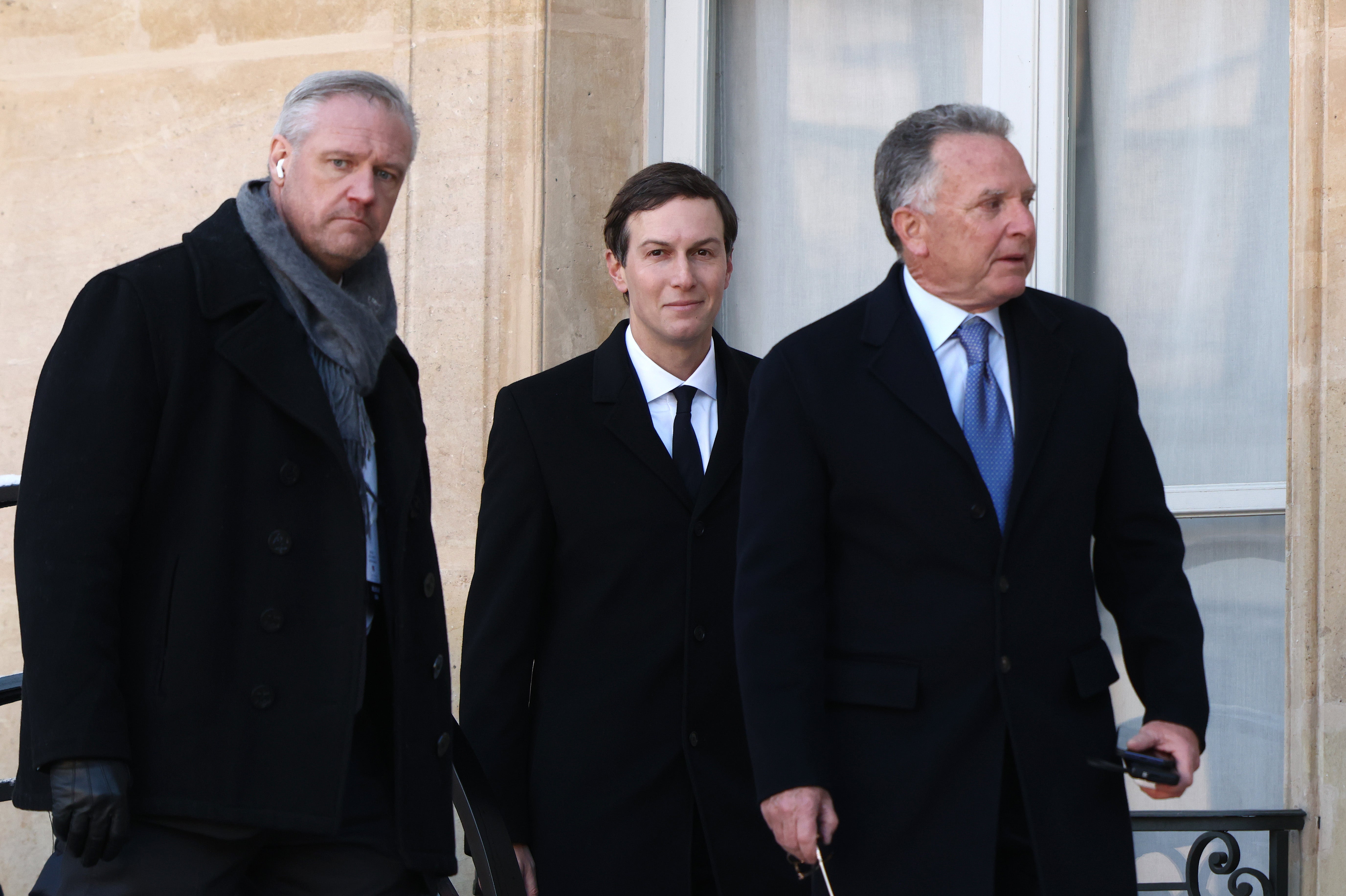
The executive board’s members include US secretary of state Marco Rubio, Trump envoy Steve Witkoff, Trump’s son-in-law Jared Kushner, former British prime minister Tony Blair, Apollo Global Management CEO Marc Rowan, World Bank president Ajay Banga, and Trump’s deputy national security adviser Robert Gabriel.
Countries and leaders around the world have been invited
Pope Leo is among the world leaders invited to join Trump's Board of Peace, Cardinal Pietro Parolin, the Vatican's top diplomatic official, said on Wednesday.
Leo, the first U.S. pope and a critic of some of Trump's policies, is evaluating the invitation, he said.
"The pope has received an invitation and we are considering what to do," Parolin told journalists. "I believe it will be something that requires a bit of time for consideration before giving a response."
Witkoff said on Wednesday that up to 25 countries had so far accepted the invitation to join the Board of Peace.
These include Middle East allies such as Israel, the United Arab Emirates, Bahrain and Egypt. NATO members Turkey and Hungary, whose nationalist leaders have cultivated good personal ties with Trump, have also agreed to take part.
Others who have accepted include Armenia and Azerbaijan, which reached a U.S.-brokered peace agreement last August after meeting Trump at the White House, and Jordan, Indonesia and Pakistan.
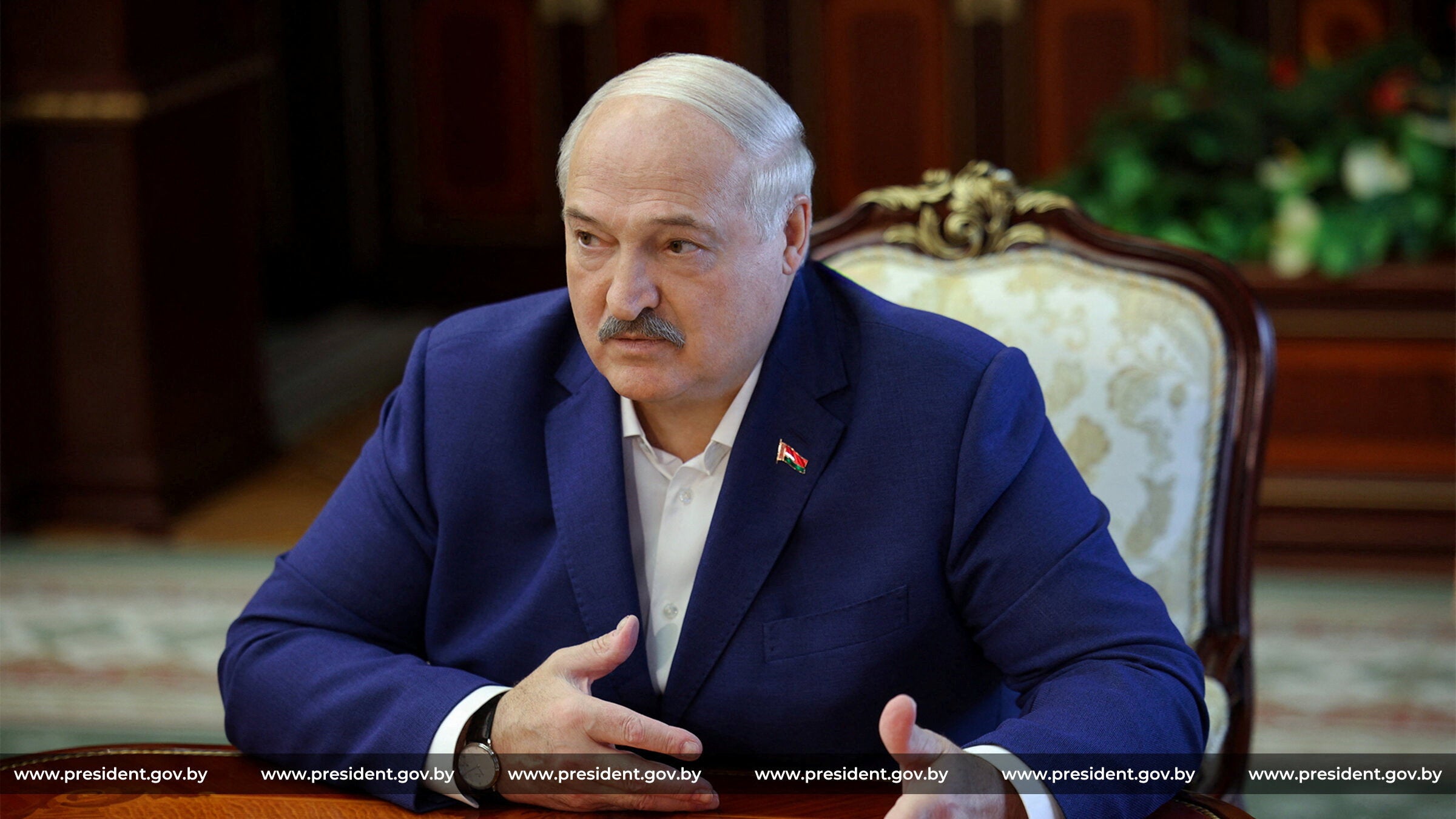
More controversially, Belarusian President Alexander Lukashenko, long shunned by the West over his country's poor human rights record and backing for Russia's war in Ukraine, has accepted Trump's invitation, which comes amid a broader rapprochement between Washington and Minsk.
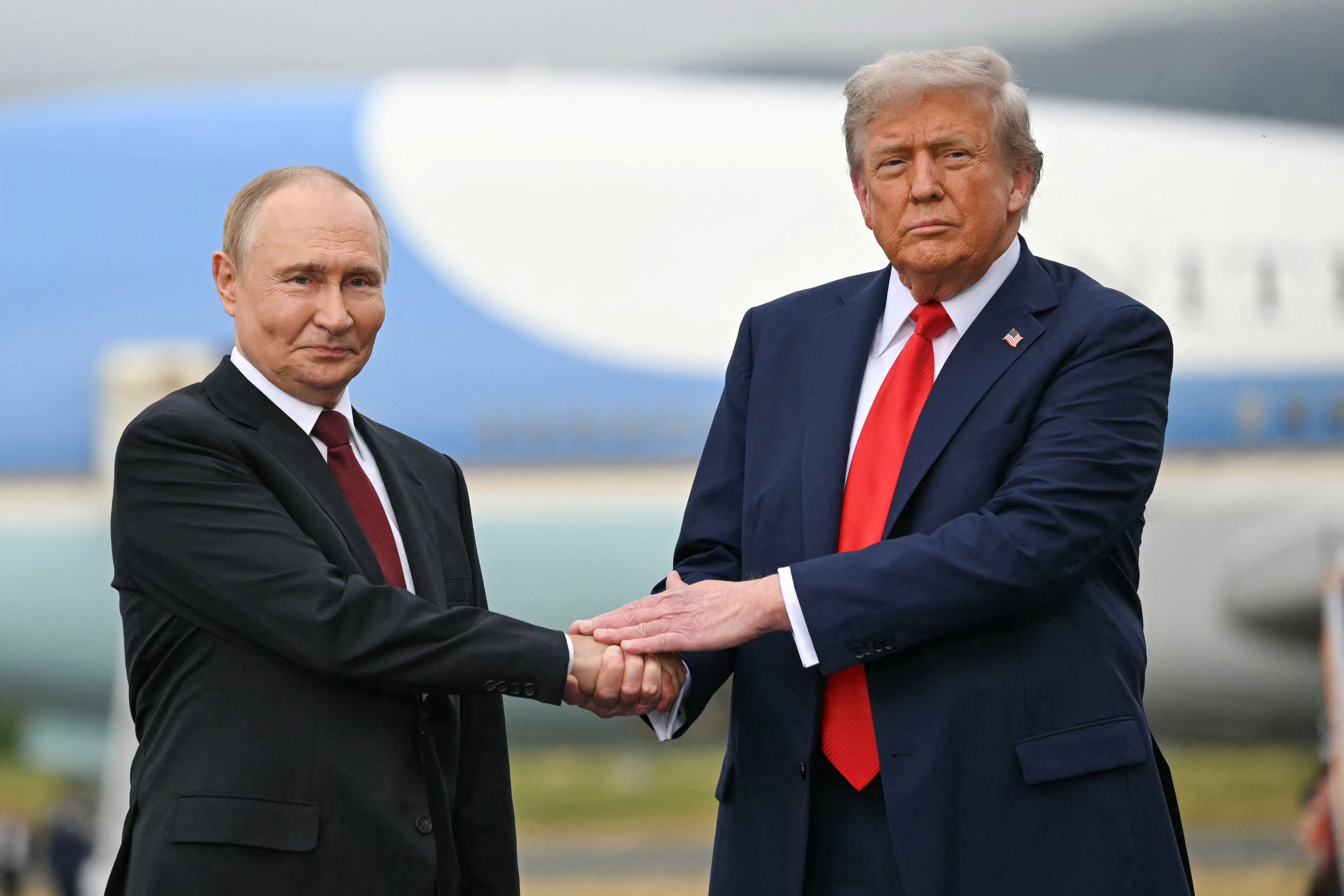
Russia, which has also seen frosty relations with Washington improve markedly as Trump courts President Vladimir Putin while accusing Kyiv of blocking efforts to end the Ukraine war, has not yet said whether it will join the Board of Peace.
Neither has China, which has often been at loggerheads with Trump but recently struck a delicate trade truce.
Russia and China are traditionally strong supporters of the United Nations, and both are veto-wielding members of the U.N. Security Council, so are likely to be cautious about any initiatives that could be seen as undermining the world body.
Trump, who has often criticised the U.N. as ineffective, played down concerns this week that he might want his Board to replace the world body, saying: "I believe you got to let the U.N. continue because the potential is so great."
Some US allies have declined or remain cautious
The Board of Peace initiative, which comes amid a growing transatlantic rift over Greenland, tariffs and other issues, has drawn a cautious response from some close U.S. allies who are often uncomfortable with Trump's belligerent, unilateralist, "America First" approach to international diplomacy.
Norway and Sweden have declined his invitation, while Italy's Economy Minister Giancarlo Giorgetti said joining the board appeared problematic. Italian daily Il Corriere della Sera reported that joining a group led by one country's leader would violate Italy's constitution.
France also intends to decline the invitation, a source close to President Emmanuel Macron said, prompting Trump to threaten to hit French wines and champagnes with 200% tariffs unless Paris joined his board.

Canada said it has agreed "in principle" to join but that the details were still being worked out. Other key U.S. allies including Britain, Germany and Japan have not yet taken a clear public stance, though a German government spokesperson said Chancellor Friedrich Merz would not attend a signing ceremony for the board at the World Economic Forum in Davos.
Ukraine has said its diplomats are examining the invitation but President Volodymyr Zelensky has said it is hard for him to imagine being on any board with Russia after four years of war.
The other committees that will work with the board of peace
The White House also announced the members of another board, the Gaza executive board, which, according to the ceasefire deal, will be in charge of implementing the tough second phase of the agreement. That includes deploying an international security force, disarming the Palestinian militant Hamas group and rebuilding the war-devastated territory.
Nickolay Mladenov, a former Bulgarian politician and UN Mideast envoy, is to serve as the Gaza executive board’s representative overseeing day-to-day matters. Additional members include: Witkoff, Kushner, Blair, Rowan, Turkish foreign minister Hakan Fidan; Qatari diplomat Ali Al-Thawadi; Hassan Rashad, director of Egypt's General Intelligence Agency; Emirati minister Reem Al-Hashimy; Israeli businessman Yakir Gabay; and Sigrid Kaag, the Netherlands' former deputy prime minister and a Mideast expert.
The board will also supervise a newly appointed committee of Palestinian technocrats who will be running Gaza’s day-to-day affairs.
Additional reporting by Reuters.
Trump promises not to use force to take Greenland but still wants it to be part of US
Pope Leo ‘considering what to do’ after being invited to join Trump’s Board of Peace
Ukraine-Russia war latest: Trump says Putin and Zelensky ‘stupid’ not to strike deal
Prince William to make first official visit to Saudi Arabia after request from PM
Netanyahu agrees to join Trump’s ‘Board of Peace’ for Gaza
Mother fears British Isis suspect Jack Letts left ‘sitting duck’ in Syrian clashes